Category: History

  • Meet Ming: The Clam That Outlived Every Historical Figure You Know

    Meet Ming: The Clam That Outlived Every Historical Figure You Know

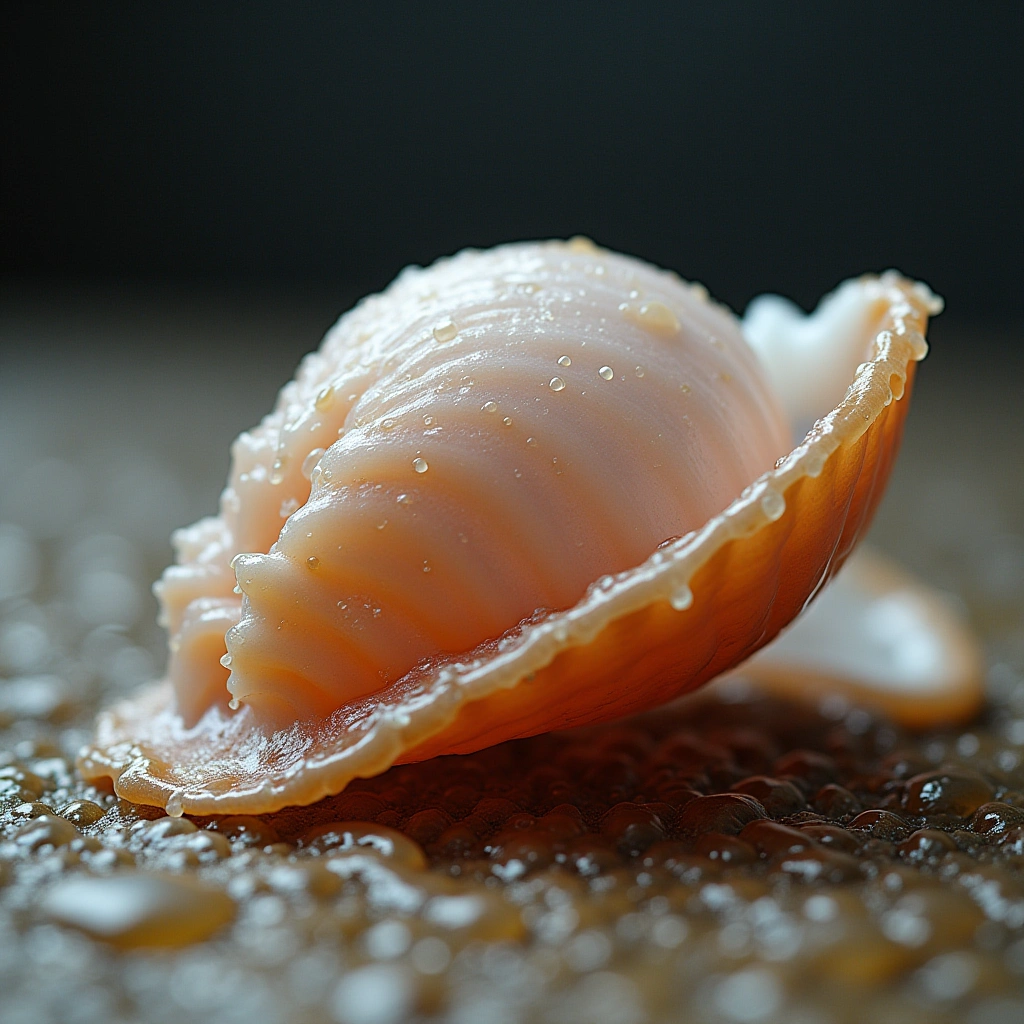
    Imagine living for over 500 years. That’s older than your great-great-great-great-great-grandfather’s favorite pair of socks! Well, meet Ming, the ocean quahog clam, who was born in 1498, smack dab in the middle of the Ming dynasty in China. Talk about a clam who’s seen it all!

    Ming was dredged off the coast of Iceland in 2006, and when scientists discovered this ancient mollusk, they probably thought they hit the jackpot. After all, who wouldn’t want to study a creature that has been alive longer than the United States? But alas, the irony of fate kicked in when, in an attempt to determine its age, researchers accidentally killed Ming by freezing him. Yes, folks, scientists put a 507-year-old clam in the freezer like it was last week’s pizza, and now we’ll never know what wisdom he could have imparted.

    Now, if you’re scratching your head thinking, ‘How in the heck does a clam live that long?’ you’re not alone. Ocean quahogs are known for their impressive longevity, with some living over 400 years. They’ve got the secrets of the universe hidden in their shells, but getting them to spill the beans is another story. Maybe they were just really good at avoiding drama—no politics, no social media, just chilling at the ocean floor!

    So why, you might ask, would scientists want to study a clam? Well, the age of a clam can tell us a lot about environmental changes and climate history. Think of them as the wise old sages of the sea, chronicling events like the rise and fall of empires or the invention of the selfie stick. Who knew that the ocean floor was the original library?

    But back to our pal Ming—what does his story tell us? It’s a classic case of ‘you never know what you’ve got until it’s gone.’ Scientists were so keen on learning his secrets that they forgot to consider the fact that this clam had lived through centuries of human history, wars, and the creation of the internet. And how did they repay him? By putting him in a clam coffin! Talk about a tragic end for a creature with such a rich history.

    In conclusion, let’s raise a glass (of clam chowder, of course) to Ming, the clam who lived through half a millennium and was taken too soon. Next time you enjoy a seafood dinner, remember that beneath the waves, there are creatures far older than your favorite sports team or your grandma’s favorite recipe. And maybe, just maybe, let’s leave the ancient clams out of the freezer next time!


    Inspired by: “Ming, an ocean quahog clam dredged off Iceland in 2006, was the world’s oldest verified solitary an…” (r/interestingasfuck)

  • Revolutionizing CNC Machining: How New Technology Could Add $750 Million to Your Wallet

    Revolutionizing CNC Machining: How New Technology Could Add $750 Million to Your Wallet

    Hey there, fellow machining enthusiasts! Grab your safety goggles and hard hats because we are diving into the thrilling world of CNC machining. Yes, I know what you’re thinking—how can the latest news about CNC technology possibly be exciting? Well, hold onto your wrenches because a new machining technology developed with the US Department of Energy (DOE) is about to change the game, and potentially put a hefty $750 million in profits on the table for the industry. Sounds like a money printer, right?

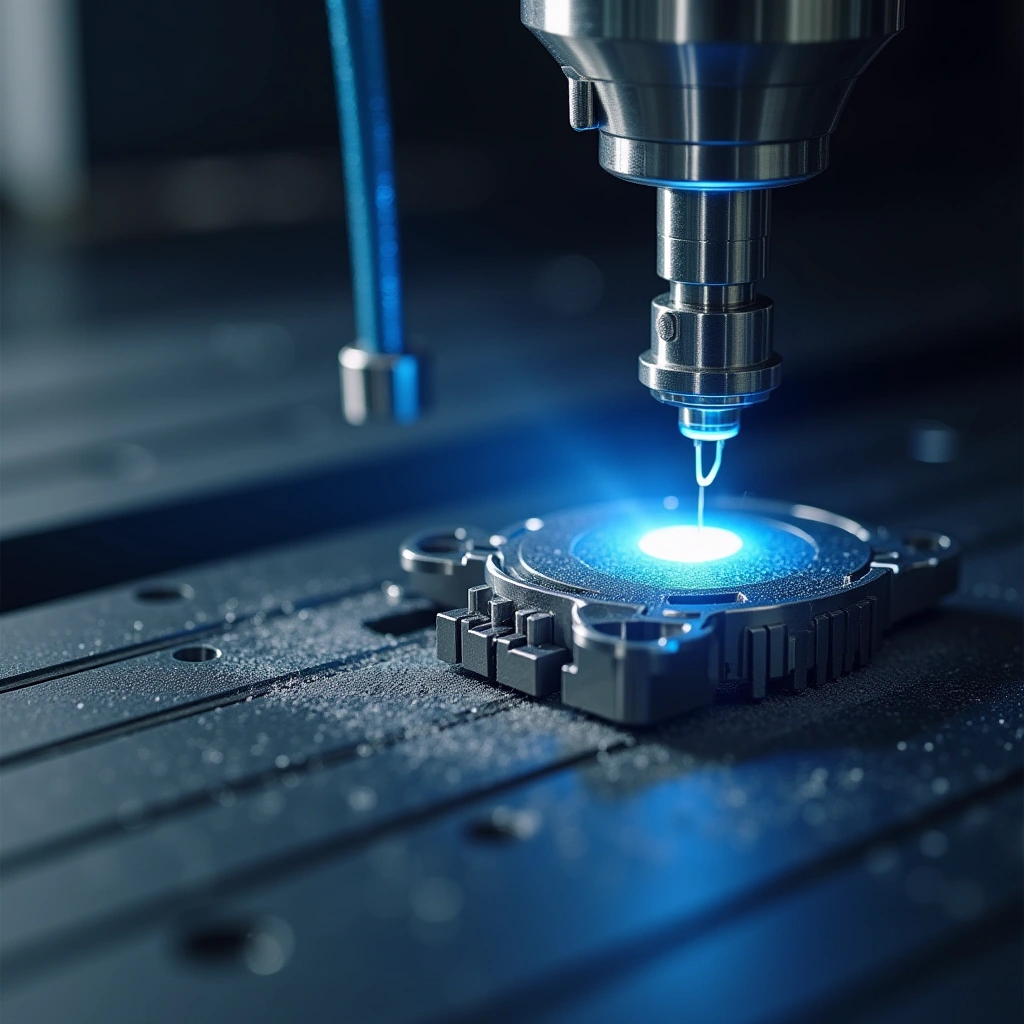
    Now, you might be wondering, what in the name of gears and grease are they actually doing? Well, this new tech optimizes CNC cutting speeds in a matter of minutes. That’s right, folks—minutes! If you’ve ever watched your CNC machine chug along at a snail’s pace, you can now say goodbye to the days of watching paint dry. Instead, you’ll be gazing in awe as your cutting tool transforms into a turbocharged speed demon!

    But let’s break this down a bit. In the world of CNC machining, speed equals efficiency, and efficiency equals profits. It’s like a beautiful equation that makes accountants swoon. With the ability to optimize cutting speeds, manufacturers can reduce production time, increase output, and ultimately, drive down costs. So, if you’re in the machining business, it’s time to get excited—unless you’re one of those folks who enjoys the thrill of waiting for your machine to finish. In that case, more power to you!

    Now, let’s talk numbers. A projected $750 million in annual profit gains sounds like a lot, and it is! That’s enough to fund a small country or at least a decent vacation to the Bahamas. But how does this impact the average Joe in the machining world? Well, it means more jobs, higher wages, and a chance for those of us in the industry to finally afford that fancy coffee machine we’ve been eyeing.

    And yes, I can hear the skeptics in the back saying, “But what about the jobs? Isn’t automation taking everything away?” Well, my friend, while it’s true that increased efficiency can lead to some job displacement, let’s not forget that technological advances have historically created more opportunities than they’ve taken away. Think of it this way: as machines get faster, we get to focus on more complex tasks that require human touch and ingenuity. So, let’s not throw a wrench in progress just yet!

    So, what does this mean for the future of CNC machining? Buckle up, because we’re in for a wild ride. As more companies adopt this new technology, we could see a massive shift in the industry. Imagine a world where manufacturers can churn out products faster than ever before, reducing wait times and boosting customer satisfaction. It’s like the fast food of machining—only instead of burgers, we’re serving up precision-engineered parts.

    In conclusion, folks, if you’re in the machining biz, keep your eyes peeled for this new technology. It’s not just a passing trend; it’s a potential goldmine just waiting to be tapped. And if you’re not in the industry, well, maybe it’s time to brush up on your machining skills because the future is looking bright (and profitable) for CNC enthusiasts everywhere. So, let’s raise our tools and toast to progress—cheers to a future filled with speed, efficiency, and, hopefully, a whole lot of cash!


    Inspired by: “A new machining technology developed with the US DOE optimizes CNC cutting speeds in minutes, proje…” (r/technology)

  • Revolutionary Genomic Test: The End of Chemotherapy for Breast Cancer Patients?

    Revolutionary Genomic Test: The End of Chemotherapy for Breast Cancer Patients?

    Hey there, my fellow humans! Grab your favorite snack and settle in, because we’re about to dive into some groundbreaking news that might just change how we look at breast cancer treatment. Yes, you heard that right! A new genomic test is making waves and could potentially spare millions of breast cancer patients from the dreaded chemotherapy. Cue the confetti!

    Now, before we dive deeper, let’s address the elephant in the room. Chemotherapy isn’t exactly anyone’s idea of a good time. It’s like signing up for a roller coaster that you never wanted to ride in the first place—lots of ups and downs, a bit of nausea, and a strange craving for ginger ale. But what if I told you that this new test could help women determine if they even need to endure that wild ride?

    According to the latest buzz, researchers have developed a genomic test that analyzes the DNA of breast cancer tumors to assess how aggressive they are. Think of it as a personalized GPS for your cancer treatment. Instead of the standard one-size-fits-all approach, this test can tell you if your cancer is more of a mild-mannered puppy or a raging bull ready to charge. If it turns out to be the former, then CHEERS! You might just skip the chemo.

    But let’s not pop the champagne just yet. There are some caveats. While this test sounds like a miracle in a tube, there’s still a lot of research to be done. Not all breast cancers are created equal, and this test doesn’t mean that every patient will be cured with a simple “no chemo, please.” It’s still crucial for doctors to monitor patients closely and tailor treatments accordingly. After all, we don’t want to throw caution to the wind just because we’ve got a shiny new toy!

    Now, you might be wondering, “How can I get my hands on this magical test?” Well, hold your horses! It’s not available at every corner pharmacy just yet. It’s currently being evaluated in clinical trials, so keep your fingers crossed and your eyes peeled for updates. And who knows? Maybe one day, you’ll be able to ask your doctor for a little genomic test on the side, right next to your cholesterol check!

    Here’s the bottom line: This test could potentially revolutionize breast cancer treatment. By helping patients avoid unnecessary chemotherapy, it could lead to a better quality of life and more time spent doing the things we love—like binge-watching our favorite shows or mastering the fine art of sourdough baking (seriously, have you tried that?).

    So, let’s celebrate this scientific breakthrough! It’s a step forward in the fight against breast cancer. But let’s also remember that while we’re popping the virtual champagne, there’s still a long road ahead. Stay informed, stay hopeful, and most importantly, stay fabulous!


    Inspired by: “Groundbreaking genomic test could spare millions of breast cancer patients chemotherapy” (r/technology)

  • AI and Self-Driven Laboratories: The Chemical Engineering Revolution of 2026

    AI and Self-Driven Laboratories: The Chemical Engineering Revolution of 2026

    Hey there, fellow chemical engineering enthusiasts! Buckle up, because we’re about to take a wild ride into the futuristic world of 2026, where AI and self-driven laboratories are shaking up the chemical engineering scene like a soda can before the big pop! Yes, you heard me right. We’re talking about a transformation so profound, even your high school chemistry teacher would raise an eyebrow and say, ‘What in the beakers is happening here?’

    First things first, let’s talk about AI. No, not the kind that takes over the world (yet), but the kind that makes our lab work smoother than a buttered slide. In 2026, AI has become the lab assistant we never knew we needed. It’s analyzing data faster than you can say ‘molar mass’ and suggesting experiments that would make even the most seasoned chemist go, ‘Whoa, I never thought of that.’

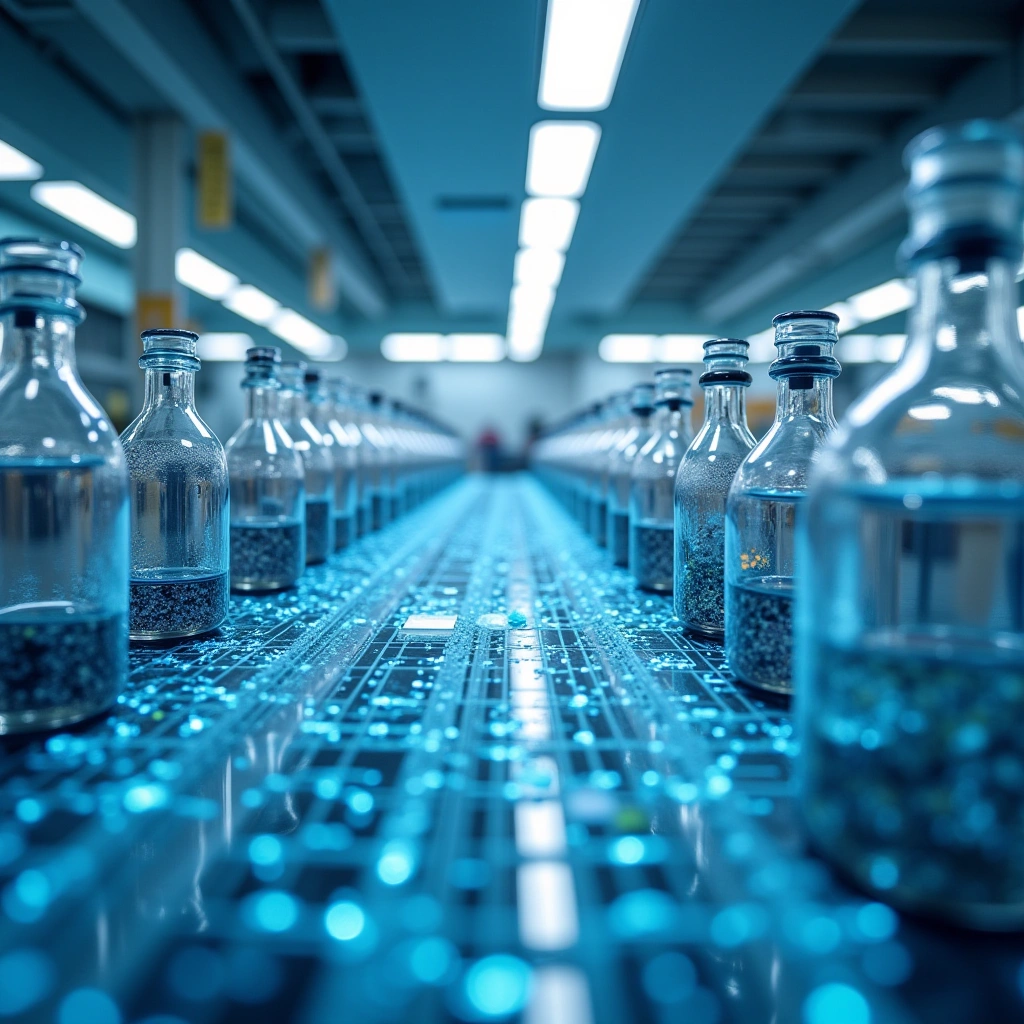
    Imagine a scenario where you walk into a lab filled with robots, all programmed to whip up the latest compounds and materials. These self-driven laboratories are not just a figment of a sci-fi movie; they are here to stay! Instead of spending countless hours mixing chemicals, researchers can now sip on their coffee while AI does all the heavy lifting. Just remember to keep those mugs away from the volatile substances, folks!

    And it’s not just about efficiency; it’s about innovation too. With AI crunching the numbers and predicting outcomes, we’re seeing a boom in new chemical formulations. Remember that time you tried to invent a new potion for a school science fair and ended up with a sticky mess? Well, AI ensures that the only thing sticking around in 2026 are the successful experiments!

    But hold your horses, because this transformation doesn’t come without some controversy. Some chemists are raising their eyebrows, wondering if AI might take their jobs. Sure, it’s like watching your dog learn to fetch the newspaper – it’s cool, but what if the dog gets all the attention? The truth is, we’re not replacing chemists; we’re empowering them! Those who embrace this tech will be the rock stars of the lab, while the skeptics will be stuck in the past, grumbling about how things were better back in their day.

    Now, let’s not forget about the ethical implications. With great power comes great responsibility, and AI in chemical engineering is no exception. We’re talking about safety protocols, data privacy, and the potential for misuse. It’s like giving a toddler a box of matches; you need to make sure they’re supervised, or things could get out of hand real quick.

    In conclusion, the year 2026 is shaping up to be a thrilling time for chemical engineering, with AI and self-driven laboratories leading the charge. Embrace the change, my friends, because the future is bright, and it smells like a fresh batch of synthetic compounds! So, keep your lab coats on and your goggles ready; the revolution is here, and it’s about to get explosive (in a safe, controlled environment, of course).


    Inspired by: “How AI and Self-Driven Laboratory is transforming Chemical Engineering in 2026” (r/technology)

  • Euro-Office: The Open-Source Revolution that Might Make You Ditch Microsoft and Google Docs

    Euro-Office: The Open-Source Revolution that Might Make You Ditch Microsoft and Google Docs

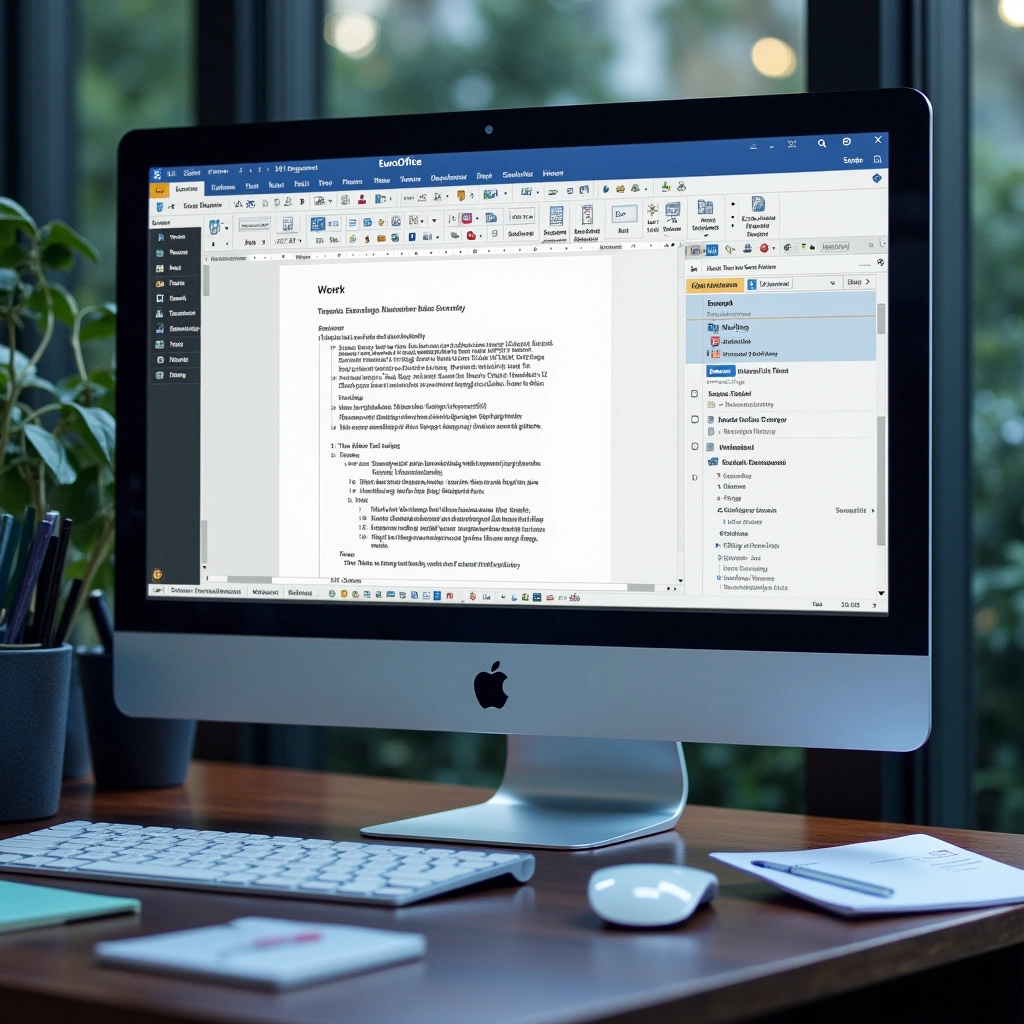
    Hey there, fellow keyboard warriors! Gather ’round because we’ve got some exciting news hotter than a fresh cup of espresso! Mark your calendars for June 9, because that’s when Euro-Office, Europe’s shiny new open-source alternative to Microsoft Office and Google Docs, is set to launch. You heard that right! Forget about those hefty subscriptions and privacy concerns, because Euro-Office is here to save the day (and your wallet)!

    Now, you might be wondering, ‘What’s so special about Euro-Office?’ Well, let me break it down for you. First off, it’s open-source, which means it’s like the free buffet of software. You can take what you want, leave what you don’t, and if you’re feeling adventurous, you can even cook up your own version! Who needs a Michelin star when you’ve got the freedom to customize your own productivity tools?

    Plus, can we talk about the elephant in the room? Microsoft Office and Google Docs can sometimes feel like that clingy friend who just won’t take a hint. They’re great, but do you really want to spend your weekends figuring out why your Word document suddenly wants to be a PowerPoint presentation? Euro-Office aims to streamline that experience with a user-friendly interface that won’t have you Googling “how to unfreeze my computer” every five minutes.

    And let’s not forget about the data security aspect. Euro-Office is like that trustworthy friend who doesn’t spill your secrets. With increasing concerns about data privacy, especially in the age of social media oversharing, it’s refreshing to see a solution that prioritizes user privacy. Imagine working on your top-secret screenplay about how cats secretly control the internet without worrying if your data is being sold to the highest bidder. Pure bliss!

    But hey, let’s not kid ourselves: every hero has a villain. While Euro-Office is stepping onto the scene, it’s bound to face some serious competition from the big players. Microsoft and Google have been around the block more times than a marathon runner, and they’ve perfected their systems. However, this is where the underdog story kicks in! We love a good comeback, don’t we? And with a strong community backing it, Euro-Office might just have the chops to disrupt the status quo.

    So, what can we expect from the launch? Well, if the teaser trailers are anything to go by, we’re looking at a suite of applications that’ll make you wonder why you ever settled for anything less. Think spreadsheets that don’t make you want to pull your hair out, word processors that don’t crash at the worst possible moment, and collaborative tools that actually let you collaborate without the drama of a reality TV show.

    In conclusion, whether you’re a student cramming for finals, a small business owner trying to keep your sanity, or a writer with grand ambitions (like the next great American novel or a blog about cats), Euro-Office is poised to become your new best friend. So, get ready to embrace the revolution! Let’s raise our mugs of coffee to a future where productivity software is open, accessible, and doesn’t require a small loan to use. Cheers!


    Inspired by: “Euro-Office, Europe’s open-source alternative to Microsoft Office and Google Docs, launches June 9” (r/technology)

  • MIT’s Revolutionary Low-Cost Lithium Extraction: A Game Changer for the Electric Vehicle Era

    MIT’s Revolutionary Low-Cost Lithium Extraction: A Game Changer for the Electric Vehicle Era

    Hey there, rock lovers and lithium enthusiasts! Buckle up, because we’ve got some electrifying news straight from the hallowed halls of MIT. Yes, you heard that right—those brainiacs have cooked up a low-cost technique for extracting lithium from rocks. And no, it’s not a new method for making your own homemade batteries in your garage (though that would be pretty sweet).

    So, why should you care about this breakthrough? Let’s break it down. Lithium is essential for the production of batteries, especially for electric vehicles (EVs), which are basically the superheroes of the modern automotive world. They save the planet while also making you look cool and eco-friendly. But here’s the kicker: the traditional methods of extracting lithium can be as costly and messy as a toddler’s birthday party gone wrong.

    MIT’s brainiac researchers have devised a way to extract lithium from hard rock sources, which could potentially lower costs and make lithium extraction more sustainable. And let me tell you, if we can extract lithium without turning Mother Earth into a giant mud pit, then we’re onto something serious here!

    Now, you might be wondering, “Why rocks? Why not just stick to the salt flats?” Good question, my curious friend! While salt flats have been the go-to for lithium extraction, they come with their own set of environmental concerns and limitations. By utilizing hard rock sources, we can diversify our lithium supply and not put all our eggs in one salty basket. Plus, who doesn’t love a good rock? They’re like nature’s little time capsules, carrying secrets of the Earth’s history.

    But wait, there’s more! This new method doesn’t just promise lower costs; it could also lead to a more stable lithium supply as demand for electric vehicles surges. You know what that means? More EVs on the road, fewer gas-guzzlers, and potentially a cleaner planet. It’s like a win-win-win situation, and who doesn’t love those?

    Now, hold your horses before you start planning a lithium mining expedition in your backyard. This process is still in the research phase, and while MIT is onto something big, we’re not quite ready to start shaking rocks for lithium just yet. But it’s exciting to think about the possibilities!

    In conclusion, MIT’s breakthrough in low-cost lithium extraction is like finding a treasure map that leads to the electric future we all dream of. So keep your eyes peeled for more updates, and who knows? One day, you might be driving a car powered by rocks. And let’s be honest, that would make for some great conversation at your next dinner party!

    Until next time, keep rocking out!


    Inspired by: “MIT researchers develop a low-cost technique to get lithium out of rocks” (r/technology)

  • Polaroid’s Psychedelic Revolution: Turning Chemical Waste into Art

    Polaroid’s Psychedelic Revolution: Turning Chemical Waste into Art

    Hey there, fellow photo enthusiasts! Have you heard the latest buzz? Polaroid, the beloved name in instant photography, has decided to flip the script on chemical waste. Yes, you heard that right! They’re not just throwing it in the trash; they’re transforming it into mind-bending, psychedelic purple images. Now, before you roll your eyes and think this sounds like an art school dropout’s fever dream, let’s dive into the colorful chaos that is Polaroid’s latest innovation.

    So, what’s the deal with this new film? Imagine a world where all that pesky chemical waste from film production doesn’t end up in a landfill but instead is reincarnated as vibrant, trippy visuals. According to Polaroid, they’ve cracked the code to take what used to be a photographer’s nightmare (i.e., guilt over pollution) and turn it into a glorious visual feast. Talk about a glow-up!

    Now, you might be wondering how exactly they do this. Well, it’s a bit like cooking a gourmet meal from leftovers – only instead of last week’s spaghetti, they’re working with chemicals that could have otherwise turned our planet into a toxic wasteland. Polaroid’s scientists (yes, they exist!) have found a way to harness the remnants of film processing and magically morph them into the vibrant hues you see on your prints.

    But let’s pause for a moment. Is this really a good idea? Some might argue that it’s just a publicity stunt, a way to jazz up a brand that’s been around longer than your grandma’s favorite vinyl record. And sure, there’s a hint of controversy here. Can we trust a company that’s taking chemical waste and calling it art? Well, if you ask me, it’s better than trying to bury it underground and pretending it doesn’t exist. At least now we have something pretty to look at!

    As for the images themselves? Oh boy, are they a sight to behold! Think swirling purples and blues that look like they were plucked straight out of a 70s disco. They’re not just photos; they’re a full-on experience. Perfect for that hipster coffee shop decor or your cousin’s bohemian wedding. Plus, with every click of the shutter, you’re doing your part for the environment. It’s like saving the planet one funky Polaroid at a time!

    In conclusion, Polaroid is not just capturing moments; they’re capturing hearts, minds, and perhaps a little bit of the cosmos with their psychedelic purple film. So, grab your camera, head outside, and start snapping away. Who knows? You might just create the next masterpiece that will haunt our dreams and grace the walls of art galleries everywhere. Or, at the very least, you’ll have some cool pics to post on Instagram. Either way, it’s a win-win. Cheers to turning waste into art, my friends!


    Inspired by: “Polaroid is turning chemical waste into psychedelic purple images with new film” (r/technology)

  • The Future of Dentistry: Say Goodbye to Dental Implants with a Revolutionary Pill!

    The Future of Dentistry: Say Goodbye to Dental Implants with a Revolutionary Pill!

    Hey there, tooth enthusiasts! Have you ever wished for a magic pill that could repair your pearly whites and eliminate the need for dental implants? Well, grab your toothbrush and sit tight because we’re diving into the fascinating world of dental regeneration! Yes, you heard me right—those pesky implants might just be on their way out.

    Imagine waking up one day, popping a pill, and watching your teeth magically regrow like a lizard’s tail. Sounds like something straight out of a sci-fi movie, right? But thanks to advances in dental science, this dream is inching closer to reality. Researchers are exploring groundbreaking methods that could allow our bodies to repair and regenerate teeth. Forget about those uncomfortable trips to the dentist; the future might just be a pharmacy run away!

    Now, I know what you’re thinking: “What about cavities? What about my six-month cleaning appointment?” Relax, my friend! The idea here isn’t to toss aside dental hygiene but to enhance our natural ability to heal. With this pill, we could potentially regenerate enamel and even reverse cavities. It’s like having a superhero in your mouth, fighting against decay while you binge-watch your favorite show!

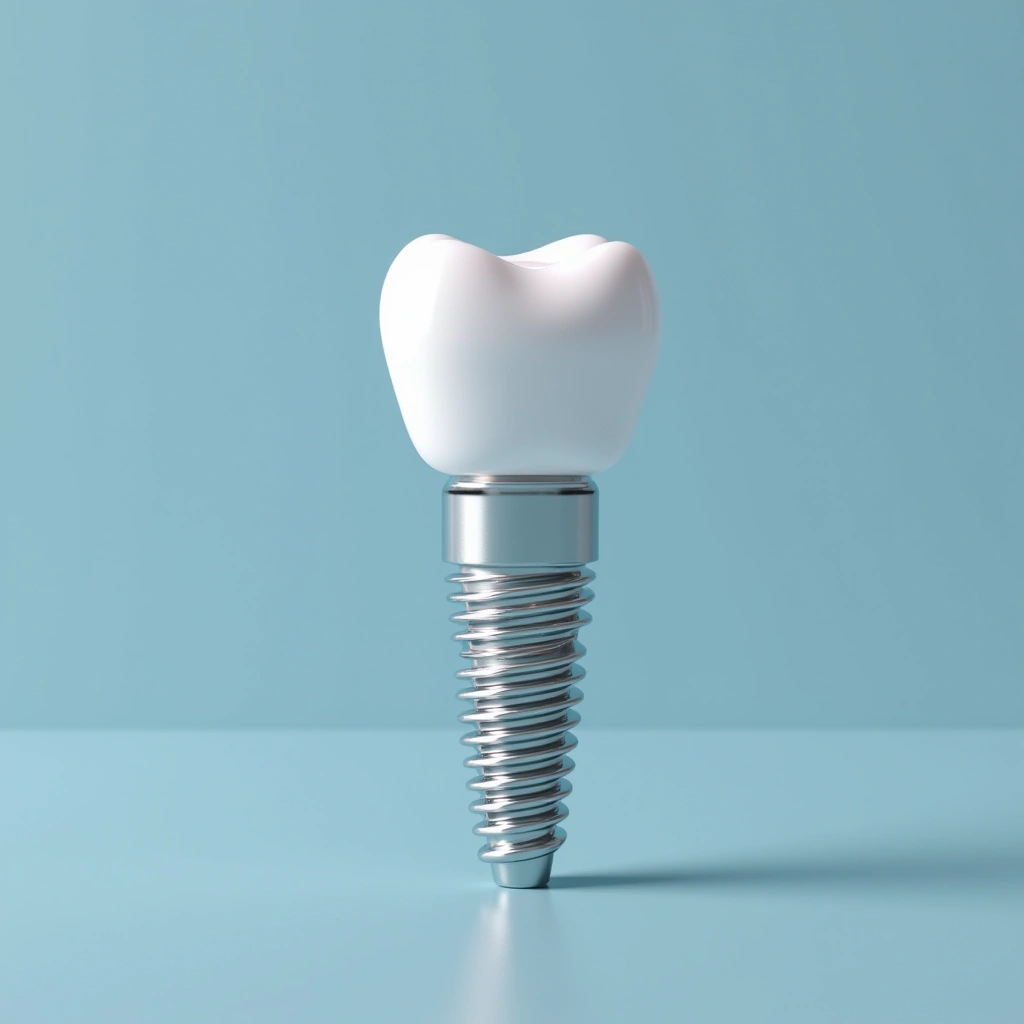
    But let’s address the elephant in the room—what does this mean for dental implants? The dental industry has been thriving on these little metal miracles for decades. Are we really going to tell them, “Thanks, but no thanks?” It’s a bit like telling your favorite pizza place that you’ve found a new love in salad. Awkward! Yet, as tempting as it is to wave goodbye to those cumbersome implants, it’s important to remember that this research is still in its infancy. No one is taking away your dental benefits just yet!

    And here’s the kicker: if this pill proves successful, it might just redefine our understanding of dental care and maintenance. We could see a shift from reactive treatments (like fillings and crowns) to proactive measures that keep our teeth healthy in the first place. Want to avoid the dentist’s drill? Just pop a pill! And if you’re like me and have a deep-rooted fear of the dentist’s chair, this could be the miracle we’ve all been waiting for!

    However, let’s not get too carried away. The path to this dental utopia is riddled with challenges. From clinical trials to regulatory approvals, we’re still a ways off from tossing our toothbrushes out the window. Plus, let’s face it: it’s going to take a while before we see a commercial featuring a smiling dentist recommending a pill over a good old-fashioned cleaning.

    In the meantime, keep flossing and brushing, folks! And remember, while we dream of a pill that can regrow our teeth, the dental industry is still a crucial part of our health. So, maybe don’t cancel that next appointment just yet. But who knows? One day we might just be able to skip the dentist for good and pop a pill instead. Cheers to that, right?


    Inspired by: “Say goodbye to dental implants: the pill that regrows and repairs teeth – Futura-Sciences” (r/technology)

  • From Protests to Programming: How an Occupy Wall Street Co-Founder is Revolutionizing Activism with AI

    From Protests to Programming: How an Occupy Wall Street Co-Founder is Revolutionizing Activism with AI

    So, picture this: a passionate activist, a co-founder of the iconic Occupy Wall Street movement, has ditched the megaphone and is now wielding an AI app like it’s a shiny new protest sign. Yep, you heard that right! This isn’t your average tech mogul; this is someone who’s taken the fight from Wall Street to the digital frontier—and it’s about to get spicy!

    Now, before you roll your eyes and start thinking, “Oh great, another techie trying to save the world from their basement,” let’s break it down. The app isn’t just some fancy gadget for hipster activists sipping lattes at a local café. Nope! It’s designed to empower activists to seize the means of computation. And if that sounds like a revolutionary battle cry, well, it is!

    Imagine a world where grassroots movements can harness the power of AI to organize, strategize, and mobilize. Gone are the days when you had to rely on outdated pamphlets and the occasional shout from a soapbox. This AI app promises to streamline communication, enhance outreach, and maybe even predict the next big protest location (spoiler alert: it’s likely wherever there’s a Starbucks).

    Now, let’s dive into the juicy bits. The app utilizes machine learning algorithms to analyze social trends, helping activists understand what issues are resonating with the public. It’s like having a crystal ball, but instead of predicting your love life, it’s predicting the next viral movement! And if you think that’s cool, wait until you hear about its feature that identifies potential allies based on social media interactions. Talk about strategic networking!

    But hold on to your protest hats, folks. This is where things get a bit controversial. Some critics argue that by using AI, activists might inadvertently fall into the same trap as big corporations—using data to manipulate rather than inform. It’s a slippery slope, and the last thing we need is a bunch of activists turning into corporate overlords. Can you imagine? “We’re here to fight the system, but first, let’s run some A/B tests on our protest slogans!” Yikes!

    Despite the potential pitfalls, there’s no denying the app may just be what the activist community needs to modernize and adapt to a tech-savvy world. After all, if Wall Street can throw around billions in algorithms, why can’t activists use the same tools to challenge the status quo?

    In the end, it’s all about balance. Activists must navigate the fine line between using technology for good and becoming the very thing they’re fighting against. But hey, if it helps bring about social change, who wouldn’t want to see a few robots at the next rally, right? Just as long as they don’t start demanding snacks!

    So, will this AI app be the secret weapon in the fight for social justice? Only time will tell. But one thing’s for sure—activism is getting a tech makeover, and it’s about to get a whole lot more interesting. Grab your smartphone and stay tuned!


    Inspired by: “Occupy Wall Street Co-Founder Built an AI App to Help Activists Seize the Means of Computation” (r/technology)

  • DJI’s Dance with the US: Are Drones the New Cold War Toys?

    DJI’s Dance with the US: Are Drones the New Cold War Toys?

    Ah, DJI, the darling of the drone world! You know, the company that makes you feel like a high-flying superhero with just a click of a button. Well, they’re at it again, trying to convince the US government that their drones are as harmless as a fluffy kitten with a butterfly net. But is this just another case of tech companies playing nice while the political winds howl? Let’s dive in!

    First off, DJI is waving its hands and shouting, “Hey, we’re not a threat!” They claim their drones are not the ominous eyes in the sky that everyone fears. I mean, can you really blame them? Who wouldn’t want to sell more drones? They’re probably thinking, “If we can’t sell to the US, we might as well just set our drones on a permanent vacation in a tropical paradise.”

    But let’s not forget the backdrop here. The US government has been about as welcoming to DJI as a cat at a dog park. After the whole “let’s ban Chinese tech” movement, it’s as if DJI has been handed a permanent ‘Do Not Enter’ sign. The concern? Allegations of data privacy issues and potential spying. Because, obviously, who wouldn’t want to use a drone to snoop on their neighbors? (Note: Please do not actually do this; it’s illegal and really creepy.)

    So, what’s DJI’s master plan? They’re basically pulling out the big guns—an appeal to the US to lift the ban on their new models. They argue that their drones are more about capturing breathtaking landscapes than capturing your data. They even went as far as to say that their tech is more secure than your grandma’s secret cookie recipe. And if that’s not a bold claim, I don’t know what is!

    Now, let’s get to the juicy part: why should the US consider lifting this ban? Well, for starters, drones are not just for spying on your ex or following your dog around the park. They have practical uses: search and rescue, agriculture, and even delivering tacos (the real hero of the story). A ban on DJI could mean missing out on advancements in technology that could actually benefit society. And who doesn’t want a drone delivering tacos? That’s the American dream, right?

    But here’s where it gets a bit controversial. Some might argue that lifting the ban is like inviting a wolf into a sheep pen. With geopolitical tensions simmering, is the US really ready to hand over the keys to their airspace? After all, it’s not just about drones; it’s about trust, and right now, trust is as rare as a unicorn sighting.

    As the debate rages on, one thing is for sure: DJI is not going down without a fight. They’re ready to charm their way back into the good graces of the US government, armed with statistics, happy user testimonials, and maybe even a few cute cat videos. And who knows? We might just see a world where drones are flying high and relationships between nations are soaring, too. Or we could end up in a high-stakes game of drone chess, where everyone loses. Only time will tell!

    In conclusion, DJI is asking for a second chance, and it’s a complex situation. The future of drones in the US may depend not just on technology, but on trust, transparency, and perhaps the occasional taco delivery. So, what do you think? Should we let DJI spread its wings, or is it time to ground them for good? You decide, but just remember to keep your drone away from the neighbor’s cat!


    Inspired by: “China’s DJI says its drones not a risk, urges US to lift ban on new models” (r/technology)