Category: History

  • Demis Hassabis to Laid-Off Engineers: Join the DeepMind Revolution – No Paychecks Required!

    Demis Hassabis to Laid-Off Engineers: Join the DeepMind Revolution – No Paychecks Required!

    Ah, the tech world! A rollercoaster of innovation, disruption, and the occasional corporate downsizing. Recently, Google DeepMind’s CEO, Demis Hassabis, has thrown a lifeline to the sea of laid-off tech talent, inviting them to join his ambitious plans to conquer the universe—or at least, the AI space. And guess what? He’s looking for engineers who are just as eager to dive into the deep end of the tech pool, preferably without the safety net of a paycheck!

    Now, before you start thinking this is just another episode of ‘How to Exploit the Desperate’, let’s unpack this invitation. Hassabis, a visionary in the AI field, is known for his grand ideas and even grander ambitions. He’s like the mad scientist of tech, only instead of a frizzy hairdo, he’s got a sleek suit and a penchant for neural networks.

    Picture this: a million ideas buzzing in his brain, like a swarm of caffeinated bees, and he’s just itching to bring them to life. But alas, every mad scientist needs a team of equally mad engineers. And with the tech industry facing massive layoffs, it seems there’s a surplus of talent just waiting to be unleashed. It’s like a talent buffet, and Hassabis is the hungry diner.

    But let’s get real for a moment. The idea of working for free—no salary, no benefits, just pure passion—might sound a bit dystopian. It’s like asking someone to run a marathon without shoes and with the promise of a shiny medal at the end (which may or may not exist). Sure, the experience could be priceless, but how do you pay rent with ‘experience’? Spoiler alert: you can’t!

    So, what’s in it for these talented engineers? Well, the chance to work on groundbreaking AI projects sounds pretty enticing. Imagine being part of a team that could potentially change the world! However, that’s the same pitch used by that one friend who always wants you to invest in their “surefire” cryptocurrency scheme. It’s all fun and games until you realize you’re the one left holding the bag when it crashes.

    Another angle here is the opportunity for networking. In the tech world, who you know can often be just as important as what you know. Working alongside industry leaders and innovators could open doors that were previously locked tighter than a teenager’s diary. But let’s not kid ourselves—being in the room doesn’t always mean you’ll get the golden ticket. Sometimes, it just means you get to hear the weird stories about how things were done in the good old days (spoiler: they often involve floppy disks).

    In conclusion, while Hassabis’s call to action might sound like a dream come true for some, it’s essential to approach this with a healthy dose of skepticism. Yes, the tech world is full of opportunities, but it’s also rife with pitfalls. So, if you’re a laid-off engineer considering this offer, do your homework. Make sure you’re not jumping into the deep end without a life vest. Because at the end of the day, dreams don’t pay the bills, but they sure can make for some interesting dinner conversation!


    Inspired by: ““Have a million ideas, need free engineers”: Google DeepMind CEO Demis Hassabis invites laid-off te…” (r/technology)

  • Ancient Statues and Biblical Cities: What Archaeology is Digging Up Now

    Ancient Statues and Biblical Cities: What Archaeology is Digging Up Now

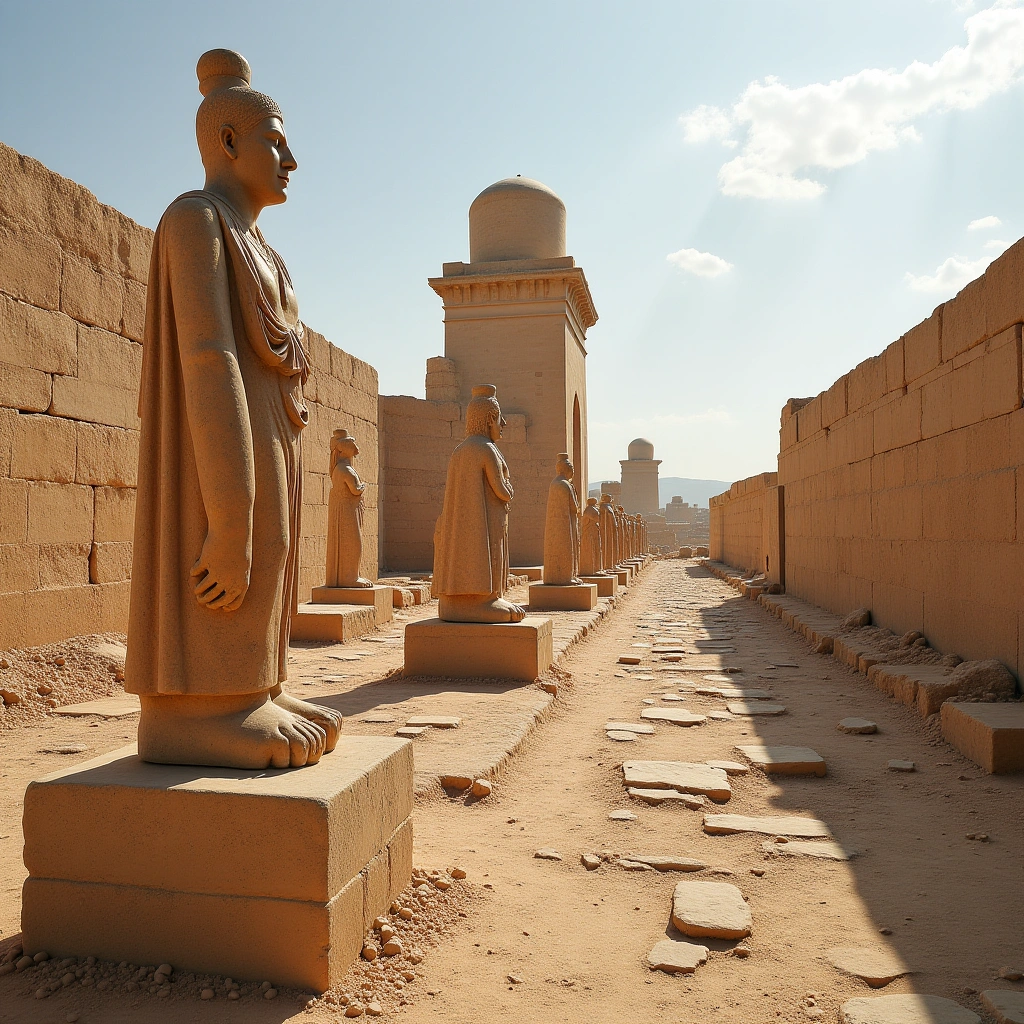
    Hey there, fellow history buffs and armchair archaeologists! Grab your shovels, because we’re about to dive into a ground-breaking discovery that’s making waves – or should I say, dirt clods – in the world of archaeology. Just when you thought your day was boring, some intrepid soul decided to unearth a statue in a Biblical city that has everyone buzzing. Yes, you heard that right! A statue! And not just any statue, but one that could have been hanging out with Moses and the gang!

    Picture this: you’re in a dusty old Biblical city, the kind where you can almost hear the whispers of ancient prophets. Then, out of nowhere, someone trips over what appears to be a rock. But wait! This isn’t just any rock; it’s a statue. Can you imagine the excitement? It’s like finding a hidden treasure, only this treasure is made of stone and probably has a better social life than we do.

    So, what’s the scoop on this statue? Archaeologists are still piecing together the details, but early reports suggest it could date back to the time when sandals were all the rage and people were more concerned about loaves and fishes than the latest TikTok trend. The statue is believed to represent some kind of deity or significant figure that was worshipped in the area. I mean, who wouldn’t want to pray to a stone figure that looks like it’s judging your life choices?

    But let’s get real for a second. Every time we dig something up, there’s a mix of excitement and skepticism. Some folks are already speculating that this could be a hoax or an elaborate prank by a group of bored historians. Imagine the scene: a bunch of archaeologists sipping coffee, and one of them says, “Hey, wouldn’t it be hilarious to plant a statue and watch the world go wild?” Cue the laughter and the hashtags.

    Now, let’s talk about the implications of this discovery. If this statue is indeed what it’s cracked up to be, it could shed light on the religious practices of the time. We might finally get some answers about what ancient folks were up to when they weren’t busy building pyramids or arguing about who had the best sandals. And honestly, who doesn’t want to know how many gods it took to make a good cup of coffee back in the day?

    In conclusion, whether you’re a die-hard archaeologist or just someone who enjoys a good story, this ancient statue is sure to stir the pot. So, keep your eyes peeled and your shovels ready; who knows what else might be lurking beneath the surface of our historic cities? Remember, the next big find could be as close as your backyard – so don’t be surprised if you dig up a relic from the 90s while looking for your cat’s missing toys!

    Stay tuned for more updates as we unravel the mysteries of the past, one stone statue at a time!


    Inspired by: “Ground-breaking dig unearths Ancient statue in Biblical city” (r/interestingasfuck)

  • Unleashing the Beats: VAN D’s ’85’ Album Made with Suno – A Musical Revolution

    Unleashing the Beats: VAN D’s ’85’ Album Made with Suno – A Musical Revolution

    Hey there, music lovers and curious cats alike! Buckle up, because we’re diving into the electrifying world of VAN D and his latest sonic adventure, ’85’, crafted with the help of AI technology from Suno. Yes, you heard that right! An album that’s not just a collection of songs, but a futuristic experience that could leave even your grandma bopping her head to the beat.

    Now, some of you might be thinking, ‘Wait, an album made with AI? Isn’t that like letting a robot take over the kitchen?’ Sure, it might sound a bit controversial, but hear me out! The collaboration between VAN D and Suno represents a paradigm shift in the music industry, where creativity meets cutting-edge technology. And trust me, this isn’t your typical elevator music!

    So, what can you expect from ’85’? Well, imagine a kaleidoscope of sounds, blending genres, and shattering the traditional boundaries of music. Each track is a journey, a rollercoaster of emotions, and perhaps a few unexpected twists that’ll have you questioning your life choices while you’re dancing around your living room. Don’t worry, I’ve been there too!

    VAN D, an artist who’s not afraid to push the envelope, has embraced the AI wave, and it’s paying off big time. The album is a testament to the power of collaboration—not just between artists, but between humans and machines. We’re talking about a creative process that’s as exhilarating as watching cats chase laser pointers. You just can’t look away!

    But what does this mean for the music industry? Are we on the brink of a robotic takeover where AI will compose the next Grammy-winning hits? Well, maybe, but let’s not throw a party just yet. While AI can generate catchy tunes and harmonies, it lacks the soul, the passion, and the, dare I say, the awkward dance moves we humans bring to the table. So, sit back, relax, and enjoy the ride, but don’t forget to support your favorite artists!

    In conclusion, VAN D’s ’85’ is not just an album; it’s a bold statement about the future of music, and a reminder that innovation can lead to some pretty epic results. So, crank up those speakers, give it a listen, and prepare to have your mind blown—just don’t blame me if you find yourself trying to recreate those sweet dance moves from the comfort of your sofa.

    Now, if you’ll excuse me, I need to go figure out how to convince my cat that I’m the next big DJ. Catch you on the flip side!


    Inspired by: “VAN D – ’85’ [Album Made with Suno]” (r/technology)

  • Unearthing History: 3,600 Ancient Tombs Discovered in Xianyang – A Construction Dilemma!

    Unearthing History: 3,600 Ancient Tombs Discovered in Xianyang – A Construction Dilemma!

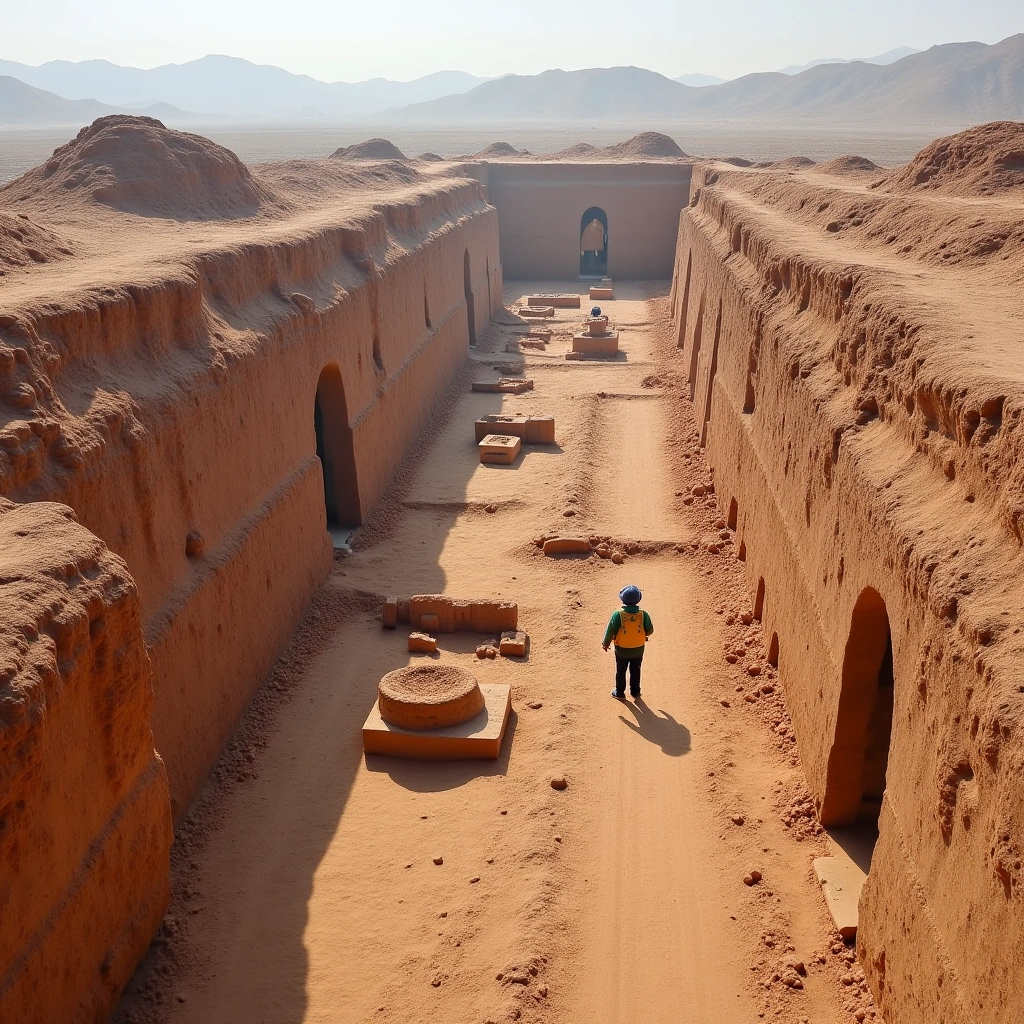
    Hey there, history buffs and construction enthusiasts! So, grab your shovels and hard hats because we’re digging deep into a juicy archaeological find that’s got everyone buzzing. Picture this: over 3,600 ancient tombs just chilling in the ground, from the days of the Warring States all the way to the Qing Dynasty. And guess what? They’re in the middle of the Weicheng District of Xianyang, Shaanxi province, right where they want to build the shiny new Xianyang International Airport.

    Now, before you start throwing your hands up in the air like you just don’t care, let’s get into the nitty-gritty of this incredible discovery. These tombs are not just piles of dirt and bones; they’re a treasure trove of history, spanning from 475 B.C. to 1911 A.D.. That’s like finding a time capsule that covers the rise and fall of empires, the invention of the wheel, and possibly even the first time someone said, ‘Hey, let’s build an airport here!’

    But here’s the kicker: archaeology meets construction, and it’s not going smoothly. Imagine being an archaeologist, knee-deep in ancient pottery, and your boss says, ‘Can we just pave over that and get the airport built by next Tuesday?’ Talk about a buzzkill!

    Now, you might be wondering, why is this such a big deal? Well, besides the fact that we might unearth the next great Chinese philosopher’s final resting place (and who wouldn’t want to find Confucius’ secret stash of wisdom?), there’s also the matter of cultural heritage. These tombs contain artifacts that can shed light on the daily lives, beliefs, and practices of people who lived centuries ago. And yes, they probably had more interesting hobbies than just building airports.

    So, what’s the plan? The local government is scrambling to balance the need for modern infrastructure with the preservation of historical sites. They’re probably having meetings that sound like a bad sitcom: ‘Okay, folks, how do we explain to the public that we might have to delay the airport because we found a 2,000-year-old vase that looks like it might belong in a museum?’ Cue the awkward silence.

    But let’s not forget the potential for tourism! Imagine landing at Xianyang International Airport and finding out that you just stepped on the very soil where ancient warriors once plotted their next move. You could be sipping your coffee, looking at a 2000-year-old burial mound, and thinking, ‘Wow, my latte has nothing on this!’

    In conclusion, while the excavation of these tombs may delay airport construction, it’s also a reminder of the layers of history beneath our feet. So, the next time you’re stuck in traffic on the way to the airport, just remember: it could be worse; you could be stuck in a time machine that’s digging up the past! Stay tuned for more updates as this story unfolds, because who knows? We might just unearth a few more skeletons (literally and figuratively) along the way!


    Inspired by: “Archaeologists excavated over 3,600 ancient tombs in the Weicheng District of Xianyang, Shaanxi pro…” (r/interestingasfuck)

  • Revolutionary Solar Desalination: Turning Sunlight into Fresh Water Without the Toxic Waste!

    Revolutionary Solar Desalination: Turning Sunlight into Fresh Water Without the Toxic Waste!

    Hey there, water warriors! So, you know how we treat our oceans like a giant swimming pool but forget to check the chemical balance? Well, here’s some exciting news that’ll make you want to dive right in – a new solar desalination breakthrough is making waves (pun intended) by producing fresh water without that nasty toxic brine that usually tags along. Can I get a hallelujah?

    First off, let’s talk about the elephant (or should I say whale?) in the room: desalination. It’s a fancy term for taking that salty sea water and turning it into something you can actually drink without immediately regretting your life choices. Traditionally, desalination has come with a side order of toxic brine, which is basically like the unwanted kid at the party – no one really wants it around, and it can cause some serious issues for marine life.

    But fear not, my thirsty friends! Thanks to some brilliant minds (probably fueled by caffeine and a passion for saving the planet), researchers have developed a new solar desalination technique that could change the game. Imagine a magical machine that harnesses the sun’s rays to create fresh water, all while leaving the salty remains behind without turning them into a toxic cocktail for our ocean friends.

    This breakthrough technology utilizes solar energy to power the desalination process. It’s like giving Mother Nature a high-five while sipping on a coconut water. The best part? This method doesn’t just reduce the amount of toxic brine produced; it also makes the process significantly cheaper and more accessible. That’s right, folks! Fresh water for all, without the salty hangover!

    Now, before you start planning your beachside cocktail parties with this newfound knowledge, let’s take a moment to appreciate the implications of this discovery. Fresh water scarcity is no joke! With climate change knocking on our door and population growth reaching new heights, the need for effective water solutions has never been more urgent. This technology could potentially provide a lifeline to arid regions and help balance the scales of water distribution around the globe.

    Of course, like all good things, there are challenges ahead. Implementation, scalability, and the general bureaucracy of getting these systems up and running can be as tricky as trying to explain TikTok to your grandparents. But hey, if we can put a man on the moon, surely we can figure out how to turn sunlight into drinkable water!

    So, what’s the takeaway here? This solar desalination breakthrough is not just a scientific marvel; it’s a step towards a more sustainable future. Just think about it: a world where every drop counts, and where our oceans can breathe a little easier. We could be on the brink of a water revolution, my friends! So, raise your glasses (filled with fresh water, of course) and toast to innovation, sustainability, and the hope of a future where no one has to fight over a bottle of water again.

    In conclusion, while we may still have a long way to go, this breakthrough serves as a reminder that with creativity, collaboration, and a dash of solar power, we can tackle some of the biggest challenges facing humanity. Now, who’s ready to save the world, one drop at a time?


    Inspired by: “New solar desalination breakthrough makes fresh water without toxic brine” (r/technology)

  • From Natural Philosophers to Scientists: How the 19th Century Revolutionized the World of Knowledge

    From Natural Philosophers to Scientists: How the 19th Century Revolutionized the World of Knowledge

    Hey there, fellow history buffs! Did you know that before the 1830s, the term “scientist” was as rare as a unicorn at a family reunion? Instead, we had the illustrious “natural philosophers,” a group of wealthy hobbyists who dabbled in the mysteries of the universe while sipping on their afternoon tea. Sounds like a party, right?

    Let’s take a little trip back in time. Imagine a bunch of gentlemen in powdered wigs, discussing gravity while trying to avoid their wives’ eye-rolling about their hobbies. These natural philosophers were more like the cool kids in the 18th-century nerd scene, but they were also kind of pretentious. They thought they could solve the world’s problems with a little bit of observation and a lot of coffee.

    Now, fast forward to 1810, when Germany decided to shake things up by inventing the modern research university. This wasn’t just any old university; it was the kind of place that turned science into a full-time gig, complete with a salary and a nice office with a view (okay, maybe not the view, but you get the idea). Suddenly, being a “natural philosopher” was less about sipping tea and more about getting down to business.

    With the dawn of these research universities, science became industrialized. Researchers went from being weekend warriors, dabbling in experiments between brunch and racquetball, to full-time professionals. They traded in their top hats for lab coats, and the results were nothing short of explosive. We saw the birth of modern science, complete with peer-reviewed journals, funding applications, and the ever-present threat of a caffeine addiction.

    The explosion of modern technology in the 19th century was a direct result of this transformation. While natural philosophers were busy contemplating the universe, the new breed of scientists was inventing the stuff that would power the Industrial Revolution. Think steam engines, telegraphs, and that charming little thing called electricity. Who knew that a bunch of nerds in Germany would set off a chain reaction that would lead to smartphones and TikTok? No pressure, right?

    But let’s not kid ourselves; this shift wasn’t all rainbows and butterflies. The professionalization of science brought with it a sense of elitism. Suddenly, you needed a fancy degree and a hefty dose of jargon to be taken seriously. The natural philosopher’s laid-back vibe was replaced with a pressure cooker environment, where the only thing brewing was competition. That delightful hobbyist spirit took a backseat to the race for grants and publications.

    So, what’s the takeaway from this historical rollercoaster? The next time you see a scientist in a lab coat, remember that they’re not just doing experiments; they’re part of a long lineage that traded in their tea for test tubes. And while the world of science is more professional than ever, there’s still a little bit of that natural philosopher spirit lurking around. After all, who doesn’t love a good experiment—especially when it involves a questionable amount of caffeine?

    Next time you’re sipping your morning coffee, give a nod to those early thinkers who laid the groundwork for the modern world. And maybe, just maybe, consider picking up a hobby that could change the world—because you never know when you might stumble upon the next great scientific breakthrough!


    Inspired by: “Before the 1830s, the word "scientist" didn’t exist; they were "natural philosophers" working as we…” (r/interestingasfuck)

  • Revolutionizing Bladder Cancer Detection: The Power of New Sensors

    Revolutionizing Bladder Cancer Detection: The Power of New Sensors

    Hey there, fellow cancer-fighters and tech enthusiasts! Grab your popcorn and settle in because today we’re diving into a groundbreaking development that could change the way we detect bladder cancer. Yes, you heard it right! A new sensor has entered the chat, and it’s here to make early detection a reality.

    Now, before you roll your eyes and say, “Oh great, another gadget that promises the moon but delivers a rock,” let’s consider the weight of this discovery. Early detection is like finding the last donut in the office break room before the rest of your coworkers do – it’s crucial! With bladder cancer, catching it early can make a world of difference in treatment options and outcomes.

    So, what’s the deal with this new sensor? Researchers have developed a nifty little device that can detect cancerous cells in the bladder much earlier than traditional methods. Imagine being able to spot the sneaky little cancer cells before they throw a full-blown party in your bladder. Sounds like a science fiction movie, right? But it’s very much a reality!

    Currently, bladder cancer is often diagnosed through cystoscopy, which is as pleasant as it sounds—like getting an unwanted guest crashing your party. This new sensor aims to provide a less invasive, more comfortable way to detect bladder cancer. It’s like upgrading from a flip phone to the latest smartphone. Who wouldn’t want that?

    But let’s not get ahead of ourselves. This sensor isn’t going to be the magical cure-all that some might hope for. It’s just a tool in the toolbox. We still need to rely on a solid medical team and, of course, regular check-ups. Remember, folks, even the best tools need a skilled hand to wield them!

    Now, let’s talk about the potential impact of this innovation. If we can detect bladder cancer earlier, we can save lives, reduce the emotional and financial burden on patients, and maybe even keep those awkward conversations about ‘the bathroom’ at bay. Can you imagine? Less time worrying about your health and more time binge-watching your favorite shows? Sign me up!

    Of course, some skeptics might raise an eyebrow and say, “Isn’t this just another gimmick?” To them, I say, let’s not dismiss the potential of technology. Remember how people thought the internet was a fad? Look at us now, glued to our screens, sharing cat videos and arguing about pineapple on pizza!

    In conclusion, this new sensor is like that friend who always shows up with snacks for movie night – you just can’t help but appreciate their presence. While it’s not the end-all solution, it’s a step in the right direction for early bladder cancer detection. So let’s celebrate this innovation and keep our fingers crossed for more breakthroughs in the future!

    Until next time, folks, stay healthy, stay informed, and for the love of all that’s holy, do not ignore those bathroom breaks!


    Inspired by: “A new sensor could enable earlier detection of bladder cancer” (r/technology)

  • Living Next to the Pyramids: The Surprising Daily View of Ancient Wonders

    Living Next to the Pyramids: The Surprising Daily View of Ancient Wonders

    Hey there, fellow travelers and curious minds! So, let’s talk about something that might just blow your mind: living next to the Pyramids of Giza. Yep, you heard me right! You might think they’re just sitting there in the middle of the desert, surrounded by tumbleweeds and the occasional rogue camel, but let me tell you, it’s a whole different ball game when you see them every day on your commute!

    Imagine this: you’re sipping your morning coffee, groggy-eyed and all, and then—bam!—you look out your window and there they are, those majestic, ancient structures towering over modern Cairo. It’s like having your own personal ancient Instagram filter, just minus the hashtags!

    Now, I can hear you asking, “But isn’t it just a bunch of dusty rocks?” To which I would say, “Sure, if you’re into that whole ‘not appreciating thousands of years of history’ vibe!” These pyramids are the OG skyscrapers—built when people still thought that ‘social media’ was just a fancy way of saying ‘gossiping around a campfire.’

    Living near the pyramids is like having front-row seats to the greatest show on Earth, except the show has been running for over 4,500 years! And let’s be honest, nothing says ‘I’m living my best life’ quite like casually driving by one of the Seven Wonders of the Ancient World on your way to work. Talk about a conversation starter!

    But let’s not sugarcoat it—there are downsides. For one, you might find yourself perpetually late to work because you stopped to take a million selfies with the pyramids in the background. Your boss will eventually get tired of your excuses, like, “Sorry, traffic was backed up by the Sphinx.” And good luck trying to explain to your friends back home that you can’t come to their boring rooftop parties because you’ve got a pyramid view!

    And let’s not forget about the tourists. Oh boy, the tourists! They’re everywhere, taking selfies with the pyramids, riding camels, and generally trying to recreate “The Mummy” without the charm of Brendan Fraser. If you ever want to feel like a local celebrity, just step outside your house and watch the tourists take snaps of you while you’re just trying to take out the trash. “Yes, yes, that’s me, the guy with the trash bags, living in the shadow of greatness!”

    But in the end, living next to the pyramids is an experience like no other. It’s a daily reminder that history is right there, at your doorstep, and it’s a chance to appreciate the incredible feats of human ingenuity and ambition. It’s like living in a history book where you’re not just the reader—you’re the main character!

    So, if you ever find yourself in Cairo, don’t just stand there in awe; take a moment to appreciate what it means to live next to such iconic landmarks. And if you’re like me, you’ll have to keep pinching yourself to believe you’re not just daydreaming while stuck in traffic on your way to work!


    Inspired by: “I live near the pyramids and I can see them like this every day it’s not in the middle of the deser…” (r/interestingasfuck)

  • Revolutionary Device Promises to Make Processors 1,000 Times Faster Without the Heat – What Does This Mean for Data Centers?

    Revolutionary Device Promises to Make Processors 1,000 Times Faster Without the Heat – What Does This Mean for Data Centers?

    Hey there, tech aficionados! Buckle up, because we’re about to dive into some seriously electrifying news that could change the game for data centers and, quite frankly, our entire digital existence. Imagine a device that could make processors run 1,000 times faster while keeping the heat levels as cool as a cucumber. Sounds like something out of a sci-fi movie, right? Well, according to recent reports from our lab coat-wearing friends in the scientific community, this isn’t just a pipedream!

    The magic of this new device lies in its ability to enhance processing speeds without adding to the usual waste heat that makes data centers sweat like they just ran a marathon. You know how your laptop gets that uncomfortable warmth when you’re trying to multitask by streaming cat videos and editing your resume? Well, this device could put an end to that little problem. Say goodbye to overheating equipment and hello to energy-efficient processing!

    Now, let’s talk numbers. We’re not just talking about a slight speed increase here. We’re talking about a whopping 1,000 times faster processing power! That’s like upgrading from a rusty old bicycle to a rocket ship. Data centers, the bustling hubs of the internet, could significantly reduce their energy demands. This is fantastic news for the environment, not to mention your electricity bill! Who wouldn’t want to save a few bucks while making the planet a bit greener?

    But before we start planning our celebratory parties, let’s take a moment to consider the implications of such a breakthrough. On one hand, faster processors mean more efficient cloud services, quicker data processing, and a smoother online experience for all you meme enthusiasts out there. On the other hand, this could lead to a surge in demand for even more data center operations. It’s a classic case of “you give a mouse a cookie.” Once we get a taste of this speed, what’s to stop us from wanting even more?

    Additionally, we must contemplate the potential for increased e-waste. If companies start upgrading their hardware to take advantage of this tech, we might see a spike in old equipment being tossed out like last year’s Halloween candy. This could create more waste, countering the environmental benefits the new device promises.

    So, what’s the takeaway, my friends? This new device is undoubtedly a game-changer, but it’s important to approach it with a balanced perspective. Sure, it could make our processors faster than a cheetah on roller skates, but let’s also consider the long-term effects on our beloved planet. If we can harness this technology responsibly, we could be looking at a future where our digital lives are efficient, green, and incredibly fast.

    In conclusion, let’s keep an eye on this development. Who knows, we might just be on the brink of a tech revolution that’ll make our lives easier while also saving the environment. And if that’s not a reason to raise a glass of your favorite beverage, I don’t know what is. Cheers to the future of tech!


    Inspired by: “New device could make processors run 1,000 times faster without additional waste heat — scientists…” (r/technology)

  • The Nvidia Revolution: First Windows PCs with Nvidia Chips Launch Next Week!

    The Nvidia Revolution: First Windows PCs with Nvidia Chips Launch Next Week!

    Hey there, tech enthusiasts! Buckle up because we’re about to dive into a thrilling conversation about something that’s about to shake up the PC gaming world—yes, the first Windows PCs powered by Nvidia chips are making their grand entrance next week! And honestly, it’s about time, right?

    Now, before you roll your eyes and think, ‘Oh great, another tech launch,’ let me assure you that this is different. Nvidia has been the kingpin in the graphics card game, and now they’re taking that power and slapping it right onto Windows PCs like a chef tossing a pizza. This means we’re talking about some serious graphical prowess coming your way!

    Imagine playing the latest AAA games with settings cranked to the max, and you’re not even breaking a sweat. The Nvidia chips are designed not just for performance but also for efficiency. You could practically run your PC while roasting marshmallows on the side—okay, maybe not, but you get the point!

    But hold your horses! Before you start daydreaming about your gaming rig, let’s unpack what this means for the average user. You might be wondering, “Will this be a game-changer or just another shiny toy to throw my money at?” Well, my friend, that’s a loaded question! The introduction of Nvidia chips into the mainstream PC market could set off a domino effect. Think about it: if Nvidia can successfully integrate their technology into PCs, it might just push competitors like AMD into a frenzy, leading to better products across the board. Yes, please!

    Now, let’s talk pricing. You know how it goes in the tech world—new shiny toys usually come with a hefty price tag. If you’re already thinking about selling a kidney to afford one, hold up! While the initial launch might burn a hole in your wallet, the long-term benefits of having a powerhouse under the hood could justify the expense. Plus, who wants to be the one left behind playing Minecraft on a potato? Not you, my friend!

    And let’s not forget about the casual users! You might think, “I don’t game, so why should I care?” Well, if you enjoy video streaming, video editing, or even just multitasking with 47 tabs open in Chrome (we see you), these new Nvidia-powered PCs will make everything smoother than a freshly buttered biscuit.

    So, what’s the takeaway from all this? Keep an eye out next week! Whether you’re a hardcore gamer, a casual user, or someone who just wants to look cool with a fancy new machine, the debut of these Nvidia chips in Windows PCs might just be the beginning of a tech revolution. And who knows, we might even see some crazy innovations we never thought possible!

    In conclusion, as we eagerly await the unveiling of these machines, one thing’s for sure: the future of computing looks brighter than a supernova. So, get your popcorn ready, because this is going to be one exciting show!


    Inspired by: “First Windows PCs powered by Nvidia chips to debut next week” (r/technology)