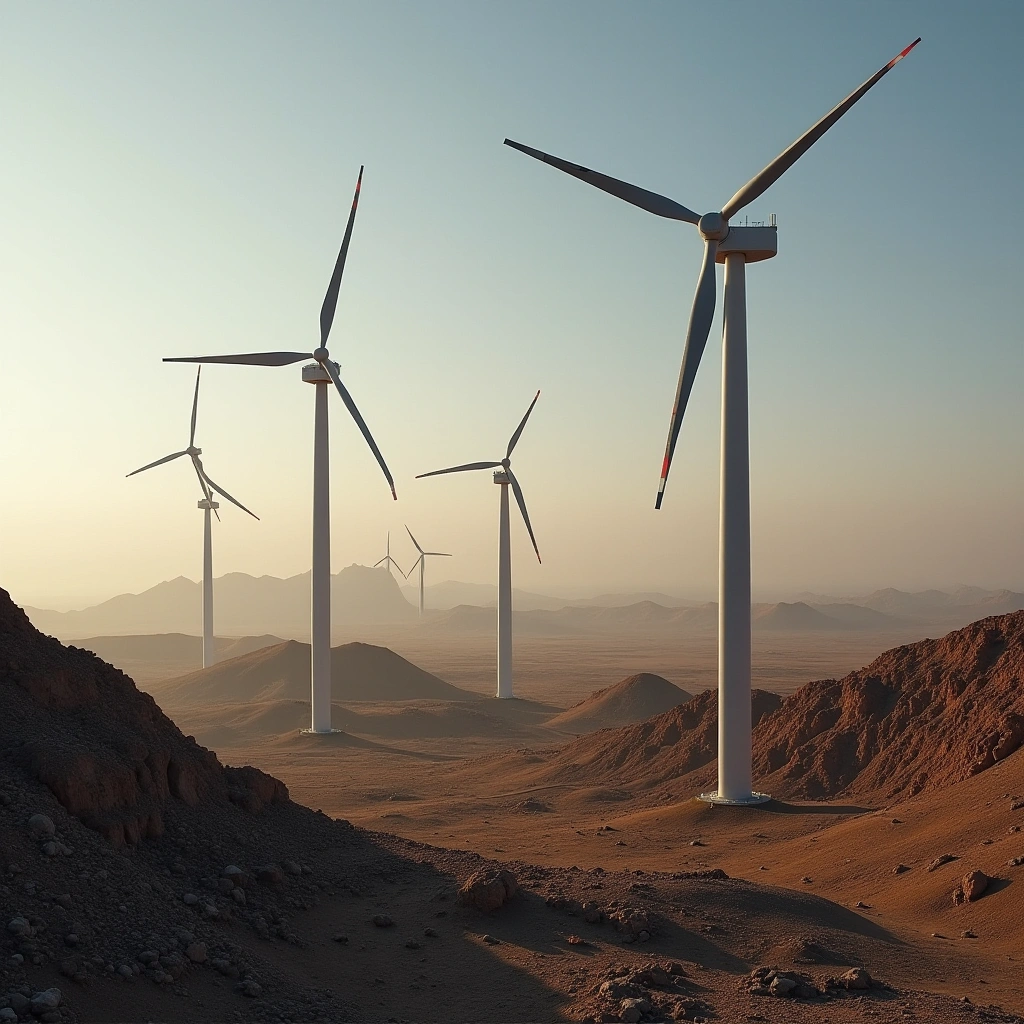
So, here we are, folks. The world is still buzzing about the Iran war and its ripple effects on global politics, economy, and—surprise, surprise—energy sources. While wars are rarely associated with anything positive (unless you’re a weapons manufacturer), it turns out that some countries are using the chaos as a catalyst to pivot away from oil and embrace clean energy. Talk about turning lemons into lemonade!
Almost as soon as the war in Iran began — with U.S. missiles hitting an elementary school in Minab, Iran striking L.N.G. facilities across the Gulf, and Israel targeting Iranian fossil fuel infrastructure and blanketing Tehran in toxic black clouds …
Let’s face it: the reliance on oil has been a bit like that clingy ex who just won’t take a hint. Countries have been trying to break free from fossil fuels for years, but the oil industry has had a stranglehold on economies and energy policies. Enter the Iran war, which has sent shockwaves through the oil market and made nations reconsider their options. Why? Because when the price of oil skyrockets or supplies are threatened, it’s a wake-up call—like that time you realized your favorite snack was actually a day past its expiration date.
Countries that once relied heavily on oil imports are now looking at clean energy solutions with a newfound urgency. They’re thinking, “Hey, maybe we should invest in solar, wind, and other renewables instead of waiting for the next geopolitical crisis to hit us like a ton of bricks.” It’s almost like they’ve discovered that renewable energy is not just a hippie dream but a viable alternative. Who knew?
For instance, nations in Europe, particularly those that were heavily dependent on Middle Eastern oil, are scrambling to diversify their energy sources. They’re pouring money into clean energy technologies faster than you can say “renewable resources.” Germany, for example, has been a leader in this transition, with its ambitious Energiewende initiative aimed at moving away from fossil fuels. It’s as if they’ve decided that they’d rather have solar panels on their roofs than risk getting caught in another oil embargo.
Then there’s the U.S., where the conversation around energy independence has taken a new turn. With soaring gas prices and political instability overseas, many states are doubling down on clean energy initiatives. Yes, the U.S. is still very much in the oil game, but there’s a noticeable shift towards wind and solar energy. It’s like watching a toddler finally learn to use the potty—there’s a lot of mess along the way, but progress is being made!
Of course, it’s not all sunshine and rainbows. Transitioning to clean energy is no small feat. It requires investment, infrastructure, and a willingness to embrace change—things that can be as elusive as finding a parking spot at a crowded mall during the holidays. But with the Iran war acting as a catalyst, many countries are realizing that the longer they stick with oil, the more vulnerable they become. It’s a bit of a no-brainer, really.
In conclusion, while the Iran war has undoubtedly caused turmoil, it’s also nudging countries toward a more sustainable energy future. It’s like a tough love intervention for the world’s energy habits. So, here’s to hoping that this crisis leads to a greener, cleaner planet. Because if we can’t learn from conflict, what’s the point? Let’s raise our glasses (preferably filled with something non-oil-related) to the future of clean energy!
Inspired by: “The Iran war has pushed some countries away from oil and toward clean energy” (r/technology)