Category: Health

  • FTC vs. Hims & Hers: A Cautionary Tale About Your Health Data

    FTC vs. Hims & Hers: A Cautionary Tale About Your Health Data

    In the latest episode of ‘What Were They Thinking?’, the Federal Trade Commission (FTC) has decided to take Hims & Hers to court. Spoiler alert: it’s not about their questionable branding choices. The FTC is suing the telehealth company for allegedly sending user health information to social media giants Meta and Snap. Yes, you heard that right! Your sensitive health data might just be on the same servers as your friend’s latest cat meme.

    Complaint alleges telehealth provider shared consumers’ sensitive health information with third-party advertising platforms despite promising patient privacy … The Federal Trade Commission, joined by Utah and California, by and through Los Angeles County Counsel, today sued Hims & Hers alleging that the telehealth provider shared consumers’ sensitive health information about medical conditions with third-party advertising platforms despite claiming its services maintain consumers’ privacy and deceives users about its billing and cancellation practices.

    For those who might be unfamiliar, Hims & Hers is a company that offers a range of health services, from hair loss treatments to sexual health solutions. It’s like your well-meaning friend who suggests you try a new health fad, except this friend has a shady side hustle with big tech companies.

    Now, you might be wondering, how did we get here? Well, the FTC claims that Hims & Hers didn’t just slip up once or twice. They allegedly mishandled user data in a way that would make even the most seasoned privacy advocate clutch their pearls. Apparently, when users signed up for these health services, they thought they were simply getting medical advice, not unwittingly signing up for a data-sharing program with the likes of Facebook and Snapchat. Imagine logging in to consult about hair loss, and instead of privacy, you get a targeted ad for a wig.

    The crux of the lawsuit is about consent—something that seems to be lost in translation in the digital age. The FTC argues that Hims & Hers did not adequately inform users that their health data could be shared with these social media platforms. It’s like going to a restaurant, ordering a salad, and finding out they also charged you for the entire kitchen staff’s lunch. Not cool, right?

    In a world where privacy is becoming an increasingly rare commodity, this case raises some serious questions about how companies handle sensitive information. Are we just too trusting when we click ‘I agree’ on those lengthy terms and conditions? Or are companies so desperate for data that they forget about the people behind the clicks?

    Hims & Hers has publicly stated that they are committed to user privacy and are defending themselves against these allegations. They might want to start by hiring a lawyer who specializes in data protection, because the stakes are high. If they lose, we could see a precedent set that holds companies accountable for how they manage our health information.

    This case is a reminder that we need to be vigilant about our data, especially when it comes to our health. So, the next time you’re tempted to order that miracle cure online, just remember: your health data might not be as private as you thought.

    In conclusion, as we sit back and watch this unfold, let’s hope that Hims & Hers takes this opportunity to rethink their data-sharing practices. Because if they don’t, they might just find themselves in a world of hurt—one that not even the best hair restoration treatment can fix.


    Inspired by: “FTC sues Hims & Hers for sending user health info to Meta, Snap” (r/technology)

  • What Public Health Professionals Can Learn from Anti-Vaccine Storytelling

    What Public Health Professionals Can Learn from Anti-Vaccine Storytelling

    Let’s face it: the world of public health can sometimes feel like a never-ending game of Whac-A-Mole. Just when you think you’ve got one issue under control, another one pops up, often fueled by misinformation and emotional storytelling. One of the most persistent challenges in this arena is the anti-vaccine movement, which has mastered the art of storytelling in a way that many public health professionals could learn from. So, grab your popcorn and let’s dive into what these narratives can teach us.

    Some researchers studying public health and communication have started to embrace strategies that engage with literary features, such as symbolism, to address vaccine hesitancy. This includes both identifying the specific storytelling techniques at play to make them less persuasive and acknowledging the perspective, critiques and experiences of vaccine-hesitant people to create a more respectful environment. Understanding the narratives and learning from the valid critiques that draw people into feeling hesitant about vaccines offers a more nuanced way to understand these views – and may open the way for a more inclusive and respectful approach to healthcare.

    The Power of Storytelling

    First off, we need to acknowledge the undeniable power of storytelling. It’s how humans have communicated since the dawn of time. Stories create connections, evoke emotions, and can even shape our beliefs. Anti-vaccine advocates have harnessed this power to weave narratives that resonate with many people. They often share personal stories of vaccine-related injuries, which can be compelling and provoke strong emotions. It’s like watching a soap opera, but with more drama and less chance of a happy ending.

    Emotional Engagement is Key

    Public health messaging often leans heavily on statistics and facts. Don’t get me wrong, data is important. But let’s be real: how many of us have been moved to action by a pie chart? Exactly. Anti-vaccine narratives are rich in personal experiences that tug at heartstrings. Public health professionals should consider integrating more emotional appeal into their messaging. Tell stories of families who have benefited from vaccinations, or highlight the triumphs of communities that have successfully fought against diseases. It’s all about making that emotional connection—after all, who doesn’t love a good story?

    The Importance of Trust

    Trust is a cornerstone of effective communication in public health. Unfortunately, many people have lost trust in health institutions, often due to past mistakes or perceived dismissals of their concerns. Anti-vaccine advocates often position themselves as the ‘little guy’ fighting against a big, uncaring system. Public health professionals need to work on rebuilding trust by actively listening to concerns and addressing them with empathy. Remember, it’s not just about slapping a fact sheet on the table and declaring victory; it’s about engaging in a conversation.

    Community Engagement

    The anti-vaccine movement has done an impressive job of building community. Whether it’s through social media groups or local meet-ups, they create a sense of belonging among their followers. Public health professionals can learn a thing or two from this approach. By fostering community engagement and encouraging discussions around vaccines, they can create a supportive environment where people feel comfortable asking questions and sharing their thoughts. Plus, who doesn’t love a good potluck?

    Counter-Narratives

    Let’s not forget that anti-vaccine stories often thrive on fear and misinformation. While it’s essential to counter these narratives with facts, it’s equally important to frame these facts in a way that is relatable and digestible. Instead of just stating that vaccines are safe and effective, public health messages can include relatable anecdotes or analogies that help demystify the science behind vaccines. Think of it like explaining how a microwave works: it’s all about making it sound less intimidating and more like a kitchen miracle.

    Conclusion

    In the battle against misinformation, public health professionals can take a page out of the anti-vaccine playbook. By embracing the art of storytelling, emotional engagement, trust-building, community involvement, and relatable messaging, they can more effectively communicate the importance of vaccinations. So, the next time you’re crafting a public health message, remember: it’s not just about the facts; it’s about how you tell the story. And who knows? You might just turn the tide in the ongoing struggle for public health awareness. Now, if only we could get everyone to agree on pineapple on pizza, we’d really be making progress.


    Inspired by: “What public health professionals can learn from anti-vaccine storytelling” (r/technology)

  • The Perils of AI-Generated Doctors: Why You Shouldn’t Trust Your Health to a Chatbot

    The Perils of AI-Generated Doctors: Why You Shouldn’t Trust Your Health to a Chatbot

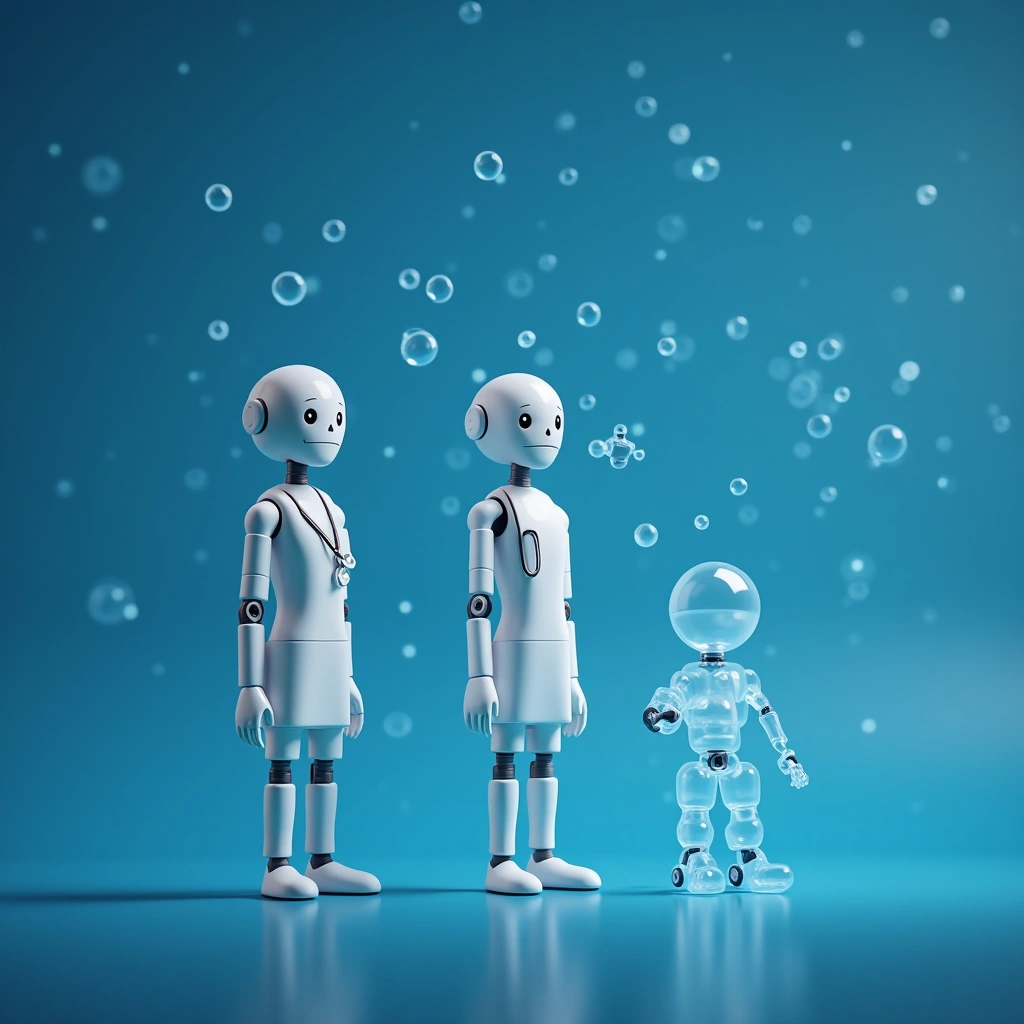
    In an age where technology is rapidly advancing, we often find ourselves at the mercy of the latest shiny gadget or app promising to revolutionize our lives. One of the newest contenders in this arena is the AI-generated doctor. Yes, you heard me right! We’re talking about algorithms masquerading as medical professionals. While the idea of having a doctor available at the click of a button sounds appealing—especially when you’re too lazy to change out of your pajamas for a check-up—there’s a significant catch: these digital healers might be more of a danger than a solution.

    AI chatbots carry documented health information risks. A 2026 BMJ Open audit of five chatbots found 49.6% of 250 health responses were problematic; 19.6% were highly problematic or potentially harmful. Average reference completeness was only 40%, and a 2023 JMIR study found only 32% of AI-generated citations fully accurate, with nearly half partly fabricated. Chatbots pattern-match rather than reason clinically and rarely express uncertainty. Safe use rules: never rely on a chatbot to decide if a symptom needs emergency care; confirm diagnoses or drug decisions with a licensed clinician. A lic

    Let’s face it, we all love the convenience of technology. Who wouldn’t want a doctor that’s available 24/7, doesn’t judge your diet choices, and won’t roll their eyes at your Google search history? But here’s the kicker: AI-generated doctors are not real doctors. They’re essentially glorified calculators that can spit out medical advice based on data but lack the human touch—or a brain, for that matter.

    Now, let’s dive into the meat of the matter. The primary concern with AI-generated healthcare is the potential for misleading information. Imagine this: you’re feeling under the weather and decide to consult your friendly neighborhood AI doctor. You input your symptoms, and instead of getting solid advice, you’re told to drink a gallon of pickle juice and do the chicken dance. Okay, maybe not that extreme, but you get the point. These bots can misinterpret symptoms or fail to account for individual health nuances, leading to potentially harmful advice.

    But that’s not all! Misleading information can lead to a domino effect of poor health decisions. Picture a scenario where someone relies on an AI doctor’s diagnosis and skips a necessary visit to a real physician. That’s a recipe for disaster. And let’s not forget the fact that these AI systems can also be manipulated or trained on biased data, which means the advice they give could be skewed or even dangerous.

    There’s also the issue of accountability. When you go to a human doctor and they mess up, you can at least yell at them and potentially sue for malpractice. What are you going to do? Send an angry email to a chatbot? Good luck with that! The lack of accountability in AI-generated healthcare could leave patients in a lurch when things go wrong.

    Now, I know some of you might be thinking, “But AI can analyze data faster than any human ever could!” Sure, it can, and I’m all for leveraging technology to improve healthcare. But let’s not throw the stethoscope out with the bathwater. There’s a reason why doctors spend years in medical school and undergo rigorous training. They’re not just memorizing symptoms; they’re learning to think critically, make nuanced decisions, and, yes, even show empathy.

    So, what’s the solution? While it might be tempting to rely solely on AI-generated doctors for our health needs, it’s crucial to remember that they should complement, not replace, traditional healthcare. Think of them as your overly enthusiastic assistant who sometimes gets things hilariously wrong. Use them for general information, but always consult a real-life doctor for serious health concerns.

    In conclusion, while AI-generated doctors may seem like a futuristic dream, they come with a host of potential dangers that we can’t afford to ignore. So, the next time you consider asking a chatbot for health advice, just remember: it’s great for trivia but not so great when it comes to your well-being. Stick with your human doctors, and save the AI for ordering pizza or binge-watching your favorite shows—trust me, that’s a much safer bet!


    Inspired by: “Misleading AI-generated doctors pose ‘huge danger to public safety’” (r/technology)

  • The Great Vaccine Debate: RFK Jr’s Team and the CDC Website Update

    The Great Vaccine Debate: RFK Jr’s Team and the CDC Website Update

    Ah, the age-old debate of vaccines and autism. It seems like every few years, someone tries to reignite this discussion, and this time, it’s none other than Robert F. Kennedy Jr. and his team. Recently, they made a little update to the CDC website, adjusting the language around the contentious claim that vaccines might cause autism. Now, before you start rolling your eyes and thinking, “Here we go again,” let’s unpack what actually transpired.

    The Centers for Disease Control … website, the revision was made pursuant to the Data Quality Act, a federal statute requiring government agencies to ensure the objectivity and integrity of information provided to the public…

    First off, let’s address the elephant in the room: the CDC website is a reputable source that has, for years, maintained a solid stance on vaccines. They’ve done their homework, folks. But RFK Jr.’s team has quietly added a note suggesting that science doesn’t definitively rule out the possibility of vaccines causing autism. This is a bit like saying that while the sky is generally blue, there’s a remote chance it could be purple—thanks for that, but we’re still going to go with blue.

    Now, it’s important to note that this isn’t a new theory. The vaccine-autism link has been debunked more times than I can count. In fact, the original study that sparked this debate was retracted, and its author lost his medical license. Yet, here we are, still discussing it as if it were a plot twist in a bad soap opera.

    So, why would RFK Jr.’s team make such a change? Well, it’s likely a strategic move to keep the conversation alive. After all, if there’s anything that gets people talking (and clicking), it’s a hot-button issue like vaccines. And let’s be real, nothing grabs attention like a good old-fashioned conspiracy theory.

    Now, if you’re wondering how this affects the actual science surrounding vaccines, let me reassure you: it doesn’t. The overwhelming consensus among medical professionals and researchers is that vaccines are safe and effective. They save lives, prevent diseases, and, let’s face it, allow us to enjoy a world free from measles outbreaks.

    But what about the parents who are still on the fence? The ones who are reading these updates and thinking, “Maybe there’s something to this?” Well, it’s crucial to encourage them to seek information from credible sources. Social media and sensational headlines can be misleading, and it’s essential to navigate this landscape with a critical eye. In a world where misinformation spreads faster than a cat video, we need to arm ourselves with facts.

    In conclusion, while RFK Jr.’s team may have stirred the pot with their website update, the scientific community remains steadfast in its position. Vaccines don’t cause autism, and they’re one of the best public health achievements of our time. So, the next time someone brings up this topic at a party, feel free to channel your inner science nerd and drop some knowledge bombs. Trust me, it’ll be way more entertaining than discussing the latest Netflix series. And who knows? You might just convince someone to get their flu shot. Now that’s a win-win!


    Inspired by: “RFK Jr’s team quietly updates CDC website to say science doesn’t know if vaccines cause autism” (r/technology)

  • Unlocking the Fountain of Youth: The Role of Acid Ceramidase in Healthy Aging

    Unlocking the Fountain of Youth: The Role of Acid Ceramidase in Healthy Aging

    Ah, healthy aging—the elusive goal that many of us aspire to, yet few seem to achieve. It’s like trying to find the perfect avocado: you either end up with something too hard to slice or a mushy mess that smells like regret. But what if I told you that there’s a potential hero in this aging saga? Enter acid ceramidase, a little enzyme that might just hold the key to longevity and a healthier old age.

    Iron and Glutathione Independent: Removing acid ceramidase protects both young and senescent cells from ferroptosis through lipid metabolism modulation, operating completely independently of classic iron or glutathione antioxidant pathways.

    So, what is this acid ceramidase, you ask? Well, it’s an enzyme that helps break down ceramides, which are waxy lipid molecules found in the skin and other tissues. Think of ceramides as the protective barrier that keeps our skin hydrated and healthy, much like the layer of sunscreen you forgot to apply on that beach trip. As we age, our bodies become less efficient at breaking down these ceramides, leading to a plethora of skin issues and, potentially, other age-related ailments.

    Recent studies suggest that targeting acid ceramidase could improve our overall health as we age. Researchers propose that enhancing the activity of this enzyme may help reduce the levels of ceramides in our bodies, which could, in turn, lead to healthier skin, better metabolic function, and even improved cardiovascular health. It’s like giving your body a much-needed tune-up, but without the awkward conversations with your mechanic.

    But before you rush off to your local pharmacy to stock up on acid ceramidase supplements (which, spoiler alert, don’t exist yet), let’s take a moment to understand why this is exciting news. The idea of extending our lifespan while maintaining our health sounds like something straight out of a science fiction movie. I mean, who wouldn’t want to be that sprightly 90-year-old doing yoga at the senior center while the rest of us are trying to remember where we put our glasses?

    Now, let’s not get ahead of ourselves. While the research is promising, we’re still in the early stages of understanding how exactly we can manipulate acid ceramidase for the best results. It’s not like we can just sprinkle some magic dust on our skin and expect to wake up looking like we just walked off a vitamin-infused runway. Science takes time, and as much as we’d like to fast forward to the part where we all have flawless skin and boundless energy, patience is key (cue the groans).

    In the meantime, there are a few things we can do to support healthy aging. Eating a balanced diet rich in antioxidants, staying hydrated, and, yes, applying sunscreen (even if it feels like a chore) can help keep our skin and bodies in tip-top shape. Plus, regular exercise is a must. I mean, we might not all be able to do a handstand at 70, but we can at least aim to walk without getting winded.

    So, while we wait for the science to catch up with our dreams of eternal youth, let’s keep an eye on acid ceramidase and its potential role in the future of healthy aging. Who knows? In a few years, we might be toasting with our kale smoothies, celebrating our longevity while looking fabulous. Cheers to that! And remember, if anyone asks, you’re not just aging gracefully; you’re aging scientifically.

    So, what do you think? Is acid ceramidase the next big thing in healthy aging, or is it just another passing fad? Let’s discuss in the comments below!


    Inspired by: “Targeting acid ceramidase could improve healthy aging and longevity” (r/technology)

  • When Your Fitness Tracker Knows You Better Than You Do: The Pregnancy Revelation

    When Your Fitness Tracker Knows You Better Than You Do: The Pregnancy Revelation

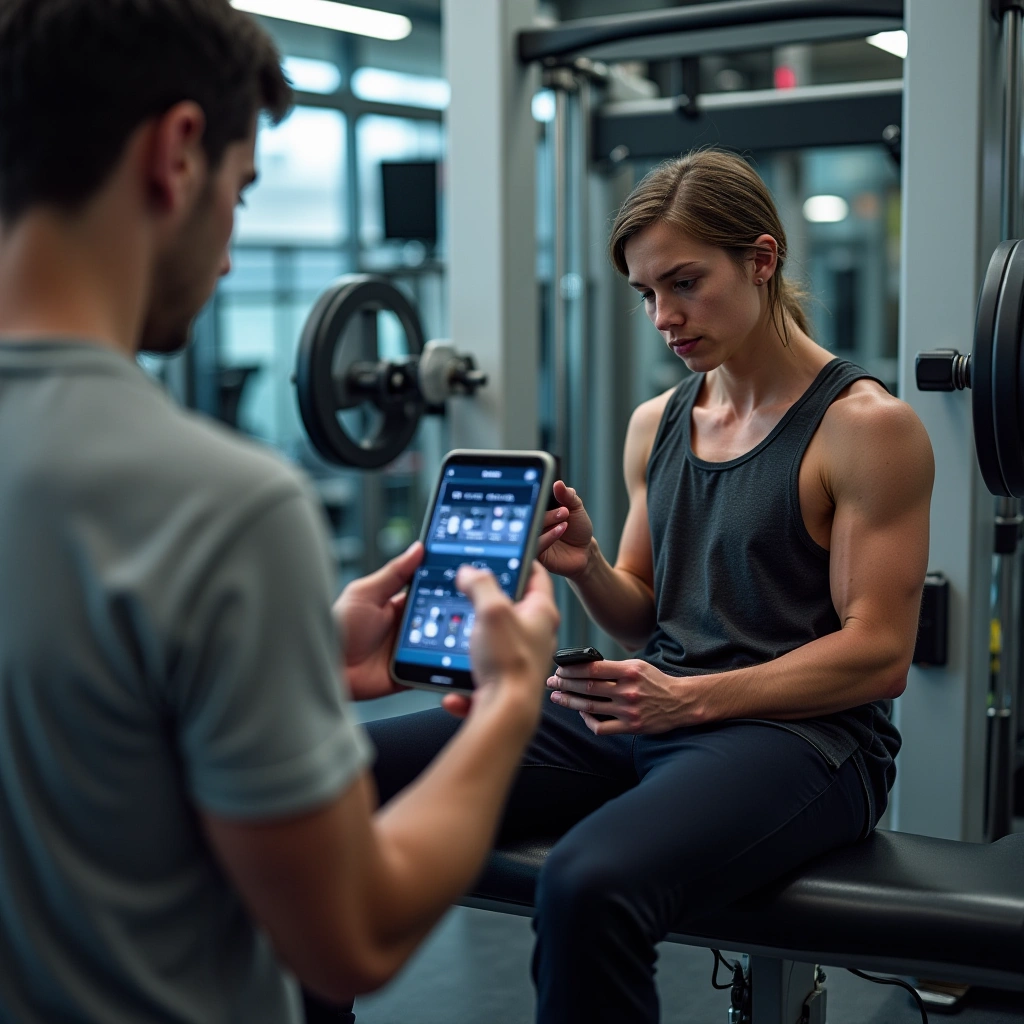
    So, here’s a story that’ll make you reconsider your relationship with technology. Imagine this: you’re going about your daily life, tracking your steps, monitoring your heart rate, and trying to convince yourself that those extra fries don’t count because you walked 10,000 steps that day. Then, out of nowhere, your trusty fitness tracker drops a bombshell on you: you’re pregnant. Yes, you read that right. Your wrist gadget has become the ultimate psychic, predicting your life changes before you even have a clue.

    Ravika is one of hundreds of women who are noticing early pregnancy signs through the data on their fitness trackers.

    Let’s unpack this. Fitness trackers are designed to monitor your physical activity, sleep patterns, and even your heart rate. But apparently, they’ve also developed a knack for detecting life-altering events. In this case, our protagonist, user JohnHammond94, found out about his impending parenthood not from a pregnancy test, but from a notification on his wrist. Talk about being outsmarted by a piece of technology!

    Now, how does this even happen? Well, fitness trackers collect a wealth of data about your body’s rhythms and changes. They track your heart rate variability, sleep cycles, and even your activity levels. If you suddenly notice a spike in your heart rate or a drop in your sleep quality, your little gadget might just be picking up on something more than just your Netflix binge-watching habits. It’s like having a personal assistant who knows you so well that they can predict your next life move. Except, you know, it’s not a person, and it doesn’t need coffee breaks.

    But let’s be honest for a second: isn’t it a little unsettling that a gadget on your wrist can figure out something as monumental as a pregnancy before you do? It’s like your fitness tracker is a nosy friend who’s always in your business, ready to spill the tea on your life choices. “Hey, I noticed your heart rate is unusually high and your sleep is nonexistent. Have you considered that you might be expecting?” Thanks, but I’d prefer if my friends and family were the ones to break the news, not a glorified pedometer.

    And yet, there’s something fascinating about this. It’s almost like we’re living in the future where technology not only tracks our fitness but also our health and well-being in a holistic way. Maybe this is just the beginning. Who knows? Soon, we might have trackers that can predict when we’re about to eat an entire pizza by ourselves or when we’re about to engage in a three-hour ‘just one more episode’ Netflix session.

    In conclusion, while it may be amusing to think about a fitness tracker predicting pregnancies, it also serves as a reminder of how much we rely on technology to guide us through life. So, the next time your tracker sends you an alert, take a moment to appreciate that it might just know you better than you know yourself. Just don’t let it break the news about any major life events, okay? That’s still a conversation best had face-to-face, preferably over coffee or a slice of pizza—because let’s be real, you deserve a reward for surviving the pregnancy revelation, whether it comes from a device or a loved one.


    Inspired by: “My fitness tracker knew I was pregnant before I did” (r/technology)

  • When Your Fitness App Is a Spy: The Surprising Truth About Military Apps

    When Your Fitness App Is a Spy: The Surprising Truth About Military Apps

    In a world where our smartphones have become our best friends (sorry, humans!), it’s hard to believe that some of the apps we trust could be giving a little too much insight into our lives—especially for those in the military. A recent analysis has revealed that over one in eight apps marketed specifically to US troops contain foreign code, and not just any foreign code, but code from countries that the Pentagon has labeled as adversaries. Yes, you heard that right; your fitness tracker could be more of a spy than a workout buddy.

    Strava suggests military users 'opt out' of heatmap as row deepens … The map, released in November 2017, shows every single activity ever uploaded to Strava – more than 3 trillion individual GPS data points, according to the company.

    Now, before we dive deeper, let’s take a moment to appreciate the irony. Here we have brave men and women, risking their lives for freedom, while their apps might be selling them out to foreign governments. It’s like sending a secret agent into a party with a brightly colored shirt and a name tag that reads “I’m Here to Spy!” It’s not exactly stealthy.

    The analysis in question is a first-of-its-kind look into the apps designed for service members. While many of these apps promise to help troops with everything from fitness tracking to mental health support, they may also be opening the door to some not-so-friendly digital visitors. The presence of Chinese and Russian code in these applications raises serious concerns about data security and privacy. After all, we wouldn’t want our workout stats to end up in the hands of someone who might use them to plan a stealthy invasion—or worse, a bad gym meme.

    So, how did we get here? Well, the apps were likely developed by companies that, at some point, decided to outsource parts of their coding to foreign firms. And while outsourcing can sometimes lead to cost savings and quicker development times, it can also lead to unexpected consequences. Just think about it: one minute you’re tracking your squats, and the next, you’re inadvertently providing intel on troop movements. Not the kind of fitness goal anyone wants to achieve!

    The implications of this are significant. For military personnel, the risk of sensitive data being compromised is a serious issue. Imagine a scenario where a fitness app logs your location during a run, and that information is accessed by someone who shouldn’t have it. It’s not just about privacy; it’s about national security.

    Now, you might be wondering, “What can we do about it?” First off, if you’re a troop using these apps, it might be time for a good old-fashioned app audit. Check the permissions and look into the companies behind your favorite apps. If you see a name that sounds like it could be a villain in a spy movie, it might be worth reconsidering your downloads.

    For developers and tech companies, this is a wake-up call. It’s essential to ensure that your coding practices are transparent and secure, especially when dealing with sensitive populations like the military. No one wants to be the company that inadvertently helped a foreign adversary while trying to help soldiers get fit.

    In conclusion, while technology continues to advance and make our lives easier (and sometimes more complicated), it’s crucial to remain vigilant about what we download. The last thing we need is for our beloved apps to become the unwitting accomplices in a geopolitical game of chess. So, the next time you’re about to hit download on that fitness app, just remember: sometimes it’s better to stick to good old-fashioned pen and paper—unless, of course, you’re okay with your workout routine being a potential state secret.

    Stay safe, stay informed, and maybe do a few extra squats just in case!


    Inspired by: “Apps Marketed to US Troops Are Shipping Chinese and Russian Code | A first-of-its-kind analysis fou…” (r/technology)

  • When Hospitals Get It Wrong: The Wild Tale of Two Men Switched at Birth

    When Hospitals Get It Wrong: The Wild Tale of Two Men Switched at Birth

    Imagine waking up one day and finding out that everything you thought you knew about your life was a lie. Sounds like the plot of a daytime soap opera, right? Well, buckle up, because that’s exactly what happened to two men who recently found out they were switched at birth—38 years ago! Yes, you heard that right. They’ve spent nearly four decades living in the wrong family. Talk about a plot twist!

    — The families of two men who discovered through DNA tests that they were switched at birth 38 years ago are accusing a North Dakota hospital of robbing them of the lives they were supposed to lead.

    So, here’s the scoop: two men, now in their late thirties, discovered that their DNA tests revealed they were not the biological sons of the parents who raised them. Instead, they were swapped at birth in a hospital. You can practically hear the collective gasps of disbelief from their family and friends.

    Now, you might be wondering how this shocking revelation came to light. Well, it all started with a routine DNA test. Perhaps they were curious about their ancestry—maybe they wanted to find out if they were related to royalty or just some distant cousin thrice removed. But instead of finding out they were descended from Vikings or some Kardashian, they found out they were switched at birth. Oops!

    As you can imagine, the fallout from this revelation has been nothing short of dramatic. The two men are now suing the hospital for the emotional distress and chaos that has ensued. And let’s be honest, who wouldn’t? I mean, if you found out your entire life was a lie, wouldn’t you want to throw a few legal papers around?

    But here’s where it gets even more interesting. Both men have had to navigate the complexities of their new identities, which is not just a matter of switching surnames. Imagine the awkward family dinners where you suddenly have to explain to your ‘real’ family that you’ve been living a lie all these years. “Um, Mom, Dad, about those Christmas traditions we shared…” Yeah, good luck with that conversation.

    The hospital, of course, is trying to wriggle out of this mess like a slippery eel. They’re likely arguing that it was an honest mistake—because, you know, swapping babies isn’t exactly a common practice. But let’s be real, this isn’t just an oopsie-daisy moment. This is a major life-altering error!

    As the legal proceedings unfold, it’s hard not to feel a bit of sympathy for everyone involved. The parents who raised these boys are likely feeling a mix of anger and heartbreak, while the biological parents are probably left wondering if they’ll ever get to know their actual sons. It’s a real-life family drama that could rival any prime-time television show.

    And let’s not forget the societal implications. This case raises questions about hospital protocols and how something like this could even happen in the first place. I mean, you’d think there would be some sort of fail-safe in place to prevent such a colossal blunder. But alas, here we are.

    As this story continues to unfold, we can only imagine the rollercoaster of emotions these two men will experience. They’ve gone from thinking they were one person to discovering they are another. It’s a lot to unpack, and frankly, we’re here for the drama.

    So, what’s the takeaway from this wild tale? Maybe it’s a reminder to double-check those hospital wristbands, folks. Or perhaps it’s a nudge to consider a DNA test before you get too attached to those family traditions. Either way, this story is a stark reminder that sometimes, life throws you a curveball that you never saw coming.


    Inspired by: “Men sue hospital after DNA tests showed they were switched at birth 38 years ago” (r/technology)

  • The Social Media Ban Skeptic: Are We Getting It Wrong on Kids, Tech, and Mental Health?

    The Social Media Ban Skeptic: Are We Getting It Wrong on Kids, Tech, and Mental Health?

    Ah, social media—the double-edged sword of our generation. On one side, you have the ability to connect with anyone, anywhere, and on the other, a never-ending scroll of curated perfection that can make even the most self-assured teenager question their existence. Recently, there has been a growing movement advocating for bans on social media for kids, with the belief that it’ll protect their mental health. But is this really the answer, or are we just throwing the baby out with the bathwater?

    It concluded: “Contrary to the current cultural narrative that social media is universally harmful to adolescents, the reality is more complicated.” She is not alone in her scepticism about some of the claims being made for the link between …

    Let’s take a closer look at the situation. The argument for banning social media usually revolves around the idea that it can lead to anxiety, depression, and a whole host of other mental health issues. And sure, there’s research that supports this. Studies have shown that excessive social media use can correlate with feelings of inadequacy and loneliness. But here’s where things get a bit murky—correlation does not equal causation. Just because kids are scrolling through Instagram doesn’t mean that’s the sole reason they’re feeling down in the dumps.

    Let’s face it, kids have been experiencing social pressures long before the advent of the smartphone. Remember those days of passing notes in class? Yeah, that was basically the 90s version of social media, and it wasn’t exactly a walk in the park either. So, while it’s easy to point fingers at social media as the villain, it might be more beneficial to look at the bigger picture.

    What if we shifted the focus from outright banning social media to educating kids on how to use it responsibly? After all, the internet isn’t going anywhere, and neither are those cute cat videos that we all secretly love. Empowering young people to navigate social media with the same skills they learn in sex ed or driver’s ed could be a game-changer. Imagine a world where kids learn how to identify misinformation, recognize toxic online behaviors, and understand the importance of digital boundaries. Sounds much healthier than just saying, “Nope, you can’t use it at all!”

    Of course, there’s also the argument about parental control. It’s no secret that kids are digital natives, and they often know more about technology than their parents. This can lead to a situation where parents feel completely out of their depth. But instead of resorting to bans, how about a little family tech time? Sit down together, explore social media, and keep the lines of communication open. Who knows, you might even discover that your teenager has a TikTok account where they post the most cringe-worthy dance moves. Bonus points for bonding over shared embarrassment!

    Now, let’s address the elephant in the room: not all social media is created equal. While platforms like Facebook and Instagram can contribute to feelings of inadequacy, others, like forums or niche communities, can provide support and connection. For some kids, social media is a lifeline, a place where they can find others who understand their struggles. Banning social media outright could inadvertently cut them off from valuable support networks.

    So, what’s the verdict? Should we ban social media for kids? My take is a resounding maybe. It’s not as simple as a black-and-white answer, and it’s crucial to consider the individual needs and circumstances of each child. Instead of a blanket ban, let’s focus on education, communication, and moderation. After all, a little bit of digital interaction can go a long way when it’s balanced with real-life experiences.

    At the end of the day, let’s not forget that technology is a tool. And like any tool, it can be used effectively or ineffectively. Instead of painting social media as a villain, let’s teach our kids to be the superheroes of their own digital worlds. Because who wouldn’t want to have a superpower like that?


    Inspired by: “The social media ban sceptic: are we getting it wrong on kids, tech and mental health?” (r/technology)

  • Paint-On Health Sensors: The New Face Paint for Adults (and Kids, Too!)

    Paint-On Health Sensors: The New Face Paint for Adults (and Kids, Too!)

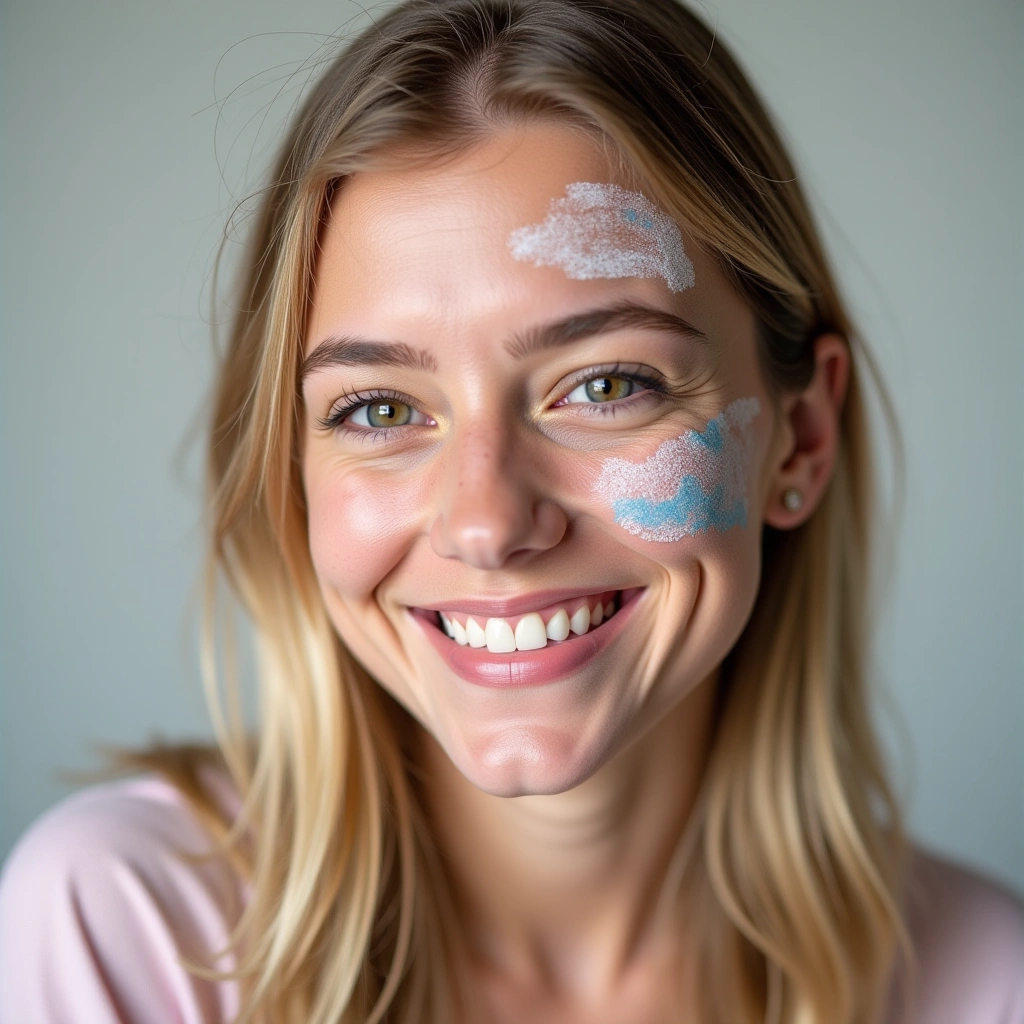
    Have you ever looked at a painting of a landscape and thought, ‘Wow, I wish I could wear that’? Well, hold on to your paintbrushes, folks! New paint-on health sensors are here, and they’re as fun as slapping a bit of face paint on your cheeks before heading out to a festival. Yes, you read that right—health monitoring just got a major upgrade, and it’s not just for the lab-coated professionals anymore.

    Engineers at Penn State University filed a provisional patent for these colorful and customizable wearables that can be painted directly onto a patient’s skin. In addition to using all the colors of the rainbow, the sensors use materials that bond better with the skin, making them more sensitive, durable, and accurate.

    Imagine this: you’re at a party, and instead of the usual small talk about the weather or how the local sports team is doing, you casually mention that you’re wearing a sensor that can monitor your heart rate, hydration levels, and even your body temperature. Everyone gathers around, eyes wide, wondering if you’re about to reveal the next big thing in health tech or just trying to show off your artistic skills. Spoiler alert: it’s both!

    These paint-on sensors are making their way into the health tech world, allowing you to literally wear your health on your sleeve—or rather, your skin. The process is simple: you apply a specially formulated paint that adheres to your skin and contains tiny sensors. It’s like body art, but instead of a unicorn or a butterfly, you get a health monitoring device that can send real-time data to your smartphone. Who needs tattoos when you can have a wearable that can also tell you when you’re about to pass out from dehydration?

    Now, before you start imagining yourself as the next Picasso of personal health, let’s talk about practicality. These sensors are designed to be skin-safe and easy to remove, unlike that regrettable face tattoo you might have gotten during a wild night out (we’ve all been there, right?). They are made from materials that, unlike your average body paint, can actually do some serious work. They can track everything from your physical activity to your stress levels—no more guessing if that 3 p.m. meeting is giving you anxiety; your skin will have the answer!

    But wait, there’s more! Not only are these sensors functional, but they also bring a splash of creativity into the mix. You can choose colors, patterns, and designs that suit your personality or mood. Feeling funky? Go for a tie-dye effect. Want to keep it professional? A nice, solid color will do the trick. It’s like turning your body into a canvas while also being the most health-conscious person in the room. Talk about a conversation starter!

    Of course, we should mention that while this technology is exciting, it’s still in its early stages. Researchers are still working on perfecting the durability and effectiveness of these sensors, so don’t expect to see them in your local pharmacy just yet. But the potential is there, and it’s hard not to get a little giddy about the idea of blending health and art.

    So next time you’re thinking about how boring traditional health monitoring can be, remember that there’s a fun, vibrant alternative on the horizon. Paint-on health sensors are here to make sure that not only are you keeping track of your health, but you’re doing it in style. Who knew health tech could be so chic? Now, if only they could make a paint that monitors your snack intake while still allowing you to indulge in that extra slice of pizza. That would really be a game-changer!


    Inspired by: “New paint-on health sensors are as fun as face paint” (r/technology)