Category: Health

  • Machete Madness: The Tale of the Man Who Walked into a Hospital with a Blade in His Head

    Machete Madness: The Tale of the Man Who Walked into a Hospital with a Blade in His Head

    Picture this: a man strolls into a hospital, phone glued to his ear, and a machete lodged firmly in his skull. No, this isn’t the latest plot twist in a B-movie horror flick; it’s a real-life incident that occurred in India and left everyone scratching their heads—quite literally!

    First off, let’s break down the sheer audacity of this guy. I mean, who decides that a casual walk into the ICU is a good idea when they’re sporting a blade like it’s the latest fashion accessory? Talk about taking ‘sharp’ dressing to a whole new level! It’s like he woke up and thought, ‘Today, I’ll conquer the world, one emergency room at a time.’

    Now, we’ve all had those moments when we’re too engrossed in our phones—whether it’s scrolling through TikTok or catching up on the latest conspiracy theories about whether pigeons are government drones (spoiler: they are!). But this dude took multitasking to an extreme. Can you imagine the conversation he was having? “Yeah, yeah, I’ll be there in a minute. Just got a little… uh, stuck in traffic. And by traffic, I mean an actual machete in my head.”

    As for the hospital staff, you can bet there were some wide eyes and dropped jaws when he waltzed in. One can only imagine the collective gasp as they assessed the situation. “Did he just walk in with a machete? Should we call security or just offer him a lollipop?” It’s moments like these that test the limits of medical professionals’ ability to stay calm under pressure.

    And let’s talk about the implications here. This isn’t just a freak accident; it raises questions about safety, mental health, and even the lengths people will go to for a good story. What led this man to have a machete in his head? Was it a freak accident while chopping vegetables, or was it a fierce debate gone wrong? We may never know the full story, but it sure does give us food for thought—perhaps not the kind you’d chop with a machete, though.

    In the end, our machete-wielding friend seems to have made it through this ordeal without any major complications. Thank goodness for modern medicine! But one has to wonder if he left the hospital with a newfound appreciation for safety—or if he just updated his social media status to ‘feeling sharp’ with a selfie of his new accessory.

    So, here’s to the man who reminded us all that life is short, and sometimes you just have to live a little dangerously—just maybe not with a machete in your head. Stay safe, folks, and keep those blades out of your skulls!

  • The Miracle of Medical Science: Man Regains Viable Sperm from Childhood Testicle Tissue

    The Miracle of Medical Science: Man Regains Viable Sperm from Childhood Testicle Tissue

    Hey there, wonderful readers! Grab your favorite snack and settle in because we’re diving into a medical marvel that sounds like it was plucked straight from the pages of a sci-fi novel. Yes, you read that right: a man has successfully regained viable sperm from testicle tissue he had stored since childhood! Talk about turning back the clock!

    Now, before you roll your eyes and think, ‘Oh great, another miracle story,’ let’s break down why this is more than just a headline that makes you go ‘huh?’ This is a breakthrough that not only highlights the advancements in medical science but also opens up a Pandora’s box of ethical questions, social implications, and the ever-present existential crisis that comes with modern technology.

    So, let’s start with the facts. This man, who we’ll refer to as “The Sperm Whisperer” (because who doesn’t love a good nickname?), had his testicle tissue preserved due to medical issues he faced in his youth. Fast forward to today, and thanks to some brilliant minds in the field of regenerative medicine, he’s now able to use this tissue to produce viable sperm. This means he might have a shot at fatherhood, and that’s just plain heartwarming.

    But wait, there’s more! You see, this isn’t just about one man’s journey to fatherhood; it raises questions about what it means to be a parent in the modern age. With technology advancing at the speed of a toddler on a sugar rush, we’re faced with the reality of options that our grandparents could only dream about. Can you imagine the conversations at Thanksgiving? “So, how did you become a dad, son?” “Well, you see, Grandma, I had some testicle tissue frozen from when I was a kid…” Cue the bewildered looks and the need for a strong drink.

    Moreover, this medical feat brings forth some ethical dilemmas that are juicier than an overripe peach. Are we playing God here? Should we be able to decide who gets to be a parent based on whether they have viable sperm or not? And what about the potential for using this technology in ways that could lead to a new kind of eugenics? Yikes, I can feel the sweat beads forming on my forehead just thinking about it.

    On the flip side, let’s celebrate the positives! This breakthrough offers hope to countless individuals who face fertility challenges. From cancer survivors to those born with conditions affecting their reproductive organs, this advancement shows that science can, indeed, be a superhero in disguise. And who doesn’t love a good superhero story?

    In conclusion, while the idea of regaining viable sperm from childhood testicle tissue may raise eyebrows and provoke some serious debates, it also reminds us that medical science is constantly evolving, and with it, our understanding of life, family, and what it means to be human. So, here’s to “The Sperm Whisperer” and all the other brave souls navigating this brave new world. May your journeys be as rewarding as they are controversial!

  • The FDA’s Controversial Move: Why Are They Keeping Covid and Shingles Vaccine Research Under Wraps?

    The FDA’s Controversial Move: Why Are They Keeping Covid and Shingles Vaccine Research Under Wraps?

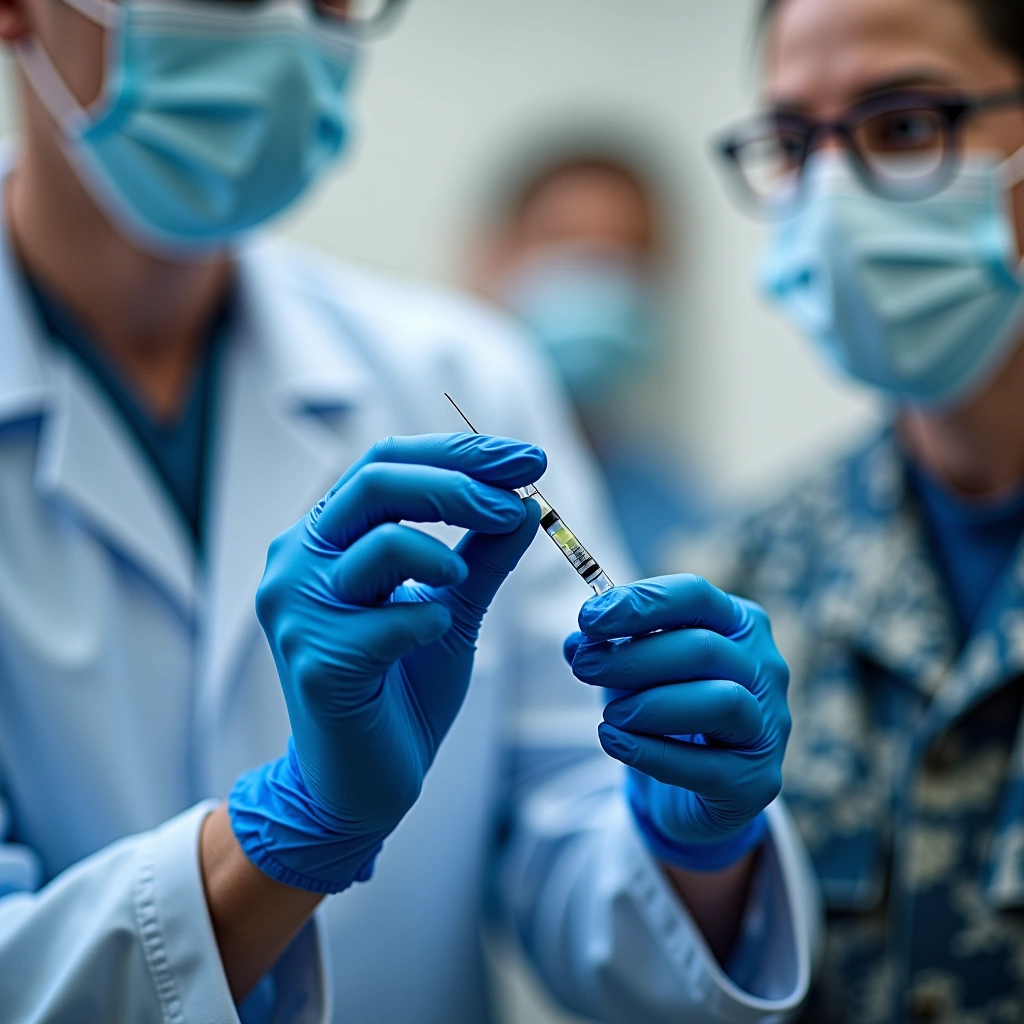
    Hey there, fellow internet traveler! Grab your favorite snack and settle in because we’re about to dive into a spicy topic that’s hotter than a jalapeño in a sauna. So, the FDA has reportedly blocked the publication of research indicating that the Covid and shingles vaccines are safe. Sounds like something out of a conspiracy theorist’s playbook, right? Let’s unpack this drama like it’s the last episode of your favorite reality show.

    First off, let’s take a moment to appreciate the irony here. We live in an age where information flows faster than a toddler on a sugar rush, and yet, we have our very own government agency hitting the brakes. The FDA, the same folks who gave us the green light to munch on genetically modified corn while keeping a watchful eye on our beloved snacks, suddenly has cold feet about vaccine research. What gives?

    Now, before you grab your pitchforks and torches, let’s look at the situation from a few angles. On one hand, the FDA is tasked with ensuring that public health is the priority. But on the other hand, withholding data about vaccine safety can create a breeding ground for conspiracy theories and misinformation. It’s like they’re trying to play peacekeeper in a room full of toddlers fighting over a toy. Spoiler alert: it rarely ends well.

    But wait, there’s more! The implications of this decision stretch far beyond just a few research papers gathering dust. With Covid still lurking around like that one relative who overstays their welcome at family gatherings, transparency is more crucial than ever. If people lose trust in vaccines, it won’t just be the flu that’s on the rise; we might find ourselves facing a resurgence of other preventable diseases. And we all know how thrilling it is to see a resurgence of something – said no one ever!

    And let’s not forget about shingles, shall we? It’s that pesky little virus that feels like a surprise party you never wanted. You think you’re safe, and then BAM! Shingles shows up uninvited, and suddenly you’re in the midst of a pain that feels like your skin is auditioning for a horror movie. If the vaccines for these viruses are indeed safe, why keep that info under wraps? It’s time for a little sunshine, folks!

    In light of all this, the question remains: what’s the real reason behind the FDA’s decision? Is it bureaucracy at its finest, or is there something more sinister lurking in the shadows? Perhaps they’re afraid of a public backlash, or maybe they just want to avoid a media circus that could make the last election look like a picnic. Either way, we deserve answers, people!

    So, what can we do in the meantime? Stay informed, my friends! Seek reliable sources, question everything (but not your pizza toppings; that’s sacred). Engage in conversations that matter, and don’t let the fear of the unknown dictate your health choices. Because at the end of the day, knowledge is power – and if we don’t have that, we might as well be playing darts blindfolded in a dark room. And trust me, that’s a game nobody wants to play.

    In conclusion, while the FDA may be playing hard to get with this research publication, let’s not forget that we have the right to seek the truth. Keep those critical thinking hats on, stay vigilant, and let’s hope for a future where transparency reigns supreme. Cheers to better health and fewer surprises!

  • Weight Loss Without GLP-1: A Game Changer or Just Another Diet Fad?

    Weight Loss Without GLP-1: A Game Changer or Just Another Diet Fad?

    Hey there, my fellow weight loss warriors! Grab your kale smoothies and prepare for a wild ride through the latest research that suggests you can shed those pesky pounds without the help of GLP-1 medications. Yes, you heard that right! No injections, no fancy prescriptions, just you and your determination. Let’s dive in, shall we?

    First off, what the heck is GLP-1? It stands for Glucagon-Like Peptide-1, and it’s one of those fancy hormones that can help control your appetite and blood sugar levels. Think of it as your body’s personal trainer who whispers in your ear, “Hey, maybe don’t eat that entire pizza!” But apparently, researchers have found that you can still lose weight without this hormone playing the role of the diet police. Mind blown, right?

    Now, before you start throwing your GLP-1 meds out the window like you’re on a reality TV show, let’s take a moment to appreciate the science behind it. The study that sparked this revelation highlights various traditional weight loss methods—like calorie counting, portion control, and good old-fashioned exercise—can still pack a punch in the battle of the bulge. Yes, your grandma’s advice of “eat less, move more” might actually hold some truth! Who would have thought?

    But let’s be real for a second. While it’s great to know that weight loss is possible without GLP-1, it’s not necessarily a walk in the park. Losing weight is like trying to fold a fitted sheet: complicated and often frustrating. You’ve got to find the right mix of diet, exercise, and maybe even mental fortitude. And yes, there might be days when the only thing you want to lift is a slice of cake.

    So, what does this mean for you? Well, if you’ve been on the GLP-1 train and aren’t seeing the results you crave, this research offers a glimmer of hope. You can explore other paths to your weight loss goals. Think of it as a buffet of options—some healthy, some a bit sketchy, but all worth considering. Just remember to avoid the deep-fried Snickers bar station at all costs!

    Now, I can already hear the skeptics chiming in, “But is this research solid?” Well, as solid as your aunt’s Thanksgiving turkey, let’s say. While the findings are promising, they don’t mean you should ditch medical advice or ignore your health. Always consult with your doctor before making any drastic changes. They might not be as cool as your best friend, but they do know a thing or two about keeping you alive.

    In conclusion, weight loss without GLP-1 could be a beacon of hope for many. It’s a reminder that while there’s no magic pill, there are still plenty of viable options out there. So lace up those sneakers, toss out the junk food, and get ready to embrace a healthier you. And if you need a motivational pep talk, just remember: every step you take is one step closer to fitting back into those jeans you swore you’d never wear again!

    Until next time, keep laughing, keep losing, and for heaven’s sake, don’t forget to enjoy the journey (just maybe not with a whole pizza). Cheers!

  • The Dream of Cardio with a Fembot: Why Fitness Just Got a Whole Lot Funnier

    The Dream of Cardio with a Fembot: Why Fitness Just Got a Whole Lot Funnier

    Imagine this: You’re at the gym, trying to motivate yourself for another round of cardio. The treadmill is glaring at you like a judge at a spelling bee, and the only thing keeping you from pressing that ‘Stop’ button is the thought of the beautiful fembot running beside you. Now, before you roll your eyes or call me a nerd, let’s unpack this delightful fantasy.

    First off, can we talk about the aesthetic? A fembot beside you, gliding like a gazelle while you’re huffing and puffing like a dragon after a marathon? Talk about a confidence booster! You might feel like a potato next to a work of art, but hey, at least you won’t get judged. In fact, you might even find yourself pushing harder, just to keep up with your robotic running buddy. Who knew cardio could come with such motivational side effects?

    Now, let’s dive into the tech. Imagine a fembot equipped with the latest AI, making small talk while you sweat. “Did you know that running increases endorphins?” it chirps, while you’re gasping for air. You might have to remind it that you’re not a marathon runner but rather the embodiment of couch potato royalty. But here’s the kicker: What if this fembot had a sense of humor? A little cheeky banter could turn your grueling workout into a comedy show. “Hey buddy, you might want to pick up the pace, or I’m going to have to start dragging you!”

    And let’s not forget the sheer absurdity of the situation. You’re sweating it out in front of a crowd of humans who are probably judging you (because, let’s be honest, they are). But with a fembot at your side, you can lean into the ludicrousness. “Yeah, I know; I’m running with a fembot. What of it?” You could even start a trend. Next thing you know, everyone’s bringing their own fembots to the gym. It’s a revolution, my friend!

    But in all seriousness, this wild imagery reflects a deeper truth: the struggle of staying fit often feels like an uphill battle. Cardio can be as painful as watching your favorite TV show get canceled, and the idea of having a futuristic sidekick could make it all seem a bit more bearable. Who wouldn’t want a little extra motivation when they’re trying to outrun their love for pizza?

    So, if you ever find yourself at the gym, just picture that fembot beside you, offering words of encouragement (and probably a few sarcastic remarks) as you both conquer the treadmill. Let’s embrace the absurdity of life—because if we can’t laugh while sweating, are we really living? And who knows? Maybe one day, we’ll actually have fembots at the gym, and they’ll be the new personal trainers. Just remember to keep your cardio game strong, or you might end up being the punchline!

  • When Horses Go Carnivorous: The Surprising Truth About Their Diet Needs

    When Horses Go Carnivorous: The Surprising Truth About Their Diet Needs

    Alright, buckle up, horse lovers and animal enthusiasts! Today, we’re diving into a subject that might make you raise an eyebrow or two: horses munching on small animals! Yes, you heard that right! It’s not just the stuff of wild rumors or a weird episode of Animal Planet; it’s a real phenomenon that has a lot to do with their nutritional needs.

    Picture this: you’re a majestic horse, galloping through fields of grass, feeling like the star of your own movie. But wait, what’s that? Your diet is lacking in minerals like protein and sodium, and suddenly, the grass doesn’t seem so appetizing anymore. Enter stage left: some unsuspecting critter that looks like a snack! Yikes!

    Now, before you start picturing horses having a full-on barbecue, let’s clarify: this isn’t a common occurrence. Horses are primarily herbivores, munching on hay, grass, and the occasional carrot (because who doesn’t love a good carrot?). However, in rare situations where their diet falls short of essential nutrients, they might, just might, resort to some unconventional snacking.

    Why would a horse ever consider a protein-packed snack of critters, you ask? Well, it turns out that horses, like many creatures, have a hardwired survival instinct. If they’re not getting the nutrients they need from their diet—think vitamins, minerals, and yes, protein—they might start looking around for alternative food sources. This is particularly true for horses that are kept in environments where their natural forage is limited or when they are fed a monotonous diet that lacks variety.

    But wait, before you throw your hands up in horror, let’s not forget that this behavior can also be a sign of some serious dietary deficiencies. If a horse is turning to nibble on small animals, it’s like waving a red flag saying, “Hey! I need better food!” It’s the equine equivalent of you raiding the pantry for snacks because you skipped lunch. So, if you find your horse getting a bit too adventurous with their diet, it’s time to assess their nutrition.

    Now, let’s talk about the implications. Some folks might find this behavior shocking, perhaps even gross. But in the wild, many herbivores have been known to indulge in a little carnivorous behavior when the going gets tough. It’s not like horses are sitting around plotting their next meal of squirrel stew; it’s more of a last resort. So, before you start calling animal control, take a deep breath and understand that nature can be a bit messy, and horses are just trying to survive, albeit in a rather hilarious way.

    So, what’s the takeaway here? Always ensure your horse is on a balanced diet that meets their nutritional needs. If you’re unsure, consult with a veterinarian or a horse nutritionist—yes, that’s a thing! It’s way better than letting your horse experiment with their new favorite snack, which could lead to some rather awkward dinner conversations.

    In conclusion, while the idea of horses munching on small animals may sound like a bizarre horror show, it’s a reminder to provide our equine friends with the right nutrition. After all, we wouldn’t want them thinking that a stroll in the pasture is a buffet line for more than just grass!

  • Unlocking the Secrets of Cannabis Leaves: Medical Marvels You Didn’t Know About

    Unlocking the Secrets of Cannabis Leaves: Medical Marvels You Didn’t Know About

    Hey there, cannabis connoisseurs and curious minds! Grab your favorite snack (preferably something crunchy, because we all know that’s the best munchie) because we’re about to dive into a topic that’s sparking some serious conversation in the scientific community: cannabis leaves and their hidden medical potential.

    That’s right! While most of us have been tossing those green leaves like they’re yesterday’s news (or yesterday’s pizza crust), scientists are saying, “Wait a minute! Don’t throw those away just yet!” Turns out, those leaves are packed with more surprises than a magician at a kid’s birthday party.

    First off, let’s get into the nitty-gritty. Recent research has unveiled that cannabis leaves contain rare compounds that could have significant medical applications. I mean, who knew that the part of the plant we’ve been neglecting might be the unsung hero of the cannabis world? It’s like finding out that the sidekick in a superhero movie has been secretly training to save the day all along!

    But what exactly are these compounds? Well, my friends, they belong to a category known as cannabinoids. While most of us are familiar with the heavy hitters like THC and CBD, cannabis leaves host a variety of lesser-known cannabinoids that could potentially offer therapeutic benefits. Think of them as the quirky relatives that show up to family gatherings: they might not be the main attraction, but they definitely add some flavor to the mix.

    Now, before you rush out to start your leaf-collecting business, let’s talk about the science. Researchers have found that these compounds might aid in treating various ailments, from pain relief to anxiety management. Imagine being able to brew a nice cup of cannabis leaf tea that could help soothe your nerves after a long day of dealing with… well, life. It’s like a spa day in a cup!

    Of course, there’s still a lot of work to be done. Scientists need to conduct more studies to fully understand the benefits and how to harness these compounds effectively. It’s like they’re on a treasure hunt, and we’re all cheering them on from the sidelines, munching on our cannabis-infused snacks.

    Now, some skeptics might roll their eyes and say, “Why bother with the leaves when we have all these fancy oils and edibles?” Well, my friend, that’s the beauty of science! It’s all about exploration and innovation. Who knows what other hidden gems are lurking in the cannabis plant? This could very well be the start of a new trend that leaves the cannabis industry buzzing with excitement.

    So, the next time you’re trimming your plants or enjoying a fresh batch of edibles, remember those neglected leaves. Instead of tossing them in the compost, why not experiment a little? Dry them out, brew them, or even toss them into a smoothie (if you’re feeling adventurous). Who knows? You might just be on the cutting edge of the next big health trend.

    In conclusion, let’s give a round of applause to those humble cannabis leaves. They may not be the stars of the show, but as scientists dig deeper, we might just find that they have a lot more to offer than we ever imagined. So, keep your mind open and your leaves close – you never know what medical magic could be hiding in those green gems!

  • Don’t Toss Those Cannabis Leaves: The Hidden Medical Treasures You Didn’t Know About

    Don’t Toss Those Cannabis Leaves: The Hidden Medical Treasures You Didn’t Know About

    Hey there, plant enthusiasts and wannabe botanists! Today, we’re diving deep into the leafy world of cannabis — and no, I’m not talking about the kind you roll up and smoke while binge-watching your favorite series. I’m talking about the leaves themselves! You know, those green things you usually toss aside like yesterday’s takeout? Well, hold onto your bongs, folks, because it turns out they might be more valuable than we thought.

    Recently, scientists have discovered that cannabis leaves are packed with rare compounds that could potentially transform the medical landscape. Yeah, you heard that right! Those leaves you casually discard might have superhero-like qualities just waiting to be discovered. It’s like finding out that your grandma’s secret cookie recipe is actually a potion for eternal youth. Who knew?

    Let’s face it: when we think of cannabis, our minds often drift to THC and CBD — the dynamic duo of the cannabis world. But what about the leaves? Well, it turns out they contain a treasure trove of compounds that could aid in everything from pain relief to anxiety reduction. So, what gives? Are we really just going to ignore the leafy underdogs? It’s time to give them their moment in the spotlight!

    Now, before you start hoarding those leaves like they’re gold, let’s talk about what scientists have actually found. According to recent studies, these leaves contain unique cannabinoids and terpenes that have shown potential in treating various ailments. From reducing inflammation to possibly fighting cancer cells, these compounds are not just sitting around waiting for someone to roll them. They’re like the wallflowers at a dance party, just waiting for the right moment to shine!

    And here’s where it gets a little controversial: some folks in the cannabis community are all about using the whole plant. While many stick to the buds for their medicinal properties, the leaves are often overlooked. It’s like going to an all-you-can-eat buffet and only loading up on the breadsticks. Sure, they’re delicious, but you’re missing out on the main course! So why not get a little adventurous and explore the full spectrum of what cannabis has to offer?

    But before you start brewing up a cannabis leaf tea or tossing them into your smoothie (which, let’s be real, could end up tasting like a bad science experiment), it’s important to note that research is still ongoing. We’re in the early stages of uncovering all the potential benefits, and not every leaf is created equal. Remember, just because it’s green doesn’t mean it’s good for you. Always do your homework and consult with professionals if you’re considering going down this herbal rabbit hole.

    So, what’s the takeaway here? Next time you’re trimming your plants or cleaning up after a session, think twice before tossing those leaves into the compost. They might just hold the key to your next health breakthrough or a quirky conversation starter at your next dinner party. “Oh, these? Just some cannabis leaves I’m experimenting with. You know, the usual dinner talk!” Who knows, you might just be the next cannabis connoisseur on the block!

    In conclusion, let’s raise a glass (or a joint) to the unassuming cannabis leaves. They may not be the stars of the show, but they are certainly deserving of our attention. So, the next time you find yourself with a handful of those green beauties, remember: don’t toss them, explore them! Who knows what hidden gems you might discover?

  • Why Low-Income Countries Are Winning the Digital Health Literacy Game

    Why Low-Income Countries Are Winning the Digital Health Literacy Game

    So, here’s a juicy little tidbit that might just shake up your preconceived notions about health literacy: a recent survey of 31,000 adults across 30 countries has found that low- and middle-income countries are kicking high-income countries’ butts when it comes to digital health literacy. Yep, you heard that right! Talk about a plot twist worthy of a Netflix original series!

    Now, you might be sitting there, sipping on your overpriced artisanal coffee and thinking, ‘How can this be? Aren’t we the ones with all the fancy gadgets and high-speed internet?’ Well, grab your popcorn because we’re diving deep into this digital rabbit hole.

    First off, let’s address the elephant in the room: access to healthcare. In many low- and middle-income countries, the healthcare system might not be as robust as it is in places like the USA or Germany, but that doesn’t mean people aren’t trying to take charge of their health. In fact, many individuals in these regions are leveraging digital tools to navigate their healthcare challenges, often out of sheer necessity. It’s like they’ve turned adversity into an Olympic sport!

    On the other hand, high-income countries, with their shiny health apps and extensive medical resources, often have a populace that’s, shall we say, a bit spoiled. With so many options available, it’s easy to get lost in the digital jungle. You know, the type of jungle where you can spend hours comparing 30 different types of vitamin C supplements instead of just picking one and moving on with your life.

    Moreover, in wealthier nations, there’s a growing trend of relying on healthcare professionals for everything. It’s like we’ve collectively decided that Googling our symptoms is basically like reading the back of a cereal box. Little do we know, sometimes the best doctor is the one who actually watches Dr. House reruns at 2 AM!

    But let’s not forget about the role of education! In many low- and middle-income countries, communities often emphasize the importance of understanding health information digitally. They’re turning to social media and online resources to educate themselves, whether it’s about the latest vaccines, healthy eating, or how to get rid of that pesky cough without breaking the bank. They’re practically health detectives, using every tool at their disposal!

    So, what can we learn from this surprising finding? Well, it’s a classic case of necessity being the mother of invention. While high-income countries are busy drowning in data, low- and middle-income countries are out there mastering the art of digital health literacy like it’s an extreme sport. It’s time to put down the avocado toast for a moment and take notes!

    In conclusion, let’s not underestimate the power of digital health literacy in places where it’s truly needed. Maybe it’s time for high-income countries to step back, learn a few lessons, and remember that sometimes, the underdog can teach us a thing or two. And who knows? Maybe we’ll find a way to bridge that gap and come together in our quest for better health, one meme at a time. Cheers to that!

  • FDA Approves Revolutionary Non-Medication Treatment for Depression: Is This the Future of Mental Health?

    FDA Approves Revolutionary Non-Medication Treatment for Depression: Is This the Future of Mental Health?

    Hey there, mental health warriors! Grab your favorite snack, make sure you’re sitting comfortably, and let’s dive into some groundbreaking news that might just make you do a happy dance in your living room. Yes, you heard it right: the FDA has approved a new treatment for depression that doesn’t involve the usual suspects—medications! So, put down that prescription pad and let’s explore this brave new world of mental health care.

    Now, before you start picturing a bunch of scientists in lab coats throwing confetti because they finally figured out how to treat depression without pills, let’s talk about what this actually means. You see, the FDA has given the thumbs up to a treatment that focuses on holistic approaches—think therapy, lifestyle changes, and maybe even some good old-fashioned self-care. It’s like they finally realized that mental health isn’t just about balancing brain chemicals!

    But wait! Don’t go running off to sign up for yoga classes just yet. This new treatment isn’t just about chanting “om” and sipping herbal tea (though, let’s be honest, that does sound nice). It encompasses a range of techniques, including cognitive behavioral therapy (CBT), mindfulness practices, and possibly even some cutting-edge technology that can help with brain stimulation. And no, I’m not talking about sticking your head in a microwave!

    Now, you might be asking, “Why is this important?” Well, my friend, it’s because many people struggle with depression and don’t always respond to traditional medications. It’s like that awkward moment when your friend insists that pineapple belongs on pizza, and you just can’t understand why. Everyone’s brain is wired differently, and some folks simply don’t vibe with antidepressants. So, having alternative options is like having a buffet of mental health treatments rather than a single sad slice of pizza.

    But, let’s not ignore the skeptics in the room. Some might say, “Are we really ready to ditch the meds?” And to that, I say: let’s not throw the baby out with the bathwater! Medications can be lifesavers for many. They’re like the trusty sidekick in a superhero movie—necessary and often underappreciated. However, this new approval opens the door for a more tailored approach to mental health, which is something we can all get behind.

    Of course, as with any new treatment, there are questions. Will insurance cover this? Can you really find a therapist who won’t tell you to just breathe through your problems? And what about the people who are just looking for a quick fix? Spoiler alert: there’s no magic pill for mental wellness. It’s a journey, folks, and sometimes it can feel like you’re hiking up a mountain while wearing roller skates. But hey, if you can laugh at the absurdity of it all, you’re already halfway there!

    In conclusion, the FDA’s approval of this new non-medication treatment for depression is a monumental step in the right direction. It’s not just about throwing more options into the mix; it’s about recognizing that mental health care should be as diverse as the people it serves. So, whether you’re a fan of therapy, tech, or just a good old-fashioned chat with your bestie, remember that you’re not alone in this journey.

    Let’s raise a glass (of kombucha or whatever floats your boat) to a future where mental health treatment is as varied and colorful as a box of crayons. Cheers to that!