Category: Health

  • Navigating Family Mental Health Crises: When Love Meets Limitations

    Navigating Family Mental Health Crises: When Love Meets Limitations

    Yes, relationships absolutely survive mental illness with proper support structures. Success depends on professional treatment, honest communication, and mutual commitment—not on willpower alone. Research shows that clear boundaries and outside therapeutic support predict relationship stability more reliably than love or intention. Many couples build stronger bonds through navigating mental illness together.

    Mental health crises can be like a rollercoaster ride you never signed up for. You know, the kind where the safety bar doesn’t quite click into place, and you’re just praying you make it out alive? Today, let’s dive into a topic that’s more relevant than ever: how to cope with a family member’s mental health struggles, especially when you’ve reached your emotional limit.

    Recently, a Reddit post caught my eye. A sister, who’s been through the wringer with her sibling’s schizoaffective disorder, openly admitted to feeling numb. She’s seen her sister spiral into chaos—getting arrested, jumping from one toxic relationship to another, and of course, the inevitable family drama that ensues. And while many of us might feel the urge to jump in and save the day, this sister has reached a point of emotional exhaustion.

    Let’s be real for a second: supporting a family member with mental health issues is tough. It’s like trying to swim with a lead weight tied to your ankle. You want to help, but sometimes, just treading water feels like a victory. The Redditor expressed a sense of disappointment, which is totally valid. After years of trying to help—getting her sister into treatment, paying her bail, and even putting her own life on hold—she’s understandably feeling drained. It’s like pouring your heart into a leaky bucket and wondering why the water never stays.

    Now, before we start throwing around labels like ‘terrible person’ (which, let’s be honest, we all have moments of feeling), it’s important to acknowledge the complexity of these situations. Loving someone with a mental health disorder can often feel like walking a tightrope. You want to be there for them, but you also have to look out for your own mental health. It’s a balancing act that would impress even the most seasoned circus performer.

    One thing that stands out in this story is the idea of mourning someone who is still alive. This sister is essentially grieving the relationship she wishes she had with her sister. It’s not that she doesn’t care; it’s that she’s reached a point where she feels she can’t care anymore without losing herself in the process. And that’s a tough pill to swallow. It’s a sad reality, but not every family member can be saved, no matter how much we love them.

    So, what do you do when you find yourself in a similar situation? Here are a few tips that might help you navigate these choppy waters:

    1. Set Boundaries: It’s okay to say no. Setting boundaries is not selfish; it’s necessary for your own mental health. If your sibling’s crises are affecting your life too much, it’s time to step back.

    2. Seek Support: Don’t hesitate to talk to someone about your feelings. Whether it’s a therapist, a friend, or even a support group, sharing your experiences can lighten the load.

    3. Practice Self-Care: Make sure to take care of yourself. Engage in activities that bring you joy, whether it’s reading a graphic novel in a sunny café (hey, like our Redditor!), going for a walk, or binge-watching that show everyone’s talking about.

    4. Accept Your Feelings: It’s okay to feel angry, sad, or numb. These feelings are valid, and accepting them is the first step towards healing.

    5. Know Your Limitations: Understand that you cannot fix someone else’s problems. It’s harsh but true. You can support them, love them, and encourage them to seek help, but their journey is ultimately theirs to navigate.

    In the end, dealing with a family member’s mental health crisis is a complex and emotional journey. It requires a mix of love, patience, and sometimes, tough love. As our Redditor so poignantly put it, she loves her sister but is done getting pulled into the chaos. And that’s a perfectly reasonable stance to take. After all, you can’t pour from an empty cup.

    So, if you’re in a similar boat, remember: it’s okay to feel overwhelmed. You’re not a terrible person for prioritizing your own mental health. Sometimes, the best way to help someone is to take a step back and focus on yourself. And who knows? Maybe one day, when the storm passes, you’ll be able to reconnect in a healthier way. Until then, keep swimming, my friend.


    Inspired by: “My sister is having a mental health crisis and I don’t care” (r/GirlDinnerDiaries)

  • From Accusation to Hospital: The Patrick Stephenson Case Unfolds

    From Accusation to Hospital: The Patrick Stephenson Case Unfolds

    Patrick Orren Stephenson, 24,was transported from Melbourne Assessment Prison to hospital on Friday .

    In a shocking turn of events that could easily be mistaken for a plot twist in a crime drama, Patrick Stephenson, the man accused of murdering Victorian mother Samantha Murphy, has been rushed to the hospital. It’s the kind of headline that makes you raise an eyebrow and perhaps roll your eyes a little, because let’s be real, who doesn’t love a good cliffhanger?

    Now, for those of you who might not be familiar with this tragic tale, Samantha Murphy was a mother whose life was cut short under tragic circumstances. The details surrounding her untimely demise are enough to make anyone’s stomach churn. It’s a harrowing situation that has left many in the Victorian community in shock. And just when you think things couldn’t get any more dramatic, enter Patrick Stephenson, the man at the center of this storm.

    Accused of taking Samantha’s life, Stephenson’s case has been the talk of Melbourne. People are glued to their screens, refreshing news feeds like it’s a Black Friday sale, waiting for any new updates on this unfolding story. But it seems Patrick decided to add a little more drama to his own narrative by needing a hospital visit. Now, we don’t have all the details yet, but one can only imagine what sort of medical emergency could arise when you’re facing such serious charges. Maybe he just wanted a little sympathy? Or perhaps he was trying to escape the courtroom drama for a bit of hospital food? The possibilities are endless, and frankly, slightly entertaining if it weren’t so serious.

    As the case continues to develop, it’s important to remember the human side of this tragedy. Samantha Murphy was more than just a name in a news article; she was a mother, a friend, and a person with dreams and aspirations. Her story is a reminder that behind every headline lies a real-life impact that extends far beyond the courtroom.

    While we wait for more details to emerge regarding both Samantha’s case and Patrick’s hospital visit, it’s crucial to stay informed and compassionate. Let’s not forget the victims in these situations often get overshadowed by the drama surrounding the accused.

    So, as we sit on the edge of our seats, popcorn in hand, let’s hope for justice to be served in this case and for the community to begin healing from this tragedy. And who knows, by the time we get the next update, Patrick might be back in court, ready to face the music—hopefully without any more hospital detours.

    Stay tuned, Melbourne. This story isn’t over yet!


    Inspired by: “Patrick Stephenson: Man accused of murdering Victorian mother Samantha Murphy rushed to hospital” (r/melbourne)

  • Navigating the Maze of Mental Health Evaluations: A Guide for the Perplexed

    Navigating the Maze of Mental Health Evaluations: A Guide for the Perplexed

    A mental evaluation combines a structured clinical interview, standardized psychological testing, behavioral observation, and review of your medical and psychiatric history. The clinician asks about current symptoms, their onset, frequency, and impact on daily functioning. They also explore family mental health history, substance use, sleep patterns, and trauma exposure. This comprehensive approach identifies conditions that unstructured conversations often miss, particularly when multiple conditions coexist.

    So, you’ve been told by multiple professionals that it might be time for a mental health evaluation? Welcome to the club! It’s like being given a VIP pass to a confusing amusement park where the rides all seem to lead back to the same spot, and you’re not sure if you should be laughing or crying. Let’s break down this whole evaluation process and see if we can make sense of it together.

    First off, what does a mental health evaluation even mean? Picture it as a thorough check-up, but instead of checking your blood pressure or cholesterol levels, mental health professionals will be delving into your thoughts, feelings, and behaviors. Sounds fun, right? It’s like a therapy session but with more paperwork and possibly a couple of uncomfortable questions thrown in for good measure.

    Now, if you’ve been directed to seek out evaluations for conditions like schizophrenia or bipolar disorder with psychosis, it’s important to understand that these aren’t just buzzwords thrown around at parties to sound intellectual. They are serious conditions that warrant a proper assessment. The challenge here is finding the right person to help you navigate this labyrinthine system.

    You mentioned trying to reach out to CATT (Crisis Assessment and Treatment Team) and psychiatrists, only to feel like you were laughed out of the room. Ah, the classic case of feeling dismissed. It’s like trying to enter an exclusive club only to be told you’re not dressed appropriately when all you’re wearing is your best ‘I’m struggling but still functioning’ outfit.

    If you’re feeling lost, it’s time to take a step back and consider your options. Since you have private health insurance, you’re in a better position than many. You can seek out private practitioners who might be more open to giving you the evaluation you deserve. Look for psychiatrists or clinical psychologists who specialize in the areas that concern you. A quick Google search or a chat with your insurance provider can help you compile a list.

    And let’s be honest, mental health evaluations can feel like a game of hot potato. You pass the ball (or, in this case, your mental health concerns) to one professional, and if they don’t catch it properly, it bounces right back to you, leaving you even more confused. So, when you do find a clinician willing to listen, be prepared to advocate for yourself. Be clear about your symptoms, your concerns, and the fact that you’re looking for an official diagnosis. You’re not just a character in a sitcom; your mental health is a serious matter.

    It’s also crucial to remember that the mental health landscape is filled with professionals who have varying levels of experience and expertise. Some might have a more traditional approach, while others might be more open to alternative perspectives. If one practitioner doesn’t take your concerns seriously, don’t hesitate to seek a second opinion. It’s your mental health we’re talking about, after all.

    Lastly, don’t underestimate the power of support from friends and family. While they may not be able to provide a diagnosis, having a supportive network can help you feel less alone in this journey. They can also provide valuable insights that might help you articulate your experiences better when you meet with professionals.

    In conclusion, navigating the waters of mental health evaluation can be daunting, but you’re not alone. Keep advocating for yourself, stay persistent, and remember that it’s perfectly okay to seek help when you need it. After all, mental health is just as important as physical health, and getting the right support can make all the difference. So, go on, put on your best ‘I’m ready for this’ face, and take that next step toward understanding what’s happening in your mind. You got this!


    Inspired by: “How do I get mental health evaluation?” (r/melbourne)

  • When Parents Sabotage Your Diet: The Buldak Carbonara Chronicles

    When Parents Sabotage Your Diet: The Buldak Carbonara Chronicles

    Try Carbonara Buldak Ramen Carbonara 130g – Explore Buldak's iconic spicy flavor and find your go-to flavor at Buldak.com

    Ah, the classic struggle of trying to maintain a diet while being surrounded by well-meaning family members. If you’ve ever tried to stick to a strict meal plan while visiting your parents, you know exactly what I’m talking about. It’s like trying to meditate in a room full of toddlers—almost impossible!

    Take, for instance, the tale of our friend Roger, who recently found himself in a culinary battlefield while trying to make weight for a competition. Picture this: Roger is at his parents’ house, his wife and kids are off visiting relatives, and he’s left with just his dog and a fridge full of potential diet sabotage. He’s focused, counting calories, and doing everything right… until he encounters the infamous buldak carbonara.

    Now, if you’re unfamiliar with buldak carbonara, let me enlighten you. It’s a spicy, cheesy noodle dish that’s basically a warm hug for your taste buds, but for someone trying to hit a specific weight target, it’s more like a bear hug from a grizzly. Roger had planned his meals meticulously, ensuring he had room in his calorie count for this delightful bowl of noodles. It was a well-thought-out strategy, a calculated risk if you will.

    But here’s where things went south. Roger’s mom, in her infinite wisdom (and perhaps a sprinkle of mischief), took it upon herself to add cheese to the buldak. Now, I don’t know if she was trying to be helpful or just wanted to spice things up—pun intended—but we all know that when you’re counting calories, every little bit counts. And cheese? That’s like adding a cherry on top of your diet disaster.

    Roger, having just emerged from the bathroom (because who doesn’t need a bathroom break before diving into a bowl of spicy goodness?), was greeted by his mother’s well-meaning gesture. Imagine his surprise when he found the buldak waiting for him, complete with an extra sprinkle of calories he didn’t ask for. It’s like opening a gift only to find it’s a pair of socks—nice thought, but not quite what you wanted.

    In a moment of culinary bliss, he took the first bite and quickly realized that the added cheese made it less spicy than he anticipated. This was a double-edged sword. Yes, it was delicious, but also, it was a setback in his quest for competition readiness. And when he mentioned the cheese to his mom, it was like opening a can of worms. She’s been doing this for years, he said, knowing full well he’s counting calories and yet still adding her own twist to his meals.

    At this point, you have to wonder: Is it sabotage or just a mother’s love? In the grand scheme of things, she probably thought she was doing him a favor, but Roger’s diet plan was left in shambles, much like the leftovers of that buldak carbonara.

    So, what’s the moral of this mildly infuriating story? When you’re on a diet, sometimes your biggest challenge isn’t the temptation of junk food, but rather the well-intentioned family members who just can’t help but meddle in your meal prep. Maybe next time, Roger should just stick to eating his meals in the comfort of his own home, away from the cheese-laden clutches of his mom. Or, you know, consider getting a lock for the pantry.

    In the end, we love our parents, but sometimes their culinary creativity can really throw a wrench in our plans. Here’s to hoping Roger can dodge the next food landmine and make weight without too much more interference. Good luck, buddy! You’ve got this—just maybe skip the family dinners for a while.


    Inspired by: “Parents throw wrench in diet plan” (r/mildlyinfuriating)

  • The Diet Coke Dilemma: A Love-Hate Relationship

    The Diet Coke Dilemma: A Love-Hate Relationship

    Partner absolutely doesn’t believe in ‘diet’ versions of anything, due to the thought that it disrupts blood sugar levels etc and ‘will make you fatter in the long run’. Despite me showing them there are no conclusive studies that prove this, my partner prefers normal sprite, coke, etc.

    Ah, Diet Coke. The bubbly elixir that has captured the hearts (and taste buds) of millions. If you’re anything like me, you’ve found yourself in a love-hate relationship with this fizzy beverage. You know, the kind where you’re both enamored and slightly infuriated by your inability to put it down? Let’s dive into this mildly infuriating phenomenon together, shall we?

    First off, let’s acknowledge that Diet Coke is like that friend who’s always around, ready to brighten your day with a refreshing fizz. You pop the can, and the sound of that satisfying ‘pssssh’ is music to your ears. But just like that friend who overstays their welcome, you find yourself wondering why you can’t just take a sip and put it down!

    One moment you’re sipping casually while scrolling through Reddit, and the next, you’re on your fifth can, wondering how this happened. It’s like a magic trick, only instead of pulling a rabbit out of a hat, you’re pulling cans out of a six-pack.

    Now, let’s talk about the taste. It’s a delicate balance of sweetness and a hint of ‘I might be drinking chemicals,’ but hey, it’s a guilty pleasure. The carbonation dances on your tongue, and before you know it, you’re in deep. You tell yourself, “Just one more can,” but we all know that’s a slippery slope.

    Speaking of slippery slopes, have you ever tried to quit? It’s like trying to break up with that friend who always shows up uninvited. You go for a week without it, feeling all proud of yourself, and then BAM! A vending machine appears out of nowhere, and suddenly you’re back in the embrace of that cold, refreshing can.

    And let’s not forget the social aspect. You’re at a party, and there’s a cooler filled with drinks. Everyone’s sipping on their fancy cocktails or craft beers, and there you are, clutching your Diet Coke like it’s the Holy Grail. You feel a little out of place, but hey, at least you’re not waking up with a hangover.

    But the real kicker? The judgment. Oh, the judgment! You can practically hear the whispers: “Why is she drinking Diet Coke? Doesn’t she know it’s not healthy?” As if soda is the sole villain in the story of your health. Newsflash: you’re not drinking it because you think it’s the elixir of life; you’re drinking it because it’s delicious and you can’t help yourself.

    So, what’s the takeaway here? Maybe it’s that we all have our vices. Whether it’s Diet Coke, chocolate, or a Netflix binge, we find comfort in things that may not be the best for us. And while it might be mildly infuriating that we can’t put that can down, it’s also a reminder to enjoy the little things in life.

    In conclusion, the next time you find yourself unable to put down that Diet Coke, just remember you’re not alone. Embrace the fizz, accept the judgment, and let’s keep the conversation going about our mildly infuriating, yet utterly delightful, beverage choices. Cheers!


    Inspired by: “Can’t put my Diet Coke down” (r/mildlyinfuriating)

  • Therapist or Nail Technician? The Perils of Telehealth Sessions

    Therapist or Nail Technician? The Perils of Telehealth Sessions

    No. You can access services by phone for audio sessions , and there are additional options like chat or video when available.

    So, picture this: you’re deep in a telehealth therapy session, pouring your heart out about your latest existential crisis, and in the background, you hear it—a sharp, unmistakable snip snip. Yes, folks, it seems like your therapist may have decided that your emotional struggles could wait while he tackles his personal grooming. Welcome to the wild world of teletherapy, where the boundaries between self-care and professionalism can sometimes get a bit… fuzzy.

    Now, let’s backtrack a little. You’re chatting away, possibly discussing your childhood trauma or that time you tripped in front of your crush (we’ve all been there), and instead of the empathetic nods and thoughtful responses you were hoping for, you’re met with the sound of nail clippers. You might think, “Is this guy really clipping his nails while I’m trying to navigate my emotional minefield?” Spoiler alert: yes, he might be.

    The original poster—let’s call them ‘Distinct_Run9006’—was understandably taken aback. They had a nice connection with their therapist, or at least they thought they did. But as the snip snip echoed through their earbuds, it became clear that the therapist may have been a little too relaxed in this session. Sure, every therapist has their own style, and some might prefer to let you talk it out while they sip their herbal tea, but clipping nails? That’s a whole new level of distraction.

    Now, let’s give our therapist the benefit of the doubt. Perhaps he was trying to multitask—after all, who doesn’t love the idea of being productive while listening to someone else’s woes? But let’s be real here, when you sign up for therapy, you’re expecting to be the center of attention, not the background noise while someone else tends to their cuticles. And let’s not forget about the mic situation—an inline mic attached to a pair of earbuds? Not exactly the gold standard for professional audio. It’s like showing up to a gourmet restaurant and finding out they only serve microwave meals.

    Distinct_Run9006 even played the innocent card, casually asking if the therapist heard that sharp clicking noise. But surprise, surprise, the therapist denied it. Classic move! Blame it on the mic—because nothing says ‘I’m fully engaged’ like deflecting responsibility. And let’s be honest, we all know that denying something that obvious is just a way of saying, “Oops, I got caught.”

    At this point, you might be thinking, “Is this a therapy session or a personal grooming tutorial?” It’s a valid question. And while we can chuckle about this situation, it does raise some larger concerns about telehealth etiquette. When you’re in a virtual space, it’s easy to forget that the other person is still there, vulnerable and sharing their deepest fears while you’re busy with your nail care routine.

    So, what can we learn from this? First off, if you’re a therapist, maybe save the grooming for after hours. Your clients are there for emotional support, not to witness your nail maintenance. And for those of us on the receiving end, remember that it’s okay to advocate for yourself. If your therapist isn’t giving you the attention you deserve (or is too busy clipping to care), it might be time to find someone who can focus on your needs.

    In conclusion, let’s hope that Distinct_Run9006’s therapist is just a one-off case of nail-clipping negligence. Because if this is the new normal for therapy, we might have to start prepping our own grooming tools for the next session. Who knows? Maybe the next therapist will offer a full-service experience—complete with haircuts and manicures—while they help you work through your issues. Now that’s a telehealth session I’d sign up for!


    Inspired by: “I’m almost certain my therapist was clipping his nails during our session” (r/mildlyinfuriating)

  • The Irony of ‘100% Human-Written’ Medical Research: A Deep Dive

    The Irony of ‘100% Human-Written’ Medical Research: A Deep Dive

    Ah, the world of medical research—where the stakes are high, the jargon is plentiful, and now, apparently, the researchers might not even be real. A recent Reddit post has thrown a spotlight on a company that boldly claims to offer ‘100% Human-Written, Never AI’ medical research. Sounds great, right? Except, plot twist: it’s entirely AI-generated.

    “The odds that anything useful will survive from any of these studies are poor,” says Ioannidis—dismissing in a breath a good chunk of the research into which we sink about $100 billion a year in the United States alone. And so it goes for all medical studies, he says.

    Yes, you heard that right. The very people behind this ‘human’ research may either be the figments of an AI’s imagination or, even worse, actual humans whose identities are being used without their consent. Talk about a double whammy of deception!

    Let’s break this down. The company in question, let’s call them Research Gold for the sake of irony, has positioned itself as a bastion of authenticity in an age where AI is increasingly taking over. They’re waving their ‘100% Human-Written’ banner like it’s a flag of honor, promising clients the kind of research that is not only credible but also devoid of the cold, unfeeling algorithms that characterize AI-generated content. But here’s the kicker: it seems that the only thing ‘human’ about their research may be the font used in the documents.

    Now, you might be wondering how they managed to pull this off. The team of ‘human methodologists’ (a title that sounds more like a superhero team than actual researchers) might actually be AI-generated avatars or, in a twist that could rival any plot twist in a medical drama, using the names of real people without their knowledge. Imagine waking up one day to find out that your name is being attached to a research paper about the benefits of kale smoothies for heart health, and you have no idea how or why. Sounds like a bad episode of Black Mirror, doesn’t it?

    But let’s not get too carried away. The real question is: why would a company go through the trouble of fabricating a human touch in the first place? The answer is simple: trust. In an era where misinformation is rampant, especially in the medical field, people are looking for credible sources. By claiming to be 100% human, Research Gold is trying to tap into that deep well of trust. It’s like saying, “Hey, we’re just like you! We bleed, we breathe, and we definitely don’t have circuits!”

    However, this approach backfires spectacularly when the truth comes out. The irony is that in trying to appear more trustworthy, they’ve managed to become the poster child for everything wrong with the intersection of technology and ethics. If you can’t trust a company that claims to be human but is actually run by algorithms, then who can you trust?

    So, what does this mean for the future of medical research? Well, it’s a bit of a mixed bag. On one hand, we have to acknowledge the advancements in AI and how they can actually be beneficial in analyzing data and spotting trends. On the other hand, the need for transparency and authenticity in research is more critical than ever. If a company can mislead clients with a shiny facade of human-written content, then we’ve got a serious problem on our hands.

    In conclusion, while the allure of ‘100% Human-Written, Never AI’ medical research is undeniably tantalizing, it’s essential to remember that not everything is as it seems. As we continue to navigate this brave new world of technology, let’s just hope that the real researchers—who are, you know, actually human—don’t get lost in the shuffle. Because if we start taking medical advice from AI, we might end up treating our ailments with kale smoothies and essential oils. And nobody wants that.


    Inspired by: “Company Offering ‘100% Human-Written, Never AI’ Medical Research Is Entirely AI / Research Gold’s t…” (r/technology)

  • Casio’s New Smart Ring: The Ultimate Blend of Vintage and Modern Health Tracking

    Casio’s New Smart Ring: The Ultimate Blend of Vintage and Modern Health Tracking

    If you thought Casio was just about those classic, sturdy watches that have been around since the dawn of time (or at least since the 1980s), think again! The tech giant has just stepped into the 21st century with a new smart ring that transforms its iconic miniature watch into a health tracker. Yes, you heard that right—a smart ring! Because why wear a watch when you can wear a tiny piece of technology on your finger that makes you feel like a futuristic superhero?

    Casio ‘ s CRW-H001 is a smart ring that tracks health and activity while connecting to your smartphone. It features a full-metal design with advanced sensors and a digital display, integrating health and activity tracking with digital connectivity.

    Now, before you roll your eyes and think, “Great, another gadget to add to my already cluttered life,” let’s take a moment to appreciate what this smart ring actually represents. Casio has managed to marry nostalgia with innovation in a way that’s almost poetic. Remember those days when you’d glance at your Casio watch to check the time? Now, instead of just telling you how late you are for that meeting you forgot about, this ring can also remind you to drink water, take a walk, or even breathe—because we all need a little nudge to remember to do the basics sometimes.

    So, what exactly does this smart ring do? At its core, it tracks your health metrics like heart rate, sleep patterns, and maybe even your daily existential crisis (just kidding, but wouldn’t that be handy?). It’s like having a mini personal trainer on your finger, minus the judgmental looks when you reach for that extra slice of cake.

    The design pays homage to Casio’s iconic aesthetic, which means it looks cool without screaming, “I’m a tech nerd!” This is perfect for those of us who want to stay trendy while also keeping an eye on our health. The ring is sleek, stylish, and most importantly, it doesn’t look like something your grandmother would wear—no offense to grandmas, of course.

    In terms of functionality, you can connect the ring to your smartphone, allowing you to check your stats on the go. The app is user-friendly, so even if you’re not the most tech-savvy person (we’ve all been there), you’ll be able to navigate it without any major meltdowns. Plus, the battery life is decent, which means you won’t be playing the dreaded game of “Is it charged?” every other day.

    But, let’s be real for a moment. As cool as this smart ring sounds, it’s important to remember that it’s not a magic wand. It won’t turn you into a fitness guru overnight, and it definitely won’t make you wake up at 5 AM feeling energized and ready to conquer the world. It’s simply a tool to help you stay aware of your health—like a reminder that maybe you shouldn’t have binge-watched that entire series in one night.

    Overall, Casio’s smart ring is a fun and functional addition to the world of wearable tech. It combines the charm of retro design with the needs of modern health tracking, making it a must-have for anyone who’s looking to step into the future while still holding onto a piece of the past. So, if you’ve been waiting for an excuse to upgrade your accessories, consider this your sign. Just don’t blame me if it doesn’t magically transform you into a fitness model overnight.

    In conclusion, Casio is proving that it’s not just about nostalgia; it’s also about innovation. So, here’s to the future of health tracking—one stylish ring at a time!


    Inspired by: “Casio’s First Smart Ring Turns Its Iconic Miniature Watch Into a Health Tracker” (r/technology)

  • Why Your Child Needs the Flu Vaccine: A Pediatrician’s Recommendation

    Why Your Child Needs the Flu Vaccine: A Pediatrician’s Recommendation

    Ah, flu season—the time of year when we all get to play a fun game of dodgeball with germs. And if you have kids, you know that they seem to attract every virus known to humankind like a magnet. But fear not, because a recent recommendation from a prominent pediatrics group is here to help you navigate this seasonal minefield. They’re suggesting that all children aged 6 months and older should get the flu vaccine. Yes, you heard that right!

    Yes. The flu vaccine for kids helps protect children from serious health problems like high fever, pneumonia, and breathing difficulties. It also reduces the risk of spreading infections to siblings, grandparents, and babies too young to be vaccinated . Annual vaccination is recommended to keep your child and family safe.

    Now, you might be wondering why this is such a big deal. After all, kids are naturally resilient, right? They bounce back from scraped knees, mysterious rashes, and even that time they tried to eat a crayon. But when it comes to the flu, it’s a different story. Influenza can hit children hard, leading to serious complications. And no, I don’t mean a slight sniffle or a dramatic cough that earns them extra screen time. We’re talking hospital visits, pneumonia, and other nasty surprises that nobody has time for—especially during the holiday season.

    So, what’s the rationale behind vaccinating every child over 6 months? Well, first off, the flu vaccine is not just a suggestion; it’s a solid defense strategy. Pediatricians have long known that the flu can be particularly dangerous for young children, especially those with underlying health conditions. The vaccine helps protect not only your child but also the community at large. Think of it as a superhero cape for your little one, because who doesn’t want to be the parent whose kid is saving the world from germs?

    You might also be thinking, “But my child never gets sick!” To that, I say—bless your optimistic heart. Kids have a unique talent for finding new and creative ways to get sick. Just when you think they’ve outgrown the sniffles, they’ll surprise you with a new strain of whatever’s going around. The flu vaccine can significantly reduce the chances of your child catching the flu, and if they do happen to get it, the symptoms are likely to be milder. It’s like having a safety net—except instead of juggling flaming swords, you’re just trying to keep your sanity intact during a family gathering.

    Now, let’s talk about the actual vaccine. It’s given as a shot or a nasal spray, and while your child might not be thrilled about it, it’s a quick pinch compared to the days of misery that flu can bring. Plus, the nasal spray option is like a fun little party trick for kids who prefer not to be poked. Just think of it as a rite of passage. You survived your childhood vaccinations; your kid can handle this one too.

    And don’t forget about timing! Ideally, you want to get your child vaccinated before flu season is in full swing. That means scheduling that appointment sooner rather than later. Because let’s face it, the only thing worse than a sick child is a sick child who is also bored at home because they can’t go to school.

    In conclusion, getting your child vaccinated against the flu is not just a good idea; it’s a great one! It protects them, keeps you from becoming a full-time nurse, and allows for a more peaceful holiday season. So make that appointment, arm your child with their superhero cape, and let’s all hope for a flu-free winter. Because nobody wants to be the parent who has to explain to their kid why Santa can’t come if they’re stuck at home with a fever.

    Happy flu season—may the odds be ever in your favor!


    Inspired by: “Pediatrics group recommends flu vaccine for all children 6 months and older” (r/technology)

  • The Silent Struggle: Understanding the Mental Health Crisis Among America’s Cyber Forces

    The Silent Struggle: Understanding the Mental Health Crisis Among America’s Cyber Forces

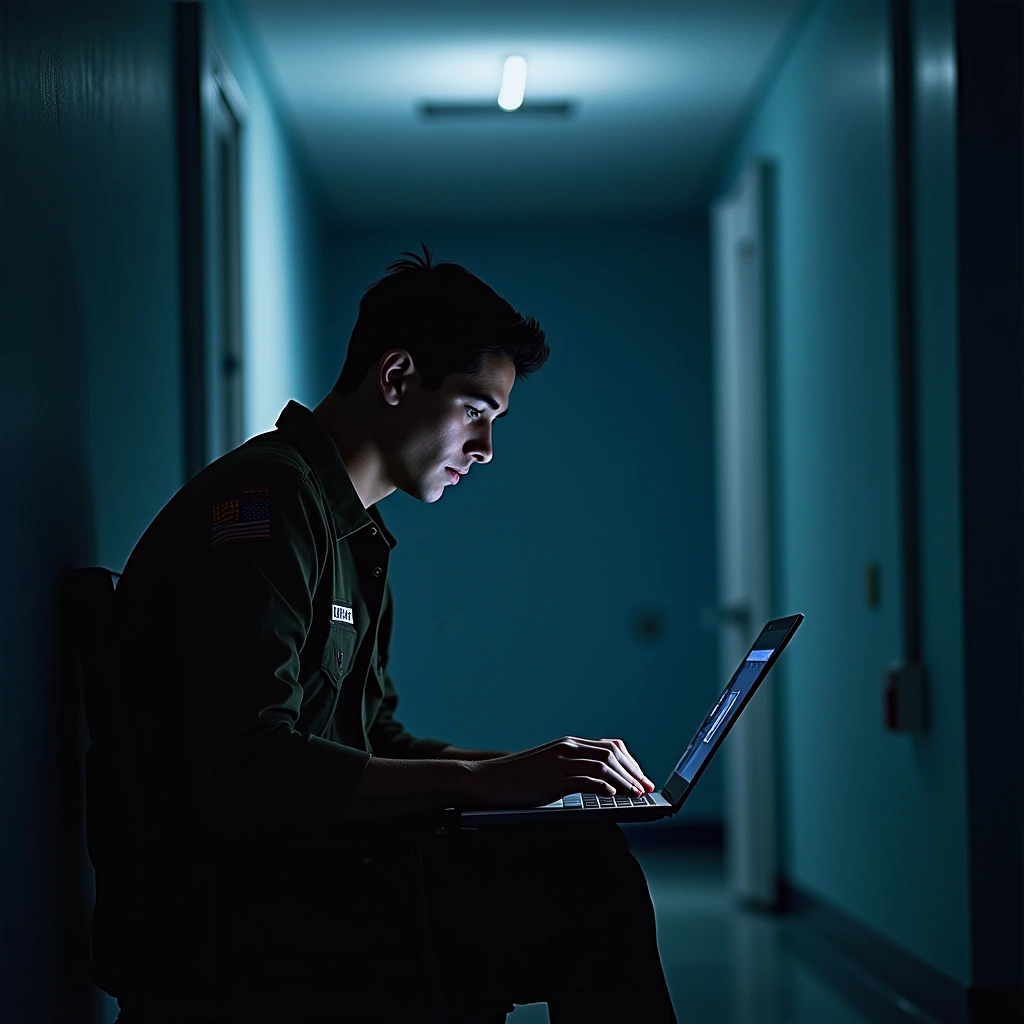
    In recent years, the brave men and women in America’s cyber forces have faced a daunting adversary: not just the ever-evolving threats in cyberspace, but also an alarming increase in suicides among their ranks. This issue has raised eyebrows, and for good reason. It’s not every day you hear about a unit of cyber warriors grappling with mental health crises that rival the stress of their digital battles.

    The deaths have worried US lawmakers and military leaders within the secretive section of the armed forces, which defends American computer systems and hacks foreign adversaries, according to the people and records reviewed by Bloomberg News. They’ve also resurfaced officials’ longstanding concerns about the mental health of military hackers who have over the last year seen their workload surge because of foreign conflicts.

    Let’s be real for a moment. When you think of cyber forces, you might envision a bunch of tech-savvy individuals hunched over keyboards, sipping energy drinks, and battling hackers like it’s a video game. But behind that screen, there’s a human experience—one that’s often filled with pressure, isolation, and the haunting specter of mental health struggles.

    The military has always been a high-stress environment, but the cyber domain brings its own unique set of challenges. Cyber operations can be intense, with personnel often working long hours under high stakes. They’re tasked with protecting national security from threats that can appear out of nowhere and evolve at lightning speed. It’s a bit like trying to catch a greased pig—every time you think you’ve got a grip, it slips away, and you’re left chasing it down the digital rabbit hole.

    But let’s not forget about the social aspect of this job. Many cyber professionals work in isolated environments, often with limited face-to-face interaction. This can lead to feelings of loneliness and disconnect, which are not exactly the best ingredients for a healthy mind. Think of it as being stuck in a never-ending Zoom meeting, but without the option to turn off your camera and pretend you’re having a technical issue.

    The rise in suicides among these cyber warriors is a wake-up call for the military and society at large. It highlights the urgent need for mental health resources tailored specifically for those in the cyber domain. Programs that provide support, foster community, and encourage open conversations about mental well-being are essential. After all, it’s hard to fight off cyber threats when you’re battling your own demons.

    In recent discussions, military leaders have acknowledged the need for more comprehensive mental health support. This includes training programs that focus not only on technical skills but also on resilience, stress management, and the importance of seeking help. Because let’s face it, even the best cyber warriors need to take a break and recharge their mental batteries.

    It’s also crucial to break the stigma surrounding mental health in the military. For too long, there’s been a culture of silence—where admitting you need help is seen as a sign of weakness. This needs to change. If you’re out there fighting the good fight in cyberspace, you should feel empowered to seek help without fear of judgment. Just like you wouldn’t hesitate to call in backup during a cyber attack, you shouldn’t hesitate to call in backup for your mental health.

    So, what can we do to help? First, we can start by talking about it. Share stories, listen to experiences, and support initiatives that promote mental health awareness. Organizations and individuals can contribute to building a culture that prioritizes mental well-being, not just for those in cyber forces but for everyone. After all, we’re all in this together, and who wouldn’t want to support our modern-day digital warriors?

    In conclusion, while America’s cyber forces are on the front lines of defending against digital threats, they also face a silent battle of their own. It’s time to shine a light on mental health within this community and ensure that those who protect us online are also protected in their minds. Let’s make sure that they know they’re not alone in this fight, and that it’s perfectly okay to ask for help. Because in the end, a healthy mind is just as important as a sharp skill set in the ever-evolving battlefield of cyberspace.


    Inspired by: “America’s Cyber Forces Grapple With Cluster of Deaths by Suicide” (r/technology)