Category: Health

  • Meta’s Latest Settlement: When Social Media Meets Mental Health

    Meta’s Latest Settlement: When Social Media Meets Mental Health

    Attorneys general from 47 states, Washington, D.C., and three U.S. territories alleged that Meta designed social platforms with addictive features that were harmful to children and teens, knowingly violated the Children’s Online Privacy Protection Rule, and misled the public about the safety of its platforms. The settlement, which comes on the heels of similar cases in New Mexico and Los Angeles, heightens concerns about how social media affects mental health, particularly for adolescent users, and the extent to which tech companies should be held accountable.

    So, here we are in the age of social media, where every like, share, and comment can feel like a roller coaster ride of emotions—mostly the ones that make you want to curl up in a ball and binge-watch cat videos. Recently, Meta Platforms (you know, the folks behind Facebook and Instagram) decided to settle with a teen who claimed that their platforms were not just harmless fun but actually contributed to some serious mental health issues, including depression and eating disorders. Yes, you heard that right! It’s like finding out that the candy you thought was just sugar actually contained a dash of sadness.

    This settlement happened right during jury selection for a trial involving two teens, S.J. and K.D.B., who decided enough was enough. They were taking a stand (or maybe a seat, because who has the energy to stand these days?) against Meta and Snap Inc. for allegedly designing their platforms to be addictive. I mean, we all knew scrolling through endless photos of avocado toast and gym selfies could be a bit intoxicating, but who knew it could lead to mental health crises?

    Meta had previously settled with S.J., which means they probably looked at their legal team and said, “Let’s just pay this kid off and avoid the drama of a courtroom showdown.” Now, the trial is focused solely on Snap, which is like when you finish one Netflix series and have to decide whether to dive into another or just stare blankly at the wall.

    The conversation around social media and mental health is becoming increasingly important, and honestly, it’s about time. Many studies have shown that platforms like Instagram can lead to feelings of inadequacy, anxiety, and yes, even eating disorders. It’s like social media is the gift that keeps on giving, except the gift is wrapped in layers of self-doubt and comparison.

    But let’s not forget that social media isn’t entirely to blame. After all, it’s not like anyone is holding a gun to our heads, forcing us to scroll through our ex’s vacation photos while we’re sitting on the couch in our pajamas, eating ice cream straight from the tub. It’s a choice, albeit a not-so-great one sometimes. Yet, when platforms design their apps to keep us hooked, it raises some serious ethical questions.

    As we look ahead, this case could set a precedent for how social media companies handle mental health issues. Will they start implementing features that encourage healthier habits? Or will they just keep throwing money at the problem until it goes away? I guess only time will tell. For now, let’s just keep the conversation going and make sure to take those breaks from scrolling—preferably while enjoying some actual food instead of just looking at pictures of it.

    So, the next time you find yourself deep in the rabbit hole of social media, remember that you have the power to log off and take care of your mental health. And who knows? Maybe you’ll find a better way to spend your time—like learning how to bake sourdough bread or finally finishing that book you started three years ago. Because, let’s be honest, life is too short to be scrolling endlessly through a feed that might just be contributing to your existential dread.


    Inspired by: “Meta settles with teen during trial testing claims social media caused depression, eating disorders” (r/News)


  • The Rollercoaster of Cricket: Prasidh Krishna’s Fitness Fiasco

    The Rollercoaster of Cricket: Prasidh Krishna’s Fitness Fiasco

    Prasidh Krishna has been ruled out as he is still recovering from a hamstring injury and needs more time to regain full fitness .

    Ah, cricket! The sport that brings together the thrill of competition, the agony of injuries, and the joy of a good old-fashioned fitness assessment. Today, we’re diving into the latest drama unfolding in the world of Indian cricket as Prasidh Krishna has been ruled out of the New Zealand ODI series. Yep, you heard that right—Krishna will not be strutting his stuff on the field for the One Day Internationals. But don’t worry, there’s a silver lining (or should I say, a Siraj lining?) in the form of Mohammed Siraj being added to the India A squad for the second game.

    Let’s start with Prasidh Krishna. The young pacer, known for his impressive bowling skills and a name that sounds like he should be the hero of a Bollywood film, unfortunately, has had to step back due to fitness concerns. It seems that cricket isn’t just a game of skill; it’s also a test of your body’s willingness to cooperate. And in Krishna’s case, his body decided to take a little vacation just when the team needed him most. Classic!

    But fear not, cricket fans! Prasidh is still in the running for the Tests, as the Board of Control for Cricket in India (BCCI) has revealed that he will be added to the India A squad for the third and final game against New Zealand A, scheduled to kick off on November 7—if he passes the fitness assessment. So, it’s all about those dreaded fitness tests. You know, the ones that can turn even the fittest athletes into nervous wrecks. It’s like being back in school and waiting for your exam results, but this time, your future in cricket hangs in the balance.

    Now, let’s talk about Mohammed Siraj. The man with a knack for making his presence felt on the field, Siraj is stepping in to fill the void left by Krishna. It’s like finding the last slice of pizza at a party—unexpected but oh-so-welcome! Siraj has been a solid performer and is known for his ability to swing the ball like a pro. He’s probably warming up right now, imagining all the wickets he’s about to take while Krishna sits on the sidelines, doing his best to pass that fitness test.

    As we look ahead to the series, it’s clear that fitness is a critical part of the game. Players are constantly pushing their limits, and injuries can happen when you least expect them. So, while we may be disappointed to see Krishna out of the ODI series, we can take solace in the fact that the game goes on, and there’s always a chance for redemption.

    In conclusion, let’s raise a toast (or a cricket bat) to Prasidh Krishna, hoping he clears his fitness assessment and gets back on the field soon. And let’s not forget to cheer on Siraj as he takes the spotlight. After all, in cricket, just like in life, you never know when you’ll be called to step up to the plate (or wicket, in this case). Here’s to the unpredictable, thrilling, and sometimes downright humorous world of cricket!


    Inspired by: “Prasidh Krishna ruled out of New Zealand ODI series; Siraj added to India A squad for 2nd game” (r/World)

  • Maya Gebala: A Brave Journey from Hospital to Home

    Maya Gebala: A Brave Journey from Hospital to Home

    HrtWarming. 2,803,549 followers · 70,391 talking about this. Heart Warming stories from around the world that will brighten up your day and spirits .

    In a story that could warm the coldest of hearts, 13-year-old Maya Gebala is finally being released from the hospital after a grueling 262 days of recovery following the Tumbler Ridge mass shooting. Yeah, you read that right—nine months in a hospital. That’s longer than some people spend in college! But instead of cramming for finals, Maya was battling through surgeries, therapies, and all the lovely hospital food (which, let’s be honest, could use a serious upgrade).

    Maya’s father recently shared the news that his daughter is coming home, and you can bet there were likely tears of joy—and probably a few sighs of relief—mixed in with the hospital’s antiseptic smells. After such a long ordeal, it’s hard to imagine how excited she must be to swap the hospital gown for her favorite pajamas and binge-watch some Netflix without anyone wheeling in a cart of questionable mystery meat!

    The Tumbler Ridge shooting was a tragic event that shook the community, leaving an indelible mark on the lives of many. But amidst the horror, stories like Maya’s remind us of the resilience of the human spirit. She’s not just a survivor; she’s a warrior. And that’s not just some cliché; it’s a testament to how tough this young girl has been through everything life threw at her.

    What’s next for Maya? Well, she’ll probably need a little time to adjust to the outside world again—like remembering how to ride a bike without the hospital staff hovering nearby, or figuring out if she still likes pizza after all those months of hospital cuisine. (Spoiler alert: she probably does.)

    Her journey doesn’t end here, of course. Transitioning from hospital life to home life comes with its own set of challenges, but if she can handle nine months of hospital food, a little adjustment to home should be a walk in the park—or at least a stroll around the block!

    As the community rallies around Maya and her family, it’s a good reminder for all of us to cherish our loved ones and support those going through tough times. Whether it’s sending a card, cooking a meal, or just being there to listen, sometimes the little things can make a world of difference. So, here’s to Maya—may her homecoming be filled with love, laughter, and maybe a slice of pizza or two.

    In a world where we often hear about the worst, it’s uplifting to see stories of hope and resilience. Welcome home, Maya! You’ve got a whole community cheering you on, and we can’t wait to see you thrive outside those hospital walls.


    Inspired by: “Tumbler Ridge shooting survivor Maya Gebala being released from hospital, father says” (r/News)

  • Why Banks and Healthcare Are Winning the Software Engineer Salary War

    Why Banks and Healthcare Are Winning the Software Engineer Salary War

    Yes, when the engineer drives business outcomes worth a multiple of the package. For commodity work, a team with high turnover, or a single workflow that a scoped build could cover, a premium salary may not match the impact.

    If you thought tech companies were the undisputed champions of attracting software engineers with their fancy perks and salaries, think again! A recent report from Randstad has thrown a curveball into the mix, revealing that banks and healthcare firms are now waving their wallets and outbidding tech firms for top-notch coding talent. Yes, you heard that right—those staid old financial institutions and healthcare providers are getting a little too cozy with software engineers, and it’s time we dissect this trend.

    So, why are banks and healthcare companies suddenly throwing money at software engineers like they’re at a Vegas slot machine? First off, let’s talk about the elephant in the room: the skyrocketing demand for artificial intelligence skills. As businesses scramble to integrate AI into their operations, the competition for skilled software engineers has heated up faster than a microwave burrito. Who knew that combining bits and bytes could lead to such a frenzied bidding war?

    According to Randstad’s survey, which spanned across 11 countries (because why limit this phenomenon to just one nation?), healthcare firms are reportedly paying up to 17% more than their tech counterparts. It’s like the healthcare sector suddenly realized that hiring a software engineer might be more beneficial than hiring a new doctor in scrubs who can only prescribe antibiotics. So, if you’ve ever dreamed of working in a place where you can code and save lives at the same time—well, now’s your chance!

    And let’s not forget about the recent layoffs in the tech sector. With many tech giants trimming their workforce, the pool of available talent has swelled, but the demand for skilled engineers has remained relentless. This has led to an interesting paradox where tech companies, once the holy grail for software engineers, are now struggling to keep up with the more lucrative offers from banks and healthcare firms. Talk about a plot twist!

    Now, I can already hear the tech enthusiasts raising their eyebrows. “But tech companies have the coolest office spaces and the most outrageous perks!” Sure, free snacks and nap pods are great, but when it comes down to it, can they compete with a 17% salary bump? Spoiler alert: probably not. Let’s face it; a foosball table can only do so much to make up for a paycheck that’s lower than what your neighbor’s dog walker makes.

    In a world where the demand for tech talent is only going to increase, it seems like the tables have turned. Banks and healthcare firms are not just sitting back and watching; they’re actively pursuing talent that they once may have overlooked. They’re realizing that investing in software engineers can lead to better patient outcomes, efficient banking processes, and perhaps even a more user-friendly app to check your balance without needing a degree in astrophysics.

    So, what does this mean for aspiring software engineers? If you’ve ever thought about jumping ship from a tech company to a more stable and lucrative sector, now might be the perfect time to dust off that resume and polish your LinkedIn profile. Who knows, you might find yourself coding away in a hospital or a bank, making a difference in ways you never imagined—while also enjoying a fatter paycheck.

    In conclusion, the landscape of software engineering jobs is evolving, and it’s clear that banks and healthcare firms are stepping up to the plate with offers that tech companies are finding hard to match. So, if you’re a software engineer, keep your options open, because the grass is looking pretty green on the other side of the fence. And who knows? You might find that coding for a cause is not just rewarding but also pays quite well. Now, if only they could offer free coffee like those tech companies do…


    Inspired by: “Randstad finds banks and healthcare firms outbidding tech for software engineers” (r/World)

  • FDA Scientists vs. Peptides: A Battle of Science and Wellness Fads

    FDA Scientists vs. Peptides: A Battle of Science and Wellness Fads

    A plan to give people in the United States easier access to unproven peptide drugs favored by Health Secretary Robert F. Kennedy Jr. was opposed by most Food and Drug Administration scientific staff members, who had limited input in drafting …

    In a world where wellness trends seem to pop up faster than you can say “superfood,” it’s no surprise that injectable peptides have made their way into the spotlight. But as with all things trendy, there’s a catch—this time, it’s the FDA scientists who are throwing a metaphorical wet blanket over the party. Let’s dive into this fascinating (and mildly amusing) saga of science versus wellness fads, shall we?

    So, what’s the deal with peptides? For those of you who might be scratching your heads, peptides are short chains of amino acids that are believed to have various health benefits. They’ve been touted in the wellness industry as miracle cures for everything from aging to weight loss. Sounds great, right? Well, not so fast. The actual scientific backing for many of these claims is about as solid as a wet paper towel.

    Enter Health Secretary Robert F. Kennedy Jr. (yes, that Kennedy), who had a grand plan to broaden access to these injectable peptides. The idea was to make these unproven drugs more accessible to the public, which sounds like a fantastic idea if you’re a fan of living on the edge. But hold your horses! The FDA scientists, the very folks tasked with keeping our drugs safe and effective, were not having it. They raised their collective eyebrows and said, “Uh, maybe not.”

    Why the pushback, you ask? Well, the FDA scientists were concerned that easing restrictions on these peptides could undermine the agency’s authority. And let’s face it, nobody wants to be the one in charge when things go horribly wrong. Imagine a world where people are freely injecting themselves with untested substances because they heard it would improve their skin glow or help them shed those pesky pandemic pounds. Yikes!

    This little drama unfolded under the watchful eyes of the Trump administration, who seemed keen on shaking things up in the health sector. The policy was reviewed at the White House, which is where you imagine a bunch of people in suits sitting around a table, sipping coffee and trying to sound knowledgeable about things they probably Googled five minutes prior. Spoiler alert: they didn’t come to a unanimous decision.

    Now, let’s address the elephant in the room—why are these peptides so popular in the wellness industry? Well, it seems that in a society obsessed with quick fixes and instant gratification, the allure of a simple injection to achieve your health goals is hard to resist. Who wouldn’t want to look like a Greek god or goddess without having to hit the gym every day? But just because something is popular doesn’t mean it’s safe or effective.

    The FDA scientists, bless their hearts, are just trying to keep the public safe from the next wellness trend that could send them running to the ER. They’re the unsung heroes in this saga, bravely standing up against the tidal wave of wellness influencers who are all too eager to promote the next big thing, even if it’s not backed by solid science.

    In conclusion, while the idea of easier access to injectable peptides may sound appealing, it’s essential to remember that not all that glitters is gold—especially when it comes to your health. So the next time you hear about a new wellness trend, take a moment to consider the science behind it. Or, you know, just stick to good old-fashioned exercise and a balanced diet. Your body (and the FDA scientists) will thank you.


    Inspired by: “FDA scientists opposed the Trump administration’s effort to ease peptides access” (r/News)

  • The Truth Behind the Talarico Rumors: A Mental Health Misunderstanding

    The Truth Behind the Talarico Rumors: A Mental Health Misunderstanding

    The Lindner Center of Hope says Texas U.S. Senate candidate James Talarico has never been treated at the Mason mental health facility, rejecting social media rumors that spread during his recent …

    Ah, election season. A time when the air is thick with promises, debates, and—wait for it—rumors. Yes, you heard me right. And this time, the rumors are swirling around James Talarico, the Democratic candidate for a competitive Texas Senate seat, who has found himself the subject of some rather unfounded gossip.

    So what’s the scoop? Apparently, some Republican officials and conservative social media users have taken it upon themselves to spread a rather wild claim: that Talarico was recently treated at a mental health facility in Ohio. Now, I don’t know about you, but that sounds like a plot twist from a bad political drama.

    Let’s break this down. First, the facts—or, in this case, the lack thereof. Multiple reputable sources, including Newsday, the Toronto Star, and even Snopes (yes, the fact-checking heroes of our time), have all confirmed that these rumors are, shall we say, completely off base. Talarico has not been to any mental health facility, at least not in the way these posts suggest.

    Now, why would anyone spread such a rumor? Well, it turns out that misinformation can be a powerful tool in politics. It plays on fears and misconceptions, making it a handy weapon for those looking to undermine their opponents. In this case, the rumor appears to be an attempt to paint Talarico in a negative light, perhaps in hopes of swaying some voters who might be on the fence.

    But let’s be real for a moment. Spreading false claims about someone’s mental health is not just a low blow; it’s downright irresponsible. Mental health is a serious issue, and using it as a political pawn is not only distasteful but can also contribute to the stigma surrounding mental health issues.

    As the saying goes, “What goes around comes around,” and this kind of misinformation can have real consequences. Candidates, regardless of their party affiliation, deserve a fair shot at presenting their ideas and policies without being dragged down by unfounded rumors.

    So what can we learn from this little debacle? Well, for starters, it’s always a good idea to fact-check before sharing information, especially when it comes to sensitive topics. And maybe, just maybe, we should focus on discussing candidates’ actual policies and qualifications rather than resorting to rumor-mongering.

    In conclusion, while political drama can be entertaining, let’s try to keep it grounded in reality. James Talarico is not seeking help in Ohio; he’s just trying to run a campaign in Texas. And with that, let’s all take a collective deep breath and promise to keep the chatter a bit more factual moving forward. Who’s with me?


    Inspired by: “FACT FOCUS: Posts falsely claim Democratic Senate candidate James Talarico was at a mental facility” (r/News)

  • Diddy’s Dramatic Exit: From Prison to Hospital with a Head Injury

    Diddy’s Dramatic Exit: From Prison to Hospital with a Head Injury

    Skip to main content Gregg DeGuire/Getty Images for The Recording Academy Tap Here To Add Us Magazine As A Trusted Source Sean “Diddy” Combs reportedly suffered a medical emergency in prison.

    Well, folks, it seems that Sean ‘Diddy’ Combs decided to spice up his prison experience with a little drama. Yes, you heard that right! The hip-hop mogul was reportedly rushed from a New Jersey prison to a hospital after suffering a head injury. Because, apparently, being in prison isn’t enough excitement for one lifetime.

    According to multiple sources (because we all know how reliable those are), Diddy experienced a ‘medical emergency’ that necessitated his quick exit from the slammer. Now, we can only wonder what exactly happened. Was he attempting some sort of high-stakes prison workout routine? Did he trip over his own ego? Or maybe he was just trying to dodge a particularly aggressive game of checkers?

    For those keeping track, this isn’t the first time Diddy has made headlines for his escapades. You’d think he’d be used to the limelight by now, but it’s almost as if he’s on a mission to ensure that he never stays out of the news for too long. And here we are, talking about him again.

    Reports indicate that the head injury was serious enough to require immediate medical attention, which is always concerning. We can only hope that Diddy is recovering well and that he’s being treated with the utmost care—after all, a man of his stature deserves a little TLC, right?

    However, let’s take a moment to appreciate the sheer absurdity of this situation. I mean, how many times does a celebrity get to say, ‘I was rushed to the hospital from prison’ and still come out looking like a rock star? Only Diddy, folks. Only Diddy.

    As we wait for updates on his condition, let’s reflect on the fact that this whole scenario is a stark reminder of how unpredictable life can be. One moment you’re a global music icon, and the next, you’re dealing with head injuries in a New Jersey prison. Talk about a plot twist worthy of a reality show!

    So, here’s to hoping Diddy gets back on his feet soon—preferably without any more trips to the ER. Maybe next time he can stick to the usual celebrity antics, like throwing lavish parties or starting a new fashion line. Because let’s be real, we’d all prefer a new album over a hospital drama any day of the week.


    Inspired by: “Sean ‘Diddy’ Combs rushed out of New Jersey prison to hospital with head injury” (r/Entertainment)

  • Meet the Fitbit Edge: Google’s Newest Fitness Tracker That Just Might Outshine the Fitbit Air

    Meet the Fitbit Edge: Google’s Newest Fitness Tracker That Just Might Outshine the Fitbit Air

    Exclusive Fitbit Edge images show Google’s new screened fitness tracker in three colors, sitting between the Fitbit Air and Pixel Watch 5.

    Hey there, fitness enthusiasts and tech lovers! Grab your water bottles and get ready to sweat, because Google has just launched the Fitbit Edge, a new fitness tracker that’s here to bridge the gap between the Fitbit Air and the Pixel Watch. Yes, you heard that right! It’s like the middle child of fitness trackers, forever trying to prove it’s not just a ‘meh’ option.

    Now, if you’ve been living under a rock (or perhaps just avoiding the latest tech news), the Fitbit Edge is the successor to the Fitbit Charge 6. And let’s be honest, the Charge 6 was pretty solid, so Google has some big shoes to fill. But fear not, my friends! The Fitbit Edge is equipped with some exciting features that could potentially make it a frontrunner in the fitness tracking world.

    First off, let’s talk about the automatic workout tracking feature that has been a hit in both the Fitbit Charge 6 and the Fitbit Air. You know, that nifty little tool that tracks your workouts without you having to press a single button? It’s like having a personal trainer who doesn’t yell at you for skipping leg day. The Fitbit Edge takes this feature and enhances it, making it even more intuitive. So, whether you’re jogging, cycling, or attempting to do yoga without falling on your face, this device has got your back.

    But wait, there’s more! The Fitbit Edge is not just about tracking your workouts; it’s also designed to look good while doing it. Because let’s face it, who wants to wear an ugly piece of tech on their wrist? The design is sleek and modern, making it a stylish accessory for both your gym gear and your everyday outfits. You can now flex your fitness tracker at brunch without feeling like you’ve just walked off a sci-fi movie set.

    Now, you may be wondering, “How does it stack up against the Fitbit Air?” Well, let’s just say that while the Air is a great option for casual fitness fans, the Edge is like that overachieving friend who always brings home the gold. With more advanced features and enhanced tracking capabilities, it might just leave the Air feeling a bit, well, ‘air-y’ in comparison.

    Of course, it wouldn’t be a proper tech launch without the usual comparisons to the Pixel Watch. The Fitbit Edge sits comfortably between the Fitbit Air and the Pixel Watch, offering a blend of fitness tracking and smart features without the hefty price tag of the Pixel. It’s like finding that perfect balance between being a sophisticated adult and a carefree kid at heart.

    In conclusion, the Fitbit Edge is making waves in the fitness tracker market, and it might just be the game-changer we’ve all been waiting for. With its automatic workout tracking, stylish design, and competitive edge over the Fitbit Air, it’s definitely worth considering if you’re in the market for a new fitness companion. So, whether you’re training for a marathon or just trying to get off the couch more often, the Fitbit Edge might be the right fit for you.

    Now, if only it could also bring me snacks post-workout, then we’d really be onto something. Until then, happy tracking!


    Inspired by: “Google’s new Fitbit Edge has launched, and it could beat the Fitbit Air” (r/World)

  • Google’s Health Guardian: Your New Best Friend in Fitness Tracking

    Google’s Health Guardian: Your New Best Friend in Fitness Tracking

    Our new health and safety tools are live in the Google Health app. Shamira Sridharan Weaver Senior Product Manager Sep 24, 2026 Health Guardian features 1 , our new proactive health and safety tools, are rolling out in the Google Health app, giving Pixel Watch users more ways to prioritize their well-being directly from their wrists.

    Hey there, fitness enthusiasts and couch potatoes alike! Have you heard the news? Google is stepping up its game in the health monitoring arena by expanding its Health Guardian service to the Fitbit Air and the shiny new Fitbit Edge. Yes, that’s right! If you’re still using that ancient fitness tracker that looks like it came out of a time machine, it might be time for an upgrade.

    Now, before you get too excited, let’s talk business. To access all these fancy features, you’ll need a Google Health Premium subscription. Yes, that’s another subscription to add to your growing list, right next to Netflix and that obscure app you downloaded during a late-night scroll through the App Store. But hey, who doesn’t love a good monthly fee?

    So, what’s this Health Guardian all about? Imagine having a personal trainer, a nurse, and a tech-savvy buddy all rolled into one tiny device that sits on your wrist. The Health Guardian monitors various health signals (no, not the signals from your favorite TV show), provides monthly summaries, and even sends you notifications if something seems off, like an irregular heart rhythm. Because who doesn’t want a little nudge from their watch telling them to check their heart? Thanks, buddy!

    But wait, there’s more! Google is not just stopping at health monitoring. They’re also nearly doubling the automatic activity tracking capabilities for the Fitbit Air, Edge, and Pixel Watch models 3 through 5. That means your watch will be tracking your every move—literally. Whether you’re taking a leisurely stroll to the fridge or engaging in a full-on sprint to catch the bus, your Fitbit will be right there, judging you. Just kidding! It’s there to help, not judge. Mostly.

    This expansion in automatic activity tracking means that your Fitbit will have an even better understanding of your daily activities, giving you a clearer picture of how much you’re actually moving. Spoiler alert: it’s probably less than you think. But with Google’s new updates, you might be inspired to get up and move a little more. Or at least that’s what they’re hoping.

    In summary, Google is making strides in health tech with the Health Guardian feature on the Fitbit Air and Edge. Sure, it comes with a subscription fee, but if you’re serious about your health and fitness—or just want to look cool with a fancy gadget—this could be the upgrade you didn’t know you needed. So, go ahead, embrace the future of fitness tracking, and let your watch do the worrying for you. After all, it’s not like you have enough on your plate already, right?


    Inspired by: “Google brings Health Guardian to the Fitbit Air and Edge, and expands automatic activity tracking” (r/Tech)

  • Price Tags for Healthcare: A Transparent Move by the Union Health Ministry

    Price Tags for Healthcare: A Transparent Move by the Union Health Ministry

    You are logged in Loading… LOGOUT You don’t have any Active Subscription. Subscribe now Subscribed with another email? Logout and Login with that one. Your active subscription(s) Account subscription benefits alongside Premium Stories, Editorials, Opinions and more.

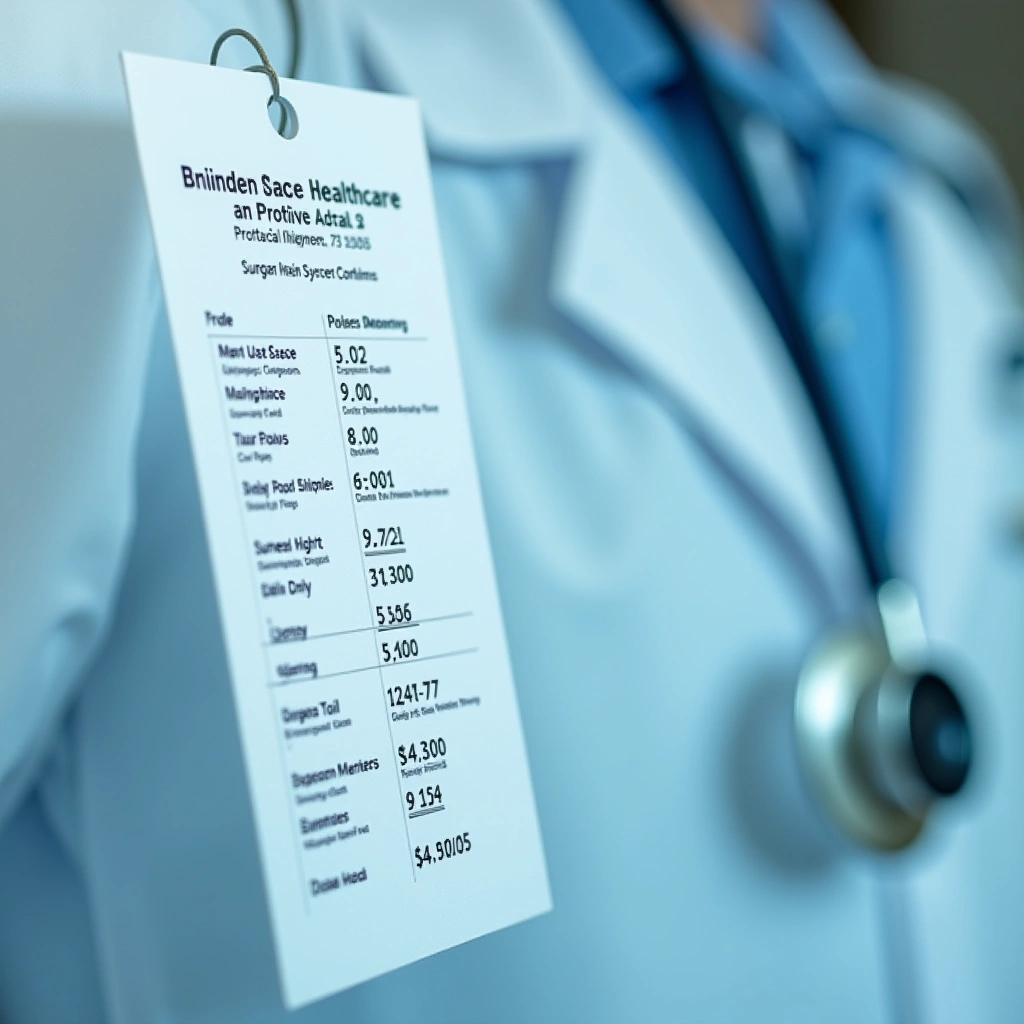
    In a move that many might say is long overdue, the Union Health Ministry has recently issued a directive to states and union territories, instructing them to prominently display rates for services and facilities at clinical establishments. Yes, you heard that right! It seems the days of surprise medical bills and guessing games are on their way out.

    Now, before you start picturing neon signs flashing ‘Affordable Appendectomy’ or ‘Bargain Heart Surgery’ like some kind of healthcare marketplace, let’s dive into what this really means. The goal here is to increase transparency and accountability in healthcare delivery. In other words, the ministry wants to ensure that patients can see the price tags on their medical services just as easily as they can spot the latest smartphone deals at their local electronics store.

    Imagine walking into a hospital and not being hit with the stress of wondering whether you’ll have to sell a kidney to pay for a simple consultation. Instead, you could stroll in, see the rates displayed right on the wall, and think, “Oh, that’s not too bad!” Or, you know, “Yikes, I’ll be Googling ‘How to cure a headache naturally’ instead.”

    But wait, there’s more! The ministry has also encouraged states to display package rates for foreign patients seeking medical or Ayush visas. Yes, that means our international friends can now find out how much it will cost them to get their medical needs taken care of without having to call every clinic in town and risk getting a quote that sounds like it came from an auctioneer.

    This initiative is a big step toward patient-centric healthcare delivery. Think of it as the healthcare version of putting calorie counts on menus. You can’t unsee that 1,500-calorie burger, and now you won’t be able to ignore that 50,000-rupee price tag for a hip replacement either!

    However, let’s not kid ourselves; while this directive sounds great on paper, the real challenge will be in the execution. Will all clinical establishments comply? Will they actually display rates that make sense, or will we end up with a menu that’s more confusing than a three-hour movie with a plot twist every ten minutes?

    And while we’re at it, can we also talk about how these prices are determined? Are they based on the latest medical advancements, or do they just reflect how much the hospital thinks you can afford? I mean, if I’m going to be paying a small fortune for a service, I’d like to know I’m getting the best of the best—not just someone who’s had an off day.

    So, here’s hoping that this directive leads to more informed patients and a healthcare system that’s as transparent as a freshly cleaned window. Because let’s face it, we could all use a little more clarity in our lives—especially when it comes to our health and our wallets!

    In conclusion, the Union Health Ministry’s push for clear pricing in healthcare is a welcome change. Let’s keep our fingers crossed that this leads to a future where we can all know what we’re signing up for before we dive into the deep end of medical expenses. After all, who wouldn’t want to see the price before committing to the service? It’s about time we started treating healthcare like any other service—because no one wants to be hit with a surprise bill that feels more like a punch in the gut than a simple medical procedure.


    Inspired by: “Ensure prominent display of healthcare service rates at clinical establishments: Centre to states” (r/News)