Reuters.com is your online source for the latest US news stories and current events, ensuring our readers up to date with any breaking news developments
If you live in New York City, you’ve probably noticed the e-bikes. They zip past on sidewalks, wait at red lights with delivery bags strapped to their backs, and somehow manage to be both the most practical and the most stressful thing on the street. Now city officials are asking a question that many residents have been asking for a while: how much risk are these machines really creating, and what should be done about it?
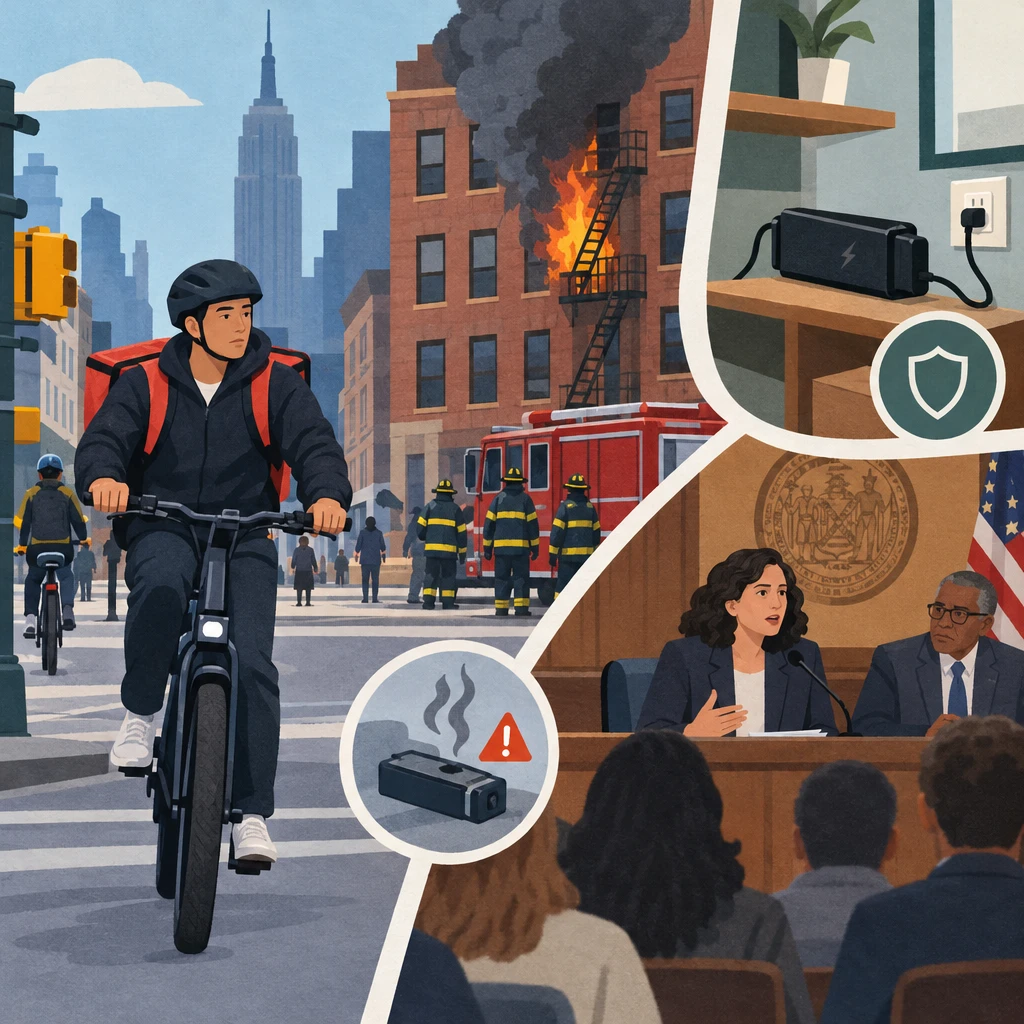
The short version is that New York is considering stricter regulations on e-bikes and their batteries after a series of fires, two of which resulted in ten deaths. That’s not a minor safety footnote. That’s a public health problem landing in apartment buildings, stairwells, and homes.
A city council hearing was held on Friday to address growing concerns about lithium-ion battery fires. According to the reporting, these fires have increased by approximately 70 percent from the previous year. Proposed legislation includes measures related to how these batteries are stored and how safely they are handled. Those two areas, storage and safety, are where a lot of the practical action will likely happen.
Why Lithium-Ion Batteries Are the Focus
Lithium-ion batteries are everywhere. They power phones, laptops, power tools, scooters, and e-bikes. They’re popular because they pack a lot of energy into a relatively small and light package. That same energy density is what makes them tricky when something goes wrong. If a battery is damaged, overcharged, or poorly made, it can overheat and enter a state that is very hard to put out. That is why a fire involving one of these batteries is not just a normal fire with a different label.
The increase in incidents has put a spotlight on how many e-bikes are being used, how they are charged, and where their batteries are kept. A battery that sits charging in a hallway or near a bed is a very different risk from one charging in a well-ventilated space with a clear exit nearby. The regulatory conversation is essentially about closing that gap between convenience and caution.
What the Proposed Rules Are Aimed At
The legislation under discussion focuses on storage and safety. In practical terms, that tends to mean rules about where batteries can be kept, how they should be charged, and what standards devices should meet before they are sold or used. Rules like these can feel like bureaucratic overreach to someone who just wants a quick commute, but they are usually designed to prevent the kind of tragedy that makes headlines.
It is worth noting what the reporting does and does not say. The sources focus on the hearing, the rise in fires, and the general direction of the proposed measures. They do not provide a complete list of specific requirements, so it is best not to assume details beyond what has been publicly described. Anyone affected should watch for the final text and any official guidance from the city.
The Human Cost Behind the Numbers
It is easy to get lost in percentages. A 70 percent increase sounds dramatic, and it is. But the number that matters most is ten deaths. Behind that figure are families, neighbors, and first responders who had to deal with fast-moving fires in dense housing. Any policy discussion should keep those people at the center, not just the debate over bike lanes and delivery schedules.
What Riders and Owners Can Do Right Now
While lawmakers work through the process, there are sensible steps anyone with an e-bike or e-scooter can take. These are general safety habits rather than legal requirements, and they are worth following regardless of what the final rules look like:
– Only use chargers and batteries that are designed for your specific device.
– Avoid charging batteries unattended for long periods, especially overnight in sleeping areas.
– Don’t charge damaged, swollen, or overheating batteries, and stop using them if you notice warning signs.
– Keep batteries and charging equipment away from exits, stairwells, and anything flammable.
– Think twice about modifying batteries or buying cheap, unverified replacements.
None of these tips will make an e-bike risk-free, but they reduce the odds of an avoidable disaster.
The Bigger Picture
E-bikes are not going away. For many people they are a cheap, efficient way to get around, and for delivery workers they are a livelihood. That is exactly why the stakes of getting the rules right are so high. Regulations that are too loose leave people exposed. Rules that are poorly designed could push riders toward unsafe alternatives or make legitimate use harder without making anyone safer.
The good news is that the conversation has started in public, with a hearing and proposed legislation on the table. The less encouraging news is that it took deadly fires to get here. New York’s next steps will be closely watched, not only by its own residents but by other cities facing the same rapid growth in e-mobility.
For now, the takeaway is simple. E-bikes are useful, batteries deserve respect, and a little caution at home can go a long way. Lawmakers are paying attention, and so should the rest of us.
Inspired by: “As e-bike battery fires mount, New York weighs tougher restrictions” (r/News)