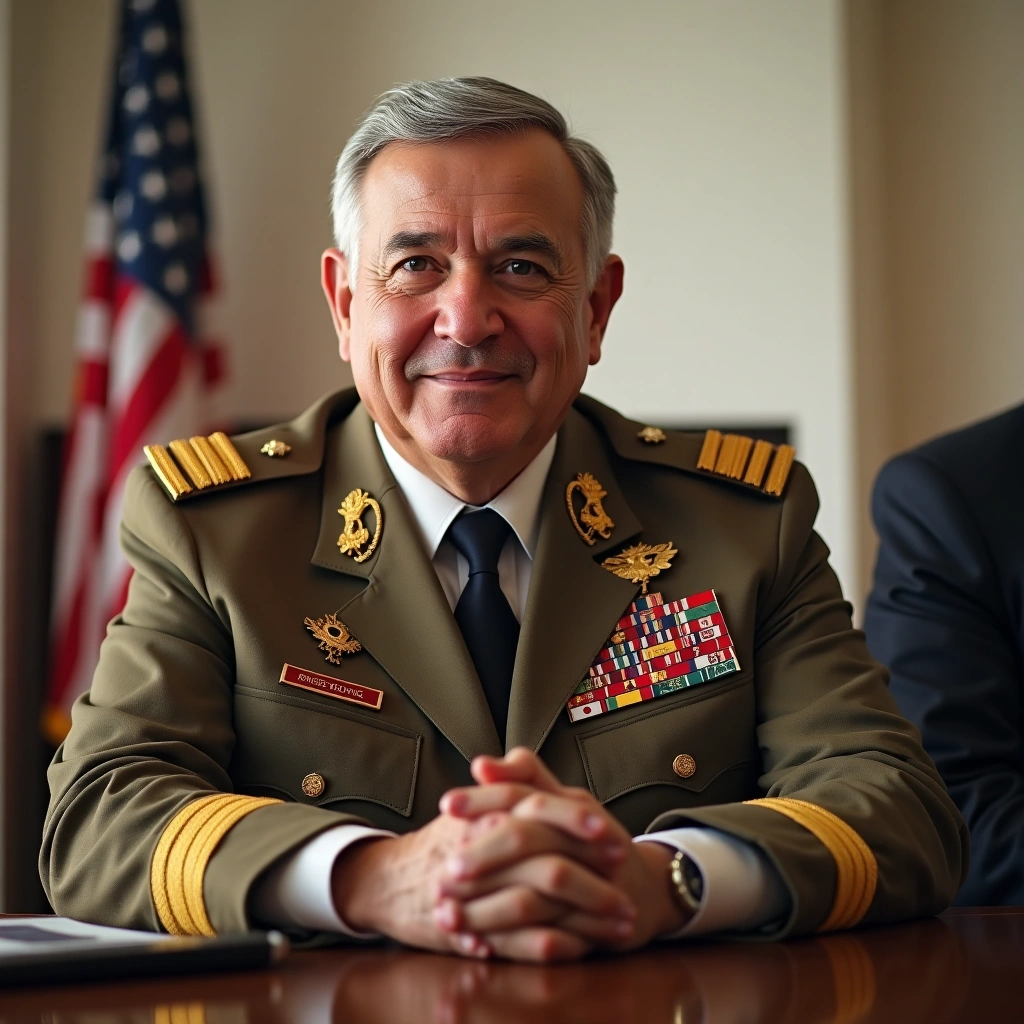
An Israeli airstrike in southern Gaza has killed Samir Abu Younis , a senior Hamas commander linked to the October 7, 2023 attack on Israel. His death was confirmed by both Hamas and the Israeli military.
Here is a sentence you do not read often: Israeli officials and Hamas officials agree on something.
According to reports from BBC News, POLITICO Europe and the Daily Mail, an Israeli strike on a camp in Gaza killed Samir Abu Younis, identified as the commander of Hamas’s Rafah Brigade. Both the Israel Defense Forces and Hamas have confirmed his death. When two parties who agree on almost nothing confirm the same fact, that fact is probably solid.
But the confirmed facts here are few. Let’s look at what we actually know, what is being claimed, and what is missing, because that gap matters more than any single headline.
What we know
Based on the available reporting:
– Samir Abu Younis, described as the commander of Hamas’s Rafah Brigade.
– He was killed in an Israeli strike.
– A camp in Gaza. The headlines don’t say which one, and I’m not going to guess.
– Both Hamas and IDF officials have confirmed the death.
That’s the verified core. It’s short, but in war reporting a short list of confirmed facts beats a long list of confident guesses.
Three outlets, three headlines
One useful habit in reading the news is comparing how different outlets frame the same event. Here are the three:
– “Israel kills Hamas commander in strike on Gaza camp, officials say”
– “Israel kills Hamas commander in Gaza strike”
– “Israel kills Hamas commander who helped mastermind October 7 attack in targeted strike on Gaza camp”
The BBC adds “officials say,” the journalistic equivalent of “don’t shoot the messenger.” It tells you the information comes from official sources rather than the outlet’s own independent verification. That isn’t hedging for its own sake. It’s being honest about where the information came from.
POLITICO Europe is the minimalist. Who, what, where, done. Very efficient, very “I have a 9 a.m. meeting.”
The Daily Mail goes further. It says the commander “helped mastermind” the October 7 attack and calls the strike “targeted.” Both are significant claims. The October 7, 2023 attack on Israel was the event that set off the current war, so linking someone to its planning puts him in a very different category from a regional commander. The other two headlines don’t make that claim, at least not in their headlines. That doesn’t mean it’s wrong. It means it’s worth noticing who is saying it and who isn’t.
Why “commander of the Rafah Brigade” matters
Rafah is in southern Gaza, on the border with Egypt, and it has repeatedly been a focus throughout the war. A brigade commander there would hold a meaningful position in Hamas’s military structure. The reports confirm his title. They don’t, in the headlines, explain his specific role, his history, or what operational difference his death makes.
That last question is the one analysts will argue about. Israel has long pursued a strategy of targeting Hamas leaders, on the reasoning that removing commanders disrupts operations. Skeptics counter that armed groups tend to replace leaders and that killing commanders doesn’t settle the larger conflict. Both arguments have been around much longer than this strike. This event will probably be used as evidence by both sides.
What we don’t know (and should)
This is the part that deserves the most attention.
The strike hit a camp. In Gaza, that word often refers to a refugee camp or a displacement camp, areas typically crowded with civilians. The available headlines don’t specify which camp it was, whether anyone else was killed or injured, or how many people were nearby.
Those aren’t small details. They’re often the most important part of the story, especially for the families involved. When a headline focuses only on the high-profile target, readers can come away thinking the strike affected one person. Sometimes that’s true. Often the fuller picture arrives later, buried a few paragraphs down or in a follow-up nobody clicks on.
Open questions include:
– Which camp was struck?
– Were there other casualties, and if so, who?
– How was the target located?
– What independent evidence supports the claim about his role in October 7?
If you’re following this story, those questions will tell you far more than the headline alone.
A short note on reading war news
News about this conflict reaches most of us through a very particular pipeline: officials make statements, outlets report them, headlines compress them, and social media compresses them again until a complex event becomes a slogan with a flag emoji.
A few habits help:
1. Check who’s talking. “Officials say” is not the same as “journalists independently confirmed.”
2. Compare outlets. If one headline includes a dramatic claim the others don’t, find out why.
3. Look for the missing nouns. Which camp? How many people? What evidence?
4. Wait a day. First reports in wartime are often incomplete. Being informed beats being first.
None of this requires picking a side. It just requires reading like an adult instead of a headline-sorting machine.
The bottom line
Samir Abu Younis, commander of Hamas’s Rafah Brigade, was killed in an Israeli strike on a camp in Gaza, and both Israeli and Hamas officials have confirmed it. That much is established.
How significant his death is, whether he helped plan October 7 as the Daily Mail reports, and what else happened in that strike are questions the current headlines don’t fully answer. Coverage will likely fill in more details in the coming days.
Until then, the most responsible reaction is curiosity rather than certainty. Not as satisfying as a hot take, I know. But in a war where real people pay for every rushed conclusion, it’s the reaction that holds up.
Inspired by: “Israel kills Hamas commander in strike on Gaza camp, officials say” (r/World)