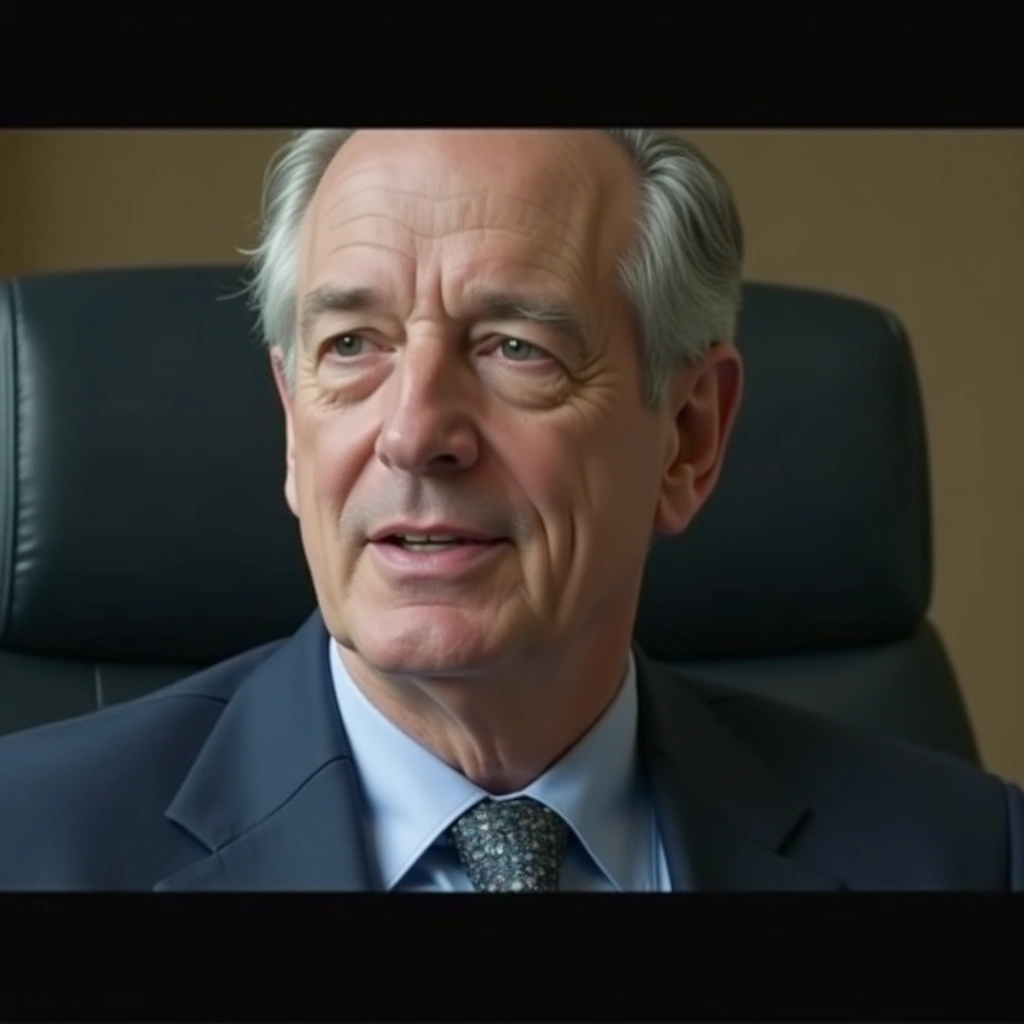
Forensics expert Dr. Michael Freeman says multiple images and overlooked details about Jeffrey Epstein's death contradict the conclusion that he died by suicide .
If you’ve spent any time on the internet since August 2019, you’ve seen the phrase. It has shown up on mugs, in comment sections, in wedding toasts that went somewhere nobody expected, and in roughly half of all replies to any post about anything. “Epstein didn’t kill himself” became one of the most durable memes of the past decade, and memes rarely come with peer review.
Now the phrase is back in the headlines, attached to an actual expert. Forensic expert Michael Freeman says that after reviewing Jeffrey Epstein’s autopsy records and photographs, he believes the death was more likely a homicide by strangulation than a suicide by hanging. BBC News, the New York Post, Hindustan Times, Newser, and a busy Reddit thread on r/politics all covered it, so this is not a niche theory floating around some forum.
Before anyone prints new T-shirts, it’s worth slowing down and looking at what was claimed, who claimed it, and what it stands against.
What Freeman Is Actually Saying
Freeman’s argument is straightforward. He reviewed autopsy records and photos, and he concluded that the injuries he saw are more consistent with strangulation than with a self-inflicted hanging. That puts him in direct disagreement with the medical examiner, who ruled Epstein’s death a suicide.
The materials he reviewed were provided by Epstein’s brother. That detail matters, and not in a sinister way. Families who doubt an official finding often seek independent experts, which is a normal and legitimate thing to do. It does mean, though, that this is an expert’s interpretation of existing evidence, commissioned through a family that already questioned the official result. It isn’t a newly discovered piece of evidence or a fresh government investigation.
Put another way, nobody found a hidden videotape. Someone looked at the same kind of evidence and read it differently.
Why Neck Injuries Are So Hard to Settle
This is the part where forensic science stops resembling a crime drama and starts resembling a long, careful argument. On TV, a pathologist glances at a bruise, raises an eyebrow, and declares the case solved before the commercial break. In real life, injuries to the neck can be difficult to interpret, and qualified experts can look at the same findings and reach different conclusions.
Freeman’s position is that the pattern of injuries points more toward strangulation. The medical examiner’s position is that the evidence supports suicide. Both sides are making professional judgments about how particular injuries are likely to have happened. When the dispute comes down to “consistent with” versus “more consistent with,” you’re dealing with probabilities and interpretation, not a smoking gun.
That isn’t a knock on Freeman, and it isn’t a knock on the medical examiner either. It’s a reminder that “an expert disagrees” and “the case has been proven” are very different headlines, even if the internet tends to treat them as the same thing.
The Part the Excited Headlines Rush Past
The less thrilling piece of context is that earlier investigations supported the official ruling of suicide and found no evidence of foul play. That doesn’t automatically make Freeman wrong. Official conclusions have been overturned before, and second opinions exist because first opinions can be mistaken.
Still, the burden is real. A single expert’s reading of autopsy photos, however credentialed, doesn’t erase prior findings on its own. For the official conclusion to change, you’d generally expect more than a disagreement over interpretation. You’d need something that tips the scales: corroborating evidence, broader expert agreement, or a formal review that reaches a different result.
If you read only the boldest version of the headline, you could walk away thinking the matter is settled. It isn’t. What exists right now is an expert opinion that conflicts with the official finding and with what previous investigations concluded.
Why This Story Refuses to Die
There’s a reason this case gets attention that most autopsy disputes never get. Epstein wasn’t an anonymous figure. He was facing serious charges, he had connections to powerful and famous people, and he died while in custody. That combination practically hands out suspicion for free.
When the official explanation is “the most convenient possible outcome for a lot of influential people just happened to occur,” many people are going to squint at it. Some of that skepticism is healthy. Institutions should be able to withstand scrutiny, and “trust us” is not a great slogan for any agency.
The trouble starts when skepticism turns into certainty without evidence. A meme repeated ten million times is still a meme. Volume isn’t proof. And when a credentialed person says something that matches what people already believed, it’s very tempting to treat it as the final word instead of one more piece of the puzzle.
How to Read Stories Like This Without Losing Your Mind
Here’s a short survival guide for the next time a headline seems to confirm what the internet has been yelling for years:
Check what’s new. Is there new evidence, or a new interpretation of old evidence? Here, it’s the latter: an expert’s analysis of autopsy records and photos.
Check who’s involved. Freeman reviewed materials provided by Epstein’s brother. That’s worth knowing. It doesn’t discredit anything, but it’s part of the picture.
Check what it contradicts. The medical examiner ruled the death a suicide, and previous investigations found no evidence of foul play. A strong claim against an established finding deserves interest and caution in equal measure.
Check the verbs. “Suggests,” “argues,” and “more consistent with” do a lot of quiet work in these stories. They mean someone holds an informed opinion, not that a case has been closed.
Notice how different outlets frame it. The New York Post called the claim “stunning.” The BBC said the expert’s analysis “suggests” Epstein was killed. Same story, very different energy. The facts underneath are identical. The adrenaline levels are not.
So, Did He or Didn’t He?
The honest answer: an expert now argues the injuries look more like strangulation, while the official ruling and earlier investigations point to suicide. That’s where things stand. It’s not the most satisfying answer, but the satisfying answer usually isn’t the reliable one.
Freeman’s analysis will probably add fuel to a debate that was never going to quiet down. Supporters of the homicide theory will see it as vindication. Defenders of the official ruling will point out that it’s one opinion against prior findings. Everyone else will keep seeing the meme under posts about sourdough starters and fantasy football, because the internet has never once let a joke go.
If this story ever does change, it’ll be because new evidence or a formal review moves it, not because a phrase got repeated enough times. Until then, the fairest position is the unexciting one: stay curious, stay skeptical in both directions, and maybe hold off on ordering the commemorative mug.
Inspired by: “Forensic Expert Argues Epstein Didn’t Kill Himself” (r/World)