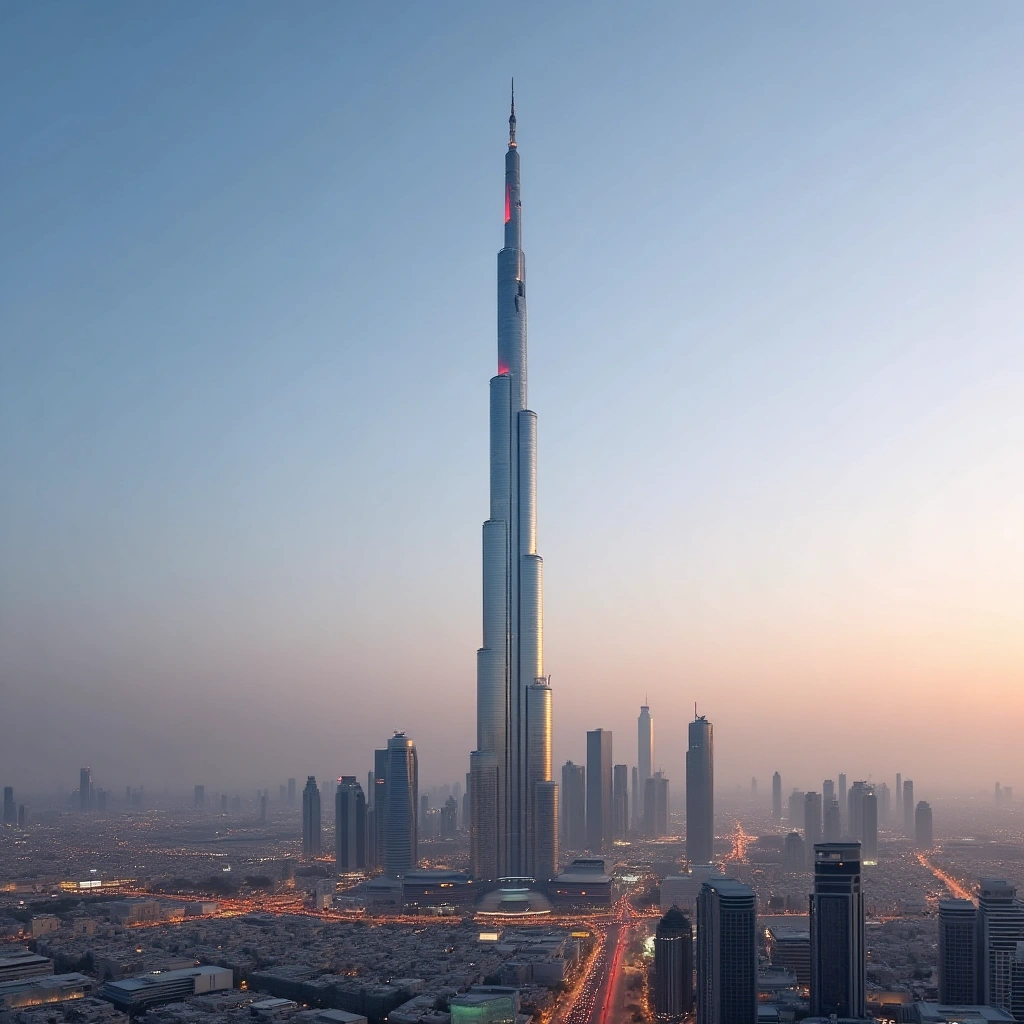
Witnesses say the 80-storey tower housing Saudi Arabia's Public Investment Fund headquarters suffered facade damage and shattered windows after a missile threat towards Riyadh.
Most of us spend Thursdays worrying about meetings, emails, and whether the office coffee machine will finally die. Residents and workers in Riyadh had a slightly bigger problem this week: a Houthi missile attack damaged a skyscraper in the Saudi capital. The building houses offices for Saudi Arabia’s sovereign wealth fund, which is not exactly a low-profile tenant.
Here’s what we know. A cruise missile launched by the Houthis was intercepted and destroyed by a Saudi-led coalition. Even so, debris from the interception caused material damage to the building. Authorities issued a warning while the threat was still being assessed, then confirmed that the danger had passed. That sequence of alerts, interception, and cleanup is becoming a grim routine in the region, and it’s worth pausing on how strange it is that a city of that size can be reminded of a war it doesn’t see on its streets every day.
It’s also worth noting that this didn’t come out of nowhere. The incident follows a recent increase in attacks by Houthi rebels, which coincides with renewed fighting in Yemen. Anyone who has followed the conflict knows the pattern: periods of relative calm, then a flare-up, then a round of statements from every party insisting they want peace while launching things at each other. It’s the diplomatic equivalent of a group project where nobody did their part but everyone is very sure it was someone else’s fault.
For context, the Houthis are an armed movement based in Yemen that has been fighting the internationally recognized government for years. Saudi Arabia has been involved in the conflict since 2015, leading a coalition that supports the Yemeni government. The two sides have traded attacks across the border for much of that time, and Riyadh has been a target before. A truce agreed in 2022 brought a welcome lull, but the calm has been fragile, and recent escalation suggests it has worn thin.
Why does a skyscraper matter so much? Partly because of what it symbolizes. Riyadh is the center of Saudi Arabia’s ambitious push to diversify its economy, and the sovereign wealth fund sits at the heart of those plans. Hitting a building with that kind of office space sends a message, whether or not the attacker intended to hit that specific tenant. Even when a missile is destroyed before it reaches its target, the falling debris can still do real damage. Interceptions don’t always end the story neatly.
The human side of this deserves attention too. Office workers in towers like this one don’t usually expect to hear sirens, get warning messages, or be told to stay put while experts figure out what’s overhead. Most people want their biggest workplace drama to involve a difficult boss or a broken elevator, not shrapnel. Every incident like this adds to the pressure on businesses and residents to plan for risks that used to feel distant.
So where does this leave things? Saudi authorities have shown that their air defenses can stop incoming threats, but this episode is a reminder that interception has limits. The wider question is whether the renewed fighting in Yemen can be brought back under control before more buildings, and more people, are caught in the crossfire. Nobody really wants a skyscraper to become the new front line, but right now the view from Riyadh is making that possibility hard to ignore.
If you’re following this story, keep an eye on official statements from the Saudi-led coalition and reporting from major news outlets, since early accounts can change as more details emerge. And if you’re a fan of office buildings with a little extra excitement, maybe skip Riyadh for a while.
Inspired by: “Riyadh skyscraper housing Saudi wealth fund damaged in Houthi attacks” (r/News)