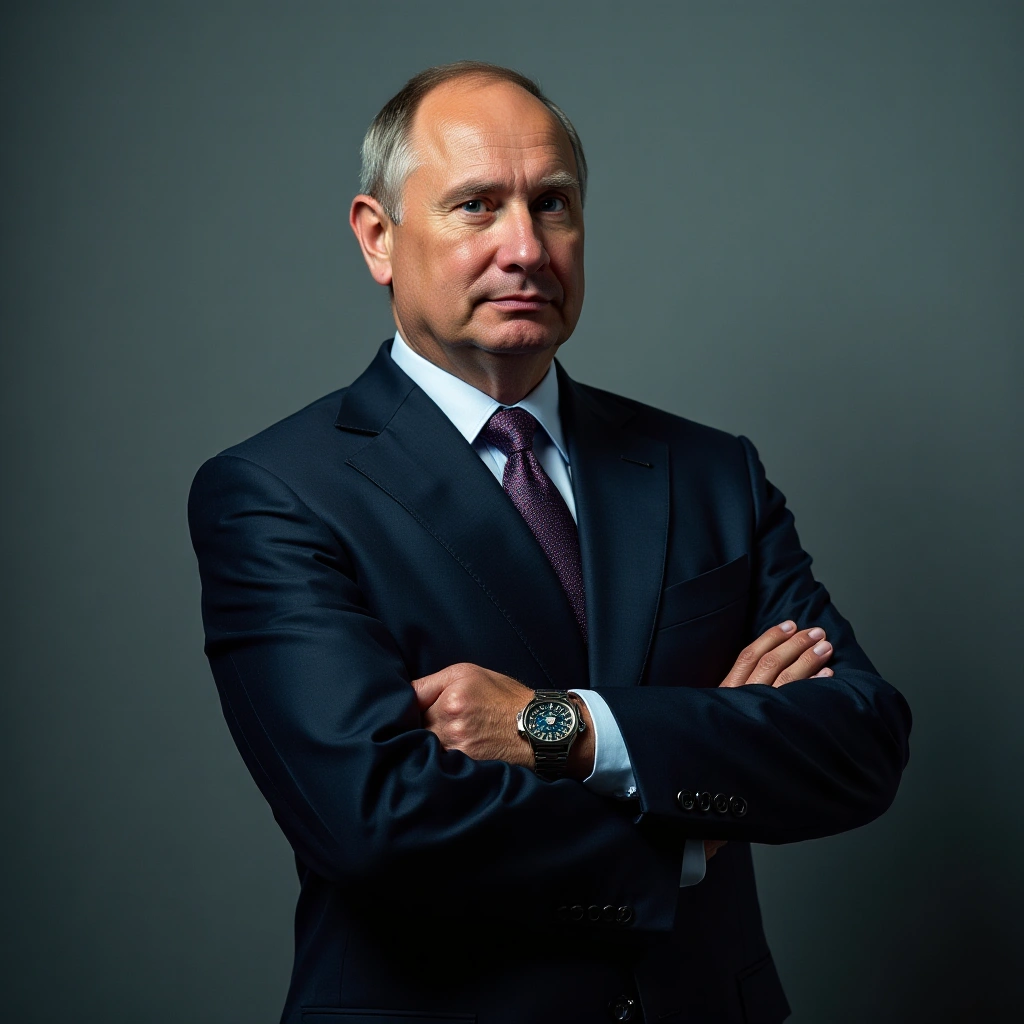
Russian national Igor D’iu, who prosecutors say slipped into the United States from Mexico and surveilled employees of a Silicon Valley defense technology company helping arm Ukraine, was indicted by a federal grand jury in Northern California, an announcement federal prosecutors made Wednesday.
Every so often a news story comes along that sounds like it was pitched to a Hollywood studio and then rejected for being too far-fetched. This week’s example: a Russian national has been indicted in the United States on charges of conspiring to act as an agent of a foreign government. The alleged goal was to gather intelligence by stalking employees of a Silicon Valley technology and defense company.
According to the reporting, the man crossed the border from Mexico. Prosecutors say the firm was targeted because of its work with Ukraine, which is a pretty clear signal of why a foreign government might care about a company like this in the middle of an ongoing war. Federal prosecutors also say the suspect was recruited by his own government to carry out the operation. In other words, this wasn’t allegedly a freelance hobby gone wrong. It was described as a job.
It’s worth pausing on the word “allegedly.” These are charges, not a verdict. Anyone accused of a crime is entitled to a fair process, and the court will decide what actually happened. Still, the details in the indictment paint a picture that has gotten plenty of attention, and it’s easy to see why.
Why would a government care about employees rather than just a company’s products? Because people are often the easiest way into an organization. Engineers, executives, and support staff come and go, talk to friends, post about their jobs, and follow routines that are not hard to observe if someone is patient enough. Surveillance of individuals can reveal who works on what, who travels where, and who might be approached or pressured. That is the sort of information that turns a tough intelligence target into a manageable one.
The case also highlights a theme that security professionals have been hammering on for years: the line between a technology firm and a national security concern has become very thin. A company that builds tools for defense or supports a country at war is suddenly part of a geopolitical chess game, whether its founders signed up for that or not. Employees who never imagined themselves as targets may find that their daily commute or weekend habits matter a lot more than they used to.
It is also a reminder of how seriously the U.S. treats foreign agent charges. Cases involving people accused of acting on behalf of another government without proper disclosure tend to draw heavy scrutiny, and this one is no exception. Coverage from several outlets, including The Washington Post, Toronto Star, MS NOW, and Political Wire, has framed it as a story about espionage and stalking, two things that don’t usually show up in the same sentence in a tech-industry article.
So what should readers take away? Mostly that the world of tech and defense is not as far removed from geopolitics as many people assume. Companies working on sensitive projects should take the personal security of their staff seriously, and employees may want to be a little more mindful about what they share publicly. As for the case itself, the courts will do the heavy lifting. Until then, it stands as a sobering example of how an ordinary-sounding office in Silicon Valley can end up at the center of an international spy story.
Inspired by: “Russian Spy Stalked Silicon Valley Defense Company” (r/Politics)