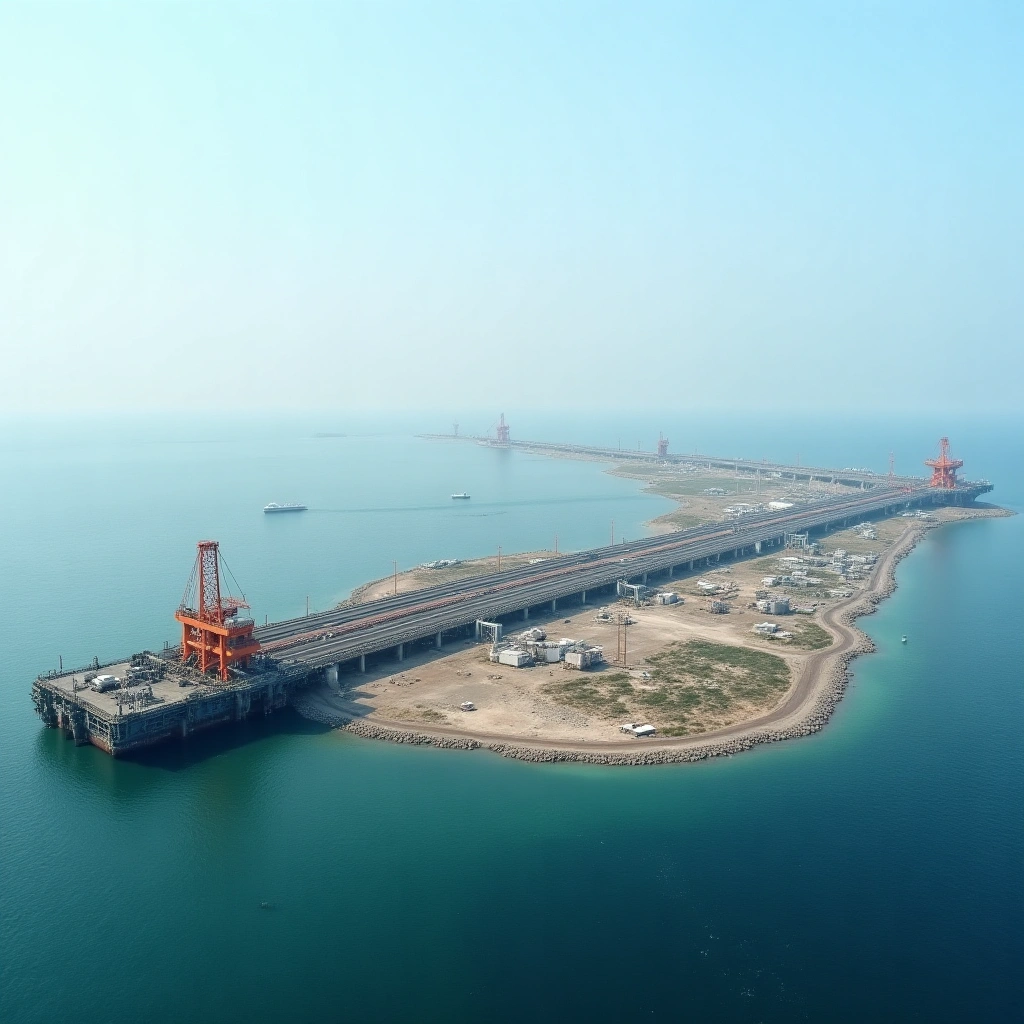
China is building a runway on another island in the disputed South China Sea that could significantly strengthen its military footprint in the strategic waterway , according to experts and satellite images seen by AFP.
If you have been following the South China Sea, you know it is rarely quiet for long. This time the headline is a new airstrip. According to analysts cited by The Straits Times, China is constructing a runway on an island inside the disputed waters, and experts think it will expand Beijing’s military presence in the region. Other outlets, including the National Post and CNA, ran similar stories, which tells you this one has legs.
Now, a runway on a small island might not sound like the stuff of global crises. Airstrips are not exactly glamorous. But in this part of the world, a piece of concrete can carry a lot of meaning. A runway can host aircraft, and aircraft change the math on who can see what, who can respond how quickly, and who gets to say they are in charge of a stretch of ocean that many other countries also use.
The construction is part of a longer pattern. China has been reclaiming land and building infrastructure across reefs and outcrops in the Paracel and Spratly Islands for years. Think of it as a slow, steady renovation project, except the house is a set of disputed reefs and the neighbors have strong opinions about the paint color. Each new project tends to look less like a one-off and more like a chapter in a very long book.
Beijing claims ownership of most of the South China Sea. That claim is contested by several Southeast Asian nations, including countries that have their own competing claims to parts of the waters and features. It was also deemed legally invalid by an international ruling. China has not accepted that ruling, which is a bit like losing a referee’s decision and then insisting the referee was standing in the wrong spot. The result is a standoff where legal findings exist on paper, but the facts on the ground keep changing.
So why does a runway matter more than, say, a lighthouse or a fishing shelter? Largely because of what it enables. Military analysts tend to focus on how far an island’s infrastructure can project power. An airstrip can support surveillance flights, fighter jets, or transport aircraft, extending reach well beyond the island itself. That does not automatically mean conflict is coming, but it does shift the balance of what is possible and what is expected.
There is also the question of signaling. Governments do not usually build things in disputed areas just for the view. Construction sends a message to rival claimants, to the United States and other outside powers that have interests in regional shipping, and to domestic audiences at home. Whether intentional or not, the message is that the work is not stopping anytime soon.
For the countries nearby, the situation is awkward at best. They must weigh economic ties with China against concerns about sovereignty and security, all while trying not to escalate things further. Diplomacy in this region often sounds like two people politely agreeing to disagree while quietly rearranging the furniture.
The bottom line is that a new runway is a concrete example of a much larger and unresolved dispute. It may not be the final word in the story, but it is a clear sign that the South China Sea remains one of the most closely watched and tensely contested maritime spaces in the world. Keep an eye on it, because the next update is probably already under construction.
Inspired by: “China bolsters South China Sea push with new island runway: Analysts” (r/News)