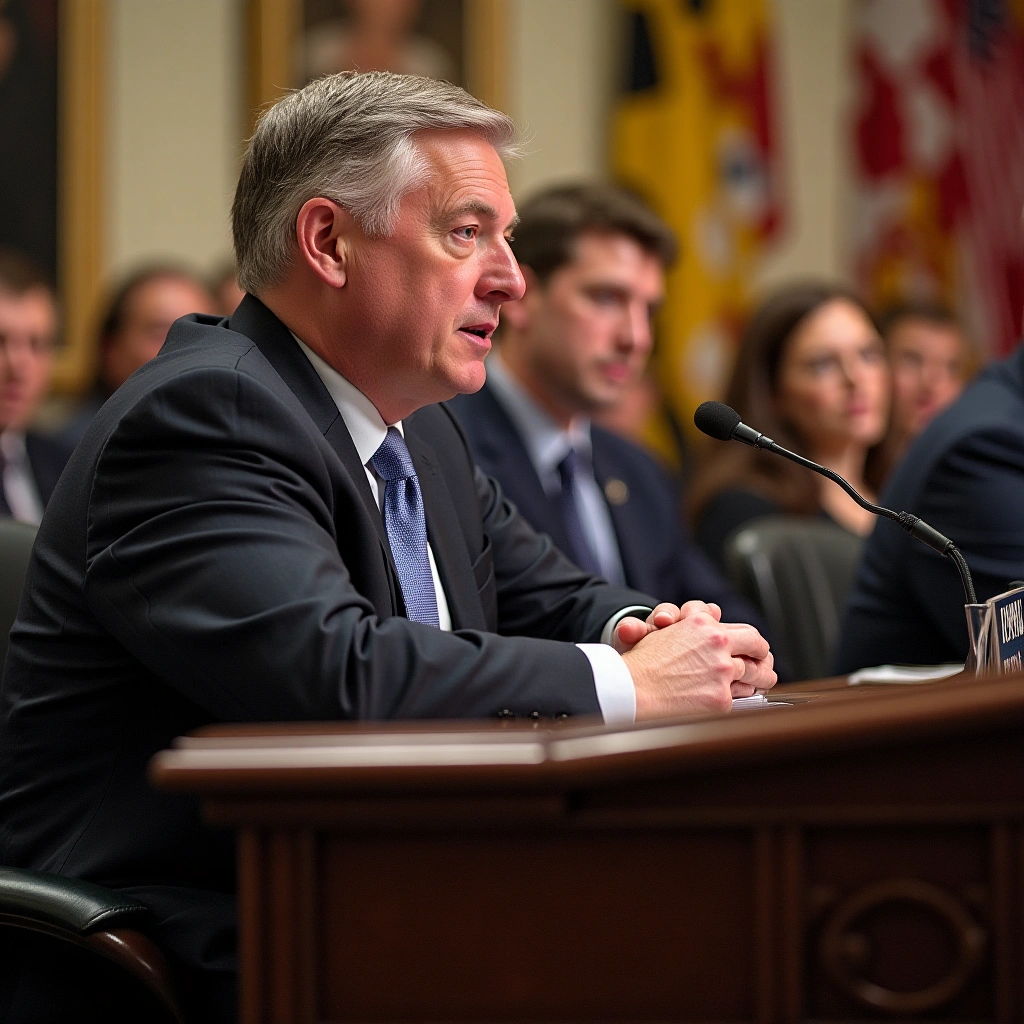
Washington — The Supreme Court on Monday turned away a challenge to Maryland laws that prohibit firearms in sensitive places like schools, parks and government buildings . In rejecting the appeal from a group of Maryland residents and gun rights …
Every so often, the Supreme Court makes news not by deciding something but by deciding not to decide something. This is one of those weeks. The nation’s highest court declined to hear a challenge to Maryland’s laws restricting firearms in so-called “sensitive places,” leaving lower court rulings that upheld those restrictions fully intact.
If you were hoping for a dramatic constitutional showdown, sorry. The Court basically looked at the case file, nodded politely, and slid it back across the table. But “no comment” from the Supreme Court is still a pretty loud comment, so let’s unpack what happened and why it matters.
What Maryland’s Law Actually Does
Maryland restricts where people can carry firearms in public. According to reporting from outlets including CBS News, NBC News, WTOP News, and Salem Radio Network News, the restricted locations include:
– Schools
– Parks, including state parks
– Government buildings
– Public transportation
– Places that sell alcohol
The common thread is the concept of “sensitive places,” locations where lawmakers have decided the risks of armed members of the public outweigh the case for allowing guns there. You might call it the “maybe let’s not” list. Schools and government buildings tend to be the least controversial entries. Parks, transit, and bars are where the arguments get louder.
What the Supreme Court Did (and Didn’t) Do
The Supreme Court declined to take up the challenge. That’s it. That’s the headline.
This matters because when the Court refuses a case, the lower court rulings stand. In this case, those lower courts had upheld Maryland’s restrictions. So the law remains in effect, and anyone hoping the justices would strike it down will have to keep waiting.
It’s worth being clear about one thing that often gets lost in the shuffle: declining to hear a case is not the same as officially endorsing the lower court’s reasoning. The Supreme Court turns down the vast majority of petitions it receives, and it usually doesn’t explain why. Sometimes the justices think the case isn’t the right vehicle. Sometimes they want to see how other courts handle the issue first. Sometimes they just have a full plate. The Court does not issue a little note saying, “Great job, everyone, gold stars all around.”
But practically speaking, the effect is real. Maryland’s rules stay on the books, and the lower court decisions upholding them remain the law in that part of the country.
Why This Fight Exists in the First Place
To understand why “sensitive places” has become such a hot phrase, you have to go back to 2022, when the Supreme Court decided New York State Rifle & Pistol Association v. Bruen. That ruling struck down New York’s restrictive permitting system and said that people have a constitutional right to carry handguns in public for self-defense.
The decision also set up a new way of judging gun laws: courts are supposed to ask whether a modern restriction fits within the nation’s historical tradition of firearm regulation. The Court acknowledged that governments could still restrict guns in certain sensitive places, but it didn’t hand out a complete list of what counts.
You can probably guess what happened next. States that wanted to keep tight limits on guns responded by passing laws defining sensitive places, sometimes broadly. Gun rights advocates responded by suing. Courts responded by trying to figure out whether a modern subway car or state park has a historical equivalent. Lawyers responded by billing a lot of hours.
Maryland was one of the states that moved to tighten its rules after Bruen, and this challenge was part of that broader wave of litigation.
The Arguments on Each Side
Without pretending to know every detail of the legal briefs, the general shape of this debate is familiar.
Supporters of the restrictions argue that certain places are simply different. Crowded spaces, places where children gather, places where alcohol is flowing, and buildings where government business happens all carry particular risks. In their view, the Second Amendment doesn’t require the government to allow guns literally everywhere, and Bruen itself recognized that sensitive places can be regulated.
Opponents of the restrictions argue that when a state labels enough places as sensitive, the right to carry in public starts to feel more theoretical than real. If you can’t bring your firearm on the bus, into the park, or into a restaurant that serves beer, they argue, then the practical ability to carry for self-defense shrinks dramatically. To them, broad sensitive-place laws look like a workaround to the very ruling that was supposed to protect public carry.
Both sides are making arguments about the same Supreme Court decision, which is part of what makes this area of law so messy. Bruen opened a door, and now everyone is arguing about how wide it actually is.
What This Means for Maryland Residents
For people living in Maryland, the takeaway is straightforward: the rules haven’t changed. The restrictions on carrying firearms in places like schools, parks, government buildings, public transportation, and establishments that sell alcohol remain in effect.
If you’re a gun owner in the state, this is a good moment to make sure you actually know where those boundaries are. “I thought the Supreme Court was going to strike that down” is not, historically speaking, a winning legal defense.
What This Means for Everyone Else
The bigger picture is that the fight over sensitive places is far from over. Other states have their own versions of these laws, and challenges continue to make their way through the courts. The Supreme Court’s decision to pass on Maryland’s case doesn’t settle the national question. It just means this particular case won’t be the one that settles it.
At some point, the justices may decide they need to give lower courts clearer guidance on what counts as a sensitive place under the Bruen framework. Until then, expect more lawsuits, more lower court rulings, and more headlines that begin with “Supreme Court declines to hear…”
The Bottom Line
The Supreme Court chose not to wade into Maryland’s sensitive-places gun law, which means the state’s restrictions survive, at least for now. Lower courts upheld the law, and those rulings stand.
Is it the final word on where Americans can carry guns? Not even close. But for Maryland, the message is clear enough: the rules are staying put. And for everyone watching the larger legal battle over the Second Amendment, the message is a bit more familiar: stay tuned, because this story clearly has more episodes left.
Inspired by: “US Supreme Court sidesteps fight over Maryland’s ‘sensitive places’ gun curbs” (r/Politics)