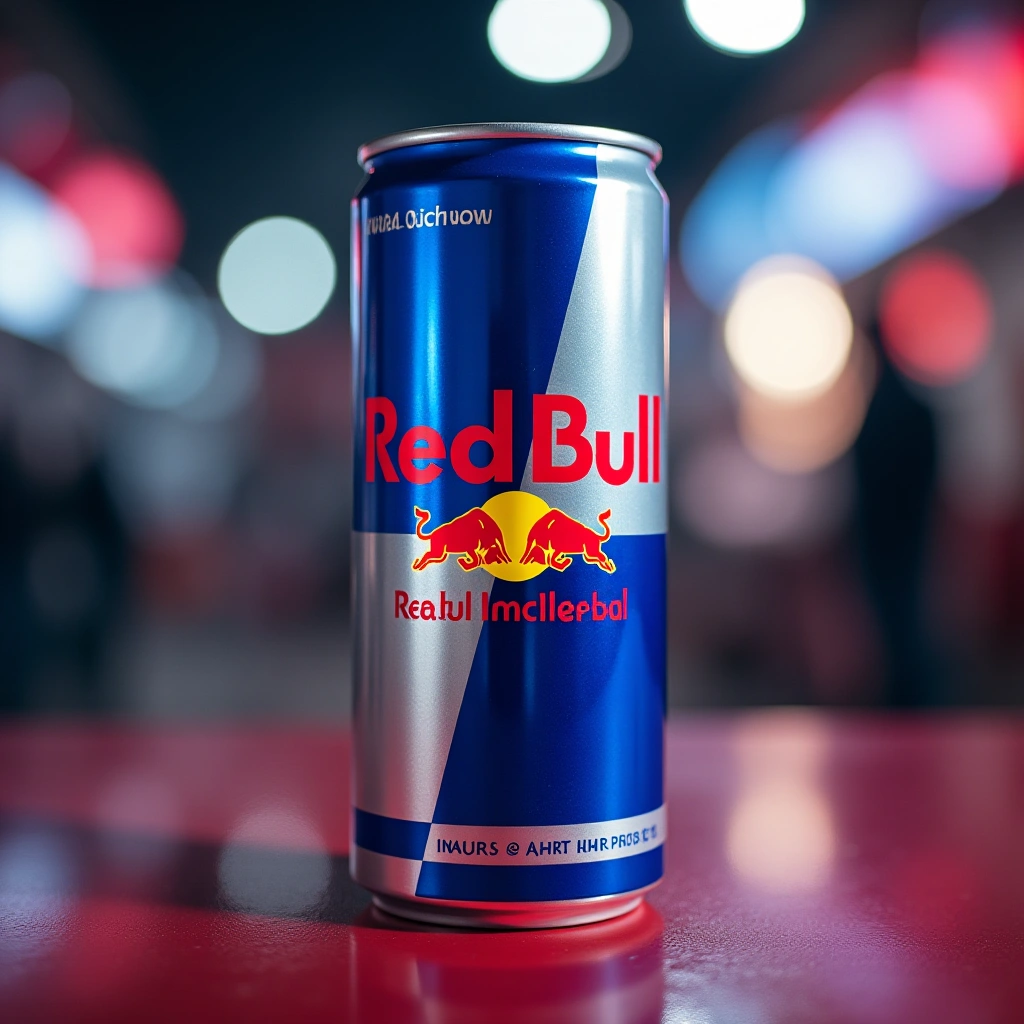
India’s food regulator is questioning Red Bull’s “energy drink” label, saying its sugar content may mislead consumers and needs scientific proof .
There are few phrases in modern marketing as confident as “energy drink.” It promises focus, stamina, and the ability to finish a spreadsheet at 11 p.m. without weeping. India’s food regulator has now looked at that phrase, looked at what’s in the can, and asked a fairly pointed question: where exactly is this energy coming from?
According to reports from the Times of India, The Straits Times, Deccan Herald and The Hindu, the Food Safety and Standards Authority of India (FSSAI) is examining the composition of Red Bull and questioning whether the drink should be labelled an “energy drink” at all. The regulator’s concern is the high level of added sugar. In other words, the FSSAI seems to be suggesting that the “energy” may owe a lot to plain old sugar, the same ingredient found in your grandmother’s kitchen and at the bottom of every dessert you regret.
What the Regulator Is Actually Worried About
The FSSAI’s concern isn’t just a matter of wording. The regulator has raised the possibility that the “energy drink” label could mislead consumers into drinking more than they should. That’s a reasonable worry. If a product is framed as a performance booster, people may reach for it the way they’d reach for a water bottle during a long day, rather than treating it like the sugary beverage it may largely be.
As Deccan Herald summarised it, the regulator’s view is that the drink derives its energy from high sugar levels. That’s a slightly deflating thought if you’ve been picturing something more futuristic going on inside that slim can.
And to be fair, sugar does technically provide energy. Calories are energy. That’s just science. But there’s a difference between “this gives you energy” and “this is a specially engineered energy product,” and the FSSAI appears to be asking whether consumers can tell the two apart from the label alone.
The Seven-Day Countdown
Here’s where things get dramatic. The FSSAI has given Red Bull seven days to justify its labelling. If the company can’t make a convincing case, it could face potential prohibition.
Seven days. That’s barely enough time to find the right paperwork, let alone build a compelling argument about why a sweet fizzy drink deserves its premium job title. Still, Red Bull is a large company with plenty of resources, so it presumably has people whose entire job is answering exactly this kind of letter. One imagines a lot of meetings, and possibly a lot of the product being consumed during them.
It’s worth stressing the word “potential.” The reports describe a possible prohibition, not one that has already happened. Nobody should be panic-buying cans just yet, and if you are, perhaps that’s proof of the regulator’s point about excessive consumption.
This Didn’t Start Yesterday
This isn’t a sudden ambush. The dispute reportedly began in June and has involved legal challenges in the Delhi High Court. So this has been brewing, or perhaps carbonating, for a while.
The details of those court proceedings aren’t spelled out in the summaries available, so it would be unwise to guess at who argued what. What we do know is that the matter has already escalated beyond a polite exchange of emails and into the legal system, which is generally not where companies hope their marketing language ends up.
The fact that the FSSAI is now formally examining the drink’s composition and setting a deadline suggests the regulator isn’t treating this as a minor technicality. The phrase “dispute escalates” in the headlines is doing honest work.
Why This Is a Big Deal
The most notable part of the story may be that this reportedly marks the first time India has scrutinised energy drink ingredients for health concerns. That’s significant. Energy drinks have been around long enough to become a normal part of student life, office life, gaming sessions and late-night drives. For a regulator to start asking what’s in them, and whether the branding matches the contents, is a meaningful shift.
If the FSSAI decides that “energy drink” is misleading when the energy comes mainly from added sugar, the effects could reach well beyond one brand. Other companies in the category would likely be paying close attention, presumably while nervously rereading their own labels.
There’s also a broader principle here: labels matter. Most people don’t read ingredient lists carefully in a shop aisle. They read the front of the package, the name of the product and whatever adjective the marketing team chose. When that front label suggests a functional benefit, it shapes how and how often people consume the product. Regulators exist, at least in theory, to make sure that impression isn’t wildly out of step with reality.
The Case for Both Sides (Sort Of)
In fairness to Red Bull, the company hasn’t been found guilty of anything in these reports. It has been asked to justify its labelling, which means it gets a chance to explain why it believes “energy drink” is accurate. There may well be arguments about how the term is used, what consumers understand it to mean, or how the product is categorised elsewhere. We’ll have to see what the company actually says.
On the other hand, the regulator’s question is simple enough that most people can follow it: if a drink’s energy comes largely from sugar, is calling it an “energy drink” a fair description or a flattering one? It’s a bit like calling a doughnut a “motivation pastry.” Not technically false, perhaps, but you can see why someone might raise an eyebrow.
What Happens Next
For now, the ball is in Red Bull’s court, and the clock is ticking. The company needs to respond within the seven-day window, and the FSSAI will then decide whether the explanation holds up. Meanwhile, the legal matter in the Delhi High Court adds another layer to an already complicated situation.
Whatever the outcome, this case could set a precedent for how India regulates energy drinks, both in terms of what goes into them and what companies are allowed to call them. That could mean clearer labels, closer scrutiny of ingredients, or simply a lot more careful wording on future cans.
The Takeaway
If there’s a lesson for the rest of us, it’s that it’s worth reading past the big bold words on the front of a product. “Energy” sounds exciting. “Added sugar” sounds less exciting. Sometimes they’re more closely related than the branding suggests.
India’s food regulator has decided to ask that question out loud, and in doing so has opened the first serious look at energy drink ingredients in the country. Red Bull now has a week to explain itself. That might be the most energising deadline the company has faced in a while.
Inspired by: “India scrutinises Red Bull’s sugar levels as ‘energy drink’ dispute escalates” (r/News)