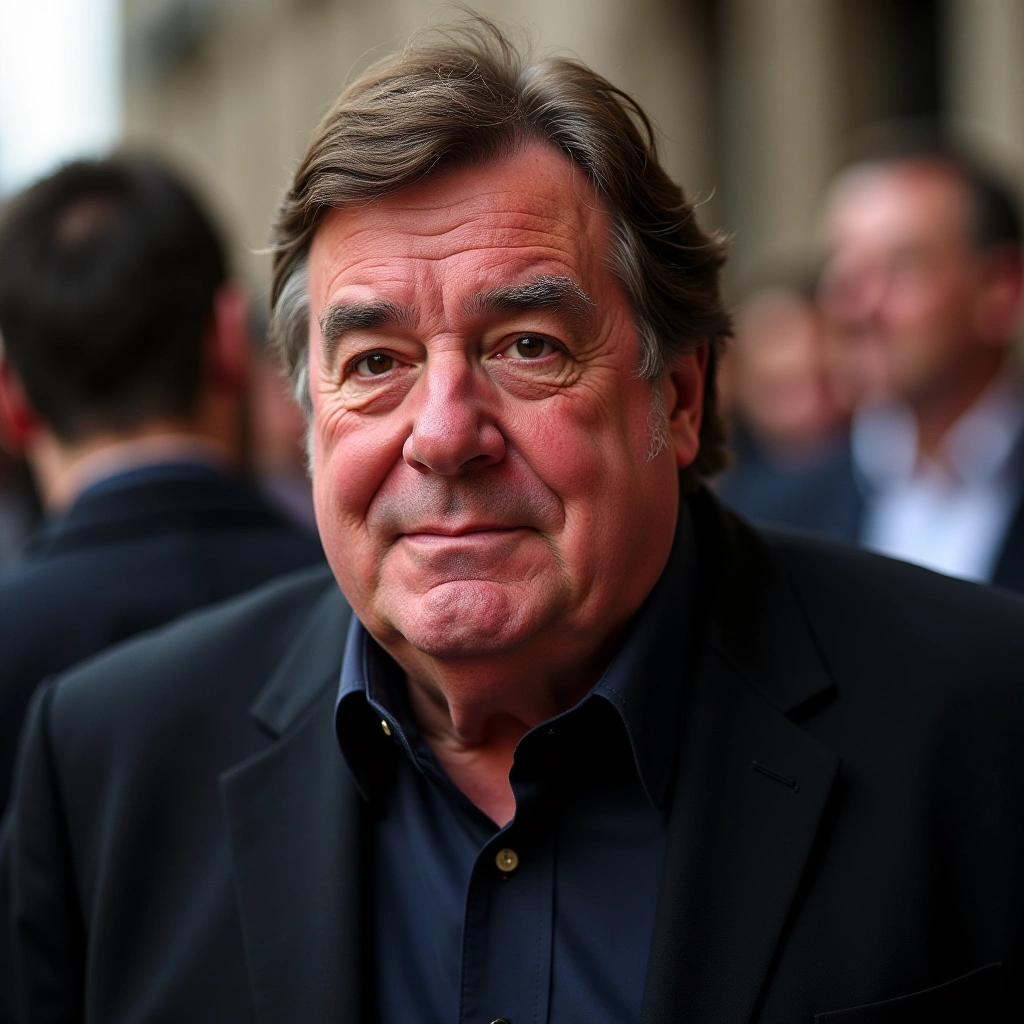
French actor Gérard Depardieu has withdrawn his appeal against his conviction for sexually assaulting two women on set in 2021 .
Celebrity legal sagas usually follow a familiar script. There’s a conviction, then a statement about being misunderstood, then an appeal, then another appeal, then possibly a memoir. So when a famous actor simply stops fighting and says, in effect, “Yes, the court got it right,” it’s worth a closer look.
That’s what happened here. French actor Gérard Depardieu has dropped his appeal against his sexual assault conviction and acknowledged guilt in a public statement. Here’s what we know, what it means, and why it matters.
The Short Version
Depardieu was convicted of sexually assaulting two women during the filming of “The Green Shutters” in 2021. The court gave him an 18-month suspended sentence and designated him a sex offender.
He had appealed that verdict. Now he has withdrawn the appeal and issued a statement saying he accepts the court’s decision. According to Deadline, the statement is titled “I Hear.” Variety reports that he said, “I take full responsibility for the conviction.”
The story was covered by the NZ Herald, Deadline, and Variety, so this isn’t a single-source rumor. It’s about as confirmed as celebrity news gets.
Wait, What Does Dropping an Appeal Actually Mean?
If you don’t follow courtroom procedure, here’s the basic idea.
An appeal asks a higher court to review a conviction or sentence, usually because the defense believes something went wrong the first time. While an appeal is pending, the original verdict can feel unfinished. Supporters can say “it’s not over yet,” and the convicted person can avoid fully accepting the outcome.
Dropping the appeal ends that. The original verdict stands, and there’s no waiting for a second round. In this case, Depardieu didn’t just withdraw quietly. He paired it with a public acknowledgment of guilt, which goes a step further than letting a legal deadline pass.
The Sentence, Explained Without Legalese
Two parts of the sentence are worth understanding.
The 18-month suspended sentence. A suspended sentence generally means the person doesn’t serve time in prison unless certain conditions are broken. Critics of these sentences often point out that, for a wealthy and famous defendant, a suspended sentence can feel more like a stern note than a penalty. Still, it is a criminal conviction with real legal weight.
The sex offender designation. This is arguably the more lasting consequence. It is a formal legal label that comes with ongoing implications, and it is very hard to rebrand around. No PR team can spin that into a quirky anecdote for a talk show.
Why the Statement Matters
Famous people convicted of serious offenses rarely say, “I take full responsibility.” More often we get phrases like “I regret that anyone felt uncomfortable” or “times have changed,” which take responsibility the way a cat takes responsibility for a broken vase.
By contrast, the reported wording here is direct. Accepting the verdict and taking “full responsibility for the conviction” closes the door on the idea that he was wrongly accused. A title like “I Hear” also suggests he is at least presenting himself as someone who has listened, whether to the court, to the women involved, or to the wider public.
Of course, a statement is still a statement. Words are easy, and people will reasonably ask whether this acknowledgment is heartfelt or simply the most practical option. That’s a fair question, and the honest answer is that nobody outside his head can know for sure. What we can say is that the legal and public record now includes both a conviction and an acceptance of guilt, and that is meaningful whatever the motive.
The People at the Center of This
In coverage of famous defendants, it’s easy to forget who the case was actually about. This conviction concerned two women who were assaulted while doing their jobs on a film set. That’s the core fact, and it shouldn’t get buried under talk about a long career and a big reputation.
When a defendant drops an appeal, the people who brought the case forward are spared another round of proceedings, another chance of having their accounts challenged, and more time spent waiting for closure. Whatever else this decision means, it brings the legal side of their ordeal closer to an end.
The Bigger Picture: Film Sets and Accountability
The fact that these assaults happened during a film shoot points to an issue the entertainment industry keeps promising to fix. Film sets are workplaces. They involve long hours, tight hierarchies, and a lot of power concentrated in a few famous hands. That combination can make it very hard for crew members and actors with less clout to speak up.
Cases like this one are a reminder that fame doesn’t exempt anyone from the law, even if it sometimes seems that way. A conviction, a dropped appeal, and a public admission of guilt together send a clearer message than any industry panel about “creating safer spaces.”
So, Is This the End of the Story?
Legally, as far as this conviction goes, dropping the appeal means the verdict stands. Culturally, the conversation will probably continue. People will debate his legacy and whether the sentence was proportionate, and the internet will do what it does best, which is argue loudly with very little nuance.
The one plot twist nobody can argue with is this: the court found him guilty, and he now agrees. In a news cycle full of celebrities insisting they’ve been canceled by a jealous universe, that counts as a development.
Key Takeaways
– Gérard Depardieu has dropped his appeal against his sexual assault conviction.
– He was convicted of sexually assaulting two women during the filming of “The Green Shutters” in 2021.
– His sentence was 18 months suspended, and he was designated a sex offender.
– In a statement reportedly titled “I Hear,” he accepted the verdict and said he takes full responsibility for the conviction.
– The story was reported by the NZ Herald, Deadline, and Variety.
Accountability shouldn’t be a rare event when famous people are involved. Until it becomes routine, though, cases like this will keep making headlines.
Inspired by: “French actor Gerard Depardieu drops appeal for sexual assault conviction” (r/News)