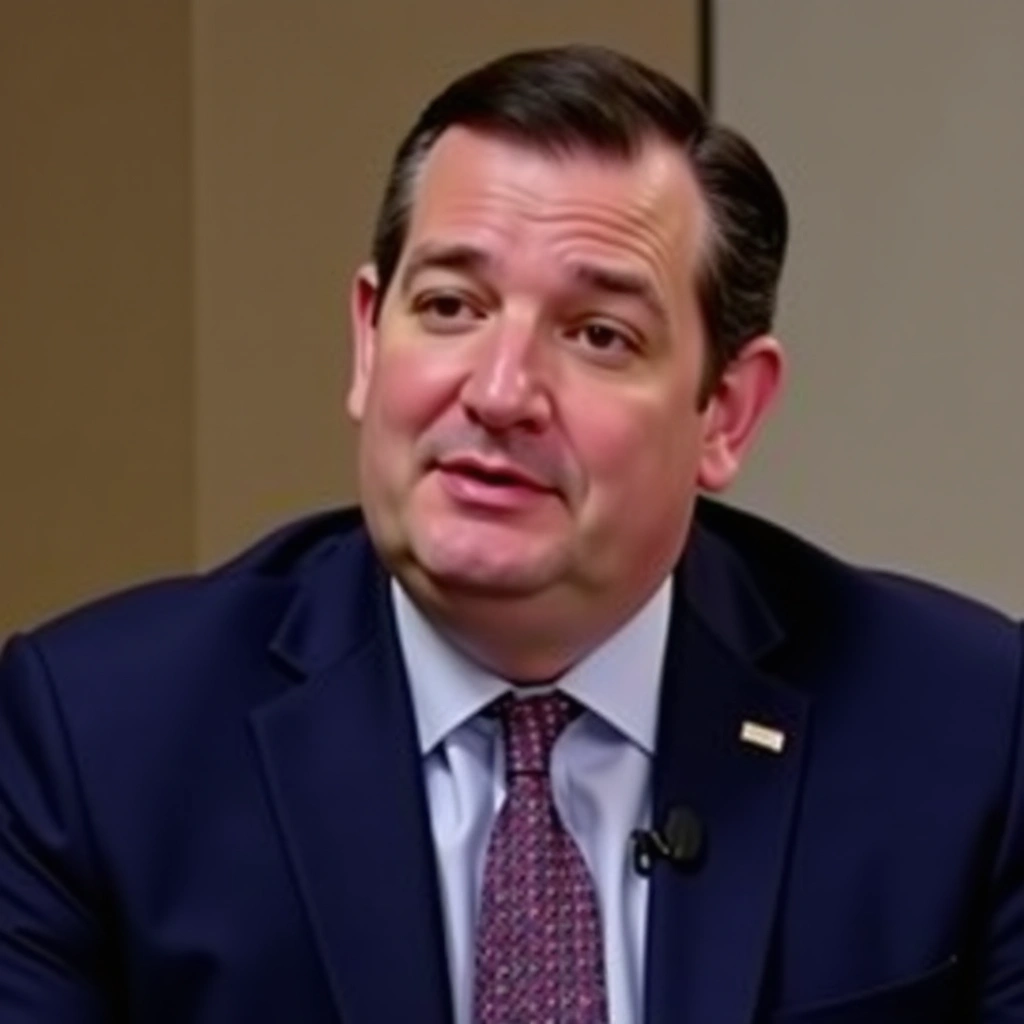
US Sen. Ted Cruz of Texas said that he “certainly” disagrees with Vice President JD Vance’s post-election assessment that the US-Israel relationship was partly to blame for Republicans’ massive midterm election losses that cost them control of Congress.
Every election produces two things: winners and an avalanche of explanations from the people who didn’t win. The ballots are barely counted before politicians, pundits, and your uncle on social media all announce they know exactly what went wrong. Usually the explanation lines up suspiciously well with whatever that person already believed.
So after the midterms went badly for Republicans, it wasn’t shocking that the post-mortem season got busy. What made headlines was who disagreed with whom. Senator Ted Cruz publicly rejected Vice President JD Vance’s suggestion that the U.S.-Israel relationship helped cause the GOP’s losses. Two prominent Republicans, one election, and very different readings of it.
What Actually Happened
Let’s stick to what’s been reported, because this is a story where it’s tempting to fill in blanks with drama.
After the midterms, Vice President Vance offered commentary on the state of U.S.-Israeli relations. According to the coverage, his assessment was that the relationship contributed to Republican losses at the polls.
Cruz didn’t agree. Speaking at the Jewish Leadership Conference in Manhattan, he said that anyone who sees the election as a mandate to abandon Israel does not share his perspective. That’s a polite, senatorial way of saying, ‘I think you’re reading these tea leaves wrong.’
The story was covered by the Jewish Telegraphic Agency, the Jerusalem Post, and the Times of Israel. When three outlets that follow U.S.-Israel relations closely all pick up the same intraparty disagreement, you can assume people who care about this issue were paying attention.
The Venue Matters
Cruz chose a Jewish Leadership Conference in Manhattan to make his point. That’s not a random stop on a Tuesday afternoon. He was speaking to an audience likely to care a great deal about where Republicans stand on Israel, and likely to be uneasy hearing a sitting vice president tie that relationship to electoral losses.
That doesn’t make Cruz’s remarks insincere. He has long positioned himself as one of Israel’s most vocal supporters in the Senate. But the setting does show this wasn’t an offhand comment. It was a deliberate signal about where he stands, delivered to people who would notice.
Why This Disagreement Is a Big Deal
On paper, a senator and a vice president from the same party disagreeing about why an election went sideways isn’t earth-shattering. Politicians disagree constantly. It’s practically the job description, right after fundraising and posing with oversized scissors at ribbon cuttings.
This one is more significant for a few reasons.
First, it’s about interpreting a loss. How a party explains a defeat shapes what it does next. If leaders decide a policy position cost them votes, the natural next step is to rethink that position. Cruz’s pushback is an attempt to stop one particular conclusion from becoming the official lesson of the midterms. His framing, rejecting the idea of a ‘mandate to abandon Israel,’ tells you he sees real stakes in how this gets written into the party’s history.
Second, it’s two high-profile figures on the record. This isn’t an anonymous staffer grumbling to a reporter. It’s a sitting vice president offering an assessment and a well-known senator publicly rejecting it. When disagreements happen at that level, they tend to show bigger conversations happening inside a party.
Third, U.S.-Israel relations have long been a point of broad agreement among Republicans. Support for Israel has been something most of the party could rally around. A public debate over whether that support is now an electoral liability is notable because it suggests the topic is no longer as settled as it once seemed.
The Eternal Problem With Election Post-Mortems
A small public service announcement: figuring out why an election turned out the way it did is really hard. Voters don’t fill out a detailed survey explaining their choices. They pick a candidate, and everyone else spends the next several months arguing about what it meant.
That leaves plenty of room for people to project their priorities onto the results. Someone who thinks a policy is a loser will find evidence it lost votes. Someone who thinks the same policy is essential will find evidence the loss happened for completely different reasons. Both sides will be very confident. Neither will be entirely sure.
That’s not a knock on Vance or Cruz specifically. It’s how post-election analysis works across the board. It’s just worth remembering that ‘here’s why we lost’ statements are partly diagnosis and partly argument about where to go next.
What Cruz’s Message Really Signals
The heart of Cruz’s statement is the word ‘mandate.’ By saying that anyone who sees the election as a mandate to abandon Israel doesn’t share his perspective, he sets the terms of the debate. In his framing, the question isn’t ‘Did this issue hurt us?’ but ‘Are we going to walk away from Israel because of one election?’ Those are very different questions, and he clearly prefers the second.
It’s a classic political move: reframe the argument so your answer sounds obvious. To be fair, everyone in politics does it. Cruz is just doing it in public, on a topic he cares about, in front of an audience that shares his concern.
It’s also worth noting what the reports don’t say. There’s no indication in the coverage of how Vance responded, or whether this disagreement will grow into something bigger. For now, it’s a public difference of opinion between two prominent Republicans about what voters were trying to say.
What to Watch Next
If you’re following this story, a few things are worth keeping an eye on:
– Whether other Republicans pick a side. Disagreements like this sometimes stay between two people. Sometimes they turn into a wider debate. Who else weighs in will show how much traction each view has.
– How the issue shows up in future campaigns. The real test of any post-election theory is whether candidates act on it. If Republicans change how they talk about Israel, that tells you which reading won out.
– Continued coverage from outlets that track this closely. JTA, the Jerusalem Post, and the Times of Israel all covered this one, and they’ll likely follow up if it develops.
The Bottom Line
Ted Cruz publicly rejected JD Vance’s assessment that the U.S.-Israel relationship contributed to Republican midterm losses. Speaking at the Jewish Leadership Conference in Manhattan, he made clear that he doesn’t see the election as a reason to step back from Israel, and that anyone who does doesn’t share his view.
Is this a sign of a deeper split in the party, or just the usual post-election finger-pointing with higher-profile fingers? Too early to say. What’s clear is that the debate over what the midterms meant is far from over, and at least one senator has no plans to let a lesson he disagrees with become the official one.
As with every election post-mortem, take everyone’s confident explanations with a healthy grain of salt. That includes the ones you agree with.
Inspired by: “Ted Cruz rejects VP Vance’s postelection assessment of US-Israel ties” (r/World)