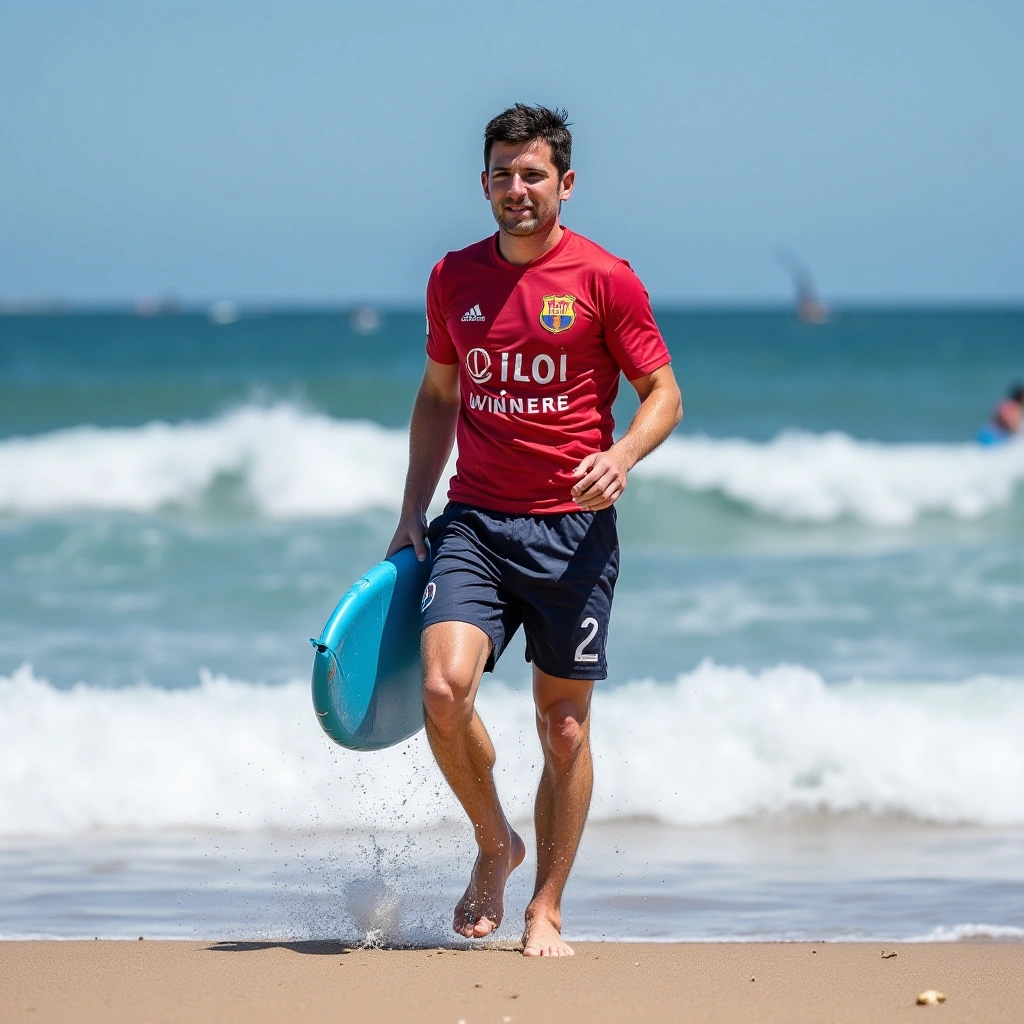
… The potential for surfing to … to the sport. Fernando Aguerre noted that the popularity of surfing in Australia could serve as a decisive factor in the selection process ….
If you’ve ever watched a surfer sit on their board, staring calmly at the horizon while waiting for the perfect wave, you’ll have a decent idea of Fernando Aguerre’s mood right now. The President of the International Surfing Association (ISA) has said he’s confident surfing will be on the programme for the 2032 Olympic Games in Brisbane. That’s not a done deal yet, but he isn’t exactly pacing the beach biting his nails either.
Let’s look at why he’s so relaxed, what still has to happen, and why a Brisbane Olympics without surfing would feel a bit like an Australian barbecue without the barbecue.
The Short Version
According to reports from CNA and The Straits Times, Aguerre believes surfing is very likely to stay on the Olympic programme for Brisbane 2032. His reasoning is simple: the sport has already earned its place. It has appeared at recent Games and was selected for future ones, and he sees that track record as a strong argument for keeping it.
The final word belongs to Olympic officials, who are scheduled to meet in December to decide which disciplines make the cut for Brisbane. Until then, everyone is technically waiting. Aguerre just seems to be waiting with noticeably more optimism than the average sports administrator.
From Newcomer to Regular
Surfing made its Olympic debut at Tokyo, which was a huge moment for a sport that spent decades being treated by some as more of a lifestyle than a competitive discipline. Then came Paris, and surfing was back, which matters a lot. Plenty of sports get a one-off Olympic appearance and then quietly vanish. Making the programme twice suggests the sport is more than a novelty act.
It has also been selected for Los Angeles, keeping its run going. Every time a sport is chosen for another Games, it builds the case that it belongs. It’s the Olympic version of being invited back to a dinner party: once could be politeness, but a repeat invitation means you probably didn’t spill wine on anyone’s carpet.
That track record is the core of Aguerre’s argument. When a sport has been picked again and again, leaving it off would need a good reason, and it’s not obvious what that reason would be.
Why the Optimism Makes Sense
The sources don’t spell out every reason behind Aguerre’s confidence, but it isn’t hard to see why a surfing official would feel good about Brisbane.
First, there’s the location. Australia and surfing go together about as naturally as anything in sport. Surf culture is a big part of the country’s identity, and the Brisbane region sits close to some well-known stretches of coastline. Hosting an Olympics in Australia and leaving out surfing would be a bit like Switzerland hosting a Winter Games and deciding to skip the skiing. Technically possible. Deeply strange.
Second, there’s momentum. Olympic organisers have shown interest in sports that appeal to younger audiences and look great on camera, and surfing ticks both boxes. A surfer riding a massive wave makes for the kind of highlight clip that travels well online.
Third, surfing has already done the hardest part: proving it can run as an Olympic event. The early questions about how a sport that depends on ocean conditions would work within a tightly scheduled Games have been tested in real competition. The organisers know what they’re dealing with now.
The December Meeting: Where It Gets Official
For all the confidence, it’s worth being clear about where things stand. Olympic officials are set to meet in December to finalise the disciplines for Brisbane 2032. That’s when “very likely” turns into either “confirmed” or “well, that’s awkward.”
These decisions can be complicated. Every Olympics has limits on athlete numbers, venues, budgets and schedules, so not every sport that wants a spot gets one. Host cities and organisers have to balance tradition, popularity, cost and practicality. Even popular sports can end up squeezed.
So while Aguerre is optimistic, this is still a decision that has to be made. Confidence is not the same as a confirmed invitation, though in this case it seems fairly well founded.
Why This Matters Beyond the Medals
Olympic inclusion means a lot to a sport. It brings visibility, attention from people who might never have watched a surfing contest, and often more support for athletes and programmes. For a sport that moved from the fringes to the main stage in a relatively short time, staying on the programme helps keep that progress going.
For surfers working toward 2032, early clarity also matters. Athletes plan their careers in long cycles, and knowing whether there’s an Olympic goal at the end of a long road makes a real difference. Nobody wants to train for years only to find out their sport has been cut, so December’s decision will be closely watched.
The Bottom Line
Fernando Aguerre is confident, and frankly it’s hard to blame him. Surfing has appeared at recent Games, has been selected again for future ones, and is heading toward a host nation where the sport is part of everyday life. If you were going to bet on a sport keeping its spot in Brisbane, surfing would look like one of the safer choices.
Still, nothing is official until the officials make it official, which is the sort of sentence only sports administration could produce with a straight face. We’ll find out in December whether surfing gets its next Olympic wave.
Until then, the surfing world is doing what it does best: waiting patiently, watching the horizon, and hoping the next one is a good one.
Inspired by: “Surfing chief Aguerre confident of 2032 Brisbane Games inclusion” (r/News)