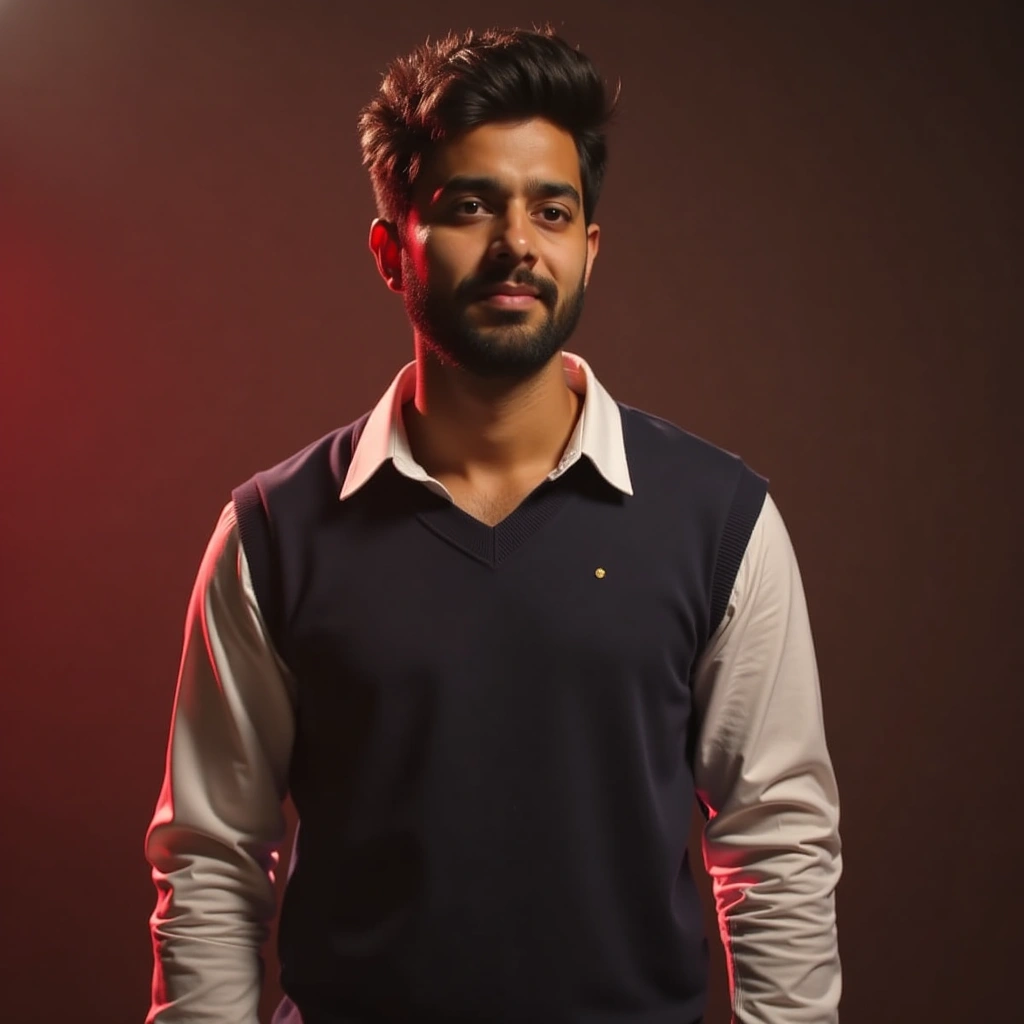
Diljit Dosanjh Indore: ਪੰਜਾਬੀ ਗਾਇਕ ਦਿਲਜੀਤ ਦੋਸਾਂਝ ਨੇ ਐਤਵਾਰ ਨੂੰ ਇੰਦੌਰ ਵਿੱਚ ਆਪਣੇ ਸੰਗੀਤਕ ਸਮਾਗਮ ਦੌਰਾਨ ਦਾਅਵਾ ਕੀਤਾ ਕਿ ਉਨ੍ਹਾਂ ਦਾ ਸਮਾਗਮ ਰੋਕਣ ਦੀਆਂ ਕਈ ਕੋਸ਼ਿਸ਼ਾਂ ਕੀਤੀਆਂ ਗਈਆਂ ਪਰ ਉਹ ਪ੍ਰਸ਼ੰਸਕਾਂ ਨਾਲ ਕੀਤਾ ਵਾਅਦਾ ਨਿਭਾਉਣ ਲਈ ਬਿਨਾਂ ਕਿਸੇ ਡਰ ਦੇ ਸ਼ਹਿਰ ਪਹੁੰਚੇ। ਇਸ ਮੌਕੇ ਉਨ੍ਹਾਂ ਨੇ ਉਰਦੂ ਦੇ ਮਰਹੂਮ ਸ਼ਾਇਰ ਰਾਹਤ ਇੰਦੌਰੀ ਦਾ ਮਸ਼ਹੂਰ ਸ਼ਿਅਰ ‘ਕਿਸੇ ਕੇ ਬਾਪ ਕਾ ਹਿੰਦੋਸਤਾਨ ਥੋੜ੍ਹੀ ਹੈ’ ਵੀ ਸੁਣਾਇਆ।
There are two kinds of people in this world. The first kind gets a threatening email and immediately cancels everything, changes their phone number, and considers moving to a remote mountain cabin. The second kind is Diljit Dosanjh, who apparently reads that email, shrugs, and then walks on stage in Indore to recite poetry about how nobody owns the country.
Guess which one of those makes for a better headline.
What Actually Happened
Let’s lay out the facts before getting carried away. Diljit Dosanjh, the Punjabi singer and actor who has spent the last few years becoming a global phenomenon, had a concert scheduled in Indore. In the run-up to the show, he faced threats and considerable opposition. According to reports, including coverage from the Times of India and the Deccan Herald, Dosanjh himself said that attempts were made to stop the Indore concert from happening.
On top of that, there were emails threatening bomb blasts. Authorities later confirmed those threats were hoaxes. Which is a relief, obviously, though it does raise the question of what kind of person spends their free time drafting fake bomb threats about a music concert. Get a hobby. Learn to knit. Literally anything else.
Despite all of this, the show went on. Dosanjh took the stage, celebrated culture with his fans, and delivered a moment that quickly became the talking point of the entire evening.
The Line Everyone Is Quoting
During his performance, Dosanjh recited the line “Kisi ke baap ka Hindustan thodi hai,” which roughly translates to “Hindustan doesn’t belong to anyone’s father.” In other words: this country isn’t anybody’s personal property, so maybe stop acting like you get to decide who performs where.
If the line sounds familiar, that’s because it comes from the late poet Rahat Indori, whose name is a bit of a giveaway about where he was from. Reciting a Rahat Indori couplet in Indore, of all places, while dealing with people trying to shut your show down? That is either a wonderfully poetic coincidence or an extremely deliberate mic drop. Either way, it landed.
The performance reportedly included powerful couplets centered on resilience and strength, with the overall message being that nothing would deter him and his audience from their cherished traditions. It’s the kind of thing that sounds a little dramatic on paper, but when you factor in the bomb threats, suddenly it seems pretty proportionate.
Why This Hits Differently
Celebrities face criticism all the time. Usually it’s about an outfit, a bad movie, or a tweet from 2011 that has aged like milk left in a hot car. But being on the receiving end of actual threats and organized efforts to stop a concert is a different level entirely.
What makes Dosanjh’s response notable is the tone. He didn’t cancel. He didn’t issue a nervous, lawyer-approved statement about rescheduling at a later date. He went on stage and did the job he came to do, with a bit of poetry thrown in for emphasis. There’s something refreshingly old-school about answering intimidation with verse instead of a press release.
And let’s be honest, it’s a lot harder to look intimidating when your target responds by quoting one of the most celebrated Urdu poets of recent times to a cheering crowd.
About Those Hoax Threats
It’s worth pausing on the bomb threat emails for a second, because even though they turned out to be hoaxes, they’re not exactly harmless. A threat like that forces authorities to take it seriously, which means time, resources, and plenty of stress for organizers, venue staff, and fans who just wanted a nice evening of music.
So while it’s great that the threats were confirmed as fake, the people sending them still managed to be a massive inconvenience. Congratulations, I suppose, on achieving absolutely nothing except making a lot of people’s jobs harder. The concert happened anyway, so the plan clearly did not work out.
The Fans Showed Up Too
It would be easy to make this story entirely about Dosanjh, but a concert needs an audience, and his loyal fans turned out. When there’s opposition swirling around an event and threatening emails making the news, plenty of people might reasonably decide to stay home. The fact that the crowd was there to celebrate with him says a lot about the bond between this artist and his audience.
That relationship seems to be the whole point. The message of the evening wasn’t just about one performer being stubborn. It was about a shared culture, shared traditions, and a refusal to let anyone bully that out of existence.
The Bigger Picture
At its core, this is a story about art being louder than intimidation. Somebody, or several somebodies, apparently really did not want this concert to happen. They tried to stop it. They sent hoax threats. And the end result was a packed show, a viral poetry moment, and a headline that makes the would-be disruptors look, well, not great.
If the goal was to silence the performer, it backfired spectacularly. Now even more people are talking about the concert, the couplet, and the guy who showed up anyway.
Final Thoughts
Diljit Dosanjh’s Indore show is a reminder that sometimes the most powerful response to people trying to shut you down is simply to keep going. No dramatic feud, no endless social media back-and-forth. Just a stage, a crowd, and one very well-chosen line of poetry.
Kisi ke baap ka Hindustan thodi hai. Turns out it works pretty well as a concert moment, and even better as a reply to anyone who thinks they get to decide who sings where.
Inspired by: “’Kisi ke baap ka Hindustan thodi hai’: Diljit Dosanjh takes stage despite threats” (r/World)