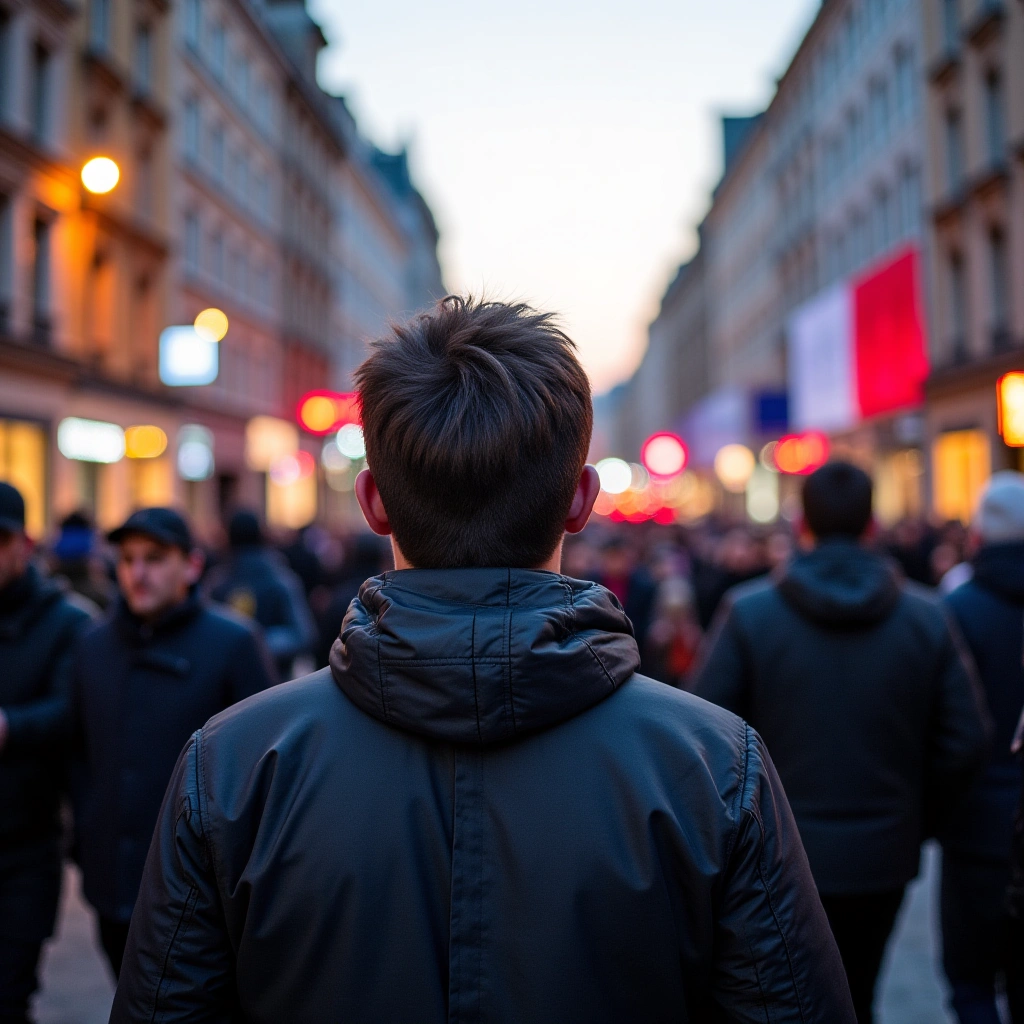
Hundreds of thousands of Czechs are rallying in Prague to protest against what they say is a government attempt to stifle media freedom .
There are two kinds of government policy announcements. The first kind involves pothole repairs and new signage at the post office, and nobody leaves their couch. The second kind involves changing how public broadcasters get their money, and suddenly tens of thousands of people are standing in a square in Prague on a Sunday. The Czech Republic just got a vivid demonstration of the second kind.
According to reports from outlets including the BBC, The Straits Times, the Jerusalem Post and Salem Radio Network News, tens of thousands of Czechs gathered in Prague to protest a government plan to overhaul how public media is funded. The plan, laid out in a bill introduced in October, would cut the public media fee and shift funding to the state budget instead. The Jerusalem Post framed it as the Babis plan to scrap the fee entirely. Either way, the people in the streets weren’t thrilled.
So What Is Actually Changing?
Right now, Czech public media is funded at least partly through a dedicated fee, which is a common arrangement in Europe. You pay a fee, and that money goes to public broadcasters. Is anyone excited about paying it? Of course not. Nobody has ever opened a bill and cheered.
But that fee does something important. Because the money flows through a separate channel, broadcasters don’t have to ask the government of the day for their budget every year.
The proposal would trim or eliminate that fee and route the funding through the state budget. In plain terms, public broadcasters would be paid directly from the pot of money the government controls.
On paper, this can be sold as a nice gesture: one less fee for households. And to be fair, “we’re cutting a fee you pay” is a solid political pitch. Very few campaign rallies have been won on the slogan “Keep Paying That Fee You Dislike.”
Why People Are Worried
The concern raised by protesters, and reflected in the coverage, is about independence. If the people a broadcaster is supposed to report on also decide how much money that broadcaster gets each year, the arrangement starts to look a little awkward.
Imagine a restaurant critic whose salary is set annually by the restaurants they review. Even if nobody ever says anything outright, the critic might start finding the soup “bold and interesting” rather than “cold.” That’s the basic worry here. You don’t need an explicit threat for budget pressure to shape behavior. The mere possibility that a tough investigation could be followed by a leaner budget is enough to make some people nervous.
A dedicated fee isn’t a magic shield, and supporters of the change may argue the state budget can be managed responsibly. But critics see the fee as a structural buffer between politics and newsrooms, and they don’t want it removed.
The Timing Was Not Subtle
The protest coincided with the commemoration of November 17, the Czech holiday marking the Velvet Revolution. That’s the 1989 movement that brought an end to communist rule in what was then Czechoslovakia, and it began with students and citizens taking to the streets.
So when demonstrators chose to mark that anniversary by rallying for independent media, the symbolism wasn’t exactly hidden. It’s the political equivalent of showing up to a family dinner wearing a shirt that says exactly what you think about your uncle’s opinions. A country that remembers what tightly controlled information looked like has some built-in sensitivity to anything that might nudge media closer to government influence.
This doesn’t mean the current proposal is the same thing as the pre-1989 system. It isn’t, and the protesters were reportedly drawing attention to risks rather than claiming history is repeating itself point for point. But anniversaries have a way of sharpening people’s focus.
The Hungary Comparison
Demonstrators also compared the proposals to media policies enacted in neighboring Hungary. That comparison comes up often in European debates about press freedom, because Hungary has faced sustained criticism over government influence on its media landscape, including public broadcasting.
For critics in Prague, Hungary works as a cautionary tale: changes that look like technical budget reshuffling can end up reshaping how independent the media really is. Whether the Czech plan would lead anywhere similar is exactly what’s being argued about. But when protesters invoke Hungary, they’re telling you which direction they fear things are heading.
The Political Angle
The Jerusalem Post’s headline tied the plan directly to Andrej Babis, a central figure in Czech politics. That framing helps explain why the issue carries so much weight. Media funding debates rarely stay purely about funding. They get tangled up with broader questions about who holds power, how they use it, and who gets to scrutinize them.
Supporters of the bill will likely keep emphasizing the household savings angle, which has real appeal. Opponents will keep emphasizing independence, which is harder to fit on a billboard but arguably matters more in the long run. Both sides have their pitch. Only one of them managed to fill the streets of Prague this time.
Why This Matters Beyond the Czech Republic
You might be thinking: I don’t live in Prague, I don’t pay a Czech media fee, why should I care? Fair question. But the debate here is a version of one that plays out in lots of democracies. How do you fund journalism that serves the public without making it dependent on the very people it’s supposed to keep an eye on?
There’s no perfect answer. Fees can be unpopular and feel outdated. Direct state funding can be simpler but creates obvious pressure points. Advertising brings its own conflicts. Every model has trade-offs, and the Czech protest is a reminder that people notice when those trade-offs shift.
The Bottom Line
Tens of thousands of people don’t usually spend their Sunday in a crowded square over a line item in a budget. When they do, it’s because they believe something bigger is at stake. In this case, protesters see the plan to cut the public media fee and move funding into the state budget as a threat to broadcasters’ independence, and they chose a historically loaded day to say so loudly.
What happens next depends on how the bill moves forward and whether the government adjusts in response. But one thing is already clear: in the Czech Republic, telling people you’re saving them money on a fee doesn’t automatically end the conversation. Sometimes people would rather keep paying and keep their newsrooms at arm’s length from the government. Not exactly the reaction you’d expect to a fee cut, but here we are.
Inspired by: “Tens of thousands of Czechs rally against government media funding plan” (r/News)