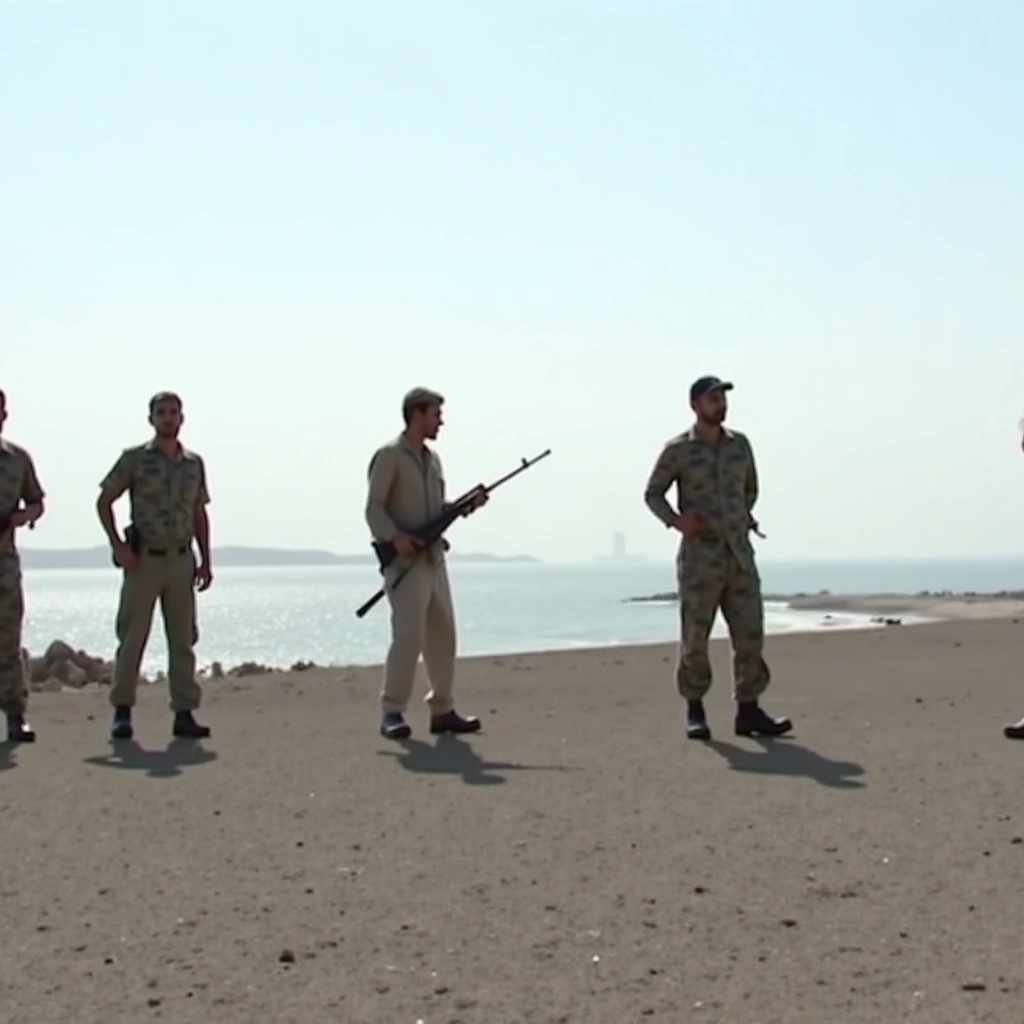
The government's withdrawal from the Bab Al Mandab area gives the Houthis greater leverage over the strategic maritime chokepoint , potentially increasing pressure on global shipping as Iran continues to disrupt traffic through the Strait of …
If you were hoping global shipping would have a quiet stretch, I have some news. Yemeni government forces have reportedly withdrawn from an area overlooking the Bab el-Mandeb Strait, and the Houthis now control it. Outlets including SRN News, The Straits Times, Al Monitor and the Jerusalem Post have all reported the development, with the Jerusalem Post describing the result as leaving the Iran-backed Houthis in control.
The reports don’t add up to a dramatic battlefield epic. They describe a retreat. But in this part of the world, who gets to stand on which hill can matter to oil tankers, container ships, and eventually your shopping bill.
First, What Is the Bab el-Mandeb?
The Bab el-Mandeb is a narrow strait between Yemen on the Arabian Peninsula and Djibouti and Eritrea on the Horn of Africa. It connects the Red Sea to the Gulf of Aden and, from there, to the Indian Ocean.
Why should anyone outside the region care about a strip of water? Because it’s one half of a very important shortcut. Ships traveling between Asia and Europe can go through the Bab el-Mandeb, up the Red Sea and through the Suez Canal. The alternative is the long way around Africa, which adds a lot of time, fuel and cost.
In shipping terms, the Bab el-Mandeb is a chokepoint: a narrow passage that a large share of traffic has to squeeze through. And when something is called a chokepoint, it’s because everyone knows how easily it can be squeezed.
What Actually Happened
According to the reporting, government forces pulled back from a position overlooking the strait, and the Houthis took control of the area. The key word in most coverage is leverage. Controlling high ground near a vital shipping lane gives the Houthis more ability to influence, threaten or disrupt traffic through the passage.
The available reports are short on detail about exactly why the government forces withdrew or what happened on the ground. So I’m not going to fill that gap with dramatic guesses. What matters, and what the reporting stresses, is the outcome: the Houthis now hold more territory with a view of one of the world’s most strategic waterways.
Why the Houthis Holding This Ground Is a Big Deal
The Houthis aren’t new to the shipping-disruption business. Since late 2023, they have attacked and threatened commercial vessels in the Red Sea and surrounding waters, which pushed many shipping companies to reroute around Africa instead of risking the passage. So when the same group gains more ground overlooking the strait, nobody in the shipping industry responds with a casual shrug.
More territory near the water means:
– More options for monitoring traffic. If you control the coastline, you get a better look at what’s sailing past.
– More bargaining power. Being able to credibly threaten a key trade route tends to get you noticed in diplomatic conversations.
– More anxiety for insurers and shipping firms. Risk in these waters translates into higher insurance premiums, longer routes and pricier cargo.
None of this means ships will be blocked tomorrow. But leverage is about what you could do, and the Houthis just got more of it.
The Strait of Hormuz Makes Everything Worse
This development, as the reporting notes, comes amid ongoing disruptions to traffic through the Strait of Hormuz. Hormuz is the other famous chokepoint in the region, the narrow passage out of the Persian Gulf that a huge share of the world’s oil passes through.
That’s where things get uncomfortable for Gulf oil producers. When Hormuz is disrupted, routes that avoid it, including those that reach the Red Sea, become more valuable. Having the southern exit of the Red Sea become more contested at the same time is a bit like discovering your main road is closed and then hearing the detour is also under new and not especially friendly management.
So the worry raised in the reporting is straightforward: with pressure on Hormuz and a stronger Houthi position at the Bab el-Mandeb, Gulf oil producers could find their export routes squeezed from both ends.
What It Could Mean for the Rest of Us
It’s tempting to treat this as a distant regional story. Unfortunately, global trade doesn’t respect our desire for distance. When major shipping lanes get riskier, several things tend to follow:
– Higher shipping costs, because ships take longer routes or pay more for insurance.
– Potential pressure on oil prices, especially when both major regional chokepoints are under strain.
– Delays in supply chains, since goods that were supposed to arrive through the Suez route may take the scenic tour around Africa.
Whether any of this turns into a major price spike depends on what the Houthis do with their new position, how other countries respond, and what happens with the Hormuz situation. But markets tend to react to risk, not only to actual events, and this definitely counts as risk.
The Bottom Line
A withdrawal by Yemeni government forces near the Bab el-Mandeb has handed the Houthis control of territory overlooking one of the world’s most important shipping routes. On its own, that would be concerning. Paired with ongoing disruption at the Strait of Hormuz, it raises real questions about how secure the region’s trade and energy routes are.
The details of the withdrawal are still thin, so it’s worth watching how the story develops. In the meantime, if you hear shipping executives sighing loudly, now you know why. The narrow waterways that keep global trade moving have rarely felt more narrow.
Inspired by: “Yemen government forces withdraw from area near Bab el-Mandeb Strait, Houthis in control” (r/News)