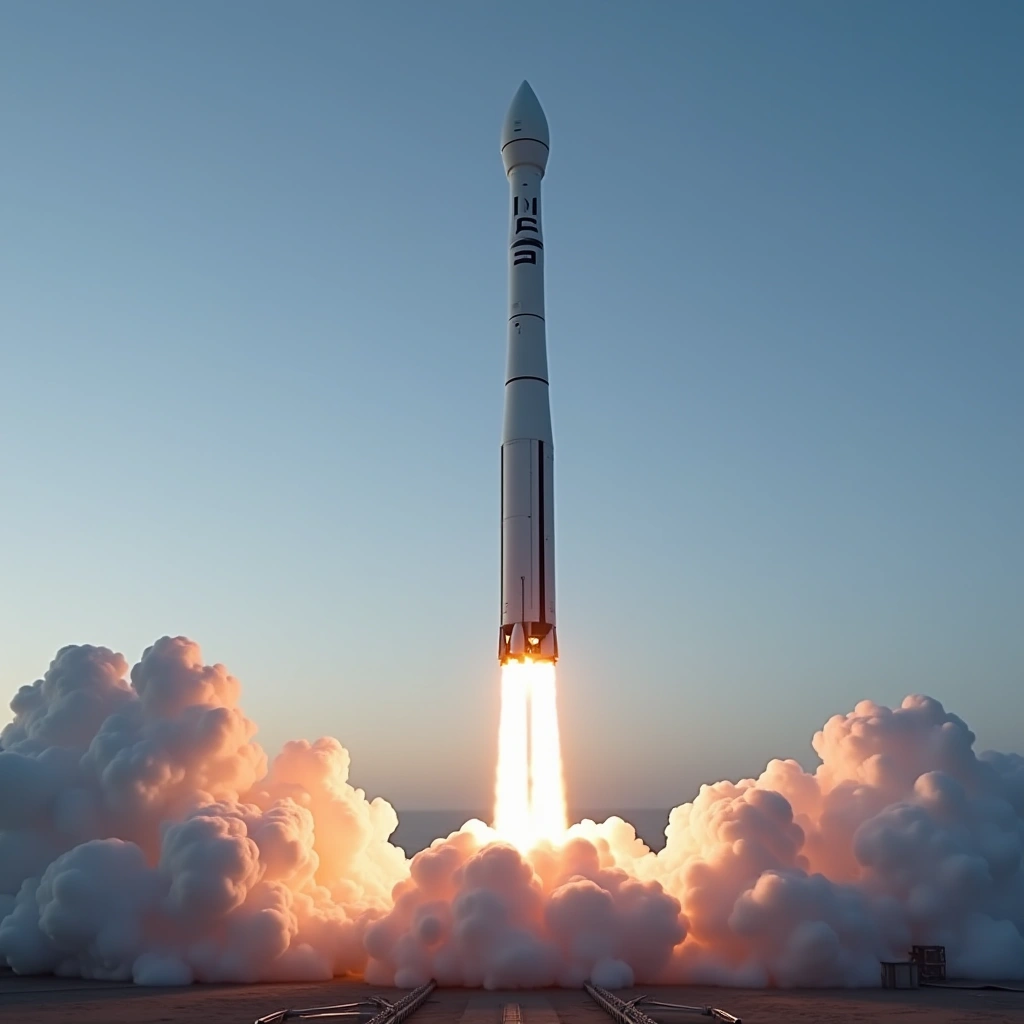
In a world where tech giants like Amazon and Microsoft have dominated the market for years, SpaceX has decided to shake things up a bit. Yes, you heard that right! SpaceX has officially surged past these heavyweights in market capitalization, earning its place as the fourth-biggest company in the U.S. market. Cue the confetti and prepare for takeoff!
SpaceX is driven by CEO Elon Musk’s mission to make humanity multi-planetary by establishing a self-sustaining civilization on Mars, requiring a drastic reduction in space travel costs. To achieve this, the company utilizes rapid iteration and vertical integration, allowing it to build, test, and fail quickly without the bureaucratic constraints of government agencies like NASA. This aggressive "fast and break things" approach has enabled SpaceX to pioneer reusable rocket technology, significantly lowering the cost of launching payloads into orbit.
Now, you might be wondering how a company that primarily launches rockets into space managed to surpass two of the most influential companies in the tech industry. Well, let’s break it down. First and foremost, SpaceX has become a household name, thanks to its ambitious missions and the somewhat charming persona of its founder, Elon Musk. Love him or hate him, the man knows how to grab headlines, and that has translated into a growing interest and investment in SpaceX.
But let’s not forget about the actual rocket science here—SpaceX has been on a roll (pun intended) with its successful launches. From sending astronauts to the International Space Station to developing the Starship for future Mars missions, SpaceX is pushing the boundaries of what’s possible in space travel. Investors see potential in the company not just for its current success but for its future projects, which include interplanetary travel and satellite internet services. Who wouldn’t want to invest in the next Uber, but for space?
On the flip side, Amazon and Microsoft are no slouches either. They’ve built empires that dominate online shopping and cloud computing, respectively. However, their growth has plateaued in some areas, and it seems like they’re more focused on refining their existing services than launching a rocket to the moon. SpaceX’s disruptive approach and innovative spirit have clearly resonated with investors looking for the next big thing.
Of course, with great power comes great responsibility—or at least, great volatility. SpaceX’s market cap surge has raised eyebrows and questions about sustainability. Can a company that’s still heavily reliant on government contracts and the whims of space exploration continue to hold its ground against established giants? Or will it crash back down to Earth like a poorly landed Falcon 9?
In conclusion, SpaceX’s rise to the top of the market cap charts is a testament to the power of innovation and the allure of space exploration. While it’s still a wild ride, the excitement around SpaceX shows no signs of slowing down. So, buckle up, folks! The future is looking bright—at least until we figure out how to colonize Mars and start charging rent.
Inspired by: “SpaceX surges past Amazon and Microsoft in market cap, becoming fourth-biggest U.S. company” (r/technology)