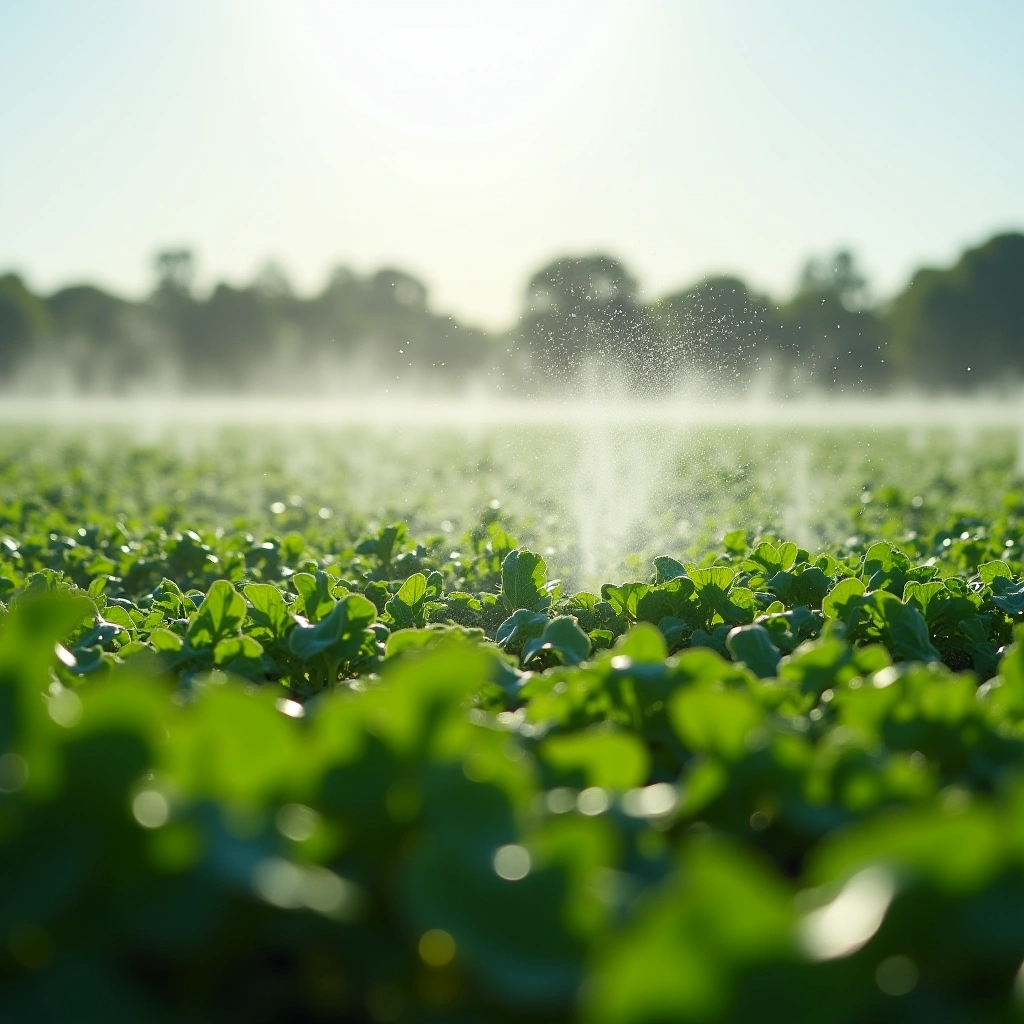
Irrigating U.S. crops prevents higher greenhouse gas emissions by avoiding land conversion , groundbreaking new research by Colorado State University shows.
Let’s face it, when we think about agriculture, we often picture sprawling fields, hardworking farmers, and maybe a few cows mooing in the background. But did you ever stop to think about how all that watering works? Well, a recent study has thrown a spotlight on agricultural irrigation, revealing that its greenhouse gas benefits may just outweigh the emissions costs. Sounds like a plot twist worthy of a Netflix documentary, right?
So, what’s the deal? According to the study, which you can find linked in the Reddit post from our friend Economy-Fee5830 (thanks for that!), the benefits of agricultural irrigation are not just about keeping our crops hydrated and happy. They actually contribute positively to the environment in ways that might surprise you.
First off, let’s talk about emissions. It’s no secret that agriculture can be a significant source of greenhouse gases. Between methane from livestock and nitrous oxide from fertilizers, it’s like a greenhouse gas buffet out there. But here’s the kicker: irrigation can help mitigate some of those emissions. How, you ask? Well, the study suggests that by optimizing water use, farmers can enhance crop yields, which in turn can lead to more efficient land use and reduced deforestation. Who knew that a little water could go such a long way?
Now, before you grab your pitchforks and start blaming irrigation for all the world’s problems, let’s clarify: the emissions associated with pumping and distributing water are indeed a concern. But the study highlights that when you compare these costs to the benefits of increased productivity and reduced land conversion, irrigation starts to look like a pretty good investment. It’s like choosing to spend a little more on organic avocados because you know they’ll make you feel better about your life choices.
But wait, there’s more! Irrigation not only helps in yielding more crops but also in promoting soil health. Healthy soil can store carbon more effectively, which is a win-win situation for the environment. It’s like giving Mother Nature a nice spa day while also ensuring we have enough food to go around. Who wouldn’t want that?
Of course, it’s crucial to approach this topic with a balanced perspective. Over-irrigation can lead to waterlogging, salinization, and other environmental issues that could easily negate any benefits we might gain. So, while we’re toasting to the wonders of irrigation, let’s not forget the importance of sustainable practices.
In conclusion, this study sheds light on a fascinating aspect of agricultural irrigation that could change the way we think about farming and its impact on climate change. It’s not all doom and gloom in the world of agriculture; sometimes, a little water can do wonders. So, the next time you see a farmer watering their crops, remember: they might just be doing their part to save the planet, one irrigation line at a time.
And if you want to dive deeper into this topic (because who doesn’t love a good research paper?), be sure to check out the source linked above. Who knows, maybe you’ll end up as the next agricultural irrigation expert at your next dinner party!
Inspired by: “Greenhouse gas benefits of agricultural irrigation far outweigh emissions costs, study finds” (r/climatechange)