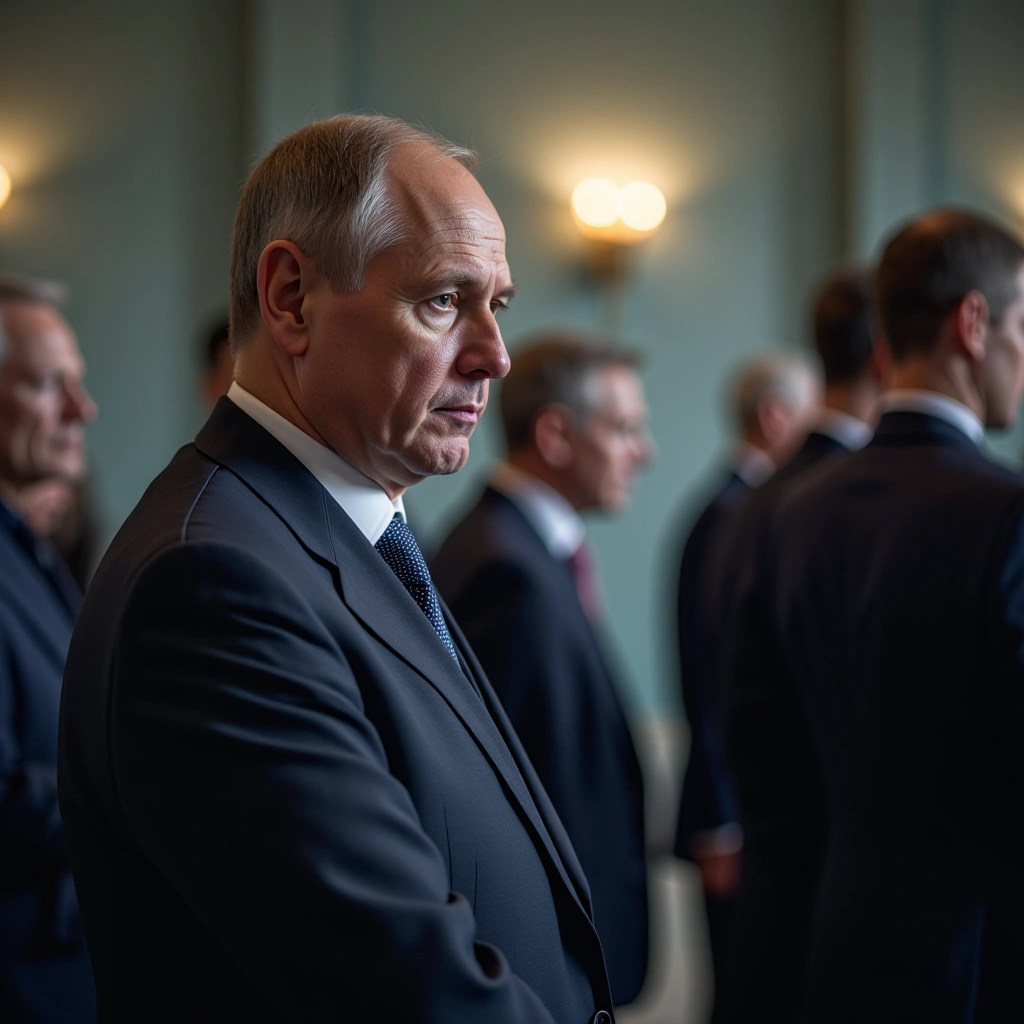
Hey there, legal eagles and tech aficionados! Buckle up, because we’re diving into a topic that’s as spicy as a borscht on a cold winter’s day: the Russian Supreme Court has decided to let artificial intelligence take a crack at drafting plenary resolutions. Yes, you read that right! AI is now in the courtroom—sort of.
So, what does this mean for justice in Russia? Well, it’s a bit like letting a cat write your thesis—sure, it might be entertaining, but the results could be, let’s say, unpredictable. But before we start throwing virtual tomatoes, let’s unpack this fascinating development.
First off, let’s talk about the elephant in the room: does AI have the chops to handle the legal system? On one hand, we have algorithms that can analyze mountains of data faster than you can say “due process.” Imagine a super-fast intern who never sleeps, eats, or requires coffee breaks—sounds great, right? On the flip side, can we really trust a machine to understand the nuances of human justice? After all, it doesn’t have a heart (or any emotions for that matter).
As the Russian legal system decides to embrace this technological revolution, we can’t help but wonder if this is a step towards efficiency or just a slippery slope to Skynet. Picture this: a courtroom where your lawyer is a chatbot that responds to your questions with an endless stream of legal jargon while you just sit there, nodding like you understand. Yikes!
Now, let’s not ignore the potential benefits. AI can help streamline processes and reduce backlog—because we all know how slow the wheels of justice can turn. But let’s also be realistic: would you trust a robot to decide your fate? I mean, I’ve seen my Roomba get stuck on a rug. If it can’t navigate that, how can it navigate the complexities of human rights?
Plus, there’s the question of accountability. If an AI drafts a resolution that leads to an unjust outcome, who’s to blame? The machine? The programmer? The coffee-fueled Supreme Court justices who thought this was a genius idea? Spoiler alert: it’s probably going to be the humans pointing fingers at each other.
In the end, while the idea of AI in the courtroom is intriguing (and a little bit terrifying), it raises more questions than it answers. So, is the Russian Supreme Court paving the way for future legal practices, or are they just trying to make their lives easier while dodging accountability? Maybe a bit of both.
What do you think? Are you ready for a future where your legal battles are fought by algorithms, or would you rather stick to good old human judges? Drop your thoughts below, and let’s get this debate rolling!