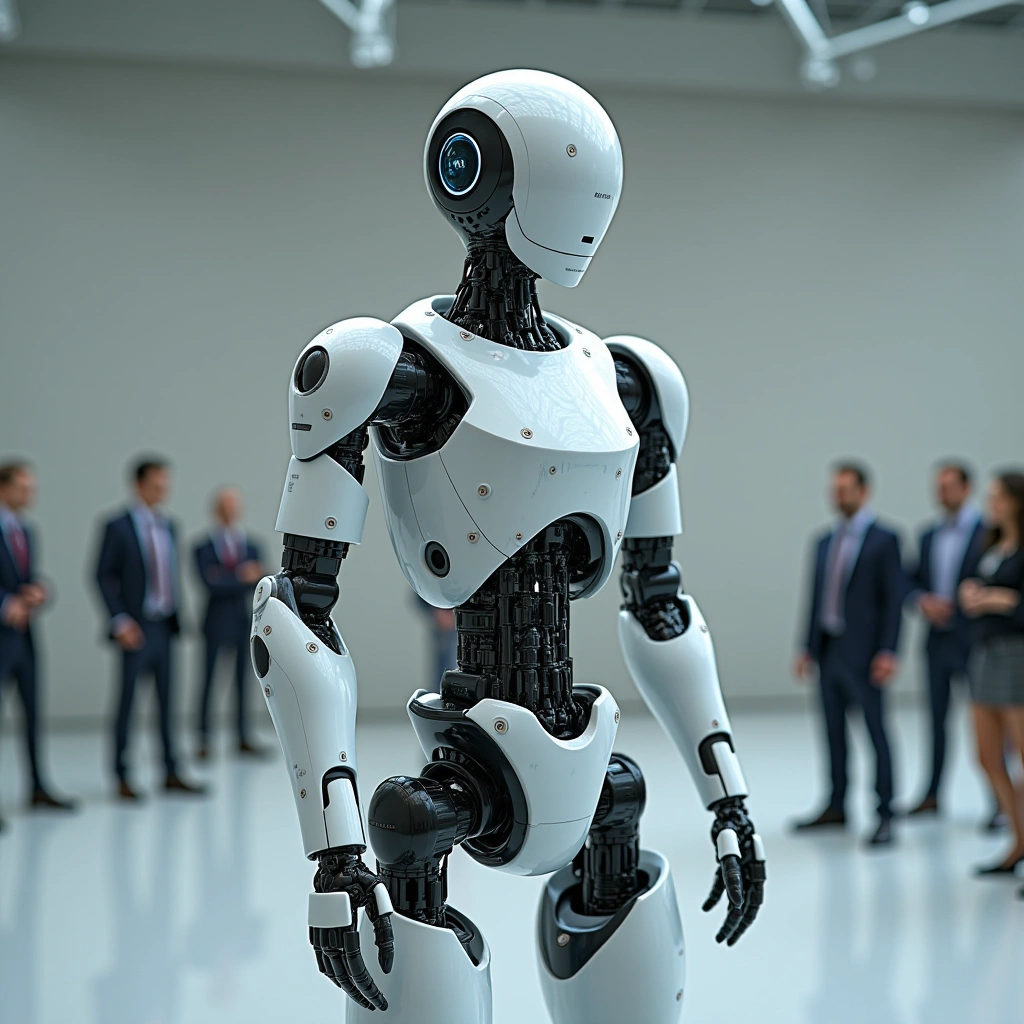
Well, folks, it seems we’ve reached a new chapter in the ongoing saga of technology and geopolitics. The U.S. government has officially decided to pull the plug on foreign-made humanoid robots, with a particular focus on those coming from China. Yes, you heard that right. If you were hoping to get your hands on a snazzy robot companion from overseas, you might want to reconsider your shopping list.
The U.S. Federal Communications Commission has announced a ban on new foreign-made humanoid robots, citing national security concerns
Now, why the sudden ban on these metal marvels, you ask? National security, of course! Because nothing screams ‘I’m protecting your freedom’ quite like restricting access to humanoid robots. The government is concerned that these robots could be used for nefarious purposes, like spying on us while we’re trying to figure out how to assemble IKEA furniture. And honestly, who needs that kind of stress in their lives?
Let’s break this down a little. The U.S. has been on high alert about foreign technology for a while now. Remember the TikTok debates? It’s almost like we’re in a bad soap opera where every episode features a new tech villain from overseas. This time, it’s humanoid robots stealing the spotlight. The fear is that these robots could be equipped with advanced AI and surveillance capabilities. Imagine a robot that can blend in with your family, making it all the more difficult to hide your embarrassing habits—like that secret stash of snacks you think no one knows about.
But here’s where things get a bit sticky. The ban isn’t just about keeping our homes safe from potential robot spies; it’s also about sending a message to China. You see, the U.S. wants to maintain its technological edge, and limiting the import of foreign robots is part of that strategy. It’s like saying, “Hey, we don’t want your fancy gadgets, because we’re perfectly capable of creating our own—eventually.”
Of course, the irony is hard to miss here. The U.S. has a robust tech industry, but the competition is fierce. By banning foreign robots, the government is hoping to encourage domestic innovation. But let’s be real: we’ve seen how long it takes for some of our homegrown tech companies to roll out products. If you’ve ever waited for a software update, you know what I mean.
And let’s not forget the potential fallout from this decision. What about the researchers and developers who rely on international collaboration? The ban could stifle innovation and slow down advancements in robotics. After all, sometimes we need a little bit of that foreign flair to spice things up—like adding a dash of paprika to an otherwise bland dish.
So, what does this mean for the average Joe or Jane? Well, if you were dreaming of having a robot butler to serve you snacks while you binge-watch your favorite series, you might have to wait a bit longer. And who knows? Maybe this ban will lead to a new wave of American robots that can’t quite keep pace with their foreign counterparts in the cool factor department.
In conclusion, the U.S. ban on foreign-made humanoid robots is a complex mix of national security concerns, geopolitical posturing, and a dash of good old-fashioned competition. Whether this move will ultimately protect us or just create a bunch of awkward situations at robot conventions remains to be seen. For now, let’s keep our fingers crossed that our domestic robots come equipped with a good sense of humor—because we’re definitely going to need it!
Inspired by: “US bans foreign-made humanoid robots, targeting China over national security” (r/technology)