Category: Science

  • Space Mirrors: The Newest Addition to Our Cosmic Neighborhood (and Astronomers Aren’t Amused)

    Space Mirrors: The Newest Addition to Our Cosmic Neighborhood (and Astronomers Aren’t Amused)

    In a move that has left astronomers shaking their heads and rolling their eyes, the FCC has given the green light to Reflect Orbital’s latest innovation: a space mirror satellite. Yes, you heard that right! We’re now launching shiny objects into orbit, and apparently, they are meant to reflect sunlight back to Earth. Because, you know, we all needed a little extra sunlight in our lives.

    Astronomers are also high on the list of people who oppose a big mirror brightening up the night, noting that even a single mirror flying in front of a telescope can easily overwhelm sensitive equipment in observatories on Earth.

    So, what’s the deal with this space mirror? According to the folks at Reflect Orbital, this satellite is designed to enhance solar energy collection and could potentially provide light to areas that need it. I mean, who wouldn’t want a giant reflective disc in the sky, right? It’s like having a disco ball in space—if the disco ball could also disrupt astronomical observations.

    Here’s where the plot thickens. Astronomers have expressed their disdain for this shiny new addition to our cosmic collection. Their concerns are pretty valid, considering that the night sky has already been compromised by artificial lights and satellite constellations. Now, throw in a massive mirror that’s reflecting sunlight, and you’ve got yourself a recipe for astronomical chaos. Talk about a bright idea gone wrong!

    Imagine trying to observe distant galaxies or study the complexities of space while dodging sunlight bouncing off a giant mirror. It’s like trying to read a book in a well-lit room, only to have someone shine a flashlight directly in your eyes. Not cool, right?

    The scientific community is worried that these satellites could interfere with telescopes that rely on dark skies to gather data. And who could blame them? After all, we’ve spent centuries peering into the vastness of space, only to have our efforts thwarted by a shiny new toy.

    Reflect Orbital argues that their satellite could help mitigate climate change by improving solar energy access. But here’s the catch: while they’re busy reflecting sunlight, they might be casting a shadow over important astronomical discoveries. It’s a classic case of “you can’t have your cake and eat it too.”

    Now, before you start picturing a bunch of astronomers throwing tantrums about their lost stargazing opportunities, let’s look at the bigger picture. The idea of harnessing solar energy is undoubtedly important, especially as we look for sustainable solutions to our energy needs. But come on, can’t we find a way to do this without sending a giant space mirror into the cosmos?

    In conclusion, while Reflect Orbital may have good intentions, their shiny new satellite is causing quite the stir among astronomers. As we continue to explore the cosmos and push the boundaries of technology, let’s hope we can find a balance between innovation and preserving the night sky. After all, the universe is already a vast and mysterious place—let’s not make it more complicated with reflective satellites!

    So, what do you think? Are you on Team Space Mirror or Team Astronomer? Let us know in the comments below!


    Inspired by: “FCC Approves Reflect Orbital’s Space Mirror Satellite That Astronomers Hate” (r/technology)


  • SpaceX Stock Takes a Dive: What Happened and What’s Next?

    SpaceX Stock Takes a Dive: What Happened and What’s Next?

    Well, folks, it seems that SpaceX, the darling of the space industry, has found itself in quite the pickle. Just when we thought we were on a smooth ride to Mars, news broke that SpaceX stock has plunged to an all-time low. Grab your helmets because we’re about to dive into the cosmic chaos of the stock market.

    Buy the dip. It takes some courage to buy more shares when a stock is in free fall, but it's one choice to consider. Make sure the rest of a portfolio is well-positioned so that a SpaceX setback won't affect an overall wealth-building plan.

    So, what caused this dramatic drop? Apparently, a competitor has made a major leap—like a giant leap for mankind, but instead of moonwalking, they’re vaulting right into the stock market spotlight. Let’s be honest, when you’re up against a company that’s suddenly outshining you, it can feel a bit like getting a B in a class where you were hoping for an A+. Not the end of the world, but certainly a blow to the ego.

    Investors are not known for their patience, and when they see someone else pulling ahead, they tend to jump ship faster than a cat at a dog show. The news of this competitor’s advancements has sent shockwaves through the investment community, and it seems many have decided it’s time to sell their SpaceX shares. Because, you know, nothing says ‘I believe in space travel’ like running for the exits when the going gets tough.

    Now, let’s talk about the competitor. While we won’t name names (because that’s what the comments section is for, right?), it’s safe to say they’ve made some impressive strides. Maybe they’ve discovered the secret to faster rockets or have been secretly training a team of squirrels to pilot their spacecraft. Whatever the case may be, they’ve certainly captured the attention of investors.

    But fear not, SpaceX fans! The company isn’t exactly going to crumble like a poorly made rocket. They’ve got a solid track record and a fan base that’s more loyal than your grandma at a bingo game. Plus, let’s not forget that they’re working on some pretty exciting projects, like the Starship and plans for Mars colonization. You know, just your average Tuesday in the world of Elon Musk.

    So, what’s next for SpaceX? Well, they could either pull a rabbit out of their hat and unveil something groundbreaking to regain investor confidence, or they might just need to ride this wave of uncertainty for a bit. After all, every great story has its ups and downs, and this could just be a plot twist in the saga of space exploration.

    In the meantime, investors will be watching closely. Will they stay loyal, or will they jump ship to the latest shiny rocket? Only time will tell. One thing’s for sure: the space race is heating up, and we’re all just along for the ride. Buckle up, folks; it’s going to be a bumpy ride through the cosmos of the stock market!


    Inspired by: “SpaceX Stock Plunges to All-Time Low After Competitor Makes Major Leap” (r/technology)

  • SpaceX Stock Takes a Dive: Is It Time to Panic or Just Chill?

    SpaceX Stock Takes a Dive: Is It Time to Panic or Just Chill?

    So, it looks like SpaceX stock is playing a game of limbo, and folks, it’s not exactly winning. After a second consecutive day of sinking like a rock in a kiddie pool, the stock is now hovering around the $135 mark, which just happens to be its initial public offering (IPO) price. But before you grab your pitchforks and head for the nearest SpaceX office, let’s break this down a bit.

    If SPCX takes a dive, how does one prepare? The key is to avoid panic selling and have a strategy in place. The choices include: Use stop-loss or trailing stop orders to maintain a profit.

    First off, let’s talk about what’s actually happening here. SpaceX, the company that brought us reusable rockets and the occasional meme-worthy launch, went public not too long ago. Investors were excited—like kids on Christmas morning—hoping for a stock that would skyrocket faster than a Falcon 9 rocket. But instead, they’re staring at a stock chart that looks more like a rollercoaster designed by someone who’s never actually been on a rollercoaster.

    Now, you might be wondering, why the sudden downturn? Well, the market is a fickle beast, much like your friend who can’t decide where to eat. One minute, everyone is pumped about the future of space travel, and the next, they’re worried about economic downturns, inflation, or that mysterious new trend of investing in… I don’t know, potato chips? The point is, the stock market can be as unpredictable as a cat on catnip.

    Moreover, SpaceX isn’t just a one-trick pony. The company has a full plate, from launching satellites to planning missions to Mars. While all that sounds super cool, it also means they have a lot of moving parts. If one thing goes wrong—say, a rocket doesn’t launch as planned or they encounter regulatory hurdles—investors might start sweating bullets. And nothing sends stock prices tumbling quite like a case of the jitters.

    But wait, before we all start jumping off the SpaceX bandwagon, let’s take a breath. Stocks fluctuate, and the market is notorious for having mood swings. Remember, this is a long game. If you’re in it for the quick bucks, you might want to rethink your strategy. But if you believe in the mission of SpaceX and its ability to revolutionize space travel (and let’s be honest, who doesn’t want to see humans on Mars?), then maybe it’s time to hold your horses—or in this case, your rockets.

    In conclusion, while it’s easy to get caught up in the panic of falling stock prices, let’s not forget the bigger picture. SpaceX is still a leader in the aerospace industry, and their innovations are paving the way for future exploration. So, whether you’re looking to buy, hold, or sell, just remember: it’s all part of the ride. And if all else fails, you can always invest in potato chips. They never let you down.


    Inspired by: “SpaceX stock sinks for a second-straight day, nearing $135 IPO price” (r/technology)

  • SpaceX vs. Amazon: The $4.5 Trillion Tech Showdown

    SpaceX vs. Amazon: The $4.5 Trillion Tech Showdown

    Ah, the wonders of the tech world! It’s like an endless soap opera where the stakes keep getting higher, and the characters keep getting richer. Today, we’re diving into the riveting tale of two titans: SpaceX and Amazon, a duo worth a staggering $4.5 trillion. You may be wondering, what’s the deal with these tech doppelgangers? Grab your popcorn, because this is one collision you won’t want to miss.

    Founded by Elon Musk, the company lost $4.9 billion last year, and went public at $135 a share in June, with a valuation that quickly rose to a sky-high $2 trillion. The two mega-cap companies are primarily known for businesses that have little in common, with Amazon dominating the online retail business while SpaceX has become the world’s leading rocket maker.

    First off, let’s talk about SpaceX, the brainchild of Elon Musk, who is basically the Tony Stark of our time—minus the iron suit and the charming personality (kidding, Elon!). SpaceX has been busy launching rockets like they’re going out of style, and with plans to colonize Mars, they’ve got their sights set beyond just Earth. I mean, who wouldn’t want to be the first to sell Martian real estate? “Location, location, location” takes on a whole new meaning when you’re looking at the Red Planet.

    On the other hand, we have Amazon, the e-commerce giant that has taken over our shopping habits faster than you can say “two-day shipping!” Jeff Bezos may have left his CEO position, but don’t let that fool you; he’s still lurking in the shadows, probably plotting his next space adventure. Amazon is not just about books and random gadgets anymore; they’re diving into cloud computing, grocery delivery, and even space exploration with their Project Kuiper. Yes, folks, they’re literally trying to beam the internet down from satellites. Who needs a Wi-Fi router when you can just have a satellite directly above you, right?

    So what happens when these two behemoths collide? It’s like watching a heavyweight boxing match where both fighters are using jetpacks. SpaceX is all about launching satellites, and Amazon is gearing up to send its own constellation of satellites into orbit to provide internet access to the underserved. Imagine the face-off: Elon Musk vs. Jeff Bezos in a zero-gravity match. My money’s on Musk, but Bezos might just show up with a laser pointer.

    The stakes are high, and the implications of their rivalry are immense. Both companies are not just tech leaders; they are also shaping the future of how we interact with technology and each other. With SpaceX’s focus on interplanetary travel and Amazon’s relentless push into every sector imaginable, we’re looking at a future where your groceries might be delivered by a drone while you’re preparing for your next space vacation. Talk about multitasking!

    But let’s be real for a moment. While we’re all excited about the possibilities, there’s also a side of this rivalry that raises eyebrows. Both companies wield immense power, and with great power comes great responsibility—or at least that’s what Uncle Ben would say. As they continue to expand their empires, questions about monopolistic practices, data privacy, and ethical considerations in space exploration are bound to arise. It’s not all fun and games when you’re dealing with trillions of dollars and the future of humanity.

    In conclusion, the impending collision between SpaceX and Amazon is not just a battle of tech giants; it’s a glimpse into the future of our world. Will we be living in a utopia where everyone has access to the internet, or will we find ourselves at the mercy of two billionaires fighting over who controls the stars? Only time will tell. But one thing’s for sure: keep your eyes on the skies and your wallets ready, because this tech showdown is just getting started!


    Inspired by: “SpaceX and Amazon are tech dopplegangers worth $4.5 trillion—and they’re headed for a collision” (r/technology)

  • Japan’s Space Agency Takes a Giant Leap with Reusable Rocket Test Flight

    Japan’s Space Agency Takes a Giant Leap with Reusable Rocket Test Flight

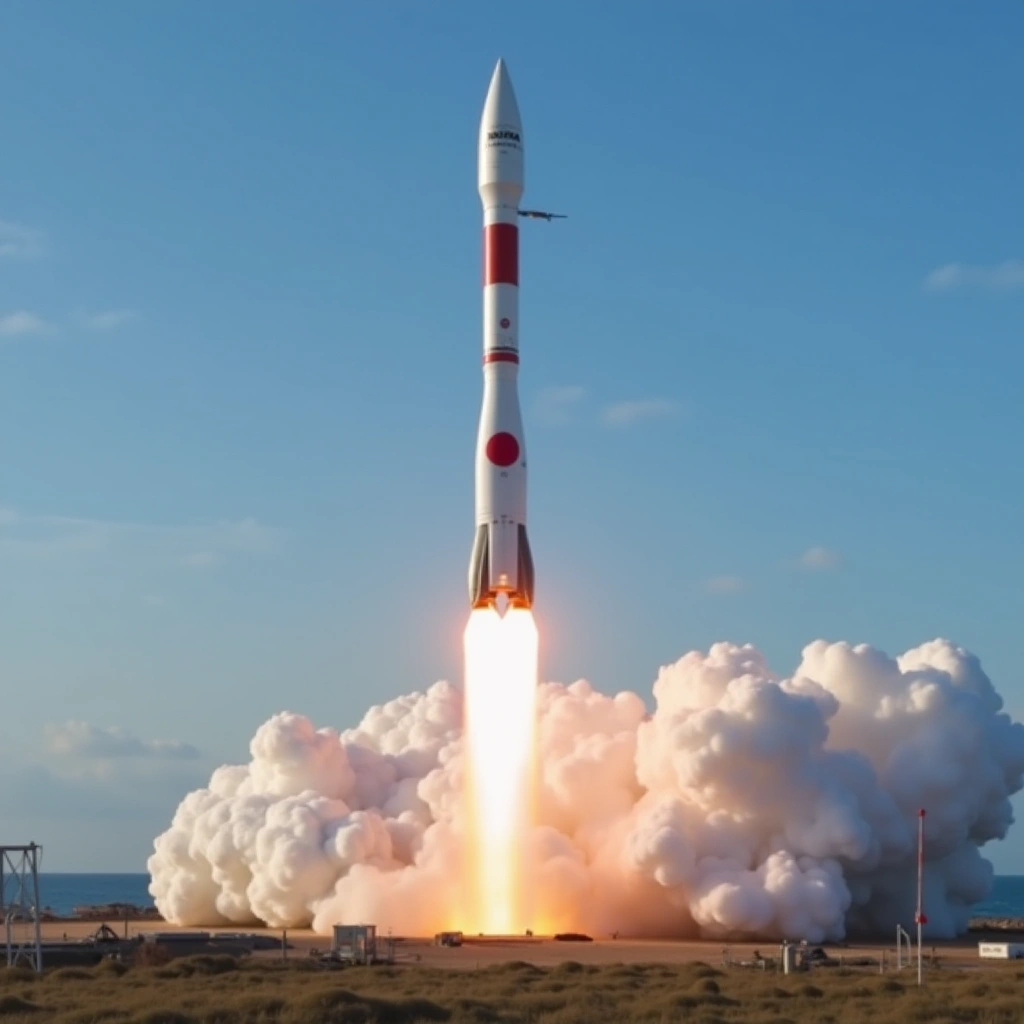
    In the ever-competitive realm of space exploration, Japan is not about to sit back and let other countries steal the show. Recently, Japan’s space agency, JAXA (Japan Aerospace Exploration Agency), conducted its first test flight for an experimental reusable rocket. Yes, you heard that right—a reusable rocket! It’s like the space version of a boomerang, except way cooler and with less chance of hitting your neighbor’s house.

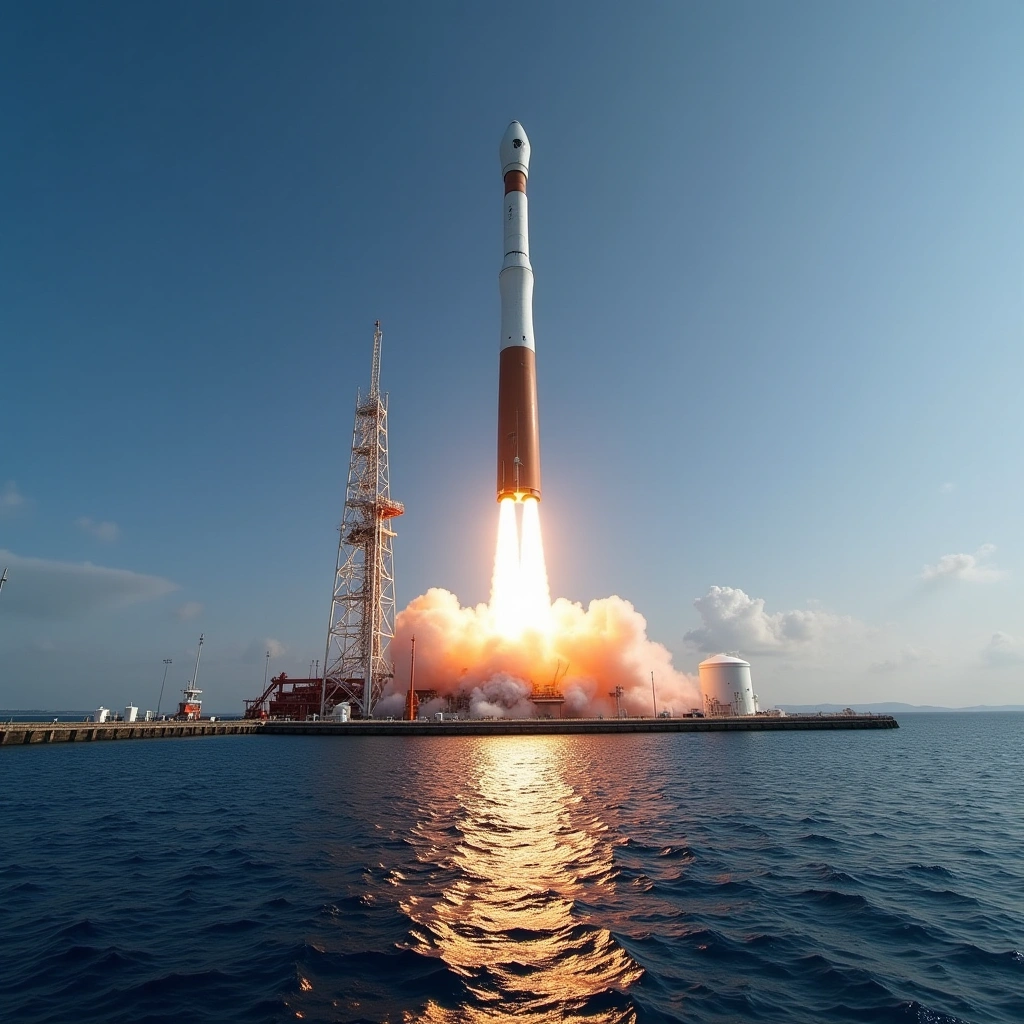
    TOKYO — Japan's experimental reusable rocket took off and safely landed in a first test flight Saturday as the country seeks to achieve the technology key to cut launch costs and compete in the global space market dominated by SpaceX.

    So, what’s the big deal about reusable rockets? Well, if you’ve been living under a rock—or, you know, not following the latest in space tech—let me enlighten you. Reusable rockets are designed to return to Earth and be launched again, which could significantly reduce the costs of space travel. Imagine being able to buy a one-way ticket to the stars and then just coming back to Earth to use that same ticket again. Talk about a great value!

    JAXA’s experimental rocket, dubbed the Epsilon-S, marks a significant milestone in Japan’s quest to enhance its capabilities in space exploration. The test flight took place at the Taiki Aerospace Research Field in Hokkaido, and while it wasn’t exactly a moon landing, it’s a step in the right direction. The Epsilon-S is designed to be more economical and efficient than its predecessors, which means fewer taxpayer dollars going up in smoke—literally.

    The Epsilon series rockets are already known for being smaller and more cost-effective than many other rockets out there, but the addition of reusability could catapult Japan into a new league of space-faring nations. I mean, who doesn’t want to be the cool kid on the block with the latest tech? With SpaceX and Blue Origin making headlines for their reusable rocket feats, it’s about time Japan joined the party and showed off its space-age skills.

    But let’s not forget the challenges that come with this ambitious endeavor. Reusable rockets have to withstand the intense heat and pressure of re-entry, which can be a bit like trying to cook a soufflé while riding a roller coaster—tricky, to say the least. JAXA will need to overcome numerous technical hurdles before the Epsilon-S can truly become a reliable workhorse for future missions.

    Now, you might be wondering, what’s next for JAXA after this test flight? Well, they plan to conduct more test flights to gather data and refine their technology. Who knows? In a few years, we might be looking at a whole fleet of reusable rockets zipping around the cosmos, making space travel as common as a trip to the grocery store. Okay, maybe not that common, but one can dream!

    In conclusion, JAXA’s first test flight of the Epsilon-S is an exciting development in the world of aerospace. While we may not be booking our tickets to Mars just yet, it’s reassuring to see Japan stepping up to the plate and swinging for the fences. Here’s hoping that they hit a home run in the next round of tests. Until then, we’ll be watching closely and cheering them on from Earth. Let’s just hope they remember to bring the rocket back home this time!


    Inspired by: “Japan’s space agency conducts first test flight for experimental reusable rocket” (r/technology)

  • Remembering Wally Funk: A Trailblazer in Space Exploration

    Remembering Wally Funk: A Trailblazer in Space Exploration

    It’s a sad day for the space community as we say goodbye to Wally Funk, the last surviving member of the Mercury 13 and the oldest woman to ever travel to space. Funk passed away at the age of 87, leaving behind a legacy that is as vast as the universe itself.

    Mary Wallace Funk (February 1, 1939 – July 8, 2026) was an American aviator, commercial astronaut, and goodwill ambassador. She was the first female air safety investigator for the National Transportation Safety Board, the first female civilian flight instructor at Fort Sill, Oklahoma, and …

    For those who might not know, the Mercury 13 were a group of 13 women who underwent the same rigorous training as the male astronauts in the early 1960s. They were the pioneers of women in space, proving that the sky was not the limit, but merely a starting point. Wally Funk was one of the most prominent figures in this group, and her passion for aviation and space was evident from an early age.

    Born in 1939 in Taft, California, Funk was a natural-born adventurer. She earned her private pilot license at 17, making her the youngest woman to do so at the time. Talk about a high-flyer! She didn’t stop there; she went on to earn her commercial pilot’s license and even became an instructor. If you thought your driving lessons were tough, try learning to fly a plane with Funk as your teacher!

    However, despite her impressive credentials, Funk faced significant barriers. The Mercury 13 program was ultimately canceled, and while the men went on to become household names, the women were left in the dust. Funk, however, never let that deter her spirit. She continued to advocate for women in aviation and space, reminding the world that women could do anything men could do—and often better!

    Fast forward to 2021, and Funk finally got her chance to go to space aboard Blue Origin’s New Shepard rocket. At 82, she became the oldest person to reach space, fulfilling a lifelong dream. It was a moment that not only celebrated her personal achievements but also highlighted the importance of female representation in fields that have been historically dominated by men.

    Wally Funk was more than just the last of the Mercury 13; she was a symbol of resilience and a beacon of hope for aspiring astronauts everywhere. Her journey through the cosmos serves as a reminder that age is just a number, and that dreams can indeed come true—no matter how long it takes.

    As we reflect on her remarkable life, let’s remember Funk not just for her achievements, but for her unwavering spirit and her belief that the sky is not the limit. So here’s to Wally Funk, a true pioneer, who taught us all to reach for the stars and to never, ever give up on our dreams.

    Rest in peace, Wally. You’ve earned your place among the stars.


    Inspired by: “Wally Funk, last of Mercury 13 and oldest woman in space, dies at 87” (r/technology)

  • China’s Sea-Based Rocket Booster Recovery: A New Era in Space Exploration?

    China’s Sea-Based Rocket Booster Recovery: A New Era in Space Exploration?

    So, it seems like China is making waves—literally and figuratively—in the world of space exploration. According to state media, the country has successfully tested a sea-based rocket booster recovery system. Now, before you start picturing a giant fishing net scooping up rocket boosters from the ocean like a scene from a sci-fi movie, let’s break down what this actually means.

    Although this first test conducted … the recent test. The Linghangzhe, which translates to “Pathfinder,” is an autonomous rocket recovery platform measuring around 144 meters long and 50 meters wide….

    First off, let’s talk about why recovering rocket boosters is such a big deal. Traditionally, when rockets launch, their boosters drop off and either fall back to Earth or get lost in the ocean. This is not the most efficient method, and it’s also a little wasteful. Imagine throwing away your car every time you filled up the gas tank—yeah, not ideal. By developing a system to recover these boosters, China is essentially saying, “Hey, we can be responsible space-faring citizens, too!”

    Now, onto the juicy details of this sea-based recovery system. The test involved launching a rocket and then retrieving the booster from the sea after it had done its job. This method could potentially save millions of dollars in manufacturing costs, which is always a nice bonus. After all, who doesn’t like saving money? I mean, if you can make your rocket boosters reusable, that’s a win-win situation. You get to keep the environment a little cleaner, and your budget a little fuller.

    But wait, there’s more! This isn’t just about saving a few bucks. The successful test also signifies a step towards increased reliability and efficiency in space missions. As China continues to ramp up its space program (seriously, they’re not just launching fireworks up there), this technology could play a crucial role in future space exploration missions. Think of it as the space equivalent of upgrading from a flip phone to the latest smartphone. It’s all about keeping up with the times!

    Of course, the internet being what it is, there are already discussions and debates about what this means for global space competition. Some might worry that this will give China an edge in the space race, while others might just roll their eyes and say, “Isn’t that what they said about every new technology?” It’s a mixed bag of optimism and skepticism, which is pretty much the norm for anything related to space these days.

    In conclusion, while we might not be fishing for rocket boosters just yet, China’s successful test of a sea-based recovery system is a significant leap forward in the quest for reusable space technology. It’s a fascinating development that could reshape the future of space exploration, and who knows? Maybe one day we’ll all be watching rocket boosters being plucked from the ocean like some sort of high-tech maritime ballet.

    So, keep your eyes on the skies, folks! The future of space travel is getting more exciting by the day, and who knows what other surprises are just around the corner? Just remember to bring your popcorn—it’s bound to be a thrilling show!


    Inspired by: “China successfully tests sea-based rocket booster recovery system, state media says” (r/technology)

  • Grok 4.5: SpaceXAI’s New Coding Companion Takes Flight

    Grok 4.5: SpaceXAI’s New Coding Companion Takes Flight

    Hey there, fellow tech enthusiasts! Have you heard the news? SpaceXAI has just launched its latest and greatest model, Grok 4.5, and it’s ready to tackle coding and agentic tasks like a pro. Yes, you heard that right—coding! That magical land where semicolons can make or break your day.

    July 8 (Reuters) – SpaceXAI on Wednesday launched the Grok 4.5 AI model, calling it the company’s most intelligent offering to date designed for coding and agentic tasks. Here are some details: • SpaceXAI said Grok 4.5 was trained across …

    Now, if you’re anything like me, you might be wondering what exactly Grok 4.5 brings to the table. I mean, we’re not just talking about any run-of-the-mill AI here; this is SpaceXAI we’re dealing with. They’re the folks who are busy launching rockets while the rest of us are still figuring out how to get our coffee machines to work without spilling.

    So, what’s the big deal? Grok 4.5 is designed to assist developers in writing code more efficiently. It’s like having a coding buddy who never sleeps, eats, or asks for a raise. Imagine all those late-night coding sessions where you wish you had a personal assistant who could just magically conjure up the code you need. Well, Grok 4.5 might just be that assistant—minus the coffee runs, of course.

    But let’s dig a little deeper. This model is trained on a vast array of coding languages and frameworks, making it a versatile companion for software developers. Whether you’re knee-deep in Python, JavaScript, or even the ancient art of COBOL (yes, it still exists), Grok 4.5 is here to help. It understands syntax, can suggest improvements, and might even throw in a few dad jokes to lighten the mood—because who doesn’t love a good pun while debugging?

    Moreover, Grok 4.5 isn’t just about writing code; it’s also about understanding tasks that require a bit of agency. This means it can help automate processes and suggest workflows, making it a handy tool for project management. Think of it as your personal project manager who doesn’t micromanage and actually knows what they’re talking about. It’s like having a co-pilot that actually knows how to fly the plane, rather than just reading the instruction manual.

    Now, you might be asking yourself, “Isn’t this just another AI tool that will eventually take over the world?” Well, not exactly. While Grok 4.5 is impressive, it’s still a tool meant to assist humans, not replace them. So, you can put down your pitchforks and torches—at least for now. It’s here to enhance productivity, not to lead a robot uprising (yet).

    In conclusion, Grok 4.5 from SpaceXAI is a promising development in the world of coding and task management. It has the potential to change how developers approach their work, making coding more accessible and less daunting. So, if you’re a coder looking for a new sidekick, or just curious about the latest in AI tech, Grok 4.5 is definitely worth checking out. Just remember to keep your sense of humor intact and maybe have a backup coffee machine—because let’s be honest, we all know how crucial that is in the coding world.


    Inspired by: “SpaceXAI launches Grok 4.5 model for coding, agentic tasks” (r/technology)

  • Miami’s City Labs: Pioneering Commercial Nuclear Power in Space

    Miami’s City Labs: Pioneering Commercial Nuclear Power in Space

    In a world where space exploration often feels like a big-budget sci-fi movie, Miami-based City Labs has decided to take things up a notch. Imagine astronauts sipping on coffee while their spacecraft hums along, powered by nuclear energy. Sounds like something out of a futuristic blockbuster, right? Well, it’s happening, and it’s happening now!

    A Florida-based company that pioneered … missions to the moon and beyond. Located in Miami, City Labs is a small company focusing on micro nuclear power….

    City Labs has made history by achieving a first for commercial nuclear power in space. Yes, you heard that right! While most of us are still trying to figure out how to get the Wi-Fi to work in our homes, these innovators are sending nuclear power into the great unknown.

    Let’s break this down a bit. Nuclear power in space isn’t just some wild idea. It’s a game-changer for missions that need to travel far from our lovely blue planet. Solar panels are great and all, but they have their limitations, especially when you venture into deep space where sunlight is about as common as a unicorn sighting.

    So, what does nuclear power bring to the table? For starters, it provides a consistent and reliable energy source. No more worrying about the sun dipping below the horizon or having to adjust your solar panels every time you hit a shadow. With nuclear power, spaceships can cruise through the cosmos like they own the place.

    Now, let’s address the elephant in the room: nuclear power. It’s a term that sends shivers down the spine of many. But fear not! City Labs has taken safety seriously. They’ve designed their systems with advanced technology that minimizes risks and maximizes efficiency. So, while the idea of a nuclear reactor in space might sound like a plot twist in a disaster movie, it’s actually grounded in a lot of serious engineering and safety protocols.

    And let’s not forget the potential applications. This technology could revolutionize long-duration space missions, such as trips to Mars or beyond. Imagine astronauts on a two-year mission, comfortably powered by nuclear energy while they study Martian rocks or look for signs of extraterrestrial life. Talk about a power move!

    Of course, achieving this milestone didn’t happen overnight. City Labs has been working tirelessly to develop and test their nuclear technology. They’ve faced challenges, of course, because nothing worth doing is ever easy. But with grit, determination, and perhaps a little bit of Miami magic, they’ve made it happen.

    So, what’s next for City Labs? Well, they’re not just stopping at nuclear power. They have their sights set on further advancements in space technology. Who knows? In a few years, we might be talking about Miami as the new hub for space exploration, complete with beachside rocket launches and astronauts catching some sun.

    In summary, City Labs is making waves in the realm of space exploration with their groundbreaking work on commercial nuclear power. It’s a bold step into the future, and who knows what other exciting innovations are on the horizon? So, keep your eyes on the stars, and maybe, just maybe, we’ll see Miami leading the charge in the next great space frontier.

    And remember, the next time you sip your coffee, imagine it being brewed in a spacecraft powered by nuclear energy. That’s a pretty cool thought, isn’t it? Cheers to the future!


    Inspired by: “Miami-based City Labs achieves a first for commercial nuclear power in space” (r/technology)

  • SpaceXAI: Launching the Future with Cursor – What You Need to Know

    SpaceXAI: Launching the Future with Cursor – What You Need to Know

    SpaceXAI is gearing up for a significant launch that could change the landscape of artificial intelligence as we know it. According to a report from The Information, they plan to unveil a new model featuring something called ‘Cursor’ as early as Wednesday. Now, before you get too excited and start imagining a futuristic world where AI does your laundry and makes your morning coffee (we wish!), let’s unpack what this might really mean.

    SpaceX's $60 billion acquisition of Cursor signals a major shift in AI — from chatbots that answer questions to agents that can actually complete work.

    First off, let’s talk about SpaceXAI. Yes, you read that right. This isn’t some random tech company; this is the brainchild of Elon Musk, the man who has given us everything from electric cars to plans for colonizing Mars. So, when he decides to dip his toes into the AI pool, you can bet it’s going to make some waves—like a rocket launch, but with less fire and more code.

    Now, what is Cursor, you ask? Well, if you’re expecting a magic wand that makes everything better, you might be a tad disappointed. Cursor is likely a new feature or model that enhances the capabilities of SpaceXAI’s existing technology. Think of it like the turbo boost button on your favorite video game, allowing AI to perform tasks more efficiently or perhaps with a little more flair.

    While details are still under wraps, the tech community is buzzing with speculation. Some experts suggest that Cursor could be a tool designed to streamline workflows, improve user interactions, or even assist in complex problem-solving scenarios. And if you’re wondering what that means for the average Joe (or Jane), it could mean a more intuitive experience with AI—less of the robot overlord vibe and more of a helpful sidekick. Kind of like having Alfred to your Batman, minus the butler outfit.

    But hold your horses (or rockets) before you start booking your flights to Mars. The launch of a new AI model doesn’t automatically mean it will be available for public use right away. There’s always a testing phase, which means those of us on Earth might have to wait a bit longer to see what Cursor can actually do. So, if you’re dreaming of an AI that can finally beat you at chess, you might need to keep practicing your moves for a little while longer.

    Of course, with any new technology comes the usual concerns. Will this new model be too powerful? Will it take over our jobs? Will it develop a personality and start critiquing our life choices? (I mean, who needs that kind of negativity?) The reality is that as AI continues to evolve, so does the conversation around its ethical implications. SpaceXAI will need to navigate these waters carefully, ensuring that Cursor serves as a tool for good rather than a source of anxiety.

    In conclusion, as we eagerly await Wednesday’s announcement, there’s a palpable excitement in the air. SpaceXAI’s new model with Cursor could be a game-changer, pushing the boundaries of what AI can do. So, keep your eyes peeled and your expectations in check. Who knows? By the end of the week, we might just have a new AI friend that’s capable of helping us with everything from mundane tasks to tackling the mysteries of the universe. Or, at the very least, it might give us a better way to binge-watch our favorite shows without feeling guilty. Fingers crossed!


    Inspired by: “SpaceXAI plans to launch new model with Cursor as soon as Wednesday, The Information reports” (r/technology)