Category: Nature

  • Unveiling the Secrets of Owl Camouflage: Nature’s Sneaky Ninjas

    Unveiling the Secrets of Owl Camouflage: Nature’s Sneaky Ninjas

    Alright, my fellow nature enthusiasts and wildlife watchers, gather ’round because we’re about to dive into a topic that is as mysterious as it is fascinating: owl camouflage! Yes, you heard it right! Those adorable, big-eyed creatures are not just cute; they’re also masters of disguise!

    Imagine you’re wandering through a forest, minding your own business, when suddenly you spot an owl. No, not the one from Harry Potter (though that would be cool too). I’m talking about the real deal. Now, stop right there! Did you even recognize it as an owl? If not, congratulations! You’ve just fallen victim to the ultimate game of hide-and-seek!

    The Art of Blending In

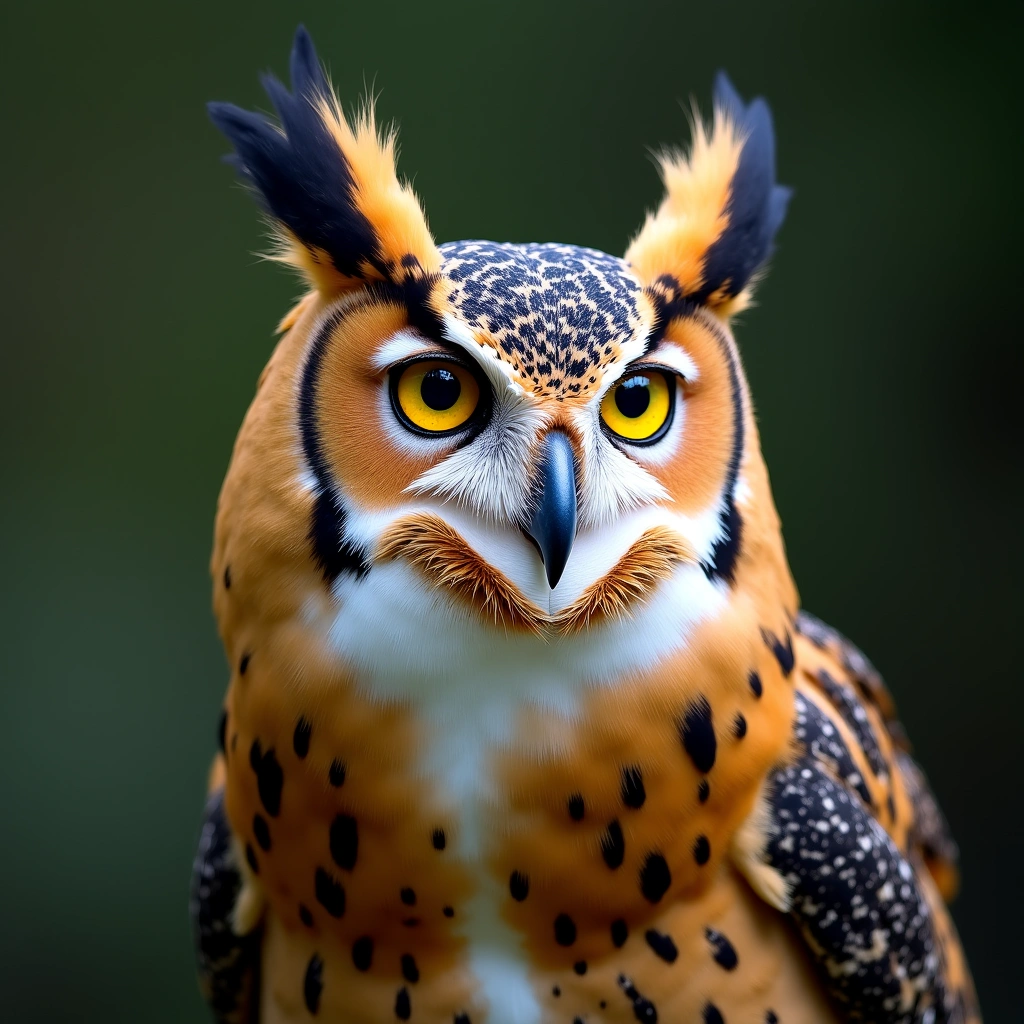
    Owls are like the James Bonds of the bird world. They can blend into their surroundings so well that you might just mistake them for a dull piece of bark or a mossy rock. Their feathers are designed with intricate patterns that mimic tree bark, leaves, and even the shadows cast by branches. Talk about being fashion-forward in the wild!

    If you’ve ever seen that viral video of an owl perched on a branch, only to realize it’s practically invisible until someone points it out, you know what I mean. It’s like watching a magician pull a rabbit out of a hat, except the rabbit is an owl, and you’re left questioning your eyesight.

    Why Camouflage?

    Now, you might be wondering, why do these feathered ninjas need to blend in so well? Well, dear reader, it’s all about survival! Owls are nocturnal hunters, which means they like to do their dirty work under the cover of darkness. By camouflaging themselves, they can ambush their prey without raising suspicion. Who knew owls were such sneaky little devils?

    Imagine being a mouse, minding your business, when suddenly, the very tree you thought was just a tree suddenly transforms into a fierce predator! Talk about a plot twist!

    Camouflage in Different Species

    But wait, there’s more! Not all owls are created equal when it comes to camouflage. Take the Great Horned Owl, for instance. Its plumage is a patchwork of browns and grays, making it look like it just walked out of a thrift store. Meanwhile, the Barn Owl sports a more ghostly appearance with white and tawny feathers, which might not blend in as well during the day but works wonders in moonlit hunts.

    The Science Behind the Magic

    Now, if we want to get a bit nerdy (and you know I love a good nerd-out), let’s talk about the science behind this incredible camouflage. It’s not just random luck; it’s evolutionary genius! Owls have developed these feather patterns over millions of years to adapt to their environments. This means that if you think you’re just looking at a fluffy pillow in a tree, you might actually be witnessing the culmination of eons of evolution. Mind blown, right?

    Conclusion: Nature’s Masterclass in Disguise

    In conclusion, next time you’re wandering through the woods and think you see an owl, take a closer look. You might just find that nature’s little trickster has pulled a fast one on you. So let’s give a round of applause to these feathered ninjas of the night. They deserve it for keeping us on our toes!

    And remember, folks, the next time you’re playing hide-and-seek with your friends, channel your inner owl. Just don’t take it too literally and end up hiding in a tree for hours. Trust me; that won’t end well.

    Now go forth and spread the word about the incredible camouflage of owls, and let’s keep that owl appreciation going strong!
  • Discovering the Greenland Shark: The Bonkers Vertebrate That Might Just Outlive Your Grandparents

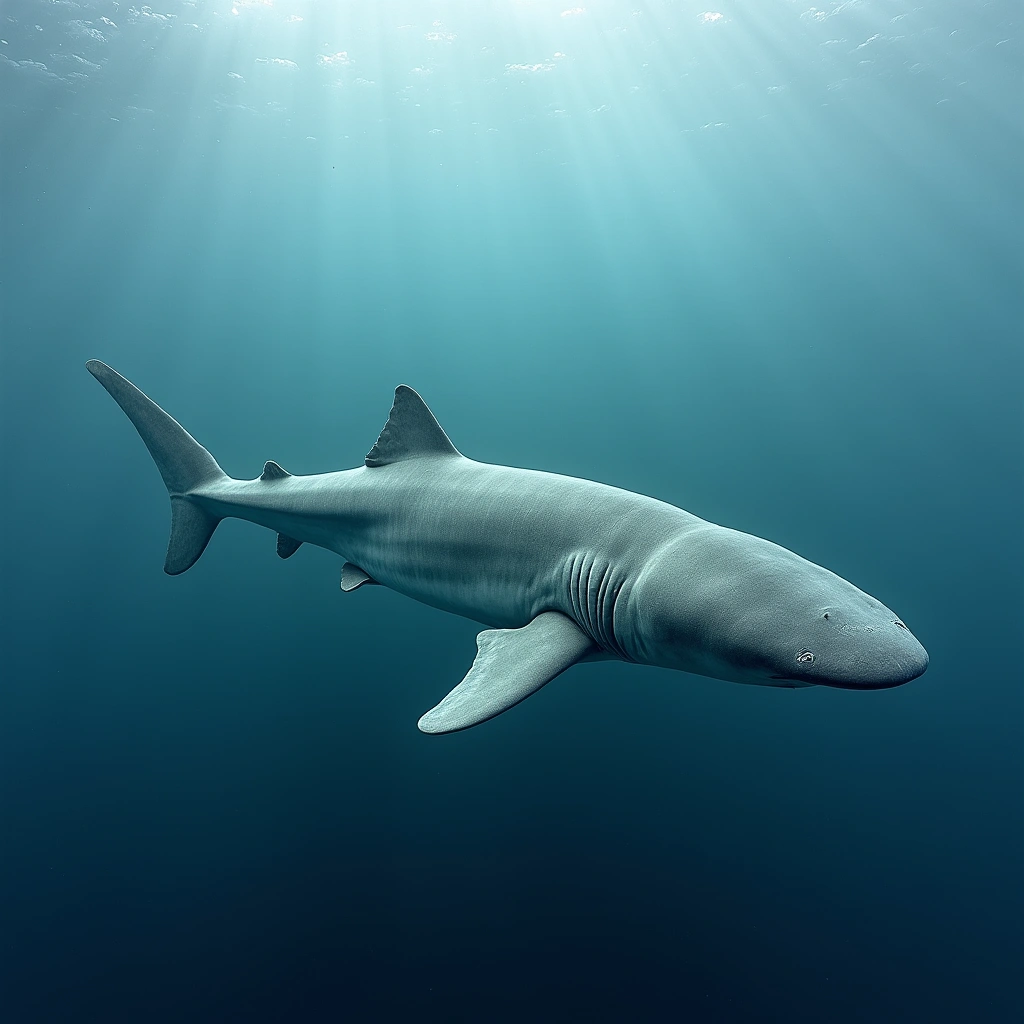
    Discovering the Greenland Shark: The Bonkers Vertebrate That Might Just Outlive Your Grandparents

    Alright, folks, gather ’round! Today, we’re diving deep into the mysterious and downright bonkers world of the Greenland shark. If you’re not familiar with this creature, let me start by saying: it’s like the ancient grandpa of the ocean who’s seen it all and still manages to keep a low profile.

    Now, let’s kick things off with the mind-boggling fact that the Greenland shark is probably the longest-lived vertebrate out there. That’s right! Forget those old tortoises; this shark can live for over 400 years! Imagine how many ‘Back in my day’ stories it could tell. I mean, it’s seen more world events than your average history professor on caffeine!

    What Makes It So Special?

    First off, let’s talk about its appearance. With its chunky body, small eyes, and a smile that says, “I’ve had a long life and I’m not done yet,” the Greenland shark is a sight to behold. It’s like that one friend who shows up at a party wearing last decade’s fashion but somehow still pulls it off. They may look a bit rough around the edges, but they have a lot of wisdom to impart.

    But wait, there’s more! These sharks live in the frigid waters of the Arctic and North Atlantic. While most of us are bundled up in layers of sweaters and hot cocoa, these chill sharks are swimming in waters that make your average polar bear shiver. Talk about a cold-hearted creature!

    Why So Long?

    So, how does one become a centenarian in the ocean? The secret sauce is their incredibly slow growth rate. Greenland sharks grow about 1 cm a year! So while you’re out there trying to hustle for that promotion, this shark is just taking its sweet time, living life at a turtle’s pace but with a predatory twist. It’s like the ultimate life hack: slow and steady wins the race—unless you’re a hare, of course.

    But let’s get serious for a moment. Their longevity might be due to the chilly waters they inhabit. Cold temperatures can slow down metabolism, leading to a longer life. So if you’re looking for the secret to a long life, maybe it’s time to move to Greenland—just watch out for polar bears and those pesky icebergs!

    The Wrinkles of Wisdom

    Now, you might be wondering, what does a 400-year-old shark do all day? Well, they mostly cruise around the ocean, munching on whatever comes their way—like seals and fish. They’re the ultimate ocean couch potatoes, but hey, they’ve earned it! At that age, who wouldn’t want to take it easy?

    However, it’s not all sunshine and rainbows in the life of a Greenland shark. They face threats from climate change and human activities. As their icy habitat warms up, these ancient creatures may find themselves in a bit of a pickle. It’s like trying to find a parking spot in a crowded mall—frustrating and increasingly difficult.

    The Takeaway

    In conclusion, the Greenland shark is not just another fish in the sea. It’s a living testament to the wonders of evolution, resilience, and the occasional madness of nature. So next time you’re feeling overwhelmed by life, just remember: there’s a shark out there that’s older than your great-great-grandparents and it’s just chilling in the Arctic. Take a page from its book and slow down—life’s too short to rush!

    Now, go ahead and impress your friends with your newfound knowledge of the oldest vertebrate on the planet. They’ll think you’re a total genius (or at least someone who spends way too much time on Reddit). Cheers to the Greenland shark, the bonkers creature that’s probably living its best life under the sea!

  • The Unfortunate Reality of the Animal Kingdom: A Small Creature’s Last Stand Against Predators

    The Unfortunate Reality of the Animal Kingdom: A Small Creature’s Last Stand Against Predators

    Ah, nature! A beautiful yet brutal realm where the circle of life spins faster than your crazy Aunt Linda after one too many glasses of wine. Today, let’s dive into a heart-wrenching yet oddly captivating moment captured on camera: a small animal, blissfully unaware of its impending doom, staring straight into the lens while a predator lurks nearby. Spoiler alert: it doesn’t end well for our furry friend, but it sure makes for a compelling story.

    Imagine the scene: a serene forest, birds chirping, and butterflies fluttering around, like a scene straight out of a Disney movie. But wait! What’s that? A cute, fluffy creature (let’s call it Fluffy McSnack) is casually munching on some grass, completely oblivious to the eyes of doom lurking in the shadows. It’s like the animal version of scrolling Instagram right before a surprise exam. You know it’s going to end badly, but you can’t look away!

    Now, let’s talk about that adorable little face looking up at the camera. You can practically hear it thinking, “Hey, look at me! I’m so cute!” I mean, who wouldn’t want to take a picture of such a photogenic creature? But let’s be real here. Fluffy McSnack’s Instagram account is about to get canceled faster than a reality TV star’s career after a scandal. The predator, lurking just out of sight, is likely rolling its eyes and thinking, “Can you believe this guy?” It’s like the predator’s own personal version of a snack unwrapping itself.

    The predator, let’s refer to it as Mr. Hungry Pants, is probably salivating at this golden opportunity. You’ve got to give them credit; they know how to choose their moments. Timing is everything in the wild – just ask any comedian trying to land a punchline. And let’s not forget, while we may feel bad for Fluffy, Mr. Hungry Pants has got to eat too. It’s a harsh world out there, my friends!

    This moment captures a fundamental truth about life: it’s unpredictable, often unfair, and sometimes you’re just a tasty morsel in someone else’s lunch plan. While we humans fret over our next meal and whether we remembered to pay our Netflix bill, these animals are caught in a never-ending game of predator and prey. It’s as if Mother Nature herself is the ultimate game show host, with Fluffy and Mr. Hungry Pants playing the roles of contestant and prize.

    But let’s not get too gloomy; there’s a silver lining! This scenario opens the door to discussions about wildlife conservation, ecosystems, and the importance of each creature in maintaining the balance of life. Every cute little creature has its role, and every predator has its purpose. So, while Fluffy’s fate may seem tragic, it’s all part of the grand design of nature.

    So next time you see a cute animal photo, remember the hidden drama that may be unfolding just off-camera. It’s a wild world out there, and sometimes the most heartwarming images come with a side of existential dread. But hey, that’s just life—sometimes you’re the star of a viral video, and sometimes you’re just the snack in someone’s lunch!

    And before you go, here’s a thought: maybe we should all take a page from Fluffy’s book and live in the moment, capturing the beauty around us, even if it’s just for a fleeting second before the inevitable happens. And remember, if you see a cute little creature staring at you, it might just be asking for a selfie—so make it count!

  • The Unlikely Encounter: An Emperor Penguin’s Day at an Australian Beach

    The Unlikely Encounter: An Emperor Penguin’s Day at an Australian Beach

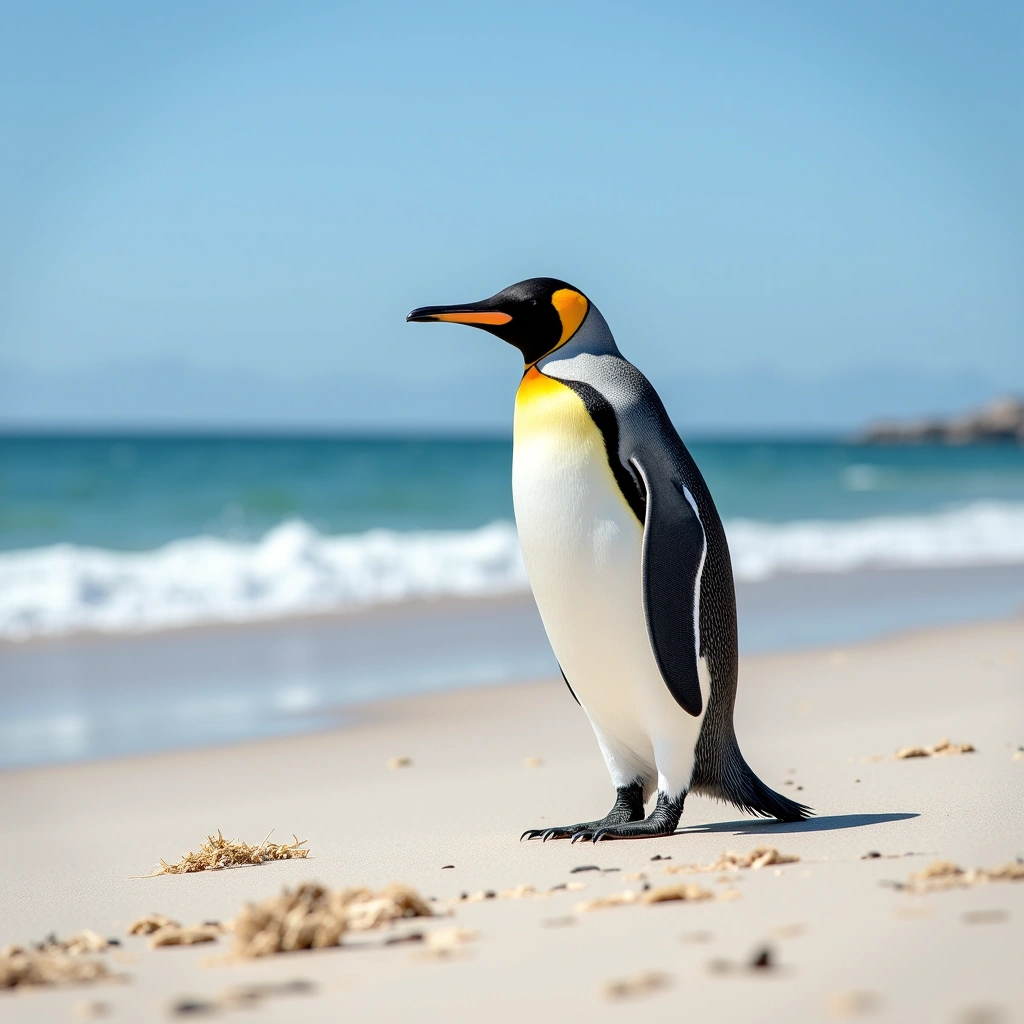
    Imagine the scene: you’re lounging on a sunny beach in Australia, sipping a cold drink, when suddenly, out of nowhere, a rather regal emperor penguin waddles by. Yes, you heard that right! An emperor penguin, a creature that usually chills in the frosty realms of Antarctica, decided it was time for a beach vacation. Who knew they had such adventurous spirits?

    Now, let’s be honest. We all have that friend who is a little too obsessed with penguins. They probably own an oversized plush toy that they take to every party, and they can recite the entire plot of “March of the Penguins” without breaking a sweat. But let’s not get sidetracked. This is about an emperor penguin on an Australian beach, and it’s a sight to behold!

    First things first, let’s appreciate the sheer absurdity of this encounter. Emperor penguins are like the royal family of the penguin world. They strut around with their majestic black and white tuxedos, while the rest of us mere mortals sweat it out under the sun. One minute, you’re trying to catch a wave, and the next, you’re contemplating whether you should offer this noble bird a beach towel.

    So, what was this magnificent creature doing all the way up in Australia? Did it lose its way in a game of “Follow the Leader”? Or maybe it had a secret deal with the local surf school to take a few lessons? “Surf’s up, dude!” it might have exclaimed, though I imagine it would sound more like a series of honks and waddles.

    Interestingly, this isn’t the first time our feathered friend has made headlines. There have been reports of penguins wandering into unfamiliar territories, often due to changes in their feeding patterns or, dare I say, a little too much curiosity. After all, who wouldn’t want to explore the land of sunburns and barbecues?

    Now, while some might argue that this is a cry for help from the penguin, others might see it as a delightful reminder of nature’s unpredictability. It’s like when your dog suddenly decides that the neighbor’s garden is a better place to hang out than your own cozy living room. You can’t help but laugh, right?

    Of course, this beach encounter raises questions about wildlife protection and conservation. If our emperor friend is venturing far from its icy kingdom, it might be time for us to sit up and take notice. Climate change, overfishing, and habitat loss are all real threats to these charming creatures. So, let’s do our part and keep our beaches clean and our oceans healthy. Because who wants to see penguins booking flights to Australia when they should be sliding on icebergs?

    In conclusion, whether you’re a penguin enthusiast or just someone who enjoys a good story about unexpected beach visitors, let’s celebrate this quirky moment. Next time you’re at the beach, keep your eyes peeled. You never know when a tuxedo-clad bird might just waddle by, ready to steal the show. And if you do spot one, make sure to snap a picture and share it. After all, it might just be the start of a new trend: penguins on vacation!

    So, here’s to our penguin pals! May they continue to confuse and amuse us, one beach at a time.

  • Orca Parenting 101: How to Raise a Fearsome Hunter with a Live Mako Shark

    Orca Parenting 101: How to Raise a Fearsome Hunter with a Live Mako Shark

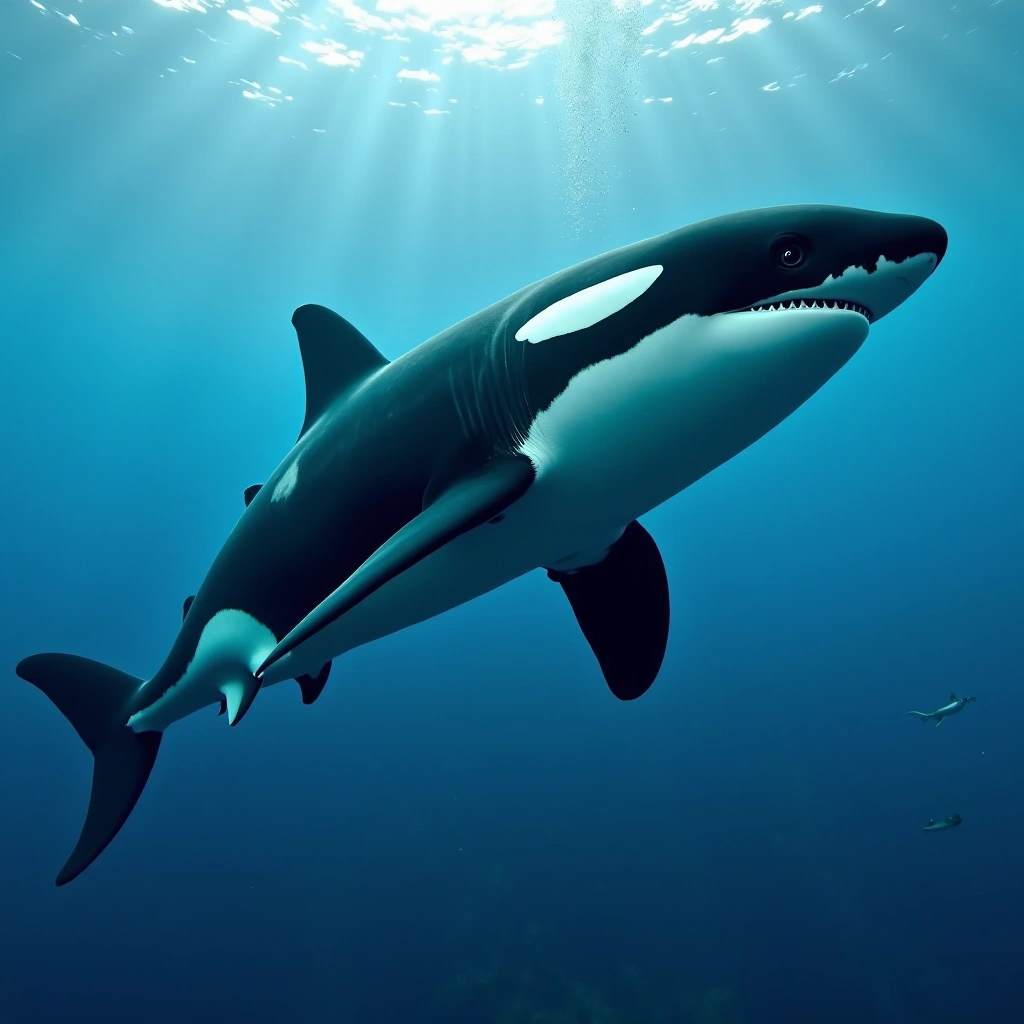
    So, you thought parenting was tough? Try being an orca mom! Recently, a fascinating video surfaced of an orca training her calf to hunt, and the lesson plan? A live mako shark—yes, the very same creature that makes Jaws look like a goldfish. This isn’t just any training, though; it involves the controversial technique of tonic immobility. Intrigued? Let’s dive in!

    The Art of Tonic Immobility

    First off, let’s talk about tonic immobility. Sounds like something you’d hear at a yoga retreat, right? But no, it’s a real thing in the animal kingdom! When a shark is flipped upside down, they enter a state of temporary paralysis. It’s nature’s version of hitting the snooze button. And what better way to teach your young one the ropes of hunting than with a shark that’s taking a nap?

    Orca Parenting: A Splash of Tough Love

    Now, before you start thinking that this is some kind of animal cruelty, let’s clear the air. Orcas are known as apex predators—think of them as the high school quarterbacks of the ocean. They need to teach their calves to survive, and what better way to do that than with a live demonstration?

    Imagine this: you’re a young orca, and your mom flips a mako shark upside down like it’s a pancake on a Sunday morning. What’s going through your mind? Probably something along the lines of, ‘Wow, Mom is a total badass!’ This is the ultimate confidence booster for the little orca!

    Shark vs. Orca: The Ultimate Showdown

    Let’s be real; the mako shark is no couch potato. These guys are sleek, fast, and, let’s face it, kind of scary. But orcas have a secret weapon: teamwork. They don’t just go in solo like some lone wolf; they coordinate their attacks with the finesse of a well-rehearsed dance troupe. Imagine a flash mob, but instead of dancing, they’re hunting. And yes, it’s just as dramatic as it sounds!

    Lessons Learned

    So, what can we humans learn from this? First off, parenting styles vary, and it’s okay to have a unique approach—just maybe skip the live shark part. Secondly, teamwork makes the dream work! Whether you’re in the ocean or navigating the chaotic waters of life, working together is essential. And let’s not forget that sometimes, you’ve got to flip things upside down to get a different perspective.

    Final Thoughts

    In conclusion, while this may seem a bit controversial (I mean, who uses a live shark for a training session?), it’s just another day in the life of orcas. They’re teaching their young ones not just to hunt, but to thrive in their environment. So the next time you’re struggling with your own ‘parenting’ situation—be it raising kids, pets, or even houseplants—remember the orca mom and her mako shark lesson plan. Just think twice before flipping anything upside down!

    And for those of you who want to see this incredible orca in action, here’s a link to the video that started it all! [Insert Video Link Here]

    Now, go out there and make a splash—just not with a mako shark!

  • Exploring the Wild World of Animal Claws and Talons: A Comparison of Nature’s Sharpest Tools

    Exploring the Wild World of Animal Claws and Talons: A Comparison of Nature’s Sharpest Tools

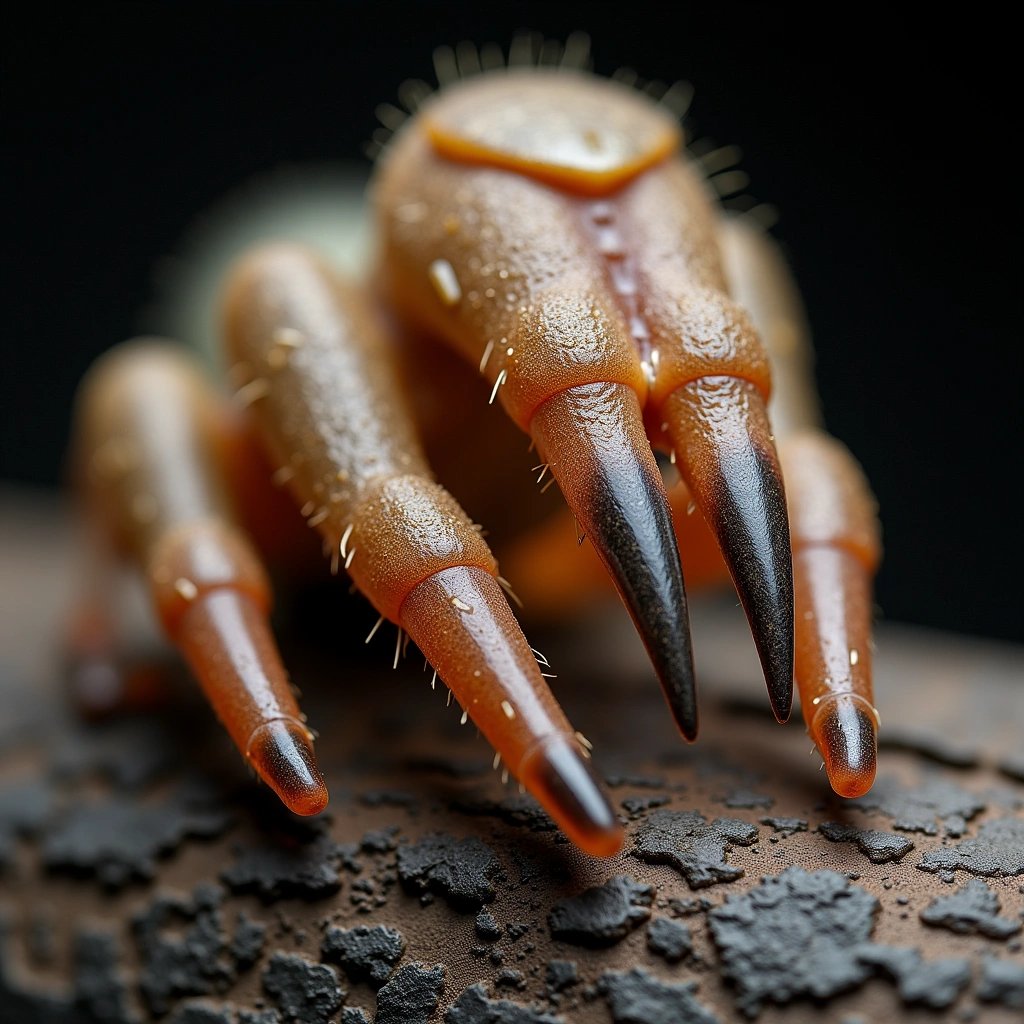
    Alright, my fellow nature enthusiasts, grab your favorite beverage (preferably something that doesn’t stain) and settle in because we’re about to dive into the fascinating – and sometimes downright scary – world of animal claws and talons. These little (or big) pieces of keratin are not just for show; they are the ultimate multitasking tools of the animal kingdom. From catching dinner to defending territory, these appendages have some serious skills. Let’s break it down!

    Claws vs. Talons: What’s the Difference?

    Before we get into the nitty-gritty, let’s clear up the confusion between claws and talons. Think of claws as the Swiss Army knives of the animal world. They’re versatile, found on many mammals like cats and dogs, and can be used for climbing, digging, or just looking fabulous while lounging in the sun.

    Talons, on the other hand, are the specialized hunting tools of birds of prey, like eagles and hawks. These bad boys are designed specifically for catching and holding onto their dinner (sorry, rodents!). Talons are like the high-end chef’s knife of the avian world – sharp, precise, and deadly.

    The Claw-some Creatures: Cats

    Let’s start with our feline friends. Domestic cats have retractable claws that could probably put a Swiss Army knife to shame. They can extend them when it’s time to pounce on that unsuspecting toy mouse (or your new pair of shoes) and retract them when it’s time to lounge around like the royalty they believe they are.

    The Mighty Talons: Eagles

    Now, let’s soar high and take a look at eagles. These magnificent birds have talons that are not just for show; they’re like the grappling hooks of the sky. With a grip so strong that an eagle can lift small mammals, their talons are a prime example of nature’s design at its finest. Plus, they have a sharp curve that would make any nail artist jealous.

    The Claw-ssic: Bears

    Bears, those adorable giants of the wild, also come equipped with claws that are definitely not for scratching your back. Grizzly bears have powerful claws that can grow up to 4 inches long! These claws are perfect for digging up roots or breaking into beehives for a sweet, sweet honey snack. Just imagine trying to argue with a bear about their choice of dessert – not a conversation you want to have!

    The Unseen Heroes: Gopher Tortoises

    Now, let’s not forget our shelled friends. Gopher tortoises have claws that may not seem intimidating at first glance, but they play a crucial role in their ecosystems. These claws help them dig burrows that provide homes for over 350 other species. Talk about being the ultimate team player!

    The Dual-Purpose: Roosters

    When you think of roosters, you might picture them strutting around the yard like they own the place (which they do). But those spurs on their legs? Yep, those are modified claws! Roosters use them for both defense and during their morning dance-offs. Just imagine a rooster pulling off a breakdance move with those sharp spurs – now that’s a show I’d pay to see!

    The Conclusion: Nature’s Toolbox

    So, there you have it! Whether it’s the versatile claws of a cat, the deadly talons of an eagle, or the surprising utility of a gopher tortoise’s claws, these adaptations are a testament to how nature equips its creatures. Next time you see an animal with claws or talons, give them a nod of appreciation for their evolutionary prowess.

    And remember, while we may poke fun at these creatures, they are all part of a grand design, each playing their role in the circle of life (cue the Lion King soundtrack!). So, keep your distance, admire from afar, and never underestimate the power of a good claw or talon. Who knows? You might just find yourself in an unexpected showdown at the next neighborhood barbecue if you get too close to a bear’s honey stash!