Category: Nature

  • Tsunami Waves Crash into Japan: A Rollercoaster of Nature’s Fury

    Tsunami Waves Crash into Japan: A Rollercoaster of Nature’s Fury

    So, grab your popcorn and hold onto your hats, folks! Today, the world was treated to some jaw-dropping footage as tsunami waves slammed into Japan’s coastline following a 7.4 magnitude earthquake. Yes, you heard that right—Mother Nature decided to throw a little impromptu party, and it was nothing short of spectacular… and terrifying!

    Now, I know what you might be thinking: ‘Tsunami?! Sounds like a plot twist in a disaster movie!’ But this is real life, and Japan has had more than its fair share of these watery behemoths. Just when you think you’re safe watching Netflix, nature says, ‘Hold my beer.’

    Let’s break it down: A 7.4 magnitude earthquake hit off the coast, creating waves that are not just a minor inconvenience like a spilled drink at a party, but more like someone knocking over the entire buffet table. The footage shows waves crashing onto the shoreline like they’re auditioning for a role in the next Fast & Furious movie—complete with dramatic slow-mo and a soundtrack that screams ‘epic’!

    But before you start placing bets on how many surfers are going to try to ride these waves (please, don’t), let’s talk about the real implications. Tsunamis can be incredibly destructive, and while the immediate damage from this one seems to be under control, it’s a sobering reminder of how powerful our planet can be. Just when you think you’re in control, nature gives you a swift kick in the shins.

    Now, let’s not forget about the brave souls who live in these coastal areas. They’ve seen it all, and their resilience is nothing short of inspiring. It’s like they have a sixth sense for natural disasters—probably because they’ve had ample practice. Seriously, if there’s an Olympic event for dodging tsunamis, Japan would take home the gold every time!

    So, what’s the takeaway here? Besides the obvious ‘don’t build sandcastles too close to the water,’ it’s a reminder of the importance of preparedness. It’s crucial to have a plan in place and to stay informed. Let’s face it, the last thing you want is to be caught off guard when nature decides to show off its strength.

    As we continue to monitor the situation, let’s keep our thoughts with those affected and remember that while tsunamis are awe-inspiring, they are also a serious force to be reckoned with. So, stay safe, stay informed, and maybe keep your feet on dry land for a bit. Because the last thing we need is a tsunami crashing our party!

  • Clearing the Forest: The Future of Tree Management with Lasers

    Clearing the Forest: The Future of Tree Management with Lasers

    Hey there, fellow tree-huggers and laser enthusiasts! 🌳💥 So, let’s talk about something that sounds like it’s straight out of a sci-fi movie: tree-clearing lasers. Yes, you heard me right! Forget lumberjacks with chainsaws; we’re entering the futuristic realm of laser technology. Grab your popcorn, because this is going to be a wild ride!

    Now, you might be wondering, "Why on Earth would we want to clear trees with lasers?" Well, my friend, let’s break it down. Traditional tree-clearing methods can be brutal—chainsaws, bulldozers, and good ol’ human sweat. All that noise, mess, and destruction, just to make room for that new shopping mall, right? But lasers? They’re quiet, precise, and, dare I say, a bit flashy!

    Imagine a world where tree management is as easy as pointing a remote control at your TV. You press a button, and voila! The tree just disappears in a flash of light! Of course, we’re not quite there yet. But researchers are developing laser technologies that can target trees for removal without the collateral damage of traditional methods. Think of it as a highly sophisticated tree surgeon, complete with a laser scalpel.

    Now, let’s address the elephant in the room—or should I say, the lumberjack? Some people might raise an eyebrow at the idea of using lasers for tree clearing. "What about the environment?" they cry. "What about the wildlife?" Well, while I can’t promise that lasers won’t start a forest rave when they zap those pesky trees, the hope is that this technology could actually reduce the impact on surrounding ecosystems.

    For instance, lasers can be programmed to target specific trees that are diseased or infested, allowing healthier ones to thrive. It’s like a game of botanical dodgeball, but with lasers instead of rubber balls. Plus, fewer machines means less noise and air pollution, which is a win-win for Mother Earth. Who knew saving the planet could be so high-tech?

    But here’s where it gets a bit controversial: while lasers could revolutionize tree management, they also come with their own set of challenges. For one, the cost of such advanced technology isn’t exactly pocket change. And let’s face it, not everyone is ready to trade in their trusty chainsaw for a laser cannon. Plus, there’s the question of safety. I mean, do we really trust everyone with a laser? I can already picture the neighbor trying to clear his yard and accidentally turning his fence into a modern art installation.

    So, what does the future hold for tree-clearing lasers? Well, as with any emerging technology, it’s a mixed bag of opportunity and responsibility. As we balance the convenience of lasers with the need to care for our environment, it’s crucial that we approach this with caution and a sense of humor. After all, if we can’t laugh at ourselves while exploring futuristic solutions, what’s the point?

    In conclusion, my friends, tree-clearing lasers might be the next big thing in forestry, or they might just be another flash in the pan (pun intended!). Either way, let’s keep our eyes peeled for what’s to come. And who knows? Maybe one day, instead of a lumberjack, we’ll have laser-wielding eco-warriors saving the forests one zap at a time!

  • The Rosy Maple Moth: Nature’s Fluffy Pink Wonder That You Didn’t Know You Needed

    The Rosy Maple Moth: Nature’s Fluffy Pink Wonder That You Didn’t Know You Needed

    Hey there, fellow nature enthusiasts! Buckle up because we’re about to embark on a delightful journey into the world of the Rosy Maple Moth (scientific name: Dryocampa rubicunda), a creature so cute it could give the internet’s cat videos a run for their money. Seriously, if this moth had a TikTok account, it would have more followers than your grandma’s cat.

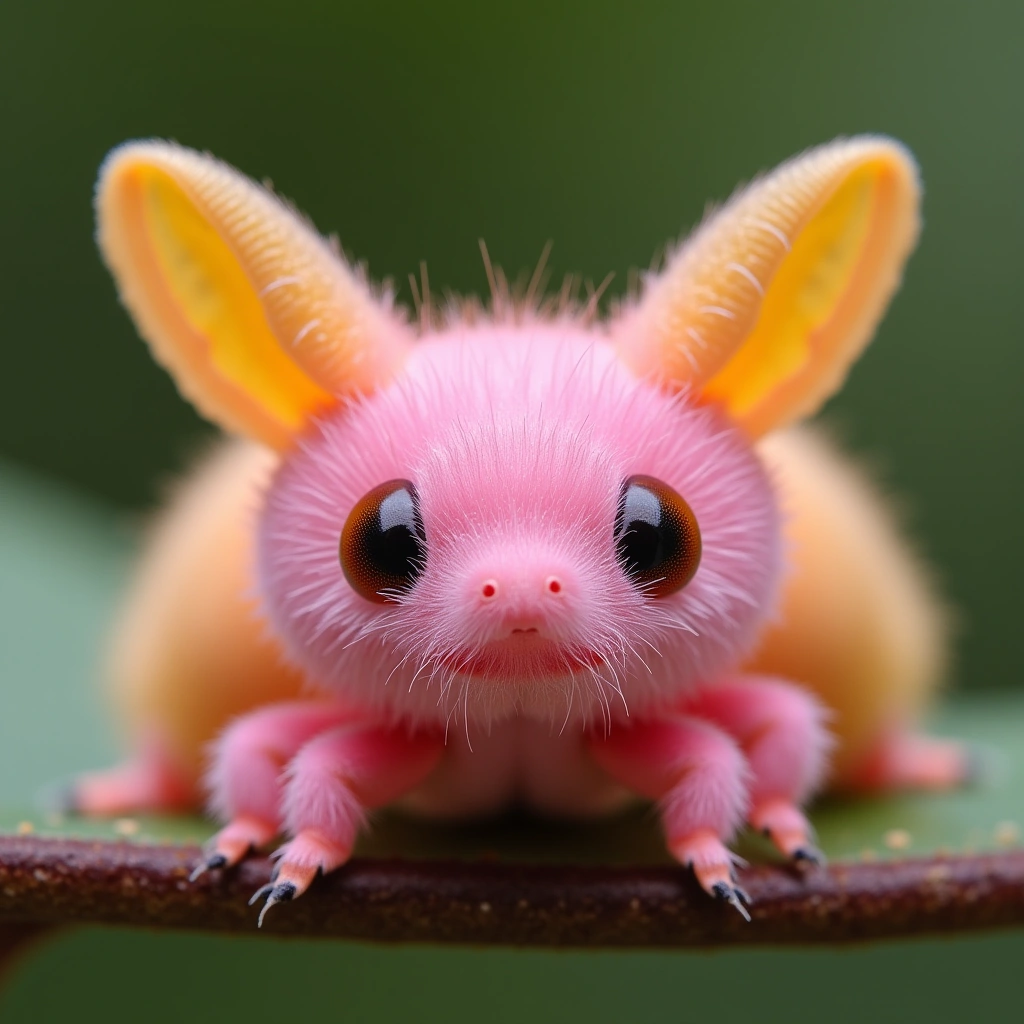
    First things first, let’s talk about the appearance. The Rosy Maple Moth is like a fluffy cotton candy dream that decided to sprout wings. With its soft yellow body and rosy pink accents, it looks like a walking dessert. You might find yourself questioning whether you should admire it or take a bite out of it. Just a heads up, don’t actually eat it; caterpillars can be a bit toxic. It’s kind of like the candy that looks amazing but gives you a tummy ache. You’ve been warned!

    Now, you might be wondering, where can we find this adorable little critter? Well, hold on to your binoculars, because these beauties are predominantly found in North America, particularly in the eastern regions. They love to hang out on maple trees, which is fitting, considering their name. If you ever feel like taking a stroll and want to impress your friends with your knowledge of moths, just point out that the Rosy Maple Moth is a big fan of its namesake tree. Who knew moths had such refined tastes?

    What’s even more fascinating is the lifecycle of these little gems. They start off as equally cute caterpillars, which are green with yellow stripes. They go through the typical metamorphosis, and then—BAM!—they turn into the rosy fluffballs we all adore. It’s like a teen going through an awkward phase, but instead of braces, they come out with wings that make you want to squeal with joy.

    But wait, there’s controversy brewing in the insect world! While many people celebrate the Rosy Maple Moth for its cuteness, others argue that we should be focusing on more ‘important’ insects, like bees or butterflies. Sure, bees are vital for our ecosystem, and butterflies are splendid in their own right, but can’t we all agree that the Rosy Maple Moth deserves a little love, too? It’s like saying we should only cheer for the star quarterback and ignore the benchwarmers. Let’s give a little love to the underdog, folks!

    In conclusion, the Rosy Maple Moth is not just a pretty face in the insect world; it’s a reminder that beauty comes in all shapes and forms. So next time you see one fluttering around your neighborhood, don’t just take a passing glance. Embrace the moment, snap a pic, and maybe even give it a name. Who knows, you might just find yourself inspired by this fluffy pink wonder as much as I am. And remember, no matter how controversial the opinions on moths may get, they all deserve a little spotlight. Happy moth-spotting!

  • Meet the Mwanza Flat-Headed Rock Agama: Nature’s Own Spiderman!

    Meet the Mwanza Flat-Headed Rock Agama: Nature’s Own Spiderman!

    Alright, my fellow reptile enthusiasts and Marvel fans, gather ’round! Have you ever stumbled upon a creature that looks like it just swung off a comic book page? Well, let me introduce you to the Mwanza flat-headed rock agama, the lizard that could make even Peter Parker do a double-take.

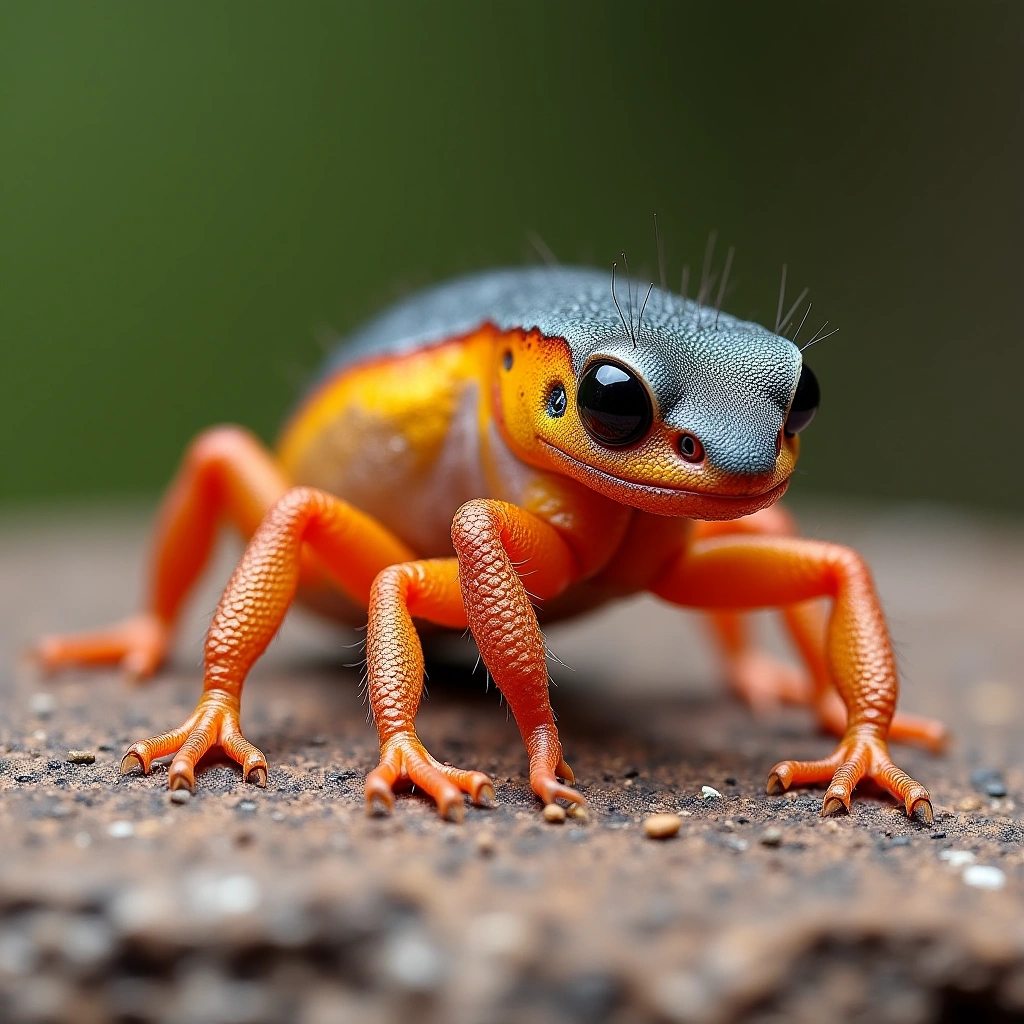
    First things first, let’s talk about this dude’s appearance. With its bright blue body and flat, wide head, this little fella could easily pass for Spiderman’s long-lost cousin. I mean, if Spidey decided to hang up his web-slinging suit and take a more ‘rocky’ approach to life, he might just morph into this stunning lizard. Who needs tights when you can have scales, am I right?

    Now, before you start thinking that this lizard is just a pretty face, let’s dive into its personality. These agamas are known for their territorial behavior, striking poses on rocks to assert dominance. Forget about the high-flying moves of Spiderman; this lizard prefers the classic ‘look at me, I’m fabulous!’ tactic. They bask in the sun, showing off their vibrant colors, as if saying, “Hey, everyone, check out my new summer collection!”

    But let’s not forget where this superhero reptile calls home. The Mwanza flat-headed rock agama hails from the rocky terrains of Tanzania, where it climbs and scurries with a grace that would make any acrobat jealous. They’re like the parkour enthusiasts of the lizard world, darting between rocks and basking in the sun while keeping an eye out for potential mates and, of course, any unsuspecting insects to munch on.

    Speaking of romance, these agamas have a rather interesting courtship ritual. The males put on quite the show, flaunting their colors and engaging in a bit of a dance-off to impress the ladies. It’s like a reptilian version of “So You Think You Can Dance,” and let me tell you, it’s a show you don’t want to miss. Who knew that lizards could have such flair?

    But here’s where it gets a bit controversial, folks. Some may argue that these vibrant agamas are just nature’s way of saying, “Look at me! I’m fabulous and you’re not!” But let’s face it, who wouldn’t want to be a stunning reptile strutting around like the king of the jungle? I mean, we all have our moments of strutting our stuff, right? Just ask anyone who has ever danced in front of the mirror!

    In conclusion, the Mwanza flat-headed rock agama is not just a creature that resembles your friendly neighborhood superhero; it’s a vibrant reminder of the wonders of evolution and the beauty of nature. So next time you think about Spiderman, remember that there’s a lizard out there living its best life in Tanzania, rocking its colors and strutting its stuff on the rocks. Who knows? Maybe one day it will inspire a new superhero movie: “The Amazing Agama!”

  • The Brazilian Wandering Spider’s Venom: Nature’s Unexpected Viagra or Just a Pain in the… Well, You Know

    The Brazilian Wandering Spider’s Venom: Nature’s Unexpected Viagra or Just a Pain in the… Well, You Know

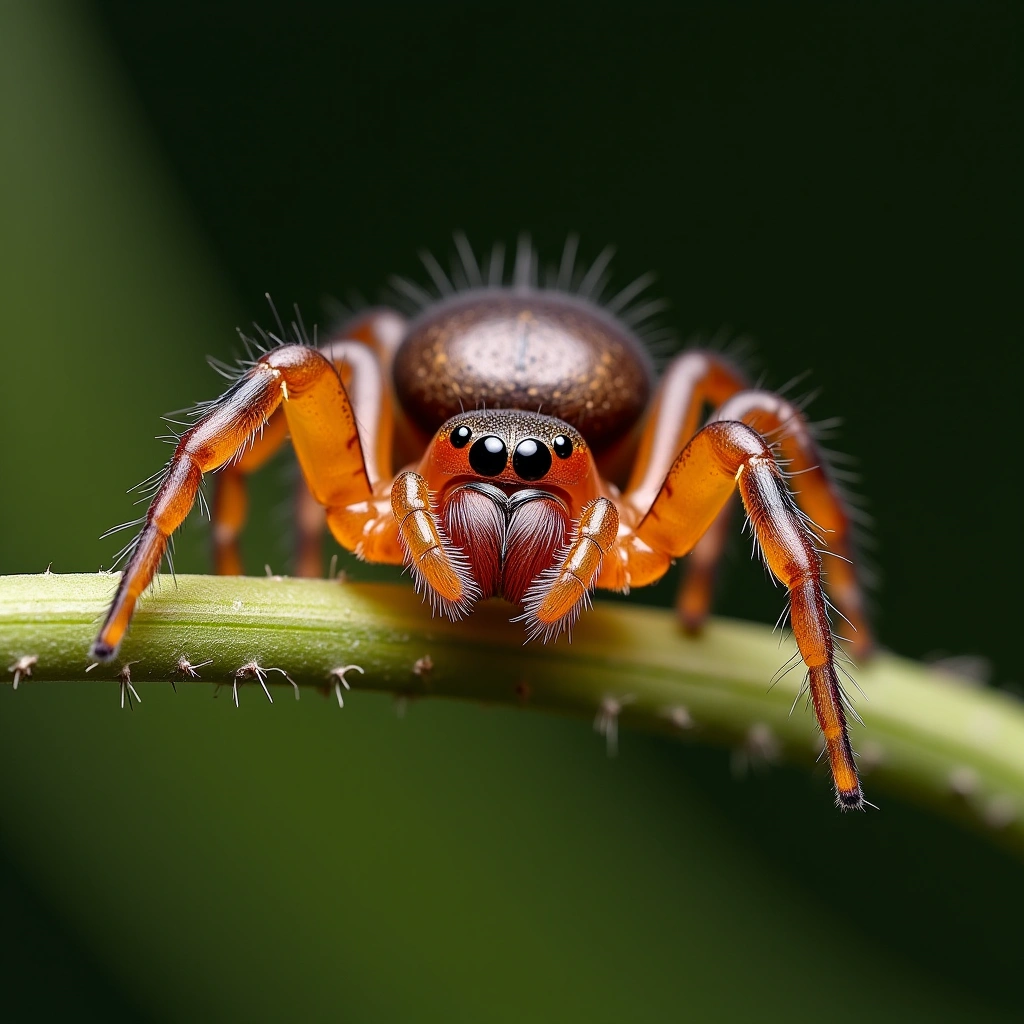
    Ah, the Brazilian wandering spider. Known for its charming looks and a penchant for hanging out in your shoe when you least expect it. But did you know that this eight-legged wonder has also been making headlines for its venom? That’s right! This little critter might just have a secret weapon that could keep you up—literally.

    So, what’s the deal? According to some scientific studies (and a few very brave souls), the venom from the Brazilian wandering spider has been linked to long-lasting, albeit painful, erections. Yes, you heard that right. Forget about those awkward conversations with your doctor; all you need is a bit of spider juice. But wait! Before you go out hunting for spiders like you’re auditioning for a modern-day version of Indiana Jones, let’s unpack this a bit.

    First off, the venom contains a compound called PhTx3, which has been shown to have effects on the blood vessels. Think of it as a very intense form of arterial yoga—only instead of finding your inner peace, you might just find yourself with an ‘outer’ problem. Sure, it sounds like a great idea at first, but let’s not forget that pain is part of the package. If you thought getting stung by a bee was bad, just imagine the Brazilian wandering spider giving you a love bite that lasts for hours!

    Now, let’s be real here: the idea of using spider venom as a natural aphrodisiac might sound appealing, but it’s not exactly an attractive option. Can you picture it? “Hey babe, want to try something wild? I just need to catch a spider first!” Talk about a mood killer! Plus, those side effects—painful erections? No thanks! I’d rather take my chances with a little blue pill.

    But before you dismiss this whole thing as a ridiculous science experiment gone wrong, it’s worth noting that researchers are looking into ways to harness this venom for medical purposes. The potential for creating new treatments for erectile dysfunction is there, but we’re a long way off from seeing spider venom hit the shelves next to the other remedies. Imagine the marketing campaign: “Forget flowers; give her a dose of nature’s best!”

    In conclusion, while the Brazilian wandering spider might have a unique claim to fame, let’s leave the venom to its rightful place in the wild. There are much safer and less creepy ways to spice things up in the bedroom. So, unless you’re ready to become a spider-chasing superhero, it might be best to stick to the tried-and-true methods of romance. After all, nothing says ‘I love you’ like a heartfelt compliment, a nice dinner, and maybe a little mood lighting—no spider bites required!

  • When Ducks Outwit Tigers: The Unbelievable Tale of Animal Shenanigans

    When Ducks Outwit Tigers: The Unbelievable Tale of Animal Shenanigans

    Have you ever wondered what would happen if a clever duck met a ferocious tiger? Well, wonder no more! Grab your popcorn, because we’re diving into the hilariously absurd world of animal antics where intelligence doesn’t always come from the expected places.

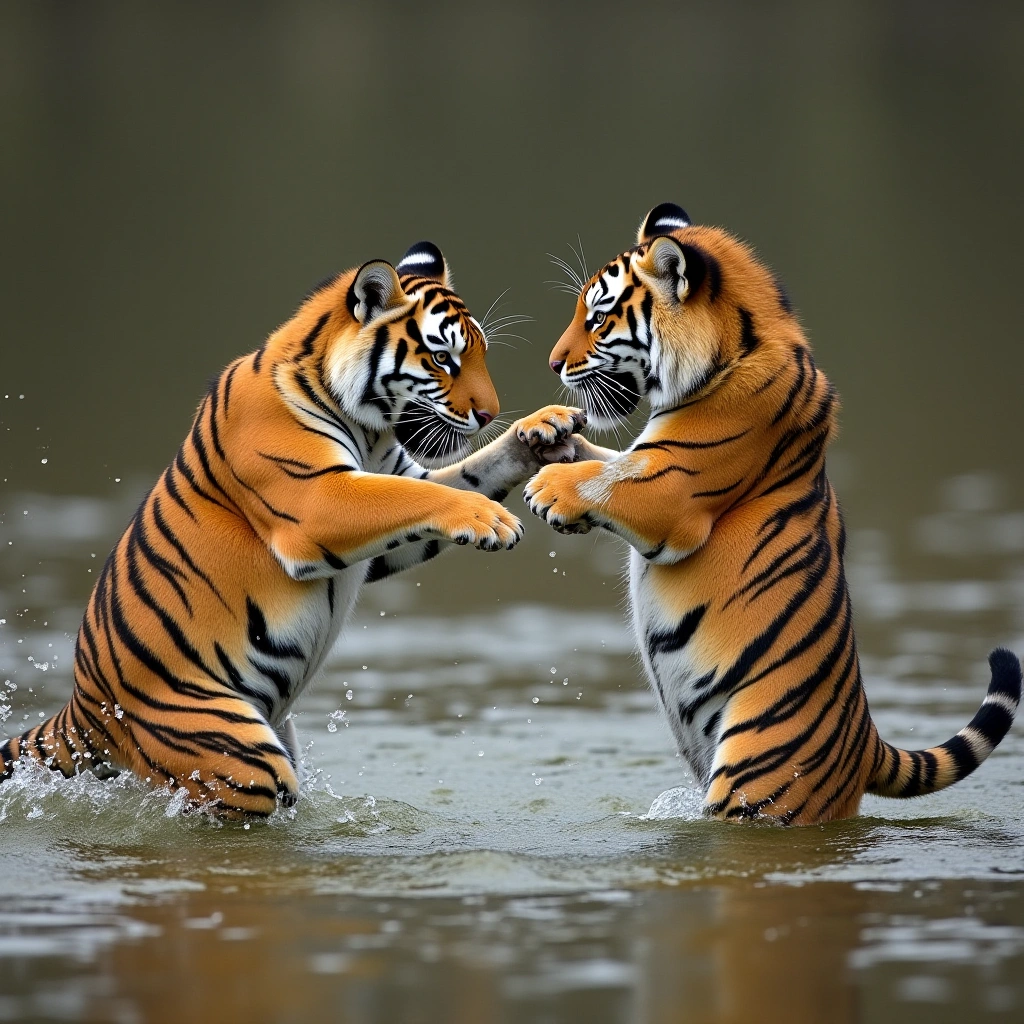
    Picture this: a pristine forest, sunlight filtering through the trees, and a majestic tiger prowling for its next meal. But wait! What’s that waddling along with an air of confidence that would put even the most seasoned lion to shame? You guessed it, our feathered hero—the smart duck!

    This isn’t just any duck, folks. This is a duck with a PhD in outsmarting big cats, or at least that’s what we like to think. As the tiger stalks its prey, our duck friend is busy quacking up a plan that would make even the most strategic chess player envious. The duck knows it’s not the biggest or the fastest, but it has something that the tiger doesn’t—a brain that’s ready to take on the wild!

    Now, let’s talk about the classic predator-prey dynamic. Tigers are the kings of the jungle, right? But here’s the kicker: sometimes, it’s the underdog—or in this case, the underduck—that turns the tables. Imagine the tiger lunging forward, only to be met with a quacking surprise as the duck pulls off a maneuver that would make an Olympic gymnast jealous! Suddenly, the tiger is chasing its own tail (well, metaphorically speaking) while the duck is strutting around like it just won the animal Olympics.

    But let’s not get too carried away here. We all know that in the wild, things can get a bit brutal. The duck’s antics might be funny, but they’re also a reminder that nature is a fierce battleground. Still, it’s hard not to root for the underdog, or in this case, the underduck. After all, who wouldn’t love to see a little feathered hero take down a big cat with nothing but a few clever quacks and some serious swagger?

    Now, I can hear the skeptics saying, “But this is just a figment of your imagination!” To that, I say: have you ever watched a duck? They are practically the comedians of the animal kingdom! With their silly waddles and quirky personalities, these birds have been entertaining humans for centuries. So why not imagine them outsmarting a tiger? It’s not just a story; it’s a celebration of ingenuity, and let’s be honest, it’s downright hilarious!

    So, what’s the takeaway from this wild encounter? Sometimes, brains beat brawn, and it’s okay to laugh at the unexpected twists of nature. The world is full of surprises, and perhaps, just perhaps, the smart duck really did confuse the tiger. In a world where chaos reigns, let’s take a page from our feathered friend’s book: never underestimate the power of a good quack!

    In conclusion, if you ever find yourself face-to-face with a tiger, just remember the story of the smart duck. It’s not just about survival; it’s about strategy, wit, and a healthy dose of humor. Now, if you’ll excuse me, I need to go find a duck to give some life lessons to, because let’s face it, we could all use a little more quack in our lives!

  • Incredible Moment: Newborn Dolphin Takes Its First Swim Right After Birth

    Incredible Moment: Newborn Dolphin Takes Its First Swim Right After Birth

    Have you ever witnessed a miracle of nature? If not, let me take you on a journey to the ocean where an extraordinary event just unfolded. Imagine the scene: a newborn dolphin, barely moments old, is already embarking on its very first swim. This heartwarming occurrence has captivated the hearts of many, and it’s easy to see why.

    According to a recent post by user /u/misterxx1958 on Reddit, this enchanting event took place in a natural marine habitat, where dolphins thrive and grow. Dolphins, known for their intelligence and sociable nature, give birth to calves that are remarkably precocious. Unlike many other mammals, these little ones are born with an innate ability to swim almost immediately after birth. It’s a survival instinct that ensures they stay close to their protective mothers, especially in the wild where threats lurk.

    The sight of a newborn dolphin gliding smoothly through the water is not just a testament to nature’s wonders but also a poignant reminder of the bond between mother and calf. As the baby dolphin takes its first swim, you can almost hear the gentle encouragement from its mother, guiding and supporting it as they navigate their new world together. This moment is a beautiful example of maternal care in the animal kingdom, showcasing the lengths mothers go to ensure their offspring thrive.

    The social structure of dolphins also plays a critical role in the upbringing of their young. They often swim in pods, creating a nurturing environment that aids in the development of calves. This communal care can be seen as the dolphin community rallies around the new mother and her calf, celebrating the arrival of a new life.

    As we reflect on this remarkable event, it’s essential to consider the challenges that dolphins face in today’s world. With increasing threats from pollution, habitat destruction, and climate change, the survival of these magnificent creatures is at stake. Conservation efforts are more crucial than ever to ensure that future generations can witness the wonder of a newborn dolphin taking its first swim.

    So, the next time you find yourself near the ocean, take a moment to appreciate the beauty of marine life. And remember, every little dolphin that swims into the world is a reminder of the magic of life and the importance of protecting our oceans. Let’s cherish these moments and commit to safeguarding our planet and its inhabitants. After all, every birth is a new beginning, and every swim is a step towards survival.


    Inspired by: “Newborn Dolphin takes its first swim moments after birth” (r/interestingasfuck)

  • Surprising Animal Sounds That Defy Their Looks: A Quirky Exploration

    Surprising Animal Sounds That Defy Their Looks: A Quirky Exploration

    Hey there, fellow animal enthusiasts! Today, we’re diving into the wild world of animals that don’t quite sound like what you’d expect. You know, the ones that look all tough and fierce but sound like they just stubbed their toe, or the fluffy little critters that roar like they’ve just had a double shot of espresso. Buckle up, because this is going to be a fun ride!

    First on our list is the common llama. These guys might look like they’re auditioning for the role of a majestic mountain guardian, but when they open their mouths, it’s like they’ve just watched a sad movie and are about to cry. Llamas are known for their unique vocalizations that can only be described as a cross between a sheep bleating and a disgruntled teenager. Seriously, if they had a TikTok account, I bet they’d go viral for their moody expressions and whiny sounds.

    Next up, we have the naked mole rat. Now, you might be thinking, “How could something that looks like a hairless alien possibly make any sound?” Well, prepare to be amazed! These little guys communicate through a series of squeaks and chirps that sound like a malfunctioning toy. If you didn’t know any better, you’d think they were trying to summon a spaceship rather than just chit-chatting with their pals. You’d expect a creature that looks like it’s just had a bad day at the barber to sound like a purring kitten, but nope! They’ve got quite the vocal range.

    Let’s not forget about the great horned owl. Oh, the irony! With their fierce appearance and those piercing eyes, you might picture them hooting like a wise old sage. But hold onto your hats because their call sounds more like a cat coughing up a hairball. It’s a bit embarrassing for them, really. You’d think they’d want to keep that sound on the down-low, but nope, they’re out there hooting away like they’re the kings of the night.

    Now, let’s talk about the dolphin. These sleek, intelligent creatures are the rock stars of the ocean, right? With their graceful moves and playful antics, you’d expect them to be serenading us with sweet melodies. But instead, they sound like a bunch of underwater party animals. Picture a group of humans at a karaoke bar, belting out their favorite tunes after a few too many drinks—that’s what dolphins sound like! Their clicks and whistles are like an underwater rave, and nobody’s getting a sober ride home.

    Finally, we have the red-eyed tree frog. This cute little dude looks like he’s been painted by a toddler with a penchant for bright colors. You’d think he’d have a sweet, gentle croak, but instead, they sound like a rusty door hinge. Imagine being in the jungle, surrounded by nature’s beauty, and then hearing a noise that sounds like someone is desperately trying to fix their ancient bicycle. You can’t help but chuckle at the juxtaposition of their adorable looks and their not-so-adorable sounds.

    In conclusion, the animal kingdom is full of surprises, especially when it comes to sounds. It’s a wild and wacky world out there, where the cutest critters sound like they’ve just come from an open mic night gone wrong. So the next time you hear an animal making a noise that defies its appearance, just remember: looks can be deceiving, and sometimes it’s the unexpected sounds that make our animal friends even more entertaining.

    Now go forth, share this knowledge, and maybe even practice your own llama impression! Who knows? You might just become the next viral sensation.


    Inspired by: “Animals that don't sound how they look” (r/interestingasfuck)

  • Meet the African Grey Parrot: The Feathered Einstein of the Animal Kingdom

    Meet the African Grey Parrot: The Feathered Einstein of the Animal Kingdom

    If you’ve ever thought your pet was smarter than your average goldfish, then hold onto your birdseed, because we’ve got a feathered genius on our hands! Yes, you heard it right! An African Grey parrot has recently been strutting its stuff by identifying objects and materials by name. I know what you’re thinking: ‘Did I just hear that right?’ Yes, you did! It’s like we’ve got our very own feathered professor in the house!

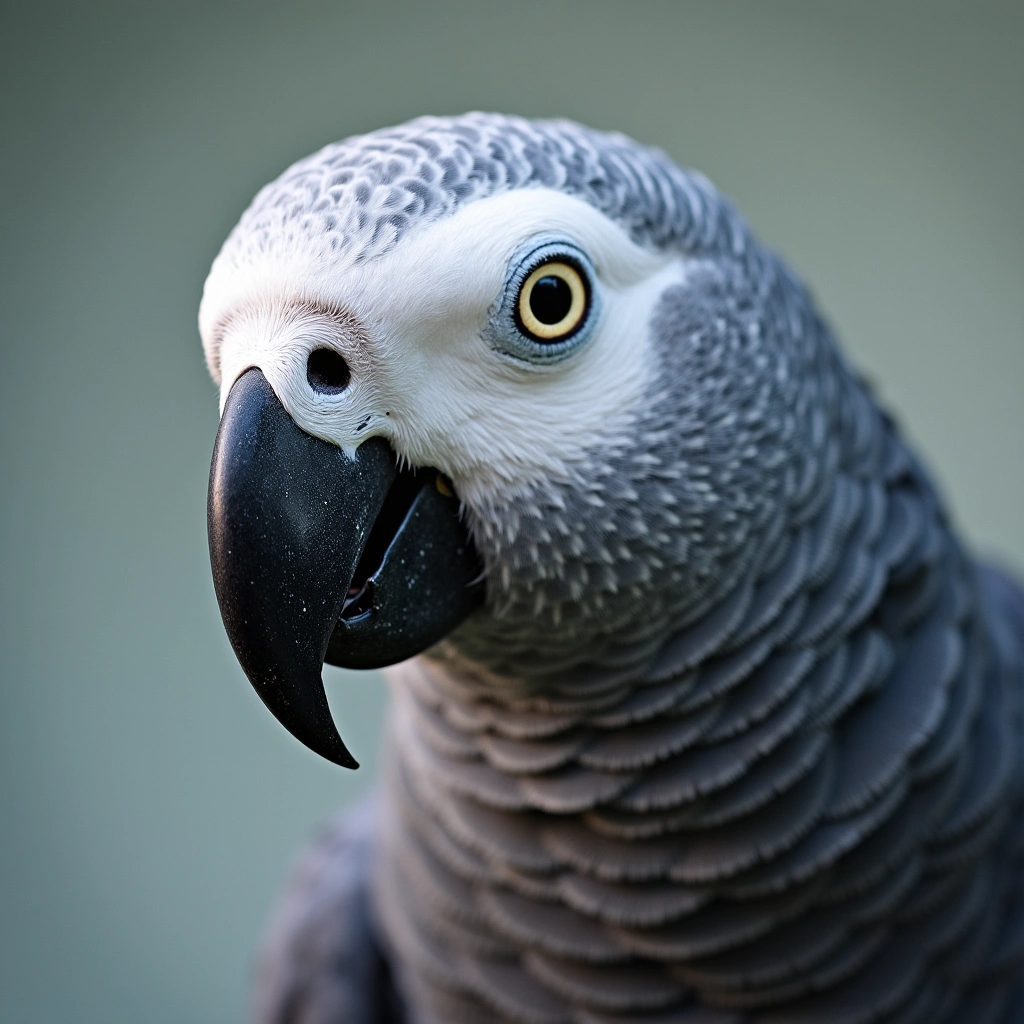
    For those who may not know, African Grey parrots are often hailed as the Einsteins of the bird world. With their striking grey feathers and bright red tails, they not only look fabulous but also have brains that can rival most toddlers – and let’s face it, that’s saying a lot!

    Imagine this: you’re sitting on your couch, munching on some popcorn, when your African Grey swoops in and starts naming off the snacks in your bowl. ‘Popcorn! Nachos! Ice cream!’ Okay, maybe not the ice cream part (let’s be realistic, birds and dairy don’t mix well), but you get the picture. This parrot isn’t just throwing words around like confetti at a New Year’s Eve party; it’s actually identifying objects. Now, that’s a party trick that could steal the spotlight!

    But how does this avian extraordinaire manage to identify these objects? Researchers suggest that African Grey parrots have an incredibly complex vocal mimicry and cognitive skills that allow them to understand and label things in their environment. This isn’t just some random squawking; this is a serious case of avian intelligence!

    Now, let’s dive into the nitty-gritty: Why should we care? Well, this discovery might not just be a fun fact to share at your next dinner party (although, I mean, who doesn’t love a good bird-brain story?). It opens up new doors in the study of animal cognition and communication. African Greys could very well be the key to understanding how animals process language and interact with humans. Imagine if we could teach them to order their own snacks! I mean, we’d save a fortune on takeout.

    Of course, let’s not forget the ethical side of things. As these birds continue to showcase their smarts, there’s an ever-growing conversation on how we treat and care for our feathered friends. With great intelligence comes great responsibility, and we must ensure that these birds are kept in environments that foster their cognitive growth. So, if you’re considering adopting one, make sure your home is ready to be a mini learning academy.

    In conclusion, the African Grey parrot isn’t just a pretty face with a cute squawk; it’s a furry little genius that could teach us a thing or two about intelligence and communication. So, the next time someone tells you that birds are just flying rats, you can confidently say, ‘Actually, some of them are more like flying professors!’ And who knows, maybe one day your chatty parrot will be the next big star on a reality show, outsmarting contestants left and right while sipping on a bird-friendly cocktail.

    So, keep your eyes peeled and your ears open – we might just be witnessing the dawn of a new era in the animal kingdom, one squawk at a time. And if you happen to have a picture of your own African Grey showing off its vocabulary, don’t be shy! Share it with the world – we could all use a little more parrot magic in our lives. [image of an African Grey parrot posing with a dictionary or something equally hilarious]


    Inspired by: “This African Grey parrot can identify objects and materials by name” (r/interestingasfuck)

  • Incredible Rescue: How a Monarch Butterfly’s Broken Wing Was Saved with a Donor Wing Transplant

    Incredible Rescue: How a Monarch Butterfly’s Broken Wing Was Saved with a Donor Wing Transplant

    Have you ever had a moment where you thought, “Wow, nature is full of surprises?” Well, grab your butterfly nets and get ready for a heartwarming tale that’s as delicate as a butterfly’s wing and as touching as a Hallmark movie: the story of a monarch butterfly who got a second chance at life thanks to a daring wing transplant.

    Let’s set the stage: our protagonist, a stunningly vibrant monarch butterfly, found itself in a bit of a pickle after a nasty run-in with a rogue gust of wind (or maybe an overly enthusiastic cat?). With one of its wings broken, this little flapper was grounded, quite literally. Imagine a butterfly with a broken wing trying to explain its situation to its fellow butterflies, who are all buzzing about in the sky like they’re auditioning for a nature documentary. It’s like being the only kid at the playground who can’t swing—total bummer, right?

    Enter the hero: a kind-hearted human (or should we say ‘butterfly whisperer’?) who couldn’t just stand by and watch this beautiful creature struggle. Inspired by the miraculous tales of medical science, they decided to perform an incredibly intricate wing transplant. Yes, you heard it right—a WING TRANSPLANT! If only it were that easy for us humans; we wouldn’t have to deal with those pesky gym memberships or kale smoothies.

    So, how did this delicate operation go down? Well, with the finesse of a surgeon and the gentle touch of a butterfly enthusiast, our hero carefully sourced a donor wing from another butterfly. And let’s be honest, the whole process was probably as nerve-wracking as attempting to parallel park in a tight spot while your friends are watching. But the results were nothing short of magical.

    Once the transplant was complete, our monarch butterfly emerged like a phoenix from the ashes—well, more like a butterfly from the clinic. With its new wing intact, it flitted around like it was auditioning for the next big dance-off, showcasing its newfound freedom. Talk about a glow-up!

    Now, this story raises some eyebrows, doesn’t it? Should we be performing surgeries on butterflies? Is this ethical? While some may argue that this kind of intervention is playing God, others would say it’s a beautiful example of compassion and ingenuity. After all, if we can save a butterfly from a life of grounded loneliness, why not?

    Before you start plotting your own butterfly rescue operation, let’s take a moment to appreciate how rare and complex these procedures are. This isn’t something you can just whip up in your garage with a glue gun and some glitter. It requires a deep understanding of biology, a steady hand, and a heart full of love for these fragile creatures. And let’s not forget, it’s essential to have a backup plan in case your butterfly doesn’t take to its new wing like a duck to water.

    As we wrap up this fluttering tale of resilience and kindness, let’s remember that sometimes, even the smallest creatures can inspire the biggest acts of compassion. So the next time you see a butterfly, give it a little salute. Who knows? It might just be a survivor of a daring wing transplant, ready to take on the world one flower at a time.

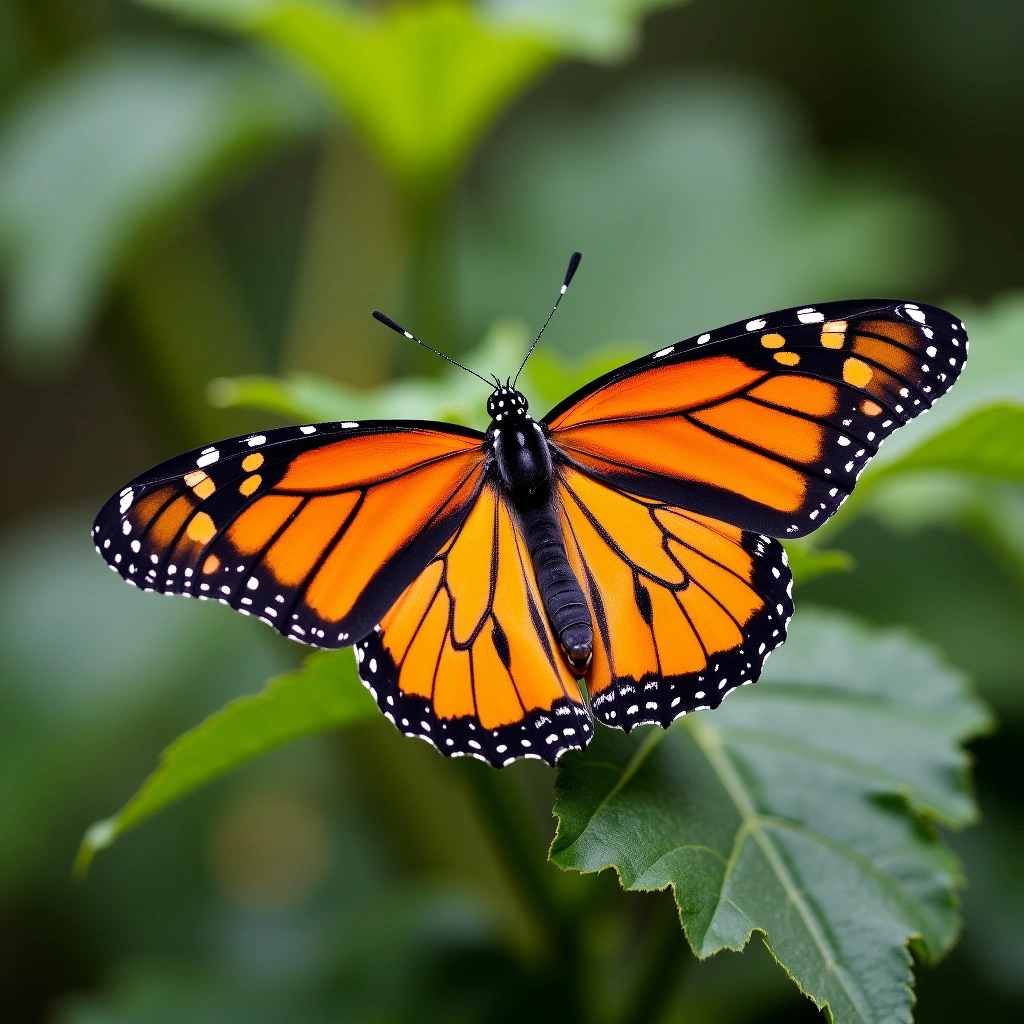
    And here’s an image to brighten your day—a beautiful monarch butterfly, probably practicing its victory dance after its incredible recovery!

    So, what are your thoughts on butterfly transplants? Are they a miracle of modern science or just a little too much? Let’s chat about it in the comments below!


    Inspired by: “A monarch butterfly with a broken wing was saved through a delicate transplant using a donor wing” (r/interestingasfuck)