Category: Nature

  • Why Dogs in Wheelchairs Are the Ultimate Heartwarming Inspiration

    Why Dogs in Wheelchairs Are the Ultimate Heartwarming Inspiration

    Ah, the joy of seeing a dog get a wheelchair! If you haven’t seen a pup zooming around in a wheelchair, you’re missing out on a slice of pure happiness that could make even the grumpiest cat crack a smile. Seriously, if you’ve ever felt like the world is a dark place, just watch a dog rediscover their love for life with a little help from modern technology.

    First off, let’s address the elephant (or should I say, the Great Dane) in the room: why do some dogs need wheelchairs? Well, just like we humans might need a little help as we age or recover from a nasty tumble down the stairs (I swear, it was just a stray Lego), our furry friends can face similar challenges. Conditions like arthritis, degenerative myelopathy, or injuries can leave our beloved pets struggling to get around. Enter the canine wheelchair—an invention so brilliant that it deserves a Nobel Prize for “Making Dogs Happy.”

    Now, if you’re picturing a sad pup stuck in a contraption that resembles a medieval torture device, think again! Modern wheelchairs for dogs are sleek, stylish, and often come in colors that would make a unicorn jealous. They’re designed to provide support while allowing the dog to maintain their natural movement. So, when a dog first gets fitted for one, it’s like handing them the keys to a Ferrari. You might even hear them say, “I’ve been waiting for this day my whole life!” (Okay, maybe that’s just wishful thinking.)

    Imagine the joy of a dog who thought they’d never run again, suddenly able to chase after a squirrel or play fetch without the fear of becoming a permanent couch potato. Watching them zoom around, tail wagging furiously, is like witnessing a miracle unfold. And for the owners? Well, let’s just say there’s a certain satisfaction in seeing your dog embrace mobility again. It’s like getting a front-row seat to a heartwarming Disney movie, but with less singing and more slobber.

    But wait! There’s more to this story than just happy dogs and warm fuzzies. The rise of dog wheelchairs highlights a growing awareness and acceptance of mobility aids for pets. Just like humans, dogs don’t want to be sidelined by their disabilities. They want to be part of the action, and we should absolutely support that! This trend is not just about helping individual dogs; it’s about changing the way we view disability in our furry friends. It’s a revolutionary, tail-wagging movement that says, “Hey, just because you have a little trouble walking doesn’t mean you can’t live life to the fullest!”

    So, the next time you see a dog in a wheelchair, don’t just coo at how cute they are. Take a moment to appreciate the sheer resilience and determination behind that wagging tail. And maybe, just maybe, consider adopting a less conventional view of mobility. After all, if a dog can embrace their new wheels with joy and enthusiasm, perhaps we humans can take a page out of their book when it comes to our own challenges.

    In conclusion, a dog in a wheelchair is not just a sight to behold; it’s a powerful reminder that life is about adapting, overcoming, and finding joy in every situation. So, let’s raise our dog treats to all the pups out there who, with a little help, are living their best lives one roll at a time!


    Inspired by: “Dog so happy to get a wheel chair and be mobile again!” (r/interestingasfuck)
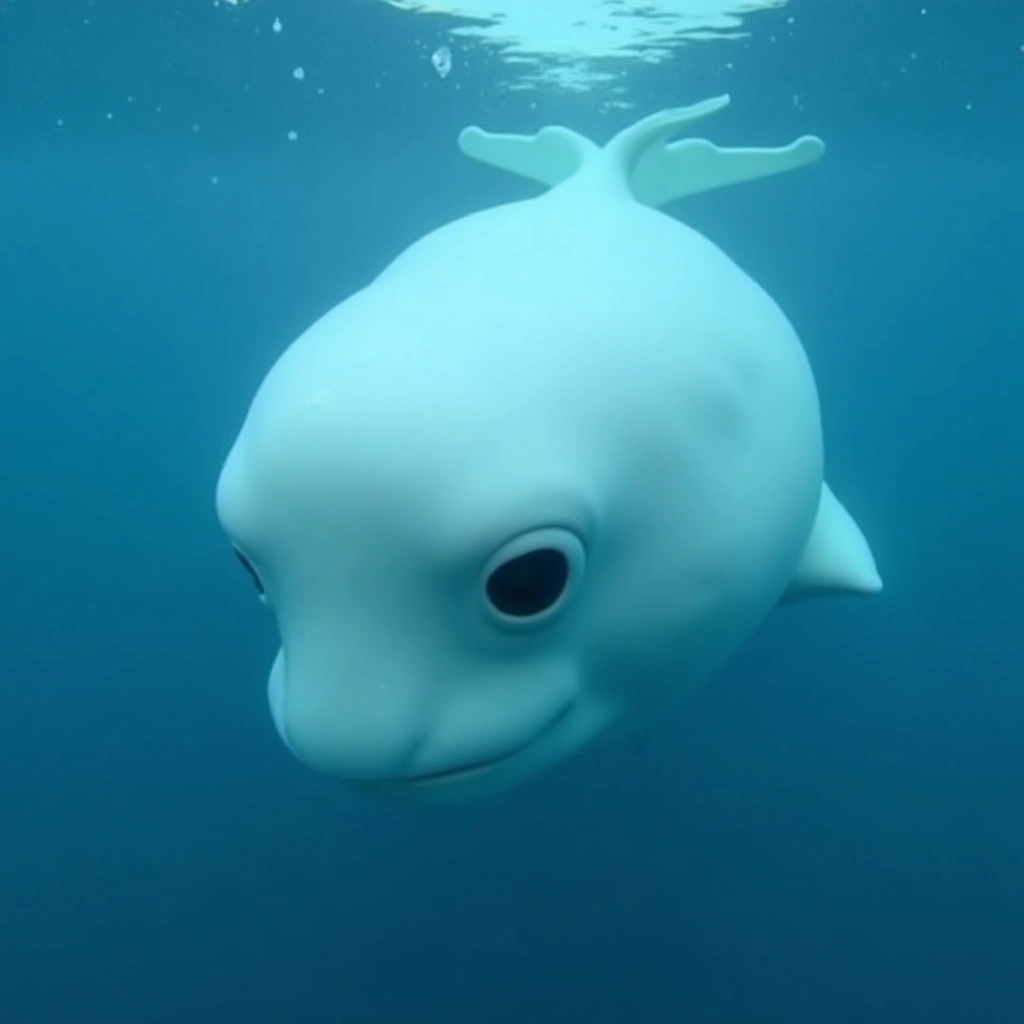
  • Unlocking the Mysteries of Beluga Whale Eyes: Nature’s Underwater Spectacles

    Unlocking the Mysteries of Beluga Whale Eyes: Nature’s Underwater Spectacles

    Hey there, fellow ocean enthusiasts! Have you ever gazed into the eye of a beluga whale? If not, buckle up because we’re about to dive deep—pun intended—into the fascinating world of these marine mammals, specifically focusing on their peepers!

    First off, let’s address the elephant in the room, or should I say, the beluga in the ocean? These charming white whales are not just the ‘canaries of the sea’ due to their vocal skills; they’ve also got some seriously impressive eyesight. Now, before you go thinking they’re just big fish with big eyes, let me assure you, there’s more to it.

    Beluga whales have evolved to thrive in some of the murkiest waters on our planet. Their eyes possess a unique ability to see well in low light conditions, making them the ultimate underwater detectives. Imagine Sherlock Holmes, but with a blubber layer and a penchant for fish instead of pipe tobacco!

    So, what’s the deal with their eyes? Unlike our human eyes that rely heavily on color vision, belugas are believed to have a more monochromatic view of the world. They might not be able to spot a rainbow or appreciate a good sunset, but who needs that when you can navigate through icy waters and spot a sneaky fish from a mile away? Talk about prioritizing!

    And let’s not forget about the adorable aspect of their look. With their rounded heads and expressive features, belugas can give pretty much any emoji a run for its money. I mean, have you seen that smile? It’s like they’re perpetually happy to see you, as long as you’re not an orca, of course.

    Now, speaking of orcas, let’s stir the pot a little. While belugas may seem like the friendly, chubby cousins of the cetacean family, they live in constant fear of those sleek, black-and-white bullies of the ocean. Their eyes may be capable of spotting danger, but let’s face it, there’s no amount of eye power that can save them from a hungry orca. It’s like having the best alarm system but living in a neighborhood full of burglars.

    But don’t let that get you down! Belugas are resilient creatures. They’ve adapted to their environment in ways that would make any survivalist proud. Their eyes not only help them see in the dark depths but also play a role in social interactions. Yes, folks, belugas have social lives! They communicate with each other through a series of clicks, whistles, and, probably, a few good-natured insults.

    In conclusion, the eye of a beluga whale is more than just a pretty sight; it’s a testament to evolution’s quirky sense of humor and adaptability. So the next time you see a picture of one of these magnificent creatures, take a moment to appreciate the complex, watery world they navigate. And remember, they might be big and blubbery, but they’re also masters of survival in the underwater wilderness!


    Inspired by: “The eye of a beluga whale [📷 Eric Kilby]” (r/interestingasfuck)

  • When Sandstorms Hit Rajasthan: Nature’s Wildest Dust Party

    When Sandstorms Hit Rajasthan: Nature’s Wildest Dust Party

    Ah, Rajasthan! Known for its majestic forts, vibrant culture, and, apparently, spontaneous sandstorm wave parties that can blow away your good mood faster than you can say ‘chai’. If you’ve ever wondered what it feels like to be in a blender with a bag of flour, let me tell you, it’s a lot like experiencing one of these infamous sandstorms!

    Recently, a particularly ferocious sandstorm decided to crash the scene in Rajasthan, and let me tell you, it was no ordinary gust of wind. Imagine a wave of sand sweeping through the desert like it’s auditioning for the next big blockbuster disaster movie. And folks, it’s got the special effects down to a fine art!

    So, what actually happens when a sandstorm strikes? First off, visibility drops faster than your phone battery when you’re out and about. One moment you’re enjoying the mesmerizing desert landscape, and the next you’re questioning whether you’ve been transported to a scene from Mad Max. The wind howls, the sand swirls, and you have a brief existential crisis about your life choices.

    But fear not, my sandy friends! These storms are as fascinating as they are ferocious. They occur when strong winds lift sand particles from the ground, creating a chaotic cocktail of dust and debris that can travel hundreds of miles. In Rajasthan, this can lead to some dramatic weather changes, turning a sunny day into a scene from a post-apocalyptic film in a matter of minutes.

    Now, let’s talk about the aftermath. Once the storm passes, it’s like nature’s way of playing a practical joke. Everything is covered in a fine layer of sand, and you may find that your freshly washed car now looks like it’s been through a sandpit. But, hey, think of it as free exfoliation! Who needs expensive spa treatments when you can get nature’s own scrub right outside your door?

    Moreover, while these storms can cause quite a bit of chaos, they also help in shaping the ecosystem. They play a vital role in transporting nutrients across the desert, so it’s not all doom and gloom. Maybe Mother Nature is just trying to remind us who’s boss!

    In conclusion, the sandstorm wave that hit Rajasthan recently is a reminder of how powerful and unpredictable nature can be. So, the next time you find yourself in the middle of a dust storm, just remember: it’s all part of the adventure. Embrace the chaos, take some selfies with your newfound desert look, and maybe even start a new trend in sandy fashion. After all, who doesn’t want to rock that ‘just came from a sandstorm’ aesthetic?


    Inspired by: “Sandstorm wave hit Rajasthan India” (r/interestingasfuck)

  • The Platypus: Nature’s Marvelous Oddball and Scientific Head-Scratcher

    The Platypus: Nature’s Marvelous Oddball and Scientific Head-Scratcher

    Ah, the platypus. If evolution were a reality show, this little fella would be the quirky contestant that everyone roots for, but no one can quite figure out. The platypus is a walking contradiction—half duck, half beaver, and entirely awesome! Let’s dive into why this creature is not just a scientific curiosity but one of nature’s greatest mysteries.

    First off, let’s talk about that bizarre combination of features. This creature has a duck-bill that would make any waterfowl jealous, webbed feet for swimming like an Olympic athlete, and a tail that looks like it just walked off the set of a Disney movie. And if you thought that was strange, wait until you hear it lays eggs! Yes, folks, this is a mammal that’s all about that egg-laying life. It’s like nature decided to throw a curveball at us and said, “You know what? Let’s mix things up a bit!”

    Now, if you think laying eggs is the most bizarre thing about the platypus, hold onto your hats because it gets weirder. This creature produces venom! That’s right—while the rest of us are worried about our morning coffee giving us jitters, the male platypus is out here packing a venomous punch with spurs on its hind legs. Imagine being able to knock out your enemies while simultaneously looking cute and cuddly. That’s some serious multitasking!

    And let’s not forget about the platypus’s hunting skills. It employs electroreception, a fancy term that means it can detect electric fields produced by the movements of its prey. This means that while you’re struggling to find your keys in the couch cushions, the platypus is out there like a furry underwater ninja, effortlessly sensing its next meal. Talk about a competitive edge!

    When the platypus was first discovered, it was so perplexing that scientists thought it was a hoax. Yes, that’s right—some poor researcher probably found one and thought, “Great, I’ve officially lost my mind!” It’s hard to blame them, though. Picture this: you’re in the 18th century, and someone brings you an animal that looks like it was designed by a committee of drunken artists. You’d have every right to be skeptical!

    But here’s the kicker—platypuses are not just an oddball species; they’re also crucial to their ecosystem. They help control insect populations, and their unique way of foraging allows them to find food that many other animals can’t access. So, while they may seem like the weird cousin of the animal kingdom, they’re doing their part to keep the balance of nature intact.

    In conclusion, the platypus is more than just a bizarre creature; it’s a testament to nature’s creativity. Whether you see it as a marvel or a mystery, one thing is for sure: the platypus reminds us that the world is full of surprises, and sometimes, the strangest things can be the most wonderful. Now, if only we could get it to teach us how to lay eggs and produce venom—imagine the possibilities!


    Inspired by: “The platypus is one of nature’s greatest mysteries. It lays eggs, produces venom, hunts using elect…” (r/interestingasfuck)

  • Intel’s Xeon 6+ ‘Clearwater Forest’: The 288-Core Beast That Will Make AMD Cry

    Intel’s Xeon 6+ ‘Clearwater Forest’: The 288-Core Beast That Will Make AMD Cry

    Hey there, tech aficionados! Grab your coffee and settle in because we’re diving deep into the land of silicon giants. Yes, you guessed it right—today’s topic is all about Intel’s latest marvel, the Xeon 6+ ‘Clearwater Forest.’ Now, before you go thinking this is just another chip to add to the pile, let me tell you, this one’s a game changer.

    So, what’s the big deal? Well, this chip can pack a jaw-dropping 288 cores and a whopping 576 MB of L3 cache into your data center. That’s right! Your data center could practically host a convention of cores, and it would still have room for a snack bar. But, as we know from the age-old debate of AMD vs. Intel, it’s not just about the numbers—it’s about how well they perform.

    Intel claims that the new Xeon 6990E+ can outperform the AMD Epyc 9965 by a crisp 30% per thread. Yes, you heard that right! It’s like bringing a bazooka to a knife fight. Sorry AMD, but it looks like Intel’s got the upper hand this time! But before we get too excited, let’s unpack this a bit more.

    First things first: what does it mean to be faster per thread? In layman’s terms, it means that each individual task or thread can process data quicker. Imagine if your friend who always takes forever to get ready suddenly learned how to shave off 30 minutes from their prep time. That’s basically what Intel is promising us with this chip.

    Now, let’s take a moment to appreciate the beauty of that L3 cache. At 576 MB, it’s like having a pantry stocked with snacks right next to your workstation. No more waiting for data to come from the slower storage. This chip snags the data and keeps it close, making your applications run smoother than a buttered slide. This is particularly beneficial for data-heavy tasks like AI processing, large databases, or just binge-watching cat videos without interruptions (we won’t judge).

    Of course, with great power comes great responsibility—or in the tech world, great cooling solutions. With all those cores working overtime, you’re going to need a cooling system that doesn’t sound like a jet engine taking off. So, if you think your data center is ready for an upgrade, better start budgeting for some high-end cooling gear.

    Now, some might say, “Is this really necessary?” To which I reply: Is having a supercomputer in your data center really necessary? Probably not. But let’s face it, who doesn’t want to have the fastest, most powerful machine on the block? It’s like the tech version of showing off your new car. Sure, you could get by with a reliable sedan, but wouldn’t you rather roll up in a shiny new Tesla?

    In conclusion, whether you’re Team Intel or Team AMD, you can’t deny that the Xeon 6+ ‘Clearwater Forest’ is making waves in the data center world. With its impressive core count and speed, it’s not just a chip; it’s a beast of a machine that could redefine what we expect from server performance. So, as we prepare to embrace this new era of computing, let’s all take a moment to appreciate the nerdy glory of technology. And who knows? Maybe one day, AMD will rise up again and we’ll have another epic showdown. Until then, let’s enjoy the ride!


    Inspired by: “Intel Xeon 6+ ‘Clearwater Forest’ puts 18A in the data center with up to 288 cores, 576 MB of L3 ca…” (r/technology)

  • The 20-Foot Sunflower: Nature’s Towering Marvel or Just a Plant on Steroids?

    The 20-Foot Sunflower: Nature’s Towering Marvel or Just a Plant on Steroids?

    Hey there, fellow plant enthusiasts and lovers of all things green! Today, we’re diving into the world of giant sunflowers, specifically the mind-boggling, jaw-dropping, and slightly suspicious 20-foot sunflower. Yes, you heard that right—this isn’t just your average garden variety; it’s a sunflower that could probably give your two-story house a run for its money!

    First off, let’s talk about the dimensions. A sunflower reaching a staggering 6.1 meters is no small feat. This isn’t just a plant; it’s a botanical statement piece! Imagine the neighbors’ faces when they look out their windows and see a sunflower competing with their roof. “Honey, is that a sunflower or our new high-rise?” they might ask. Spoiler alert: it’s definitely a sunflower!

    But how does one achieve such a towering feat? Well, it turns out, it’s not just about good sun and water; it’s also about genetics, soil quality, and, let’s be honest, a dash of good luck. Some folks swear by special fertilizers and techniques like regular pruning and staking, while others might just have a magical touch with plants. Either way, the result is a sunflower that could probably host a barbecue on its massive head.

    Now, here’s where things get a bit controversial. Some skeptics argue that these giant sunflowers are a result of selective breeding and genetic manipulation. “Is it really natural?” they ask, eyeing that 20-footer suspiciously. Others, however, argue that nature has its own tricks and that with the right conditions, these giants are simply a product of Mother Nature flexing her muscles. Who knew plants could have such drama?

    But let’s not forget the real reason we’re fascinated by these giants: the sheer joy they bring! Just imagine a field filled with sunflowers so tall you could play hide-and-seek with them. Or better yet, hosting a sunflower-themed party where guests must wear sun hats to blend in with the floral giants. Talk about a unique Instagram moment!

    And before you decide to start your own sunflower empire, remember that these behemoths require a lot of care. They need room to grow, plenty of sunshine, and a little bit of love. But don’t worry, if you’re like me and have a black thumb (plants flee in terror when you approach), there are plenty of local farms and botanical gardens where you can admire these towering wonders without the responsibility of keeping them alive.

    In conclusion, the 20-foot sunflower is more than just a plant; it’s an experience, a conversation starter, and potentially a new landmark in your neighborhood. So the next time you see a sunflower, remember: it could be the next big thing in your garden—or the talk of the town. Just make sure to keep those shears handy in case it gets too tall for its own good!


    Inspired by: “20 Foot Sunflower (6.1 metres)” (r/interestingasfuck)

  • Rajasthan Sandstorm Strikes Again: Is This Nature’s Way of Saying ‘Get Inside!’?

    Rajasthan Sandstorm Strikes Again: Is This Nature’s Way of Saying ‘Get Inside!’?

    Ah, Rajasthan! The land of kings, camels, and enough sand to make a beach jealous. But today, on May 31, 2026, it seems Mother Nature decided to throw a little extra sand into the mix, and boy, was it a spectacle! The sandstorm that swept through this majestic state reminded us all that while we may think we control nature, sometimes she just wants to remind us who’s really in charge.

    Now, if you’ve never experienced a sandstorm, let me paint a picture for you. It’s like standing in front of a giant fan, but instead of a refreshing breeze, you’re getting blasted by tiny, angry particles that are determined to exfoliate your skin – and not in the spa-like way. If you thought your last facial scrub was intense, think again!

    Residents in Rajasthan were greeted by a sky that turned a lovely shade of apocalyptic gray, as if the universe decided to have a mood swing. Visibility dropped, and folks were left wondering if they should put on sunglasses or ski goggles. This is the kind of weather that makes you question your life choices. Did you really need to step outside today? Probably not.

    In true Rajasthan fashion, locals responded with a blend of humor and resilience. As people scurried indoors, avoiding the barrage of sand, you could hear the echoes of “I told you so!” from those who had warned about the unpredictable weather. Social media exploded with memes, showcasing how the sandstorm turned the streets into a scene straight out of a dystopian movie. You know, the ones where everyone is trying to survive while wearing mismatched socks.

    But let’s not forget the practical side of things. Sandstorms can wreak havoc on infrastructure, so it’s a good time for authorities to remind us that maybe investing in better weather forecasting technology isn’t such a bad idea. After all, you wouldn’t want to be caught off guard by nature’s version of a surprise party, would you?

    So, what’s the takeaway from today’s sandy shenanigan? First, always keep a scarf handy – not just for fashion but for survival. Second, if you’re in Rajasthan, maybe take a hint from the locals and invest in a good pair of goggles. And finally, when life gives you sandstorms, grab a cup of chai, sit back, and enjoy the show from the safety of your home.

    In conclusion, Rajasthan, you keep us on our toes! Here’s hoping the next weather event is a little less gritty and a lot more glittery. Until then, stay safe and keep those windows shut!


    Inspired by: “Rajasthan, India was hit by a sandstorm today on 31st May, 2026.” (r/interestingasfuck)

  • Meet the Sci-Fi Horror Fungus: Nature’s Own Tentacled Nightmare

    Meet the Sci-Fi Horror Fungus: Nature’s Own Tentacled Nightmare

    Hey there, fellow fungi enthusiasts and thrill-seekers! If you’ve ever watched a sci-fi horror movie and thought, ‘Wow, I wish I could see one of those terrifying creatures in real life,’ then buckle up because Mother Nature has got a treat for you! We’re diving deep into the bizarre world of a fungus that looks like it crawled straight out of a horror flick.

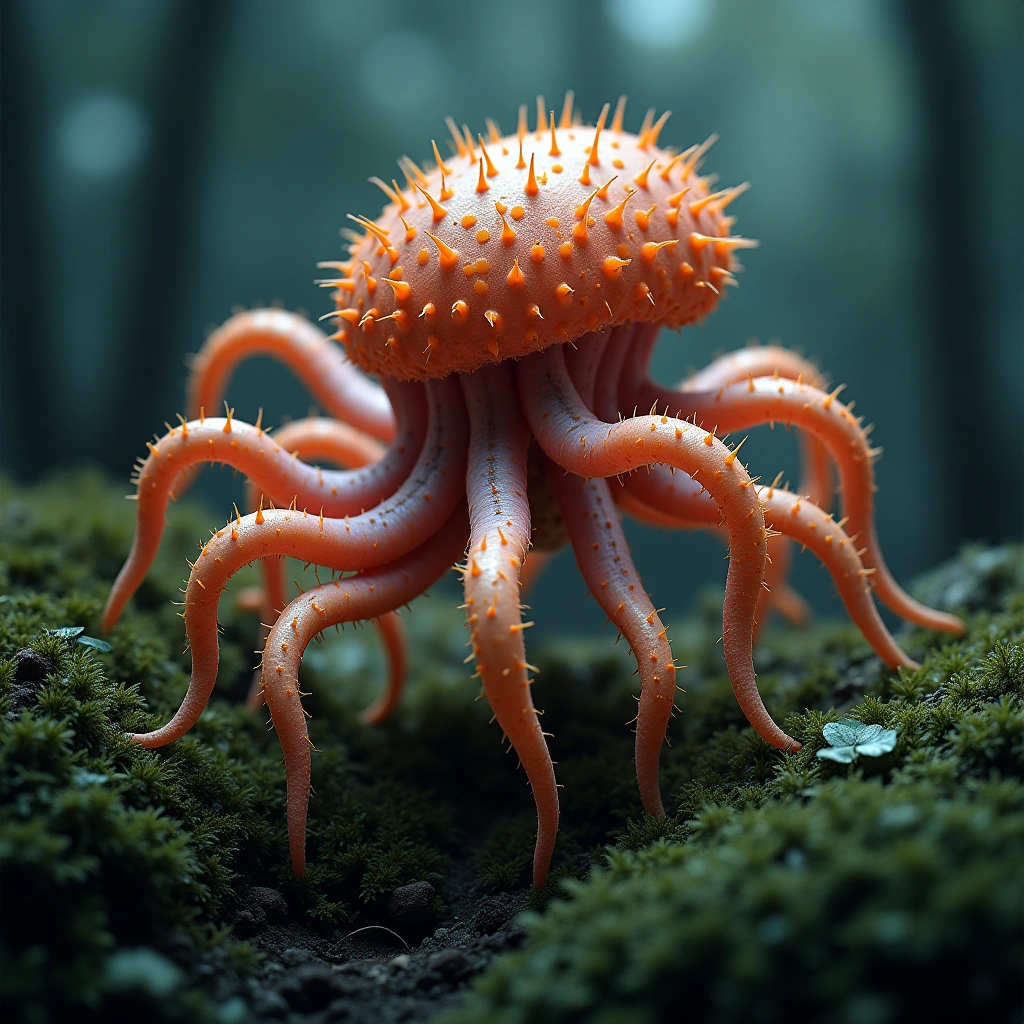
    This fungus, which we can affectionately call the ‘Tentacle Terror,’ hatches from a gelatinous egg that resembles a rejected dessert from a sci-fi-themed bakery. Seriously, who thought that a squishy, egg-like blob could harbor such a fleshy, red menace? It’s like nature decided to combine the unsettling aspects of a horror movie and a biology class experiment gone horribly wrong.

    Once it hatches, the Tentacle Terror doesn’t waste any time. It grows these long, red, fleshy tentacles that could easily be mistaken for a scene from ‘The Thing’ or ‘Alien.’ I mean, forget about cute cats on the internet; I want to see videos of this fungus in action! Imagine a group of friends trying to figure out if they should poke it or run away screaming!

    But here’s the kicker: this fungus isn’t just a pretty face (or a horrifying one, depending on your perspective). It serves a critical role in the ecosystem, breaking down organic matter and recycling nutrients back into the soil. So, while it may look like it’s plotting world domination, it’s actually just trying to be a good citizen of the forest. Talk about a dual personality!

    Now, I can hear the skeptics out there saying, ‘But is it safe?’ Well, let’s just say that if you find one in your backyard, it’s best to observe from a distance—like, a very generous distance. This fungus isn’t exactly the cuddly type, and who needs a fungal infection on top of everything else in life? You don’t want to end up as the main character in your very own horror story!

    In conclusion, the Tentacle Terror is a bizarre marvel of nature that reminds us that life can be strange and beautiful (and a little scary). So the next time you’re out in the woods and stumble upon something that looks like it could star in a horror movie, just remember: it’s probably just the local fungus trying to make a name for itself. And if you’re brave enough, snap a pic for posterity—just don’t get too close!

    Stay curious, my friends, and keep exploring the weird side of nature!


    Inspired by: “Looking like a creature from a sci-fi horror movie, this bizarre fungus hatches from a gelatinous e…” (r/interestingasfuck)

  • The Malayan Horned Frog: Nature’s Ultimate Leafy Disguise Artist

    The Malayan Horned Frog: Nature’s Ultimate Leafy Disguise Artist

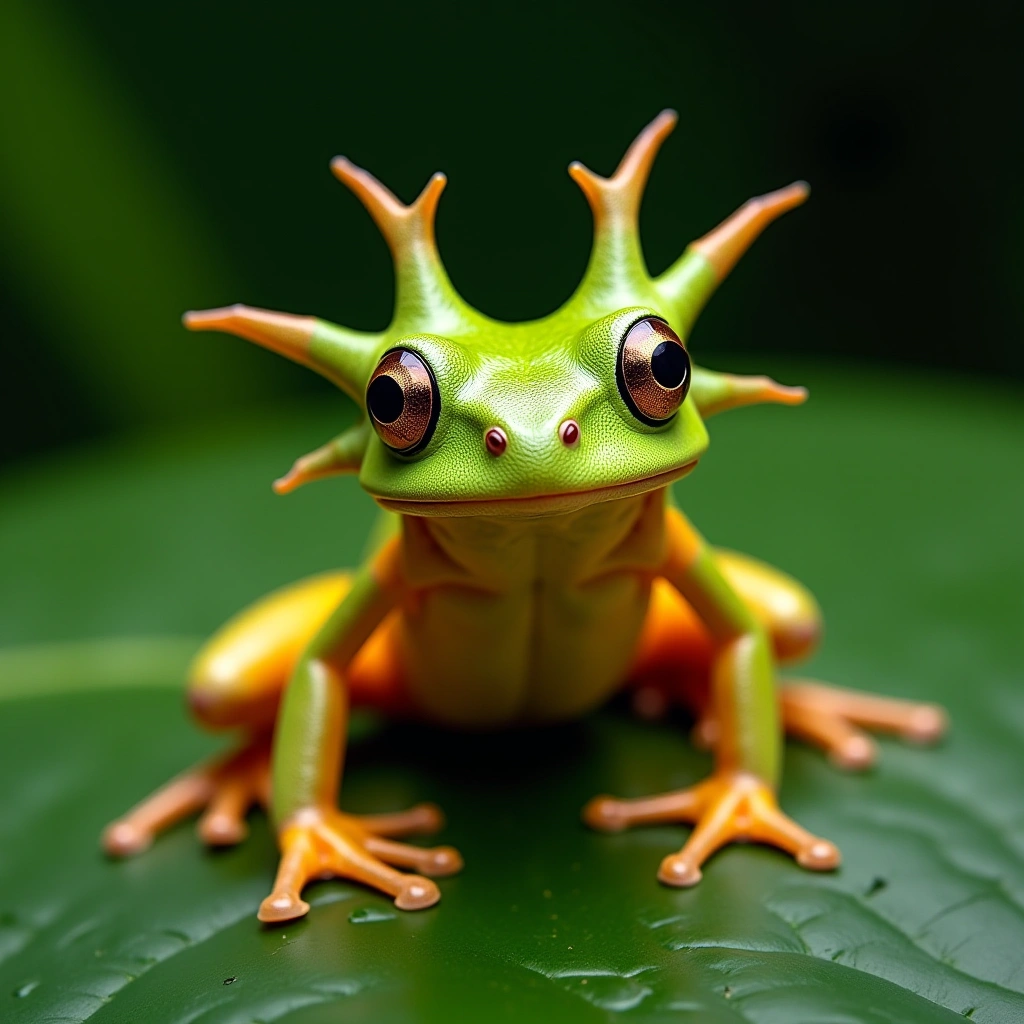
    So, you think you have mastered the art of blending in at parties? Well, eat your heart out, because the Malayan Horned Frog (scientific name: Pelobatrachus nasutus) is here to show you how it’s done in the wild! This little guy takes camouflage to a whole new level, literally looking like a leaf that just fell from a tree and decided to take a nap on the forest floor.

    Now, before you start taking notes on how to impersonate a shrub, let’s dive into the fascinating world of this amphibious master of disguise. The Malayan Horned Frog is not just a pretty face with a knack for mimicry; it’s an evolutionary marvel that has perfected the craft of deception. With its leaf-like appearance, it can fool predators and unsuspecting prey alike. I mean, who would suspect that the ‘leaf’ they just stepped on might actually jump back at them?!

    Located in the lush rainforests of Southeast Asia, this frog thrives in environments where being invisible can literally mean the difference between life and death. Its superb camouflage allows it to ambush unsuspecting insects, which are blissfully unaware they are about to become dinner. Talk about a game of hide and seek!

    But wait, there’s more! These frogs are not just about looking pretty. They’ve got a hefty set of horns protruding from their heads that add a touch of drama to their otherwise leafy aesthetic. You know, just in case someone needs a reminder that they’re not just any old leaf but a fierce amphibian warrior ready to take on the world! Or at least a grasshopper.

    One might wonder, how does such a magnificent creature evolve into a leaf impersonator? Well, it all boils down to survival of the fittest. Over time, those frogs that blended in better with their surroundings were more likely to survive, reproduce, and pass on their leafy genes. So, if you ever feel like you don’t fit in, just remember that the Malayan Horned Frog has been honing its skills for millions of years. No pressure, right?

    However, life isn’t all sunshine and rainbows for this leaf-lovin’ amphibian. Deforestation and habitat loss are serious threats. So, while it’s perfecting its camouflage, it’s also battling the very environment that allows it to thrive. A bit of a tragic twist, isn’t it? We should all take a page from the Malayan Horned Frog’s book and do our part to protect these fabulous creatures.

    In conclusion, the Malayan Horned Frog is not just a frog; it’s a lesson in patience, adaptability, and a reminder that sometimes, to survive, you have to look like a leaf. So, the next time you find yourself trying to blend in at a gathering, remember this little creature and its leafy antics. Because in the wild, being a wallflower is taken to a whole new level!


    Inspired by: “Malayan Horned Frog (Pelobatrachus nasutus) Exhibiting Leaf Mimicry Camouflage” (r/interestingasfuck)

  • Octopus Camouflage: Nature’s Ultimate Hide-and-Seek Champion

    Octopus Camouflage: Nature’s Ultimate Hide-and-Seek Champion

    Ah, the octopus! That slippery, squishy, eight-armed wonder of the sea. If you ever thought you were good at hide-and-seek, wait until you meet these masters of disguise. Seriously, if there were an Olympic event for camouflage, octopuses would sweep the gold medal and then disappear before the ceremony.

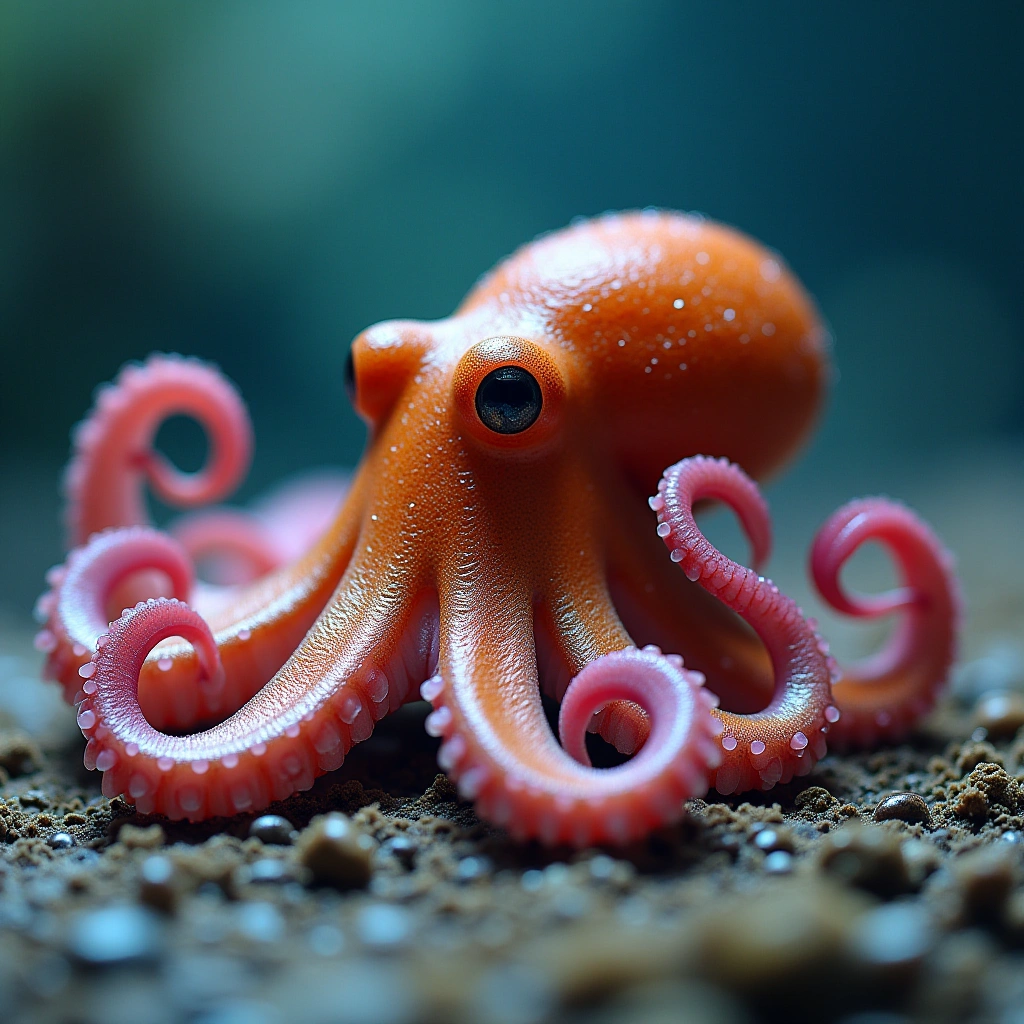
    Let’s talk about their camouflage skills, which are nothing short of mind-boggling. These creatures have the ability to change both the color and texture of their skin to blend in seamlessly with their surroundings. Ever seen a chameleon? Cute, right? Well, the octopus is like the chameleon’s cool older sibling who has traveled the world and picked up a few tricks along the way.

    But how do they do it? Octopuses have specialized cells called chromatophores that expand and contract to change color. Imagine your skin having tiny mood rings that can turn you into a walking, talking piece of art! Want to look like a rock? No problem! Feeling like a sandy beach? You got it! It’s like they have a personal stylist on speed dial, but instead of a human, it’s just their brain, which is surprisingly complex for a creature that looks like a gelatinous blob.

    And the texture? Oh boy! Aside from changing color, octopuses can also mimic the surface of their environment. They can transform their skin to look like rough coral, smooth sand, or even the bumpy texture of a rock. It’s like they have an entire wardrobe of textures at their disposal, ready for every occasion. “What’s that? A predator? I’ll just turn into a rock and hope it’s blind!”

    But wait, there’s more! Some octopuses take their disguise game to the next level by imitating other sea creatures. The mimic octopus, for instance, can impersonate everything from lionfish to flatfish. It’s like the ultimate game of dress-up, but with a life-or-death twist. “I’ll just be over here pretending to be a highly poisonous fish, thank you very much!”

    Now, you might be wondering, how does this relate to us humans? Well, let’s face it, we could all take a page out of the octopus playbook. Imagine being able to adapt to any situation, whether it’s a job interview, a first date, or that awkward family gathering where your uncle insists on telling his infamous “dad jokes.” Just change your color, adjust your texture, and poof! You’re the life of the party or the invisible wallflower—your choice!

    In conclusion, the octopus’s camouflage skills are not just fascinating; they’re a reminder of the creativity and adaptability of nature. So next time you’re feeling a bit out of place, channel your inner octopus. Just don’t go around trying to change your color at a wedding—trust me, that’s a whole different kind of attention you don’t want!


    Inspired by: “Octopus’s next level camouflage” (r/interestingasfuck)