Category: Human Interest

  • Maximize Your Qantas Points: Earn Up to 15x Points on Everyday Purchases!

    Maximize Your Qantas Points: Earn Up to 15x Points on Everyday Purchases!

    Choose Qantas Points as your Rewards Choice and every 2,000 Everyday Rewards Points will automatically convert into 1,000 Qantas Points . You can earn points six-times faster by “boosting” offers.

    Hey there, fellow frequent flyers! If you’re like me, you probably spend a considerable chunk of your paycheck on essentials like groceries, streaming services, and even those random gift cards you swear you’ll use but never do. Well, what if I told you that you could earn a whopping 2 to 15 Qantas points for every dollar you spend on some of these very purchases? Yes, you heard that right—these aren’t just your average points; they’re the golden tickets to your next adventure!

    So, let’s break down the juicy details of this incredible offer before it disappears into the ether on August 27, 2026. That’s right, you have plenty of time to rack up those points, but why wait? Let’s dive in!

    Where Can You Earn These Points?

    The list of participating retailers is more exciting than your last family holiday (and we all know how those can go). You can earn points at:

    – Woolworths: Because who doesn’t need groceries? Every time you stock up on snacks for your Netflix binge-watching sessions, you’re also stocking up on Qantas points.

    – Amazon: Yes, the land of endless shopping. Whether you’re buying that gadget you’ve convinced yourself you need or those adorable cat socks, earn points while you shop.

    – Binge & Kayo: Streaming services that keep you entertained while you dream about your next vacation. Now you can earn points while you binge-watch that new series everyone is talking about.

    – HelloFresh: Meal kits delivered to your door—because cooking is hard and who has time for that? Plus, you’ll earn points while pretending you’re a gourmet chef.

    – Selected Gift Cards: Because sometimes you just want to give the gift of choice (and earn points while doing it).

    How Does It Work?

    So, how do you get in on this point-earning bonanza? It’s simple! Just head over to the Qantas Marketplace, sign up (if you haven’t already), and start shopping at these retailers. The points will be credited to your account faster than you can say “I need a vacation.”

    Now, before you rush off to buy every item on your wishlist, let’s discuss the points breakdown:

    – 2x Points: For your regular purchases at these retailers—still pretty good, right?

    – Up to 15x Points: For selected promotions or special items. Think of it as a treasure hunt where the prize is a future first-class ticket to Bali.

    Why Should You Care?

    Let’s be real: if you’re going to spend money, you might as well earn something back. Especially if it’s points that can lead to free flights, upgrades, or even those fancy airport lounges where you can sip cocktails while waiting for your flight.

    Don’t Miss Out!

    Remember, this offer is valid until August 27, 2026. That gives you ample time to plan your shopping excursions. But honestly, why wait? The sooner you start earning points, the sooner you can book that dream getaway. Plus, you can impress your friends with your savvy shopping skills (even if you’re just using it as an excuse to buy more stuff).

    In conclusion, if you’re a Qantas Frequent Flyer—or even if you’re just someone who loves to travel—this is an opportunity you don’t want to miss. So grab your shopping list, head to the Qantas Marketplace, and start earning those points. After all, every dollar counts when it comes to fueling your wanderlust!

    Happy shopping, and may your points be plentiful!


    Inspired by: “2-15x Qantas points per dollar spent on Woolworths, Amazon, Binge & Kayo, HelloFresh and selected o…” (r/QantasFrequentFlyer)


  • Can Coffee Roasting Be Carbon-Negative? Let’s Brew This Idea!

    Can Coffee Roasting Be Carbon-Negative? Let’s Brew This Idea!

    Carbon – negative coffee roasting is increasing in popularity as specialty coffee roasters aim to reduce the impact on their local environments.

    Ah, coffee—the magical elixir that transforms us from grumpy gremlins into functioning human beings. But what if I told you that our beloved coffee could also have a green thumb? A recent discussion on Reddit has sparked my interest, and it seems there’s a budding project in Wyoming that might just be brewing up a carbon-negative coffee roasting process. Intrigued? You should be!

    Now, let’s break this down. The project in question is collecting spent coffee grounds from local shops (because let’s face it, those grounds have more potential than just being dumped in the trash). They dry these grounds using solar energy and then convert them into fuel for an indirectly heated coffee roaster. Sounds like a scene straight out of a sustainability fairy tale, right? The energy produced from these grounds is then used to roast the next batch of beans. Talk about recycling on steroids!

    But wait, there’s more! This process cleverly leaves behind a portion of carbon in the form of biochar, which is basically the superhero version of compost. Instead of the carbon just floating back into the atmosphere like a bad sequel to a movie, it gets sequestered in the soil. So, on paper, this loop looks pretty compelling. Coffee plants absorb carbon, spent grounds are transformed into energy, and biochar enriches the soil. It’s like a coffee circle of life!

    But before we all start doing a happy dance about being carbon-negative, we need to have a serious chat about the fine print. The term “carbon-negative” is as slippery as a greased pig at a county fair. It depends heavily on the system boundary, which in layman’s terms means we have to account for all the nitty-gritty details. Collection, drying, transportation, equipment manufacturing, combustion emissions, and the stability and final use of the biochar all need to be factored in. It’s like trying to calculate how many licks it takes to get to the center of a Tootsie Pop—there are just too many variables!

    Now, here’s where it gets personal: the original poster of this Reddit thread is actually involved in developing this process. So, there’s a bit of bias here, but that’s okay. We all have our favorite coffee blends, and sometimes, we want them to be extra special. They’re genuinely seeking feedback from the community on what it would take for this process to be considered credibly carbon-negative. Would an independent lifecycle analysis do the trick? Or does the biochar require third-party measurement and verification? And how do we even account for the avoided disposal emissions and displaced propane?

    As coffee lovers, we want our brew to not only taste good but also feel good. It’s like the perfect relationship—great flavor, and it doesn’t leave you feeling guilty about the environment. So, as we sip our lattes, let’s ponder this: Could coffee roasting become a beacon of sustainability?

    In conclusion, while the idea of carbon-negative coffee roasting is brewing, we need to ensure that it’s not just a frothy claim topped with a dollop of wishful thinking. It’s essential for these processes to be rigorously analyzed and verified. And until then, let’s keep our cups full and our hopes high. After all, whether it’s a morning pick-me-up or a step towards a greener planet, coffee is always a good idea!


    Inspired by: “Can coffee roasting ever be legitimately carbon-negative?” (r/climatechange)

  • California’s Gubernatorial Candidate Promises Two Hours of Free Power a Day: A Bright Idea or Just Hot Air?

    California’s Gubernatorial Candidate Promises Two Hours of Free Power a Day: A Bright Idea or Just Hot Air?

    In hopes of addressing some of these woes, Democratic candidate Xavier Becerra shared a plan to offer working-class families free electricity for two hours during the middle of the day .

    If you thought California’s energy situation couldn’t get any more interesting, think again! A gubernatorial candidate has just thrown a new promise into the political ring: two hours of free electricity every day for residents. Yes, you heard that right—two whole hours of power, like a gift from the energy gods!

    This plan, inspired by Australia’s similar initiative, aims to kick off with low-income residents. Why start there? Because, let’s face it, they could probably use a break from the rising utility bills that have been hitting everyone in the Golden State like a bad hangover. With Californians facing a staggering 46% increase in power prices over the past decade, it’s no wonder that energy affordability is a hot topic on voters’ minds. Who doesn’t want to save up to $1,000 a year? That’s enough to fund a pretty decent avocado toast habit!

    So, how exactly does this electrifying (pun intended) plan work? The candidate, Beccera, is looking to team up with the public utility commission, utility companies, and other stakeholders. Sounds fancy, right? It’s like a power summit, but instead of world leaders discussing climate change, it’s all about making sure you can binge-watch your favorite shows without breaking the bank.

    Now, before you start dreaming of a life where you can run your air conditioner during peak hours without feeling guilty, let’s take a moment to consider the logistics. Two hours of free power a day sounds great in theory, but how do you decide which two hours? Is it a lottery? Do we get to vote on it? I can already see it now: “Ladies and gentlemen, welcome to the Great California Power Hour Showdown!”

    And while we’re at it, what happens during those two hours? Can you only use it for Netflix, or can you finally charge all those gadgets that have been slowly dying on your kitchen counter? Will the power companies be monitoring our usage like a hawk? “Hey, you used your free hours to power your toaster? That’s not cool, man!”

    But let’s not get too bogged down in the nitty-gritty just yet. The real beauty of this initiative is its potential to help those who need it most. Low-income families often bear the brunt of high utility costs, and this plan could be a game-changer. Imagine being able to run your fridge or your lights without having to choose between that and buying groceries. It’s like a superhero swooping in to save the day—if superheroes wore suits and campaigned on platforms instead of capes.

    Of course, as with any political promise, there’s always a hint of skepticism in the air. Will this plan actually come to fruition, or is it just another shiny object to distract voters from bigger issues? It’s hard to say. But one thing’s for sure: if Beccera can pull this off, he might just win over a lot of hearts—and votes—across the state.

    So, as we await the results of this election, let’s keep our fingers crossed that California’s energy future is as bright as this candidate’s ambitious ideas. And who knows? Maybe one day, we’ll be sitting on our couches, enjoying our free power hour, and laughing at how we ever worried about our electric bills in the first place. Until then, keep those power-hungry devices on standby!


    Inspired by: “California gubernatorial candidate pledges two hours of free power a day for the Golden State, simi…” (r/climatechange)

  • When the Sun Goes Down: Japan’s Farmers Adapt to Deadly Heat

    When the Sun Goes Down: Japan’s Farmers Adapt to Deadly Heat

    Outside temperatures above 35 degrees Celsius (95 degrees Fahrenheit) — increasingly common in his region — can push greenhouse interiors above 40 C. Now, Iijima works outdoors through the night, stopping only when the morning sun turns punishing again. “The hours around dusk are really precious. That’s when we can be outside,” he says, wiping sweat from his ‌forehead under ​rows of halogen lights. “We’ve gradually become nocturnal. It’s about protecting our bodies, and ultimately, our lives.” · From rice ⁠farmers in Vietnam to winery workers in ⁠Spain, farmers across the globe are shifting work to cooler nighttime and early-morning hours as they try to beat more frequent and intense heatwaves.

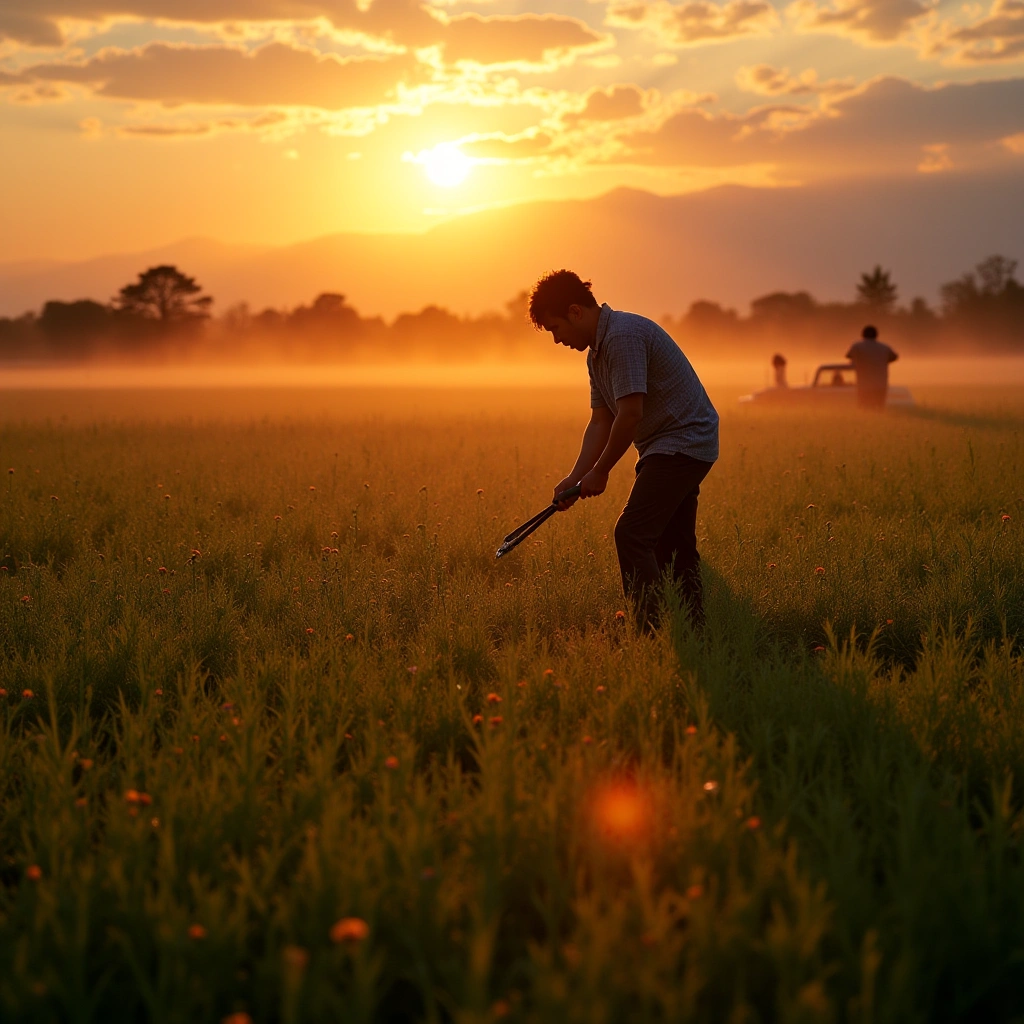
    As if farming wasn’t already tough enough, Japan’s farmers have decided to throw a curveball at Mother Nature by going nocturnal. Yes, you read that right. Farmers in Japan are now trading their sun hats for night-vision goggles as they adapt to the increasingly deadly heat that has taken hold of the land. Talk about a plot twist!

    So, what’s the deal? With climate change ramping up the temperatures to levels that make the Sahara look like a cool breeze, farmers have found themselves in a bit of a pickle. The scorching heat during the day is not only uncomfortable—it’s downright dangerous for both crops and the hardworking farmers tending to them. It’s like trying to grow tomatoes on the surface of the sun. Spoiler alert: they don’t fare well.

    In a bid to save their crops (and their sanity), these farmers have decided to embrace the night. Picture this: instead of rising with the sun and trudging through fields in the sweltering heat, they’re now rolling out of bed when most of us are winding down for the day. The moonlight becomes their new best friend, and they can finally say goodbye to the dreaded sunburn!

    This nocturnal farming approach isn’t just a quirky trend; it’s a necessity. As temperatures soar, the risk of heat-related illnesses increases exponentially. Farmers are not just battling the elements; they’re also fighting for their health. By working at night, they can avoid the sweltering heat and instead enjoy cooler temperatures, allowing them to work more efficiently and effectively. It’s a win-win situation—unless you’re a night owl who also happens to be a farmer, in which case it’s just a regular Tuesday.

    Now, you might be wondering how this switch affects the crops. Well, it turns out that many crops are quite adaptable. Some plants actually thrive in cooler nighttime temperatures, allowing them to grow faster and healthier. It’s like the plants are in on the secret and are saying, “Finally, some peace and quiet!” The farmers are also able to utilize irrigation systems more effectively at night, minimizing water loss due to evaporation—a little bonus for the environment!

    However, not everything is sunshine and rainbows (or should I say moonlight and starlight?). With this shift, farmers are facing new challenges, including a lack of visibility and the need for additional lighting. Not to mention, the social aspect of farming has taken a hit. Gone are the days of community gatherings and friendly chats over the fence. Now, it’s more like a scene from a vampire movie—everyone working in solitude under the cover of darkness.

    But let’s not forget the bigger picture here. This nocturnal farming trend is just one example of how climate change is forcing us to adapt in ways we never imagined. It’s a reminder that our planet is changing, and we need to be flexible and innovative in our approach to agriculture and sustainability. Who knows? Maybe one day we’ll all be wearing glow-in-the-dark overalls and farming under the stars.

    In conclusion, Japan’s farmers going nocturnal is not just a fascinating story; it’s a testament to human resilience and adaptability in the face of climate change. So, the next time you’re sweating it out in the sun, take a moment to appreciate those brave souls working under the moonlight. Just remember to keep the garlic handy—because you never know when a vampire farmer might be lurking around!


    Inspired by: “Japan’s farmers go nocturnal as deadly heat intensifies” (r/climatechange)

  • Feeling Powerless? Blame Extreme Weather!

    Feeling Powerless? Blame Extreme Weather!

    Scientific American is the essential guide to the most awe-inspiring advances in science and technology, explaining how they change our understanding of the world and shape our lives.

    Let’s face it, folks: Mother Nature has been throwing some serious tantrums lately. Extreme weather events are becoming the new normal, and it seems like every time we turn around, there’s another headline about wildfires, hurricanes, or floods wreaking havoc. If you’ve been feeling a tad powerless in the face of all this chaos, you’re not alone. In fact, a recent discussion on Reddit highlights just how many Americans are grappling with feelings of helplessness as extreme weather continues to escalate.

    Now, before you roll your eyes and think, “Oh great, another doomsday blog post!” let’s break this down a bit. It’s not just that the weather is getting weird; it’s the psychological toll it takes on people. When your backyard turns into a swimming pool because of a sudden downpour, or you have to evacuate your home because of a raging wildfire, it’s hard not to feel like you’re at the mercy of forces beyond your control.

    According to the Reddit thread, many Americans are finding it increasingly difficult to cope with the anxiety that comes from living in a world where extreme weather is the norm. It’s like we’re all stuck in a never-ending episode of a disaster movie, except there’s no Samuel L. Jackson to save the day. Just us, our existential dread, and maybe a few bags of chips for comfort.

    But why is this happening? Well, climate change is playing a significant role in the increase of these extreme weather events. Scientists have been shouting it from the rooftops (or at least from their well-researched articles), and it’s starting to sink in. Higher temperatures lead to more intense storms, droughts, and wildfires. It’s like Mother Nature decided to crank the thermostat up to eleven and see what happens. Spoiler alert: it’s not good.

    The feeling of powerlessness is compounded by the fact that many people feel disconnected from the solutions. Sure, we can recycle, use reusable bags, and even ride our bikes instead of driving—but does it really feel like enough? It’s like trying to bail out a sinking ship with a thimble. And let’s not even get started on the political side of things, where discussions about climate action often devolve into shouting matches. Nothing says ‘we care’ like a good old-fashioned Twitter feud!

    So, what can we do about it? First, acknowledging that feeling powerless is a valid reaction to the situation is crucial. It’s okay to feel overwhelmed; you’re not alone in this boat (or should I say, raft? Because, you know, floods). Next, channel those feelings into action. Whether it’s advocating for policy changes, supporting local environmental initiatives, or just having a conversation with friends about climate issues, every little bit helps.

    And let’s not forget the importance of community. Finding a group of like-minded individuals who share your concerns can be incredibly empowering. Plus, it’s nice to know that you’re not the only one who thinks the weather is acting a bit unhinged. Together, we can brainstorm solutions, share resources, and maybe even find some humor in the chaos. After all, laughter is the best medicine—even if it’s a bit dark sometimes.

    In conclusion, while extreme weather may leave us feeling powerless, it’s essential to remember that we have the power to make a difference, even if it’s just one small step at a time. So, let’s roll up our sleeves, put on our thinking caps, and figure out how to tackle this mess together. Because if we don’t, we might end up with more than just a few soggy socks and a bunch of anxiety. And nobody wants that!


    Inspired by: “Extreme weather is making Americans feel powerless” (r/climatechange)

  • Clean Energy: Trump’s Attempt to Curb It and Its Unexpected Boom

    Clean Energy: Trump’s Attempt to Curb It and Its Unexpected Boom

    ‘It’s sick’: Trump administration uses mascot called ‘Coalie’ to push dirtiest fossil fuel … On the same day Wright spoke, however, Ember released a report showing that renewable energy overtook coal as the world’s largest source of electricity last year. More recently, solar panel exports from China have hit a new record high while sales of electric cars around the world are booming.

    Ah, clean energy—the superhero of the modern age. While some might want to throw a wrench in its gears, it seems like clean energy is pulling a classic move: it’s just going to keep on rising, like that one friend who insists on going out for karaoke even when everyone else is ready to call it a night. According to S&P Global Energy, we’re looking at a record increase of 45 gigawatts (GW) in clean energy capacity this year alone. That’s right, 45 gigawatts! It’s not just a number; it’s like enough energy to power your dreams of a sustainable future (and maybe your Netflix binge-watching sessions, too).

    Now, let’s take a trip down memory lane to when former President Trump was in office and decided that clean energy was not the way to go. It was like watching someone try to stop a tidal wave with a beach umbrella—admirable in a way, but ultimately futile. He attempted to roll back environmental regulations and promote fossil fuels, which, let’s be honest, is like trying to sell floppy disks in a cloud storage world.

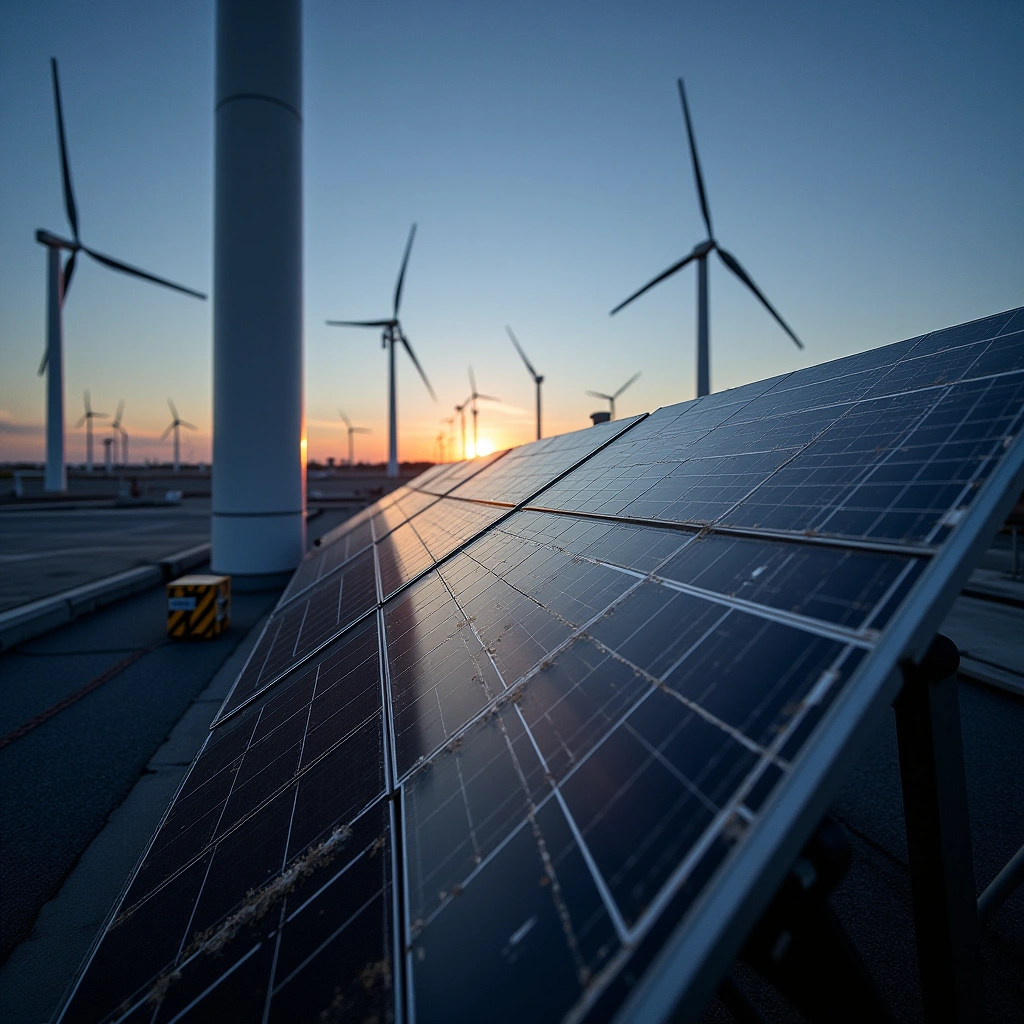
    But here’s the kicker: despite those attempts to curb clean energy initiatives, the sector has been booming. It’s almost as if the universe is saying, “Nice try, but we’re going to keep moving forward with or without you.” Solar and wind energy are leading the charge, providing clean alternatives that are not only better for the environment but also becoming more economically viable. Who knew that going green could actually save some green?

    The 45GW increase we’re seeing isn’t just a mere blip on the radar; it’s a testament to how resilient and adaptable the clean energy sector has become. It’s like the little engine that could, chugging along and proving that the future is bright (and solar-powered). This surge is attributed to a combination of technological advancements, falling costs, and a growing public demand for sustainable practices. People are waking up and realizing that clean energy isn’t just a trend—it’s a necessity.

    And let’s not forget about the jobs! Transitioning to clean energy is creating thousands of jobs in installation, maintenance, and technology development. So while some may have tried to dim the lights on clean energy, the industry is throwing a rave instead. You can almost hear the bass thumping as wind turbines spin and solar panels soak up the sun, all while creating employment opportunities and driving innovation.

    In conclusion, while there may have been attempts to slow down the clean energy movement, it looks like it’s on a trajectory that is simply unstoppable. So, here’s to clean energy—a sector that’s not just surviving but thriving, regardless of the political climate. Let’s raise a glass (preferably made from recycled materials) to the future, where we can all bask in the glow of renewable energy and hopefully leave behind the fossil fuel fiasco. Cheers to that!


    Inspired by: “Trump tried to curb clean energy. It’s booming anyway: Capacity will rise by a record 45GW this yea…” (r/climatechange)

  • The Multi-City Flight Fiasco: A Comedy of Errors with Qantas

    The Multi-City Flight Fiasco: A Comedy of Errors with Qantas

    Qantas website = poo poo. Hope this helps explain part of the issue. I will say that sometimes going into incognito and logging in there helps my booking errors, but I get a lot of 400 errors these days. … Never trust what the multi city booking tool says. Flights are never available, that’s why you get the errors.

    Ah, the joys of air travel. It’s a world filled with excitement, adventure, and the occasional existential crisis brought on by flight cancellations. Today, let’s dive into a tale of woe that one couple experienced while trying to navigate the labyrinthine world of multi-city flights with Qantas and Jetstar. Spoiler alert: it’s not a happy ending.

    Picture this: you and your partner are all set for a thrilling adventure. Melbourne to Singapore, then Singapore to Taiwan, and finally Taiwan to China. Sounds like a dream, right? Well, buckle up because this dream quickly turns into a nightmare.

    It all started when the first flight from Melbourne to Singapore got canceled due to “technical issues.” Now, let’s be real here. What does that even mean? Did the plane forget how to fly? Did the pilots misplace their coffee? Regardless, our intrepid traveler received an email that said, “Surprise! Your flight is canceled!” But, never fear! Jetstar was there to save the day with a rebooking that only delayed their journey by four hours. A small hiccup, right?

    Fast forward to the day before the next leg of their journey, and the plot thickens. Our traveler checks the Qantas app only to discover that their flights from Singapore to Taiwan and Taiwan to China are mysteriously absent. A quick call to Qantas reveals that the previous customer service representative had canceled them. Why? Who knows! Apparently, the system had a mind of its own.

    After a lengthy conversation filled with more twists and turns than a soap opera, the Taiwan flight was reinstated, but the China flight was now on the dreaded “waitlist.” Oh, the waitlist! The airline’s version of purgatory. “Don’t worry!” they were told, “It’s all good! You’ll be fine at the airport!” Sure, because nothing screams confidence like a vague assurance from a customer service rep.

    As they enjoyed their time in Taiwan, our couple kept a vigilant eye on the Qantas app, hoping for updates on their waitlisted flight. But alas, two days before their China flight, the ticket vanished from the app again. Cue the panic! They called again, and a different rep reinstated the flight, assuring them it was fine as long as they had a ticket number. Because, you know, when in doubt, just trust the system!

    Finally, the day arrived for their flight to China. They arrived at the airport early, brimming with optimism—until the lady at the check-in counter dropped the bombshell: “There is no ticket.” What? How is that possible? The ticket number they had was just the Qantas version, and nothing was confirmed with China Airlines. Talk about a plot twist!

    With their hearts sinking faster than the Titanic, they scrambled to find a solution. They called Qantas, who casually suggested, “Just book another flight, and we’ll refund part of it.” Part? Excuse me? They were the ones who messed up! The couple ended up shelling out a whopping $1,600 for two tickets on a two-hour flight. And let’s not forget the Uber ride to another airport, which added a nice cherry on top of their travel disaster sundae.

    Upon landing in China, our traveler was ready to file a claim, only to discover that the flight that had been waitlisted had mysteriously vanished from their booking. It’s like a magical disappearing act, but instead of a rabbit, it’s your sanity. To add insult to injury, they couldn’t even call Qantas from abroad because, surprise surprise, they didn’t have any phone minutes.

    So, what’s the moral of this story? Well, if you ever find yourself booking a multi-city flight, keep a close eye on your itinerary and prepare for anything. Maybe invest in a good pair of walking shoes because you might find yourself sprinting through airports, or better yet, a portable charger for your phone because you’ll need to keep calling customer service.

    In conclusion, travel can be an adventure, but sometimes it feels more like a comedy of errors. If you’ve been through something similar, drop a comment below! Let’s commiserate together and share our travel horror stories—because misery loves company, and who doesn’t need a good laugh when dealing with airline shenanigans?


    Inspired by: “They rebooked 1 of my multi city flights and cancelled the rest” (r/QantasFrequentFlyer)

  • The Great Seat Cost Mystery: Adult vs. Child Fares

    The Great Seat Cost Mystery: Adult vs. Child Fares

    Ans: Yes, many airlines offer reduced fares for children, especially for kids under 12 years. Discounts vary by airline and fare class.

    Ah, the joys of traveling with kids! From packing enough snacks to keep them occupied for the entire flight to the endless games of “Are we there yet?”, flying with children can feel like a circus act. And just when you think you’ve got everything under control, you stumble upon the conundrum of seat pricing. Specifically, the age-old question: why does a child’s seat sometimes cost less than an adult’s? Let’s dive into this perplexing puzzle, shall we?

    Recently, a Reddit user from the QantasFrequentFlyer community, affectionately named Silent_Potato_347, raised an eyebrow at the pricing structure for child seats. According to the information they found, the points cost for a child aged 2-11 should be the same as that for an adult. However, when they attempted to book a seat for their daughter, they discovered that it was a whopping 17,000 points cheaper than the adult fare. Cue the collective gasps!

    Now, before we all jump to conclusions and blame the airline for sneaky pricing tactics, let’s break down what might be happening here. Silent_Potato_347 mentioned that they were looking at a Classic Plus seat rather than a Classic Reward seat. And therein lies the crux of the matter. Different fare classes can have different pricing structures, and it’s entirely possible that the discrepancy in points is due to the type of seat being booked.

    Airlines often have complex pricing algorithms that can make your head spin. For example, the Classic Plus fare might come with certain perks (like extra legroom or flexibility) that are factored into the pricing. Meanwhile, Classic Reward seats might have a more straightforward point requirement, potentially leading to the same points cost for adults and children. So, it’s not just about age; it’s about the seat class too!

    In the world of travel, loyalty programs can be a double-edged sword. On one hand, they offer fantastic opportunities for discounts and free flights; on the other hand, they can confuse even the most seasoned traveler. Different airlines have different rules, and sometimes it feels like deciphering a secret code just to book a flight.

    But let’s not forget the golden rule of travel: always do your research. If you find a child fare that’s significantly cheaper, it’s worth investigating the specifics. Are you looking at the same fare class? Are there any hidden fees or exclusions that could pop up later? It’s always best to double-check before you hit that “book now” button.

    And here’s a fun tip: if you’re traveling with a child, make sure you’re aware of the various discounts available. Some airlines offer lower rates for infants and toddlers, while others might have special family deals. So, don’t be afraid to dig deeper into the airline’s website or even give customer service a call. Who knows? You might just save enough points for a celebratory ice cream at your destination!

    In conclusion, the mystery of adult vs. child seat costs is one that even the most experienced flyers occasionally grapple with. Silent_Potato_347’s experience highlights the importance of understanding fare classes and keeping an eye on point requirements. So next time you’re booking a flight, keep your wits about you, and maybe – just maybe – you’ll find that elusive cheaper child fare. Safe travels, and may your flights be smooth and your snacks plentiful!


    Inspired by: “Adult vs Child seat cost” (r/QantasFrequentFlyer)

  • The El Niño That Could Heat Things Up: What 2027 Has in Store for Us

    The El Niño That Could Heat Things Up: What 2027 Has in Store for Us

    During an El Niño, the trade winds weaken and heat stored in the central Pacific builds up, warming up the air above it and creating a pocket of air that disrupts movement in the atmosphere and oceans, altering rainfall and weather across the globe.

    Ah, El Niño. Just when you thought you could relax and enjoy your pumpkin spice latte, this weather phenomenon swoops in like a dramatic plot twist in a soap opera. But this isn’t just any El Niño; we’re talking about the strongest one on record! Yes, grab your sun hats and ice packs because 2027 is gearing up to be a real scorcher, with temperatures predicted to soar by an average of 1.76°C. And you thought your summer days were hot!

    So, what does this mean for us mere mortals? According to climate expert Zeke Hausfather, 2027 is shaping up to not just break records but obliterate them. We’ve got greenhouse gas emissions on the rise—thanks a lot, industrialization—and a reduction in atmospheric aerosols (which, let’s face it, is a fancy way of saying we’ve cleaned up a bit). This cocktail of factors is setting the stage for some serious heat in the coming years.

    But wait, there’s more! 2026 is also in the running for a record-breaking temperature. With nearly a 50% chance of setting a new high, it’s like the warm-up act before the main event. Some data sets may place it in second place (which is basically the participation trophy of climate records). It’s like a race where everyone is running towards the fiery finish line, and Mother Nature is holding all the cards.

    You might be wondering, “What’s the big deal? It’s just a number on a thermometer!” Well, my friend, those numbers are more than just digits. They represent a future where extreme weather events become the norm, where heatwaves are as common as your neighbor’s unsolicited advice, and where we might just need to start investing in personal cooling systems. Can we say “cha-ching”?

    The super El Niño we’re experiencing now will give us a sneak peek into what an average year might look like in the 2030s. Spoiler alert: it’s not looking good. This is a wake-up call, a gentle nudge (or maybe more of a shove) to remind us that we need to cut our emissions faster than you can say “climate change”.

    Now, how warm will the next 18 months actually be? Well, that all depends on how the El Niño-Southern Oscillation (ENSO) plays out. Sure, we have our educated guesses, but at the end of the day, Mother Nature is the ultimate diva, and she doesn’t always stick to the script.

    In conclusion, it seems that 2027 is poised to be a hot one, and if we don’t get our act together, we might find ourselves in a toasty situation. So let’s channel our inner climate warriors and take action. Whether it’s reducing our carbon footprints or just being a little more conscious about our choices, every bit helps. Because nobody wants to be the one sweating through their shirt while the world heats up around them. Let’s do this—preferably without melting in the process!


    Inspired by: “We’ll soon get a glimpse of future temperatures, thanks to this record El Niño” (r/climatechange)

  • The Disappearing Act of Frequent Flyer Flights: A Modern Mystery

    The Disappearing Act of Frequent Flyer Flights: A Modern Mystery

    Malaysia Airlines Flight MH370 is considered the most mysterious modern aviation disappearance . On March 8, 2014, the Boeing 777 vanished with 239 people on board while flying from Kuala Lumpur to Beijing. Despite the most expensive search operation in aviation history, covering 120,000 square kilometers of ocean floor, the main wreckage has never been found. The aircraft’s final location remains unknown, making it one of aviation’s greatest unsolved mysteries .

    Ah, the joys of planning a trip, especially when you’re a Frequent Flyer with a penchant for premium economy or business class. You’ve done your research, scoured the internet, and you’re ready to click that ‘Book Now’ button. But wait! What’s this? The flights you’ve been eyeing suddenly vanish into thin air as soon as you click on them. It’s like a magician’s trick, only less entertaining and more frustrating.

    Let’s dive into the conundrum that’s plaguing many frequent flyers, as highlighted by a recent post on the QantasFrequentFlyer subreddit. The user, who we’ll affectionately refer to as “WeWearPink,” found themselves in a predicament that’s all too familiar for travelers: they spotted premium economy flights from Paris to Perth (or nearby) for late June or early July, only to be met with a cruel twist of fate when they clicked to view the details. Instead of booking bliss, they were greeted with a message saying the flight was unavailable.

    So, what gives? Are these flights just a figment of our overactive imaginations, or is there a glitch in the matrix? Unfortunately, it seems that the answer might lie somewhere in the realm of technological hiccups and the unpredictable nature of airline inventory.

    What’s Happening Here?

    First off, let’s address the elephant in the room: airline booking systems are notoriously finicky. They can be slower than a snail on a leisurely stroll, and sometimes they just don’t reflect real-time availability accurately. You might see a flight listed as available, only to find out that someone else snagged that seat faster than you could say ‘frequent flyer miles.’ It’s like a game of musical chairs, but with airline seats instead of chairs, and trust me, there’s no catchy music playing in the background.

    Is It You or Is It Them?

    Now, before you start questioning your own technological prowess, let’s consider the possibility that it’s not you; it’s the website. Many users in the comments section of the original post echoed similar frustrations, suggesting that this could be a glitch on the airline’s website. If you’re finding that flights disappear as soon as you click on them, it might be worth checking if others are experiencing the same thing.

    Workarounds for the Frustrated Flyer

    So, what can you do when faced with this digital disappearing act? Here are a few potential workarounds:

    1. Refresh, Refresh, Refresh: Sometimes, the simplest solution is just to refresh the page and try again. It’s like giving your browser a little pep talk.

    2. Use Incognito Mode: If you’re feeling adventurous, try searching for flights in incognito mode. It’s like putting on a disguise for your browser – no cookies, no history, just pure flight-searching freedom.

    3. Call Customer Service: If all else fails, don’t hesitate to pick up the phone and call the airline’s customer service. They might have the inside scoop on why those flights are playing hard to get.

    4. Be Flexible: If your travel dates are flexible, try adjusting them slightly to see if other flights pop up. Sometimes, a shift of a day or two can make all the difference.

    Are You Dreaming?

    Now, back to our friend WeWearPink and their quest for a premium economy flight from Paris to Perth. Are they dreaming with those dates? Well, let’s just say that finding a direct flight is like looking for a unicorn in a haystack. Flights that avoid certain regions (like Dubai or Oman, in this case) can be particularly tricky, so it might require a bit of creative routing.

    In conclusion, the disappearing flights phenomenon can be a real headache for frequent flyers, but with a little patience and some savvy searching techniques, you can hopefully snag that elusive seat. And remember, if all else fails, there’s always the option of booking a ticket to a nearby destination and taking a scenic train ride. Because who doesn’t love a good adventure? Happy flying!


    Inspired by: “Frequent Flyer flights disappear when I click on them” (r/QantasFrequentFlyer)