Category: Human Interest

  • The Great Seat Cost Mystery: Adult vs. Child Fares

    The Great Seat Cost Mystery: Adult vs. Child Fares

    Ans: Yes, many airlines offer reduced fares for children, especially for kids under 12 years. Discounts vary by airline and fare class.

    Ah, the joys of traveling with kids! From packing enough snacks to keep them occupied for the entire flight to the endless games of “Are we there yet?”, flying with children can feel like a circus act. And just when you think you’ve got everything under control, you stumble upon the conundrum of seat pricing. Specifically, the age-old question: why does a child’s seat sometimes cost less than an adult’s? Let’s dive into this perplexing puzzle, shall we?

    Recently, a Reddit user from the QantasFrequentFlyer community, affectionately named Silent_Potato_347, raised an eyebrow at the pricing structure for child seats. According to the information they found, the points cost for a child aged 2-11 should be the same as that for an adult. However, when they attempted to book a seat for their daughter, they discovered that it was a whopping 17,000 points cheaper than the adult fare. Cue the collective gasps!

    Now, before we all jump to conclusions and blame the airline for sneaky pricing tactics, let’s break down what might be happening here. Silent_Potato_347 mentioned that they were looking at a Classic Plus seat rather than a Classic Reward seat. And therein lies the crux of the matter. Different fare classes can have different pricing structures, and it’s entirely possible that the discrepancy in points is due to the type of seat being booked.

    Airlines often have complex pricing algorithms that can make your head spin. For example, the Classic Plus fare might come with certain perks (like extra legroom or flexibility) that are factored into the pricing. Meanwhile, Classic Reward seats might have a more straightforward point requirement, potentially leading to the same points cost for adults and children. So, it’s not just about age; it’s about the seat class too!

    In the world of travel, loyalty programs can be a double-edged sword. On one hand, they offer fantastic opportunities for discounts and free flights; on the other hand, they can confuse even the most seasoned traveler. Different airlines have different rules, and sometimes it feels like deciphering a secret code just to book a flight.

    But let’s not forget the golden rule of travel: always do your research. If you find a child fare that’s significantly cheaper, it’s worth investigating the specifics. Are you looking at the same fare class? Are there any hidden fees or exclusions that could pop up later? It’s always best to double-check before you hit that “book now” button.

    And here’s a fun tip: if you’re traveling with a child, make sure you’re aware of the various discounts available. Some airlines offer lower rates for infants and toddlers, while others might have special family deals. So, don’t be afraid to dig deeper into the airline’s website or even give customer service a call. Who knows? You might just save enough points for a celebratory ice cream at your destination!

    In conclusion, the mystery of adult vs. child seat costs is one that even the most experienced flyers occasionally grapple with. Silent_Potato_347’s experience highlights the importance of understanding fare classes and keeping an eye on point requirements. So next time you’re booking a flight, keep your wits about you, and maybe – just maybe – you’ll find that elusive cheaper child fare. Safe travels, and may your flights be smooth and your snacks plentiful!


    Inspired by: “Adult vs Child seat cost” (r/QantasFrequentFlyer)

  • The El Niño That Could Heat Things Up: What 2027 Has in Store for Us

    The El Niño That Could Heat Things Up: What 2027 Has in Store for Us

    During an El Niño, the trade winds weaken and heat stored in the central Pacific builds up, warming up the air above it and creating a pocket of air that disrupts movement in the atmosphere and oceans, altering rainfall and weather across the globe.

    Ah, El Niño. Just when you thought you could relax and enjoy your pumpkin spice latte, this weather phenomenon swoops in like a dramatic plot twist in a soap opera. But this isn’t just any El Niño; we’re talking about the strongest one on record! Yes, grab your sun hats and ice packs because 2027 is gearing up to be a real scorcher, with temperatures predicted to soar by an average of 1.76°C. And you thought your summer days were hot!

    So, what does this mean for us mere mortals? According to climate expert Zeke Hausfather, 2027 is shaping up to not just break records but obliterate them. We’ve got greenhouse gas emissions on the rise—thanks a lot, industrialization—and a reduction in atmospheric aerosols (which, let’s face it, is a fancy way of saying we’ve cleaned up a bit). This cocktail of factors is setting the stage for some serious heat in the coming years.

    But wait, there’s more! 2026 is also in the running for a record-breaking temperature. With nearly a 50% chance of setting a new high, it’s like the warm-up act before the main event. Some data sets may place it in second place (which is basically the participation trophy of climate records). It’s like a race where everyone is running towards the fiery finish line, and Mother Nature is holding all the cards.

    You might be wondering, “What’s the big deal? It’s just a number on a thermometer!” Well, my friend, those numbers are more than just digits. They represent a future where extreme weather events become the norm, where heatwaves are as common as your neighbor’s unsolicited advice, and where we might just need to start investing in personal cooling systems. Can we say “cha-ching”?

    The super El Niño we’re experiencing now will give us a sneak peek into what an average year might look like in the 2030s. Spoiler alert: it’s not looking good. This is a wake-up call, a gentle nudge (or maybe more of a shove) to remind us that we need to cut our emissions faster than you can say “climate change”.

    Now, how warm will the next 18 months actually be? Well, that all depends on how the El Niño-Southern Oscillation (ENSO) plays out. Sure, we have our educated guesses, but at the end of the day, Mother Nature is the ultimate diva, and she doesn’t always stick to the script.

    In conclusion, it seems that 2027 is poised to be a hot one, and if we don’t get our act together, we might find ourselves in a toasty situation. So let’s channel our inner climate warriors and take action. Whether it’s reducing our carbon footprints or just being a little more conscious about our choices, every bit helps. Because nobody wants to be the one sweating through their shirt while the world heats up around them. Let’s do this—preferably without melting in the process!


    Inspired by: “We’ll soon get a glimpse of future temperatures, thanks to this record El Niño” (r/climatechange)

  • The Disappearing Act of Frequent Flyer Flights: A Modern Mystery

    The Disappearing Act of Frequent Flyer Flights: A Modern Mystery

    Malaysia Airlines Flight MH370 is considered the most mysterious modern aviation disappearance . On March 8, 2014, the Boeing 777 vanished with 239 people on board while flying from Kuala Lumpur to Beijing. Despite the most expensive search operation in aviation history, covering 120,000 square kilometers of ocean floor, the main wreckage has never been found. The aircraft’s final location remains unknown, making it one of aviation’s greatest unsolved mysteries .

    Ah, the joys of planning a trip, especially when you’re a Frequent Flyer with a penchant for premium economy or business class. You’ve done your research, scoured the internet, and you’re ready to click that ‘Book Now’ button. But wait! What’s this? The flights you’ve been eyeing suddenly vanish into thin air as soon as you click on them. It’s like a magician’s trick, only less entertaining and more frustrating.

    Let’s dive into the conundrum that’s plaguing many frequent flyers, as highlighted by a recent post on the QantasFrequentFlyer subreddit. The user, who we’ll affectionately refer to as “WeWearPink,” found themselves in a predicament that’s all too familiar for travelers: they spotted premium economy flights from Paris to Perth (or nearby) for late June or early July, only to be met with a cruel twist of fate when they clicked to view the details. Instead of booking bliss, they were greeted with a message saying the flight was unavailable.

    So, what gives? Are these flights just a figment of our overactive imaginations, or is there a glitch in the matrix? Unfortunately, it seems that the answer might lie somewhere in the realm of technological hiccups and the unpredictable nature of airline inventory.

    What’s Happening Here?

    First off, let’s address the elephant in the room: airline booking systems are notoriously finicky. They can be slower than a snail on a leisurely stroll, and sometimes they just don’t reflect real-time availability accurately. You might see a flight listed as available, only to find out that someone else snagged that seat faster than you could say ‘frequent flyer miles.’ It’s like a game of musical chairs, but with airline seats instead of chairs, and trust me, there’s no catchy music playing in the background.

    Is It You or Is It Them?

    Now, before you start questioning your own technological prowess, let’s consider the possibility that it’s not you; it’s the website. Many users in the comments section of the original post echoed similar frustrations, suggesting that this could be a glitch on the airline’s website. If you’re finding that flights disappear as soon as you click on them, it might be worth checking if others are experiencing the same thing.

    Workarounds for the Frustrated Flyer

    So, what can you do when faced with this digital disappearing act? Here are a few potential workarounds:

    1. Refresh, Refresh, Refresh: Sometimes, the simplest solution is just to refresh the page and try again. It’s like giving your browser a little pep talk.

    2. Use Incognito Mode: If you’re feeling adventurous, try searching for flights in incognito mode. It’s like putting on a disguise for your browser – no cookies, no history, just pure flight-searching freedom.

    3. Call Customer Service: If all else fails, don’t hesitate to pick up the phone and call the airline’s customer service. They might have the inside scoop on why those flights are playing hard to get.

    4. Be Flexible: If your travel dates are flexible, try adjusting them slightly to see if other flights pop up. Sometimes, a shift of a day or two can make all the difference.

    Are You Dreaming?

    Now, back to our friend WeWearPink and their quest for a premium economy flight from Paris to Perth. Are they dreaming with those dates? Well, let’s just say that finding a direct flight is like looking for a unicorn in a haystack. Flights that avoid certain regions (like Dubai or Oman, in this case) can be particularly tricky, so it might require a bit of creative routing.

    In conclusion, the disappearing flights phenomenon can be a real headache for frequent flyers, but with a little patience and some savvy searching techniques, you can hopefully snag that elusive seat. And remember, if all else fails, there’s always the option of booking a ticket to a nearby destination and taking a scenic train ride. Because who doesn’t love a good adventure? Happy flying!


    Inspired by: “Frequent Flyer flights disappear when I click on them” (r/QantasFrequentFlyer)

  • Luxury Escapes’ Status Challenge: A Golden Ticket for Qantas Frequent Flyers

    Luxury Escapes’ Status Challenge: A Golden Ticket for Qantas Frequent Flyers

    The biggest hurdle is the requirement … planning a Luxury Escapes stays, the challenge could effectively provide a shortcut to Société status without significantly changing your travel plans ….

    Hey there, fellow frequent flyers and travel aficionados! If you’ve ever found yourself daydreaming about lounging in a five-star resort while sipping on a cocktail with an umbrella in it (you know, the good stuff), then you’re in for a treat. Luxury Escapes has thrown down the gauntlet with a new status challenge specifically for Qantas frequent flyers. And trust me, this is one challenge you might actually want to take on.

    So, what’s the deal? For those of you who may have missed the memo, Luxury Escapes is a travel company that specializes in, well, luxury escapes (who would have thought?). They’ve partnered with Qantas to offer a status challenge that could potentially elevate your frequent flyer status. Because let’s face it, being a mere mortal in the travel world just doesn’t have the same ring to it as being a ‘Platinum’ or ‘Gold’ member, right?

    What’s in it for You?

    Here’s the scoop: by participating in this challenge, you could earn yourself a shiny new status level with Qantas, which can lead to a plethora of perks. Think priority boarding, extra baggage allowance, and access to those oh-so-exclusive lounges—where the snacks are better than anything you’ll find on the plane.

    Now, I know what you’re thinking: “What’s the catch?” Well, there’s always a catch, isn’t there? But don’t worry, it’s not as scary as it sounds. To qualify, you’ll need to book and complete a certain number of Luxury Escapes packages within a specified timeframe. It’s kind of like a scavenger hunt, but instead of hunting for old coins, you’re hunting for luxurious getaways.

    How to Get Started

    To kick off your journey to travel stardom, all you need to do is sign up for the challenge through the Luxury Escapes website. Once you’re in, start planning those dream vacations. Whether you’re eyeing a beachside villa in Bali or a swanky hotel in Paris, the options are endless. Just remember to keep your Qantas frequent flyer number handy—because, let’s be real, you’re going to want those points.

    Tips and Tricks

    Now, here’s where I get to play the role of your travel guru. To maximize your chances of success in this challenge, consider these tips:

    1. Plan Wisely: Don’t just book the first package you see. Take your time to find ones that not only look good but also fit your schedule and budget. You want to enjoy your escape, not regret your choices.

    2. Keep an Eye on Promotions: Luxury Escapes often runs promotions that could help you score better deals. So, keep your eyes peeled, or you might just miss out on a golden opportunity.

    3. Document Everything: Make sure to keep records of your bookings and flights. You don’t want to find yourself in a situation where you’re scrambling to prove you’ve completed the challenge.

    The Bottom Line

    In conclusion, this Luxury Escapes status challenge is a fantastic opportunity for Qantas frequent flyers to elevate their travel game. Who wouldn’t want to be the proud owner of a shiny new status level? Plus, it gives you a great excuse to book that dream vacation you’ve been putting off—because, let’s be honest, we all need a little luxury in our lives. So, dust off that passport, pack your bags, and get ready to escape into a world of luxury. Happy travels, my friends!


    Inspired by: “Luxury Escapes offers status challenge for Qantas frequent flyers” (r/QantasFrequentFlyer)

  • Smoke Signals: The Economic Impact of Wildfire Smoke

    Smoke Signals: The Economic Impact of Wildfire Smoke

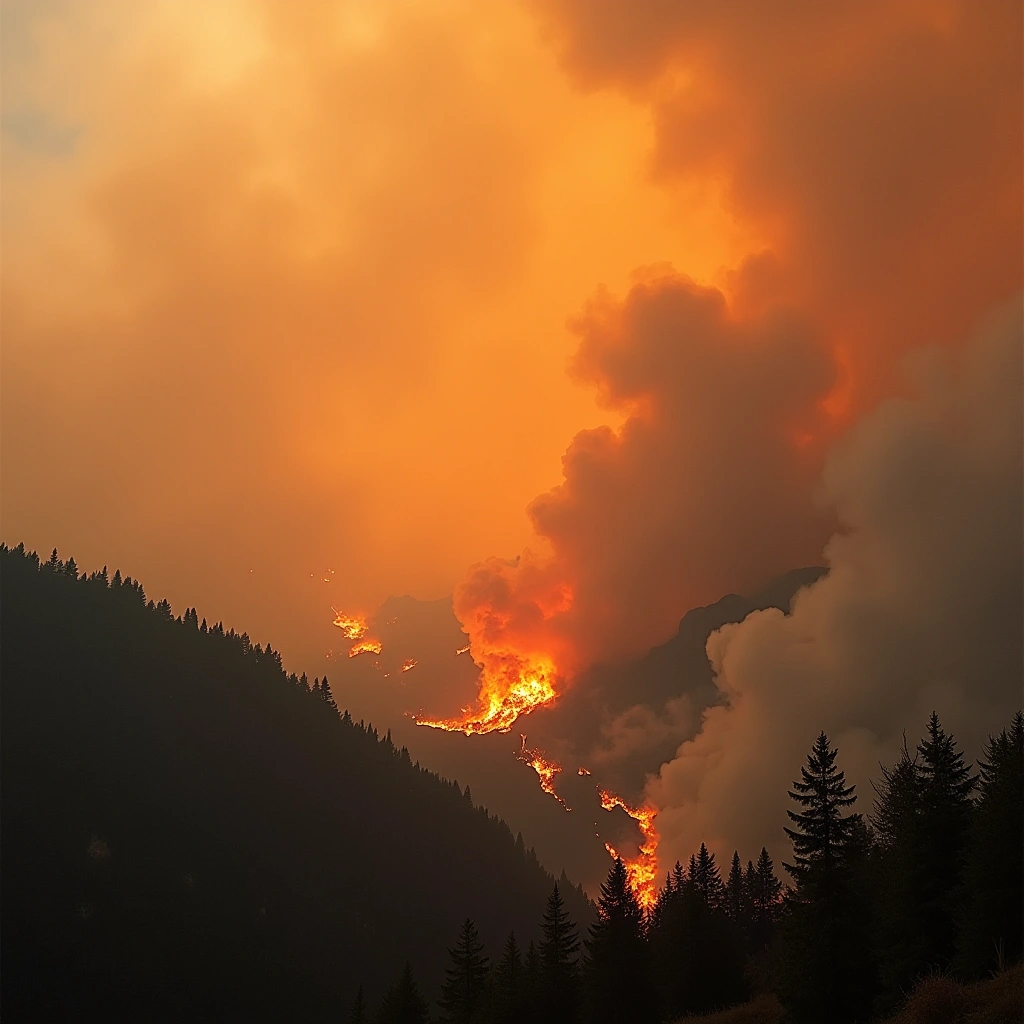
    Wildfire smoke leads to higher air pollution levels, causing people to stay indoors and reducing their spending in local economies. Businesses that rely on foot traffic suffer from fewer customers, and outdoor events may be canceled due to poor air quality.

    Wildfires have become a regular guest at our summer barbecues, showing up uninvited and leaving behind a smoky mess. But beyond the singed trees and the occasional heroic rescue of your neighbor’s cat, have you ever thought about how wildfire smoke affects the economy? No? Well, buckle up, because we’re diving headfirst into the haze!

    First off, let’s address the obvious: smoke is not just a nuisance for our lungs. It can have a significant impact on various sectors of the economy. For starters, let’s talk about agriculture. Farmers depend on clear skies and sunshine, not a thick blanket of smoke that turns their crops into a scene from a dystopian movie. Wildfire smoke can reduce crop yields, affect quality, and even contaminate produce. So, if you’re wondering why your avocado toast costs more at brunch, you might want to blame that wildfire across the state.

    Next up, we have the tourism industry. Imagine planning a lovely getaway to the mountains, only to find that the view is obscured by smoke. What’s supposed to be a picturesque Instagram moment turns into a grey, gloomy experience. This can lead to a significant drop in tourist numbers, which means less money flowing into local economies. And let’s be honest, nobody wants to miss out on that sweet, sweet revenue from tourists who are just dying to buy overpriced t-shirts and local artisanal jams.

    Then there’s the health sector, which gets a rather unfortunate boost when wildfire smoke rolls in. Increased respiratory issues mean more visits to the doctor, more prescriptions, and, you guessed it, more spending. Hospitals and clinics might see a spike in patients, which sounds great until you realize that it means more strain on an already overburdened healthcare system. So, while the smoke might be making a killing in health-related expenses, it’s not exactly a win-win situation.

    Let’s not forget about the insurance industry. Wildfires lead to property damage, and that means more claims. Insurance companies might see a spike in payouts, which could lead to higher premiums for everyone. So, if you think your rates are climbing faster than the flames, you might just be onto something. Thanks, wildfire smoke!

    And what about the job market? Wildfires can lead to temporary job losses, especially in affected areas. Businesses might close down due to smoke damage or a lack of customers, leading to layoffs. It’s a vicious cycle that can take time to recover from. So, if you see your favorite local coffee shop shuttered because of smoke, it’s not just sad for your caffeine fix; it’s a hit to the local economy, too.

    In conclusion, while we might joke about the smoke ruining our outdoor plans or our Instagram feeds, the economic implications are no laughing matter. From agriculture to tourism, healthcare, insurance, and employment, wildfire smoke has a far-reaching impact that ripples through the economy. So, the next time you see a smoke plume on the horizon, remember that it’s not just a sign of nature’s fury but also a complex economic situation unfolding. And maybe invest in some indoor plants to help purify the air—because who doesn’t want to add a little greenery to their life while the world is on fire?


    Inspired by: “How does wildfire smoke affect the economy?” (r/climatechange)

  • Unlocking the Magic of CR Seats: A Game-Changer for Qantas Frequent Flyers

    Unlocking the Magic of CR Seats: A Game-Changer for Qantas Frequent Flyers

    The changes will also see the first increase to Classic Reward seat fares in six years. In 2024, Qantas unlocked four times the number of reward seats for members following the successful introduction of Classic Plus .

    Ah, the joys of air travel! It’s a wild ride filled with cramped seats, questionable airplane food, and the occasional turbulence that makes you rethink your life choices. But let’s talk about something that can soften that bumpy journey: CR seats. If you’re a Qantas Frequent Flyer, requesting these seats might just be the golden ticket you didn’t know you needed.

    So, what’s the big deal about CR seats? Well, if you’re anything like our Reddit friend, who we’ll affectionately call Rain Man (not to be confused with the Dustin Hoffman classic), you might not have thought much about your Platinum status until now. But let me tell you, requesting those coveted Business Class (J) seats can turn your travel experience from drab to fab faster than you can say “frequent flyer miles.”

    Rain Man recently had a revelation while planning a trip from Adelaide to Sydney to Vancouver. After a helpful call with a local-sounding representative (because nothing says trust like a friendly accent), he learned the wonders of forced released flights. Yes, you heard that right! These magical flights were made available just for him, connecting his domestic jaunt to international adventures without breaking the bank. Talk about a win-win!

    Now, let’s break down why this is such a game changer. First off, if you’re one of those people who barely flies Qantas (like Rain Man, who had only done a few DSC hops and some OneWorld trips), you might not appreciate the value of Platinum status. But once you dip your toes into the plush waters of Business Class, it’s hard to go back. We’re talking about wider seats, better food, and the chance to sip champagne while pretending you’re not just a regular Joe who usually flies in the back of the plane.

    And here’s the kicker: Rain Man was just 49 Status Credits off from hitting Platinum status back in June. A quick phone call later, and they honored the difference! Seriously, if that’s not a fairy tale ending, I don’t know what is. It’s like finding a $20 bill in your winter coat pocket—unexpected and delightful.

    But let’s not forget the real hero of this story: the call rep. You know the type—extremely helpful, ready to navigate the complex labyrinth of flight options, and probably has a treasure chest of insider tips just waiting to be shared. These are the people who make the whole experience less about numbers and more about the joy of travel.

    In conclusion, if you’re a Qantas Frequent Flyer and you haven’t yet requested CR seats, what are you waiting for? Don’t let the idea of making a phone call intimidate you. It’s not like you’re trying to negotiate world peace here. Just pick up that phone and let them work their magic. Who knows? You might find yourself sipping a glass of bubbly at 30,000 feet before you know it.

    So, here’s to the Platinum status, the friendly call reps, and the wonderful world of CR seats. May your travels be smooth, your seats be spacious, and your airplane food be… well, edible. Happy flying!


    Inspired by: “Requesting CR seats is a game changer!” (r/QantasFrequentFlyer)

  • Navigating Fare Class Changes After Date Changes: A Frequent Flyer’s Dilemma

    Navigating Fare Class Changes After Date Changes: A Frequent Flyer’s Dilemma

    Yes. For example, if your original flight cost $280 and the new departure is priced at $410, you owe the $130 difference even though no change fee applies. The waiver only removes the flat penalty; it doesn’t freeze your fare at the original price.

    Ah, the joys of air travel! You’ve booked your flight, scheduled your plans, and then, BAM! Life happens. You need to change your travel dates. So, you pick up the phone, endure the sweet serenade of hold music, and navigate the maze of customer service. But what happens next? If you’re anything like our friend from Reddit, the experience can get a bit… complicated.

    In a recent post on the Qantas Frequent Flyer subreddit, a user shared their experience after changing their flight date. They had originally booked a flex economy (K) fare, which usually allows for some flexibility (and let’s be honest, we all need a little flexibility in our lives, especially when it comes to travel). After paying the fare difference, they were all set to jet off. But upon checking in, they discovered their ticket had been mysteriously transformed into an economy classic plus reward fare.

    Now, that’s a plot twist no one saw coming! It’s like ordering a cheeseburger and getting a salad instead—sure, it’s food, but it’s not what you wanted. Our Redditor was understandably puzzled and sought insights from other frequent flyers who might have faced a similar conundrum.

    The good news? After a phone call to customer service, the issue was resolved. They didn’t exactly admit to an error (because let’s face it, admitting fault is so last season), but they did honor the original fare class. Phew! The moral of the story? Always double-check your booking details after making changes. You never know when your fare class might decide to pull a disappearing act.

    But why does this happen in the first place? Airlines use complex systems to manage fares, and sometimes, when you change a date, the system gets a bit confused (just like we do when we open the fridge and forget what we wanted). There’s a chance it misclassifies your fare, especially if the flight is overbooked or if the fare class you originally booked is no longer available on the new date.

    So, what should you do if you find yourself in a similar situation? Here are a few steps you can take:

    1. Stay Calm: It’s easy to panic, but remember, you’re not the first person to experience this. Take a deep breath.

    2. Check Your Booking: Log into your airline account and verify your fare class and other details. Knowledge is power, folks!

    3. Call Customer Service: If something doesn’t look right, don’t hesitate to reach out. Be polite but firm. You catch more flies with honey, or in this case, you might catch a better fare.

    4. Document Everything: Keep records of your correspondence with the airline. If they agree to honor a fare, make sure you have it in writing.

    5. Be Persistent: If at first you don’t succeed, try, try again. Sometimes it takes a few calls to get to the bottom of things.

    In conclusion, while changing your flight dates can sometimes lead to unexpected fare changes, a little persistence and a calm approach can help you navigate these turbulent waters. So next time you find yourself needing to switch things up, remember our Reddit friend’s experience and keep your cool. Happy travels, and may your fare classes always be in your favor!


    Inspired by: “Fare class change after a date change” (r/QantasFrequentFlyer)

  • Soaring into the Future: The Maiden Flight of the Largest All-Electric Aircraft

    Soaring into the Future: The Maiden Flight of the Largest All-Electric Aircraft

    Another record falls as the world's largest all-electric airplane makes its maiden flight. On August 12, 2026 , Heart Aerospace's 25,000-lb (11,340-kg) X1 demonstrator aircraft took to the skies over Plattsburgh, New York for a 27-minute FAA …

    Ladies and gentlemen, aviation enthusiasts, and climate-conscious readers, gather ’round! We have just witnessed a monumental moment in the world of aviation that’s likely to make your heart soar higher than a plane itself. That’s right, folks—the first test flight of the largest all-electric aircraft has officially taken to the skies, and it’s as impressive as it sounds.

    Now, when we say ‘largest all-electric aircraft’, we’re not talking about a glorified drone that you might fly around your backyard. No, this beauty is comparable in size to a small regional airliner. Yes, you heard that right! It’s like someone decided that electric cars were just the beginning and thought, ‘Why not take this technology to the skies?’ And here we are, living in the future—just without the flying cars (yet).

    This impressive piece of engineering is equipped with four wing-mounted electric motors, which is a fancy way of saying it’s got more power than your average neighborhood coffee shop on a Monday morning. With a maximum takeoff weight of over 25,000 pounds, it’s clear that this aircraft means business. And speaking of business, let’s talk about that battery-electric propulsion system that delivered over 1 MW of power during its maiden flight. For those of you scratching your heads, that’s a whopping 1,000 kilowatts! That’s enough juice to make a small city envious.

    But wait, there’s more! The plan doesn’t stop at electric; the next step is hybrid-electric technology. Yes, folks, we’re not just stopping at ‘let’s see if we can fly this thing without guzzling jet fuel.’ The goal is to keep pushing the envelope (or should I say wing?) and explore hybrid options that could combine the best of both worlds—electricity and traditional fuel. It’s like a buffet of technology, and we’re all invited!

    Now, let’s take a moment to appreciate why this is such a big deal. Climate change is a topic that’s been on everyone’s minds (and for good reason). Aircraft emissions are a significant contributor to greenhouse gases, and finding sustainable alternatives is crucial for our planet’s future. So, when we see innovations like this all-electric aircraft, it feels like a tiny ray of hope in a sometimes gloomy climate discussion. And if the aircraft can make flying greener, then maybe we can all breathe a little easier.

    But let’s not get too ahead of ourselves. This was just a test flight, which means that there are still a lot of kinks to work out. Just like the first time you tried to bake a cake and ended up with a slightly burnt offering, this aircraft will need some fine-tuning before it’s ready for commercial flights. But hey, if the cake can be salvaged, so can this flight!

    So, what does this mean for the future of air travel? Well, if all goes well, we could be looking at a new era where hopping on a plane doesn’t feel like you’re contributing to the end of the world. Imagine flying from point A to point B without the guilt of knowing you’re burning fossil fuels at an alarming rate. It’s a dream that might just take flight if this project continues to soar.

    In conclusion, let’s raise a glass (or a reusable water bottle) to innovation and the brave souls pushing the boundaries of technology. The skies might just be getting a little greener, one electric aircraft at a time. So, buckle up, folks; the future of flying is looking bright—and electric!


    Inspired by: “First test flight of largest all-electric aircraft, comparable in size to a small regional airliner…” (r/climatechange)

  • Digging Deep: The US Proposes Seabed Mining Auction Off the Northern Mariana Islands

    Digging Deep: The US Proposes Seabed Mining Auction Off the Northern Mariana Islands

    Find latest litigation news from every corner of the globe at Reuters.com, your online source for breaking international news coverage.

    Ah, the Northern Mariana Islands! Known for their stunning beaches, vibrant culture, and… seabed mining? Yes, you heard that right. The U.S. government has proposed an auction for seabed mining rights in this picturesque locale, and while it might sound like a golden opportunity for treasure hunters, it’s actually causing quite a stir among climate enthusiasts and environmentalists.

    So, let’s break this down. Seabed mining involves extracting minerals from the ocean floor, and while it might seem like a way to tap into some hidden wealth, it’s not all sunshine and rainbows. The ocean floor is a delicate ecosystem, teeming with life that we’ve barely begun to understand. Imagine someone bulldozing a forest to find buried treasure—it’s a bit like that, but with fish instead of trees.

    Now, the U.S. government claims that the minerals found on the seabed, such as nickel, cobalt, and rare earth elements, are crucial for the green technology revolution. You know, the one that’s supposed to save us all from climate disaster? Sounds noble, right? But here’s the kicker: the process of mining these resources can lead to significant environmental degradation. It’s like trying to solve a puzzle while simultaneously throwing the pieces out the window.

    The Northern Mariana Islands are not just any old piece of real estate; they are home to unique marine habitats and endangered species. The proposed mining could disrupt these ecosystems, potentially leading to irreversible damage. So, while we’re all for advancing technology, can we maybe do it without turning the ocean into a giant dirt pit?

    Critics of the auction are raising their voices—loudly. Environmental organizations are warning that this move could set a dangerous precedent, encouraging more seabed mining around the world. And let’s be honest, if there’s one thing humanity has proven over and over again, it’s that we’re not great at self-regulating when there’s money involved.

    Some might argue that we need these minerals to build electric vehicles and renewable energy sources. Sure, but at what cost? Are we really willing to trade off the health of our oceans for a few shiny gadgets? It’s like choosing between a new smartphone and saving a puppy from a burning building. Tough choice, right?

    Let’s not forget the potential for local communities to be affected. The Northern Mariana Islands rely heavily on tourism, and who wants to vacation next to a mining operation? “Hey, look at that beautiful sunset—oh wait, is that a mining rig?” Not exactly the Instagram moment you’d want to capture.

    In conclusion, while the idea of seabed mining may seem like a treasure hunt for the modern age, the reality is a complicated web of environmental, economic, and ethical dilemmas. As we move forward, it’s essential to weigh the potential benefits against the risks, and maybe, just maybe, consider other ways to source our materials that don’t involve dredging up the ocean floor. After all, the planet is not just a resource for us to exploit; it’s a home that we need to cherish and protect. Let’s hope that the decision-makers remember that before they start auctioning off our underwater treasures.


    Inspired by: “US proposes seabed mining auction off Northern Mariana Islands” (r/climatechange)

  • Navigating the Upgrade Maze: Emirates and Qantas Edition

    Navigating the Upgrade Maze: Emirates and Qantas Edition

    You can't . Most of the time you can only upgrade on your own airline. American Airlines is soon to be an exception for Qantas FF. Oneworld are working on it but it's not here yet – https://www.executivetraveller.com/news/oneworld-points-mil…

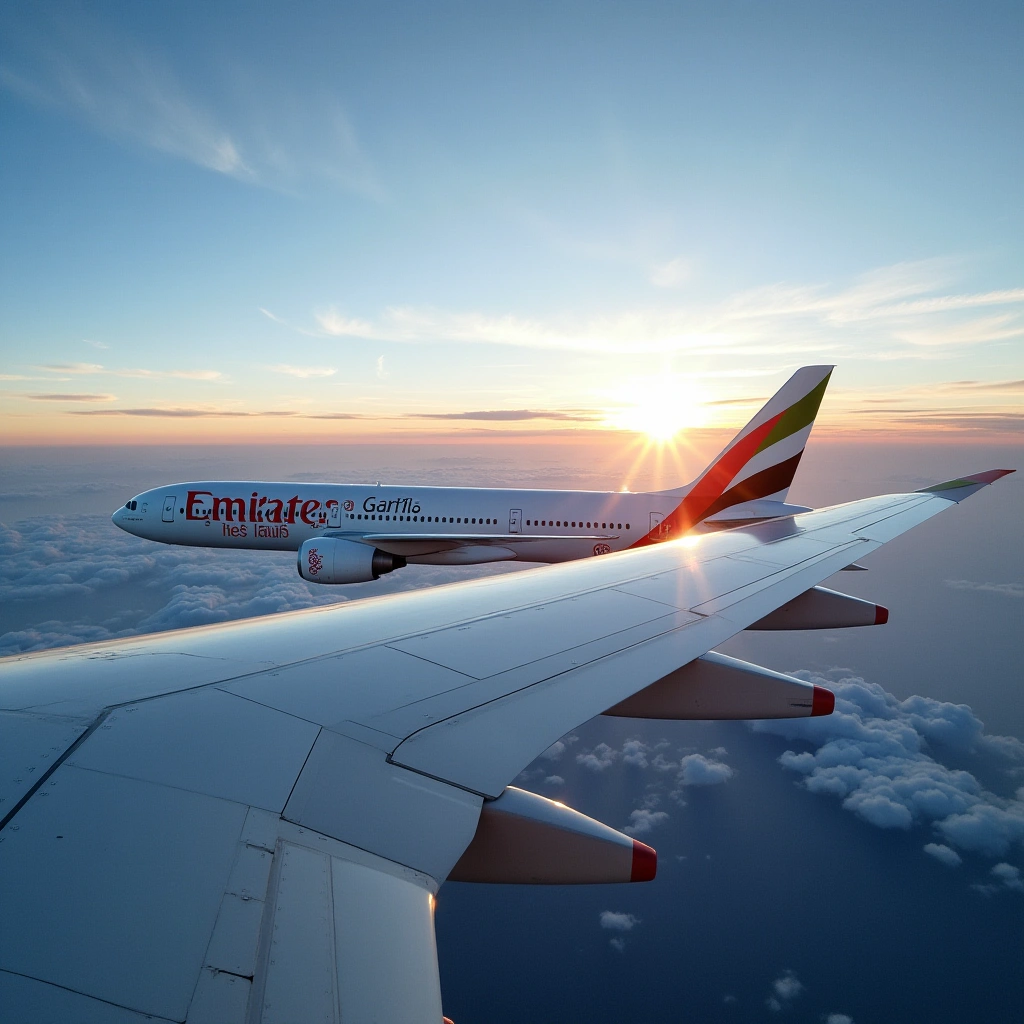
    So, you’ve booked that dream trip with Qantas, but it’s on an Emirates flight. You know, the one where you’re secretly hoping for an upgrade to first class, where the champagne flows like water and the seats are basically tiny, luxurious apartments? Well, you’re not alone. Many frequent flyers find themselves in this exact situation, and the question on everyone’s mind is: how on earth do you upgrade your flight?

    First off, let’s talk about the elephant in the room. You might’ve booked that Emirates flight through Amex, which is a great way to rack up those points, but it also complicates things. Booking with a third-party service can often feel like trying to put together IKEA furniture without the instructions. It’s possible, but it’s going to involve a lot of guesswork and a few choice words.

    Now, the official word from the Emirates and Qantas camp is that upgrades usually need to be done directly through the airline. So, if you’re thinking you can just hop online and click a few buttons to make your upgrade dreams come true, think again! Unfortunately, those online portals aren’t always as user-friendly as a well-meaning parent trying to help with math homework.

    Here’s the good news: you can still pursue that upgrade! Just be prepared to put on your best ‘customer service’ voice and call the airline directly. Yes, I know, calling customer service is often akin to willingly stepping into a black hole of hold music and automated messages, but it’s your best bet. When you finally get through to a human (who may or may not be having a better day than you), ask them about your upgrade options. Be polite, because you never know when a little kindness might earn you some extra points—pun intended.

    If you’re feeling particularly ambitious, consider visiting an Emirates or Qantas lounge before your flight. Sometimes, just being in the right place at the right time can lead to unexpected upgrades. Just don’t be that person who hovers around the gate looking desperate. Nobody likes a gate crasher, especially not in the airline world.

    And let’s not forget about your frequent flyer status. If you’re a member of the Qantas Frequent Flyer program, you might have a better chance of snagging that coveted upgrade. So, if you’ve been racking up those flight points like they’re Pokémon cards, now’s the time to cash them in!

    In conclusion, while upgrading your Emirates flight booked through Amex with Qantas may not be as straightforward as you’d like, it’s not impossible. Just remember to keep your expectations in check and your phone charged for that crucial call to customer service. And who knows? Maybe you’ll be sipping champagne in first class before you can say ‘upgrade’! Safe travels!


    Inspired by: “Upgrades with emirates” (r/QantasFrequentFlyer)