Category: Human Interest

  • The $1.5 Billion Data Centre: A Power-Hungry Giant in Our Suburbs

    The $1.5 Billion Data Centre: A Power-Hungry Giant in Our Suburbs

    Australian Financial Review, Paul Karp, ‘ The Sydney suburbs that will house $52b of power-hungry data centres ’, 27 March 2026.

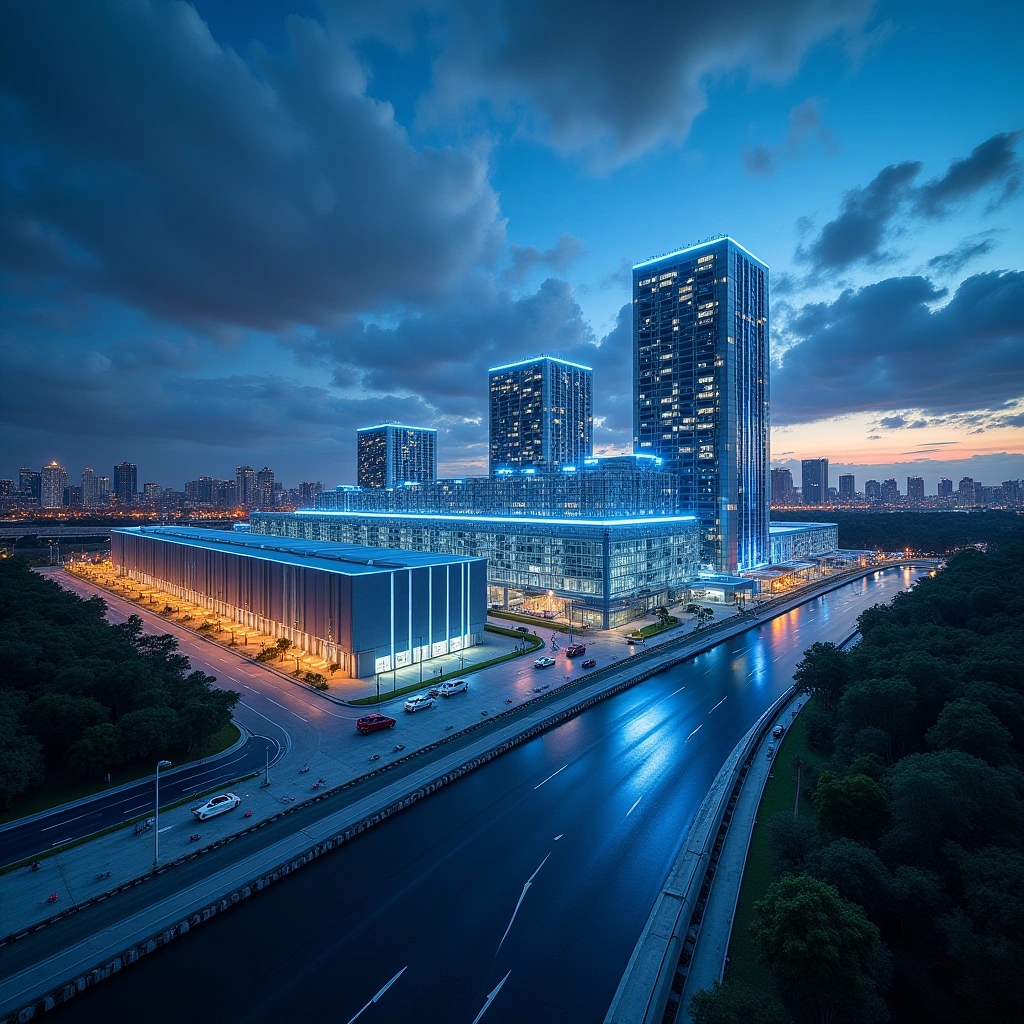
    So, here’s a fun fact that might just blow your mind: there’s a proposed $1.5 billion data centre being planned in the suburbs of Melbourne, and it’s set to consume more power than an entire regional city. Yep, you read that right. While we’re all trying to cut down on our energy usage and be more eco-friendly, this data centre is gearing up to be the energy equivalent of a teenager’s gaming session on steroids.

    Now, let’s break this down a bit. A data centre is essentially a giant warehouse filled with servers that store and manage data. Think of it as the digital equivalent of a library, but instead of books, it’s filled with computers humming away, processing everything from your latest social media scroll to that cat video you absolutely need to watch for the tenth time. And just like a library, these centres need power—lots of it.

    The proposed centre is expected to use more energy than a small regional city. For context, that’s enough power to light up a town, keep the coffee brewing in every café, and probably run a few air conditioners to keep everyone cool. Meanwhile, we’re over here debating whether or not to turn the lights off when we leave a room. Talk about a power struggle!

    Now, you might be wondering why on earth anyone would want to build a data centre in the suburbs. Well, it turns out that suburban areas are often more affordable when it comes to real estate, and they usually have the necessary infrastructure in place—like power and internet connections. But let’s not forget, this isn’t just a fluffy cloud of convenience; it’s also about cash. Lots of cash. A $1.5 billion investment is no small potatoes, and it could bring jobs and economic activity to the area. So, yay for the economy, right?

    But here’s where it gets a little tricky. The sheer amount of energy this centre will consume raises some eyebrows. You have to wonder, is it really worth it? Sure, we want our data to be safe and accessible, but at what cost? As we grapple with climate change and the need for sustainable energy solutions, the idea of a power-hungry data centre popping up in our suburbs feels a bit like inviting a T-Rex to a barbecue.

    And let’s talk about the environmental impact. As we push for greener energy solutions, this data centre could be a step backward. We’re all for innovation and progress, but it’s hard to ignore the potential consequences. Who knew that keeping our data safe could come with such a hefty power bill?

    In the end, it’s a balancing act. We want our data centres to be efficient and effective, but we also need to consider the long-term effects on our environment. Perhaps this proposed data centre could serve as a catalyst for change, pushing for more sustainable practices within the tech industry. Or, you know, it could just be a giant energy sucker that leaves us all wondering if we should invest in solar panels for our homes just to offset the power drain.

    So, as the discussions continue and the plans unfold, let’s keep our fingers crossed that this data centre isn’t just another case of ‘out of sight, out of mind’ when it comes to energy consumption. Because at the end of the day, we all want to enjoy our data—and our planet—without having to choose between the two.


    Inspired by: “Proposed $1.5b suburban data centre will use more power than a regional city” (r/melbourne)


  • The Great Tenant Data Dilemma: RentTech Companies vs. New Victorian Laws

    The Great Tenant Data Dilemma: RentTech Companies vs. New Victorian Laws

    So-called “RentTech” companies may be circumventing new Victorian laws designed to protect tenants’ personal data by asking for information outside the rental application process, a review as found.

    If you thought renting was all about picking the right avocado and negotiating your bond, think again! Enter the world of RentTech companies that are shaking things up in Melbourne’s rental market. But here’s the kicker: these tech-savvy firms might be asking for personal details that are, according to new Victorian laws, completely outside the legal realm. Cue the dramatic music!

    So, what’s the deal? In a bid to modernize the rental process, RentTech companies have popped up, offering everything from app-based inspections to online payment systems. Sounds convenient, right? Well, yes and no. While these platforms aim to streamline renting, some have taken a leap into the realm of personal data collection that would make even the most seasoned data privacy advocates raise an eyebrow.

    Under the latest Victorian laws, there are clear guidelines about what information landlords and property managers can ask from tenants. Spoiler alert: it’s not a full-on invasion of privacy! Basic details like your name, current address, and rental history are fair game. But some RentTech companies seem to think that asking for your social media passwords or your favorite pizza topping is just part of the process. I mean, who knew that renting a flat required a personality assessment?

    The backlash has been swift and fierce. Tenants are understandably concerned about their personal information being mishandled or, worse, sold off to the highest bidder. Imagine your data ending up in the hands of a pizza company, and suddenly, they know you ordered pineapple on your pizza last Friday. What’s next? A targeted ad for rental properties that are ‘tropical-themed’? No, thank you!

    Victorian authorities have stepped in, reminding everyone that these data collection practices are not only questionable but also potentially illegal. It’s like a bad episode of a reality show—everyone’s watching, but no one knows how it’s going to end. The RentTech companies, however, seem to be caught between a rock and a hard place. They want to innovate and make renting easier, but they also need to respect the privacy of the tenants they aim to serve.

    So, what can you do if you find yourself in this tricky situation? First off, don’t panic. Familiarize yourself with your rights as a tenant under the new laws. If a company asks for information that seems outlandish—like your childhood pet’s name or the exact date of your last haircut—don’t hesitate to push back. Remember, you’re not applying for a secret government job; you’re just trying to find a cozy place to live.

    In a nutshell, while RentTech companies are trying to bring us into the future (complete with fancy apps and online portals), they need to remember that personal privacy is not just a buzzword—it’s a right. As the rental landscape continues to evolve, let’s hope these companies get it right and keep our data safe. After all, we just want a place to call home, not a reality show about our lives!

    So, the next time you see a RentTech ad, take a moment to think: is this innovation or invasion? And keep your personal details close—after all, you never know when a RentTech company might ask for your Starbucks order just to process your application!


    Inspired by: “RentTech companies asking tenants for personal details ‘completely outside’ new Victorian laws” (r/melbourne)

  • The Koala Conundrum: Victoria’s Fluffy Friends in Trouble

    The Koala Conundrum: Victoria’s Fluffy Friends in Trouble

    With Friends of the Koala and Mosswood Wildlife, we’re working to rescue, rehabilitate, and release injured and orphaned koalas —giving them a second chance at life in the wild.

    Ah, koalas. Those adorable, tree-hugging marsupials that seem to have mastered the art of doing absolutely nothing while looking cute. But it turns out, these cuddly creatures in Victoria are facing some serious health issues, and their population is not all that it seems. In fact, it’s half of what we thought! Let’s delve into the fluffy crisis, shall we?

    First things first, let’s talk health. If you’ve ever seen a koala, you might think they live a stress-free life, munching on eucalyptus leaves and snoozing away in the trees. But, spoiler alert: it’s not all gum leaves and naps. Recent reports show that Victoria’s koalas are in chronically poor health. This isn’t just a case of a few koalas feeling under the weather; we’re talking about a significant number of them. The culprits? A combo of habitat loss, disease, and, let’s be honest, probably too much exposure to humans who think they can pet them like they’re oversized teddy bears.

    Now, let’s discuss the population numbers. According to estimates, the koala population in Victoria has been cut in half compared to previous figures. That’s not just a minor oopsie; that’s a major wake-up call. It’s as if someone suddenly decided to count all the koalas and realized they were missing a few dozen, or maybe they just got really bad at math. Either way, it’s alarming.

    The decline in their numbers is not just a statistic; it’s a sign of a larger problem. Urban development, climate change, and the ever-expanding human footprint are encroaching on their natural habitats. It’s like trying to cram a koala into a tiny apartment in the city—no room to breathe, let alone thrive. And let’s not forget the diseases that have been plaguing these marsupials, particularly chlamydia, which is a real buzzkill for their reproduction rates. Who knew that koalas had more relationship problems than some of us?

    So, what can be done about this fluffy fiasco? Well, first off, we need to stop treating koalas like they’re just cute Instagram props. They are living beings with complex needs, and they deserve our respect. Conservation efforts are crucial, which means protecting their habitats and ensuring they have enough food and space to live without the stress of human interference. It’s like giving them a koala-sized condo in a peaceful neighborhood—without the noisy neighbors.

    Moreover, awareness is key. The more we know about the plight of these koalas, the better equipped we are to help them. So, let’s spread the word, support conservation organizations, and maybe lay off the selfies with the koalas for a while. They’re not just a photo op; they’re a species that needs our help.

    In conclusion, the situation for Victoria’s koalas is definitely not a laughing matter, even if they do look like they’re perpetually smiling. They’re facing some serious challenges that require our attention and action. So, the next time you see a cute koala video, remember: behind that adorable face is a creature in need of a little extra TLC. Let’s rally together to ensure that these fluffy icons of Australia don’t become just a memory. Because honestly, who would want to live in a world without koalas?


    Inspired by: “Victoria’s koalas in chronically poor health and population is half what was previously estimated” (r/melbourne)

  • A Taste of Japan Meets Italy: The New Culinary Adventure at Highpoint Shopping Center

    A Taste of Japan Meets Italy: The New Culinary Adventure at Highpoint Shopping Center

    Food & Dining Tempt your taste buds at any one of High Point’s eateries. Enjoy regional, continental or international cuisine served throughout the City in more than 200 establishments offering fine dining, fast food or family style service. Savor a chef in training’s weekly creation at Guilford Technical Community College's Culinary School just 7 miles from downtown High Point.

    Get ready, Melbourne foodies! There’s a new culinary fusion in town that might just make your taste buds do a happy dance. A Japanese Italian chain, which has apparently taken Japan by storm, is about to open its first Australian outlet at Highpoint Shopping Center. Yes, you read that right – Japanese and Italian. It sounds like a food lover’s dream and possibly the plot of a sitcom that never aired.

    So, what’s the big deal? This isn’t just any run-of-the-mill Italian restaurant serving up soggy spaghetti and sad meatballs. Oh no, this is a place that has mastered the art of combining the delicate flavors of Japanese cuisine with the hearty goodness of Italian fare. Think sushi pizza or ramen spaghetti. (Okay, I made that up, but wouldn’t it be amazing?)

    The chain has made waves in Japan for its affordable and delicious offerings. We’re talking about cheap eats that don’t skimp on quality. And if the rumors are true, we might be looking at $1 glasses of red wine. Yes, please! I can already picture the line stretching out the door, with people clutching their wine glasses like they’ve just found the Holy Grail.

    But let’s be real for a second. How well will this fusion fare in Melbourne? We’re a city that prides itself on its food culture, with an array of cuisines from all over the world. Will we embrace this quirky blend, or will we turn our noses up at the thought of teriyaki risotto?

    If you ask me, it’s worth a shot. Melbourne is no stranger to culinary experimentation, and the thought of enjoying a bowl of udon bolognese while sipping on a cheap glass of red wine is a tantalizing prospect. Plus, think of all the Instagrammable moments we could capture! I can see it now: “Just had the best ramen risotto – #FusionFood #LivingMyBestLife.”

    As the opening date approaches, the anticipation is building. Will the lines be as long as the ones we see at the latest brunch spot? Will there be a social media frenzy? Only time will tell. But one thing’s for sure, Melbourne is ready to welcome this new taste sensation, and I, for one, can’t wait to dig in.

    So grab your forks, your chopsticks, and your sense of adventure, because the Japanese Italian fusion is about to hit Highpoint, and it’s going to be deliciously interesting. Let’s just hope they don’t start serving sushi gelato – that might be pushing it a bit too far!


    Inspired by: “A Japanese Italian chain is about to open it’s first Australian joint at Highpoint shopping center” (r/melbourne)

  • The Future of Farming: Perennial Grains to the Rescue!

    The Future of Farming: Perennial Grains to the Rescue!

    Developing perennial versions of our major grain crops would address many of the environmental limitations of annuals while helping to feed an increasingly hungry planet. Recent advances in plant breeding, such as the use of marker-assisted selection, genomic in situ hybridization, transgenic technologies, and embryo rescue, coupled with traditional breeding techniques, make the development of perennial grain crops possible in the next 10 to 20 years …

    So, let’s talk about something that’s been on the minds of farmers and climate enthusiasts alike: perennial grains. If you’re scratching your head wondering what on earth those are, you’re not alone. Think of them as the cool kids on the block, the ones who don’t just show up for a season and then disappear like your New Year’s resolutions. Nope, these grains are here to stay, and they could be a game changer in our fight against extreme weather.

    You see, traditional grains like wheat, rice, and sorghum are what we call annuals. They sprout, grow, and then wave goodbye to us after each harvest. It’s a bit like a friend who only visits when they need something. They leave behind a bare patch of soil, which, let’s be honest, is not doing us any favors when it comes to climate change. Enter perennial grains, which have deeper root systems that can withstand drought and heavy rainfall. It’s like they’re saying, “Rain? Drought? Bring it on!”

    The beauty of perennial grains lies not just in their resilience but also in their ability to sequester carbon. This means they can suck up carbon dioxide from the atmosphere and store it in the soil, helping to combat climate change. Who knew grains could be our little superheroes? With roots that dig deep into the earth, they are essentially nature’s version of a well-grounded individual who can weather any storm—literally.

    Researchers are currently working on developing perennial versions of our favorite annual grains. Imagine a world where you could plant wheat once and reap the benefits for years to come without having to replant every season. Sounds dreamy, right? The idea is that these grains would not only help farmers adapt to unpredictable weather patterns but also improve soil health over time. It’s a win-win situation, which is a rarity in the world of agriculture.

    Of course, not everyone is on board with the idea. There are skeptics who argue that perennial grains might not produce yields as high as their annual counterparts. But let’s be honest, how much of that yield ends up as waste anyway? Plus, with the changing climate, we might need to rethink what we consider a good yield. Sometimes, survival trumps sheer numbers.

    Farmers are already beginning to experiment with these new grains, and the early results are promising. They’re finding that these plants can thrive even when the weather is throwing tantrums. Drought? No problem! Flood? Bring it on! It’s like they’ve taken a few lessons from the most resilient among us.

    As we continue to grapple with the challenges posed by climate change, it’s crucial that we explore innovative solutions like perennial grains. They may not be the silver bullet that solves all our problems, but they’re certainly a step in the right direction. And who knows? Maybe in a few years, we’ll look back and say, “Remember when we thought annual grains were the only way to go?” While we’re at it, let’s also remember to give a nod of appreciation to those researchers and farmers who are working tirelessly to make this a reality.

    So, the next time you’re enjoying a bowl of rice or a slice of bread, take a moment to appreciate the potential of these incredible perennial grains. They might just save the day—and our planet—one harvest at a time. And who doesn’t want to be part of a solution that’s as good for the earth as it is for our stomachs? Cheers to that!


    Inspired by: “Farmers turn to perennial grains as one solution to extreme weather. Researchers are working to dev…” (r/climatechange)

  • The Chemical Industry’s Carbon Conundrum: A Gigaton of Trouble Ahead

    The Chemical Industry’s Carbon Conundrum: A Gigaton of Trouble Ahead

    The chemical industry ‘ s carbon footprint covers greenhouse gas emissions generated across the full value chain of chemical production, from raw material extraction through manufacturing and product end-of-life. Across full Scope 1, 2, and 3 value chains, the industry emitted approximately 2.3 gigatonnes of CO₂e in 2020, representing nearly 5% of total global emissions. Without significant policy and technology intervention, that figure is projected to grow by a further 20% by 2030.

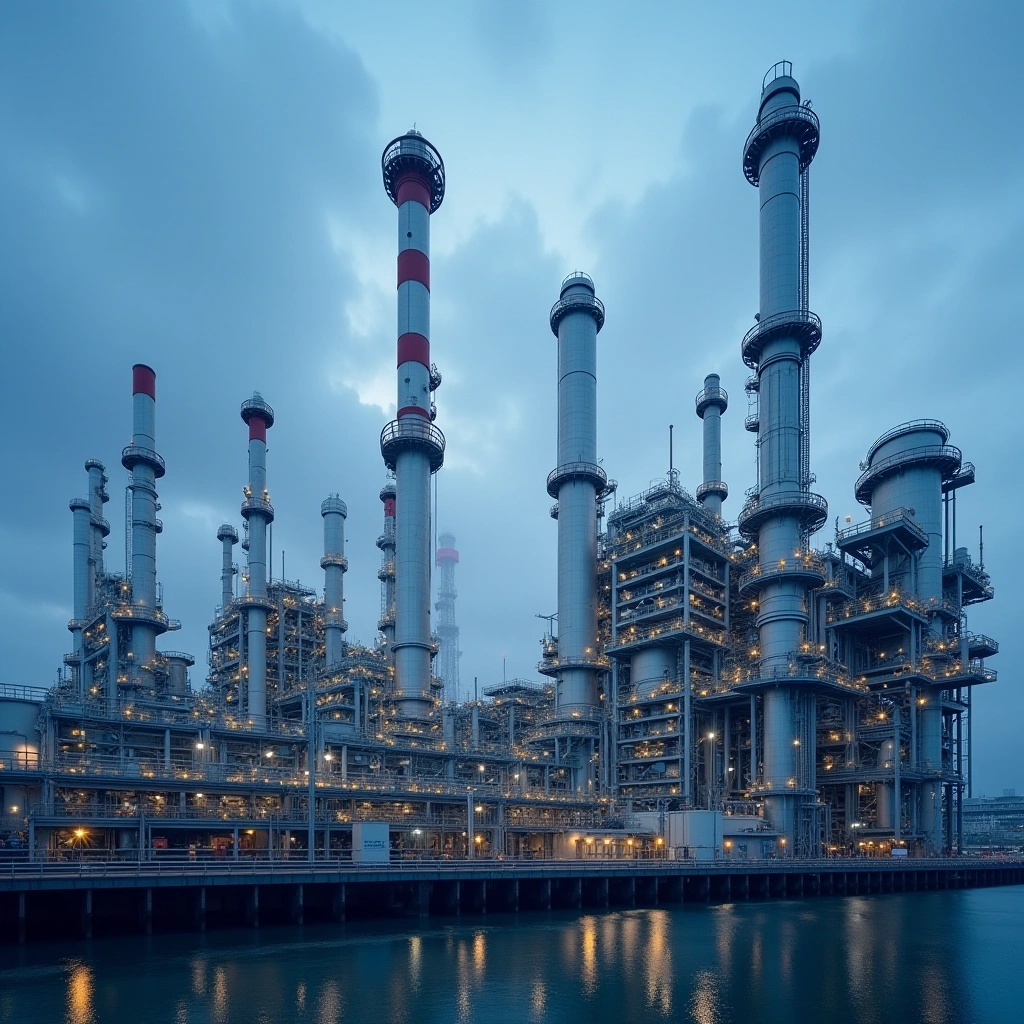
    Alright, folks, let’s dive into a topic that’s as heavy as it sounds: the chemical industry and its potential to emit a whopping 3 gigatons of CO2 by 2050. Yes, you heard that right—3 gigatons! That’s a number so big it makes your head spin faster than a hamster on a wheel. But before we get too deep into the carbon abyss, let’s break this down a bit.

    First off, what even is a gigaton? For those of you who might think it’s a new type of energy drink, let me clarify. A gigaton is a billion metric tons, and it’s a unit that scientists use to measure large quantities of carbon dioxide emissions. To put it in perspective, it would take about 300 million elephants to equal one gigaton. So, if you’ve ever wanted to see a herd of elephants performing a synchronized dance, well, you’ll have to settle for this carbon figure instead.

    Now, why should we care about the chemical industry in particular? Well, it’s a massive player in the global economy, responsible for producing everything from plastics to fertilizers. However, it’s also a significant contributor to greenhouse gas emissions. The industry is projected to ramp up its output by 50% by 2050 unless we take some serious steps toward decarbonization. And let’s be honest, if we keep pumping out CO2 like it’s going out of style, we might just turn this planet into a sauna—without the benefits of a good massage.

    So, what’s the plan? Decarbonization, folks! This buzzword has been thrown around so much you might think it’s a trendy new dance move. But in reality, it involves shifting to cleaner energy sources, improving efficiency, and innovating new production methods. Basically, it’s about making the chemical industry work smarter, not harder—kind of like how I work on Mondays.

    Some companies are already on board with this whole decarbonization thing. They’re exploring alternatives like bio-based feedstocks, renewable energy, and carbon capture technologies. But here’s the catch: transitioning to these greener practices isn’t just flipping a switch. It’s more like trying to turn a massive ship around in a bathtub.

    And let’s not forget the policy side of things. Governments around the world need to step up and create incentives for companies to go green. Think tax breaks for using renewable energy or penalties for excessive emissions. It’s like giving a gold star to the kid who cleans up after themselves and a timeout to the one who throws their toys all over the place.

    Now, while it might feel like we’re staring down the barrel of a CO2 cannon, there’s still hope. With the right strategies, investments, and a touch of good old-fashioned determination, we can steer the chemical industry toward a more sustainable future.

    So, what can you do? Well, you can start by engaging in conversations about climate change, supporting policies that promote sustainability, and maybe even giving a side-eye to that plastic straw at your next drink. Every little bit helps, and before you know it, we might just save the planet—or at least make it a little less hot and bothered.

    In conclusion, the chemical industry is at a crossroads, and the road we take could lead us to either a greener future or a climate catastrophe. Let’s hope we choose wisely. After all, I’d rather have my beach vacations without the added bonus of swimming through a sea of CO2. Cheers to a cleaner, greener future, one gigaton at a time!


    Inspired by: “The chemical industry could emit up to 3 gigatons of CO2 by 2050 (up 50%) unless decarbonization ta…” (r/climatechange)

  • Breaking into the World of Roadie and Stagehand Gigs in Melbourne

    Breaking into the World of Roadie and Stagehand Gigs in Melbourne

    All of these businesses with maybe the exception of the rock club will be pretty quiet until March, but be persistent. Become known to the people who operate these places. Do some reading. Take webinars. When you get your first gig, be prompt, kind, helpful and ask questions.

    Hey there, fellow music enthusiasts and aspiring stage legends! If you’re reading this, chances are you’ve found yourself dreaming of a life behind the scenes, mixing it up with bands, and soaking in all that sweet creative energy. Well, let’s talk about how to snag those coveted roadie and stagehand gigs in Melbourne.

    First off, let’s address the elephant in the room: you’re not in it for the money. You’ve got a diploma in music, which means you’re not just some random person looking to lug heavy equipment for the sake of it—this is your passion! But let’s face it, working at a bar while your heart yearns for the stage can feel a bit like being stuck in a never-ending loop of pouring beers while dreaming of soundchecks and backstage shenanigans.

    So, how do you break into the world of roadies and stagehands? Here are a few tips that might help you score that dream gig:

    1. Networking is Key

    Let’s be honest, if you’re not rubbing elbows with the right people, you might as well be trying to get a cab in the rain. Attend local gigs, engage with bands and artists, and be that friendly face that everyone remembers. Melbourne’s music scene is vibrant and full of opportunities, so don’t be shy! Also, try social media groups dedicated to music and events in Melbourne; you never know who might be looking for help!

    2. Volunteer Your Time

    Sometimes, the best way to get your foot in the door is to volunteer. Many local festivals, gigs, and events look for volunteers to help with setup and breakdown. Sure, you might be on your feet for hours, but think of it as a crash course in live production. Plus, you’ll get to meet people who are already in the industry. Maybe you’ll even get a free T-shirt. Who doesn’t love free swag?

    3. Join Local Music and Arts Organizations

    Melbourne is home to various organizations that support local artists and events. Joining these groups can open doors to opportunities that you may not find on your own. Plus, they often have job boards or newsletters that list gigs, so you can keep your eyes peeled for stagehand positions.

    4. Online Job Boards

    Yes, they exist! Websites like Gumtree, Seek, and even specific Facebook groups can be goldmines for finding gigs. Just make sure you’re applying for legitimate opportunities. If you see a listing that sounds too good to be true, it probably is. You’re looking for gigs, not a trip to the moon.

    5. Don’t Be Afraid to Start Small

    Not every roadie gig is going to be for a world-famous band. Starting with local acts or smaller events can give you the experience you need to build your resume. Plus, you might just discover that you love working with indie bands who are passionate about their craft. And who knows? One of them might blow up, and you can say you were there from the beginning.

    6. Keep Learning

    Since you have a diploma in music, you’re already ahead of the game! But the music industry is always evolving, and staying updated on the latest technology and trends can give you an edge. Consider taking workshops or online courses that focus on live sound, lighting design, or stage management. Not only will you learn something new, but you’ll also meet people who share your passion.

    7. Just Go for It!

    Sometimes, you just have to throw caution to the wind and apply for that gig. Even if you feel underqualified, remember that everyone starts somewhere. If you have the passion and the willingness to learn, that’s half the battle won.

    In summary, breaking into the roadie and stagehand scene in Melbourne might seem daunting, but with a bit of persistence, a sprinkle of charm, and a genuine love for music, you can make it happen. So, dust off that diploma, grab your favorite pair of comfy shoes, and get ready to dive into the thrilling world of live music. Who knows? You might just find your place in the spotlight—behind the scenes, of course.

    Good luck out there, and may your future gigs be filled with epic tunes and minimal equipment malfunctions!


    Inspired by: “Roadie / Stagehand gigs?” (r/melbourne)

  • The Mysterious Case of the Sunbury Line Cancellations: What’s Going On?

    The Mysterious Case of the Sunbury Line Cancellations: What’s Going On?

    There were 89 services cancelled across Wednesday, Thursday and Friday morning on the Cranbourne, Pakenham and Sunbury lines, due to industrial action taken by workers who maintain the state’s High Capacity Metro Trains (HCMT).

    Ah, the Sunbury Line. A beloved route for commuters, travelers, and probably a few adventurous pigeons. But lately, it seems like the Sunbury Line has been playing a game of hide and seek with its morning services, leaving many of us scratching our heads and wondering, “What in the world is going on?”

    If you’ve been following the chatter on Reddit, particularly in the Melbourne subreddit, you might have noticed a post by the user Scriptosis. They raised the question that’s been on the minds of many: why on earth are so many morning services on the Sunbury Line getting cancelled this week?

    Now, if you’re like me, you might have turned to the trusty PTV app for answers. But instead of a detailed explanation, what do we get? A simple, unhelpful message that just says, “Cancelled.” Thanks, PTV app! That’s super informative! It’s as if the app has adopted a minimalist approach to communication, opting for the silent treatment rather than giving us the juicy details we crave.

    So, let’s dive into the potential culprits behind these cancellations. First up, we have the classic villain of public transport: track maintenance. Yes, it seems like every time we turn around, there’s some kind of work being done on the tracks. Maybe they’re installing a new espresso machine for the train drivers? Who knows! But it’s usually for our safety, so we can’t complain too much—though our caffeine-deprived selves might have a few choice words.

    Another possible reason could be staffing shortages. With the world still recovering from the pandemic’s effects, many industries, including public transport, are facing challenges in maintaining adequate staffing levels. If there aren’t enough drivers to operate the trains, well, it’s a bit tricky to keep those trains rolling.

    Then there’s the weather. Melbourne, known for its four seasons in a day, could easily throw a wrench in the works. Heavy rain, strong winds, or even the occasional hailstorm can lead to service disruptions. I mean, we know how dramatic our weather can be—one minute it’s sunny, and the next, you’re dodging raindrops like they’re ninja stars.

    Now, let’s not forget about the wonderful world of technical difficulties. Trains are machines, and like all machines, they can be temperamental. One moment they’re chugging along just fine, and the next, they’re having a meltdown worthy of a soap opera.

    So, what should you do if you find yourself stranded on the platform with a cancelled train? First, take a deep breath. It’s not the end of the world—though it might feel that way if you’re late to work. Check social media or news outlets for any updates, and maybe even join the conversation on Reddit. Who knows, you might find a fellow commuter who’s discovered a secret alternative route, or at least someone to share your frustrations with.

    In conclusion, while the Sunbury Line cancellations have caused quite a headache for many, it’s essential to remember that these issues often stem from a mix of maintenance, staffing, and, well, life just happening. So the next time your train is cancelled, take a moment to appreciate the chaos of public transport. And maybe keep a spare coffee in your bag—just in case you need to bribe a train driver to get you moving again!


    Inspired by: “Sunbury Line cancellations” (r/melbourne)

  • The Gray Whale Mystery: Why Are They Washing Up Dead on the West Coast?

    The Gray Whale Mystery: Why Are They Washing Up Dead on the West Coast?

    There’s been a “complete decline … up on the West Coast hold clues as to why: many of them were emaciated, so much so that one scientist described them as “a bag of bones.” …

    If you’ve been keeping up with the news—or even if you’ve just been scrolling through your social media feed—you might have stumbled upon some rather alarming reports about gray whales washing up dead along the West Coast. Yep, you heard that right. These majestic creatures, which can grow up to 50 feet long and weigh as much as 40 tons (that’s like a small car, or a very large elephant), are facing some serious trouble. And no, it’s not because they decided to take a vacation on the beach.

    So, what’s going on? Well, it turns out that the situation is a bit more complicated than just a bad case of beach bum syndrome. According to various reports, including those shared on Reddit and by sources like Scientific American, the primary culprit seems to be climate change. Shocking, I know. It’s almost as if the planet is trying to tell us something.

    Gray whales migrate thousands of miles each year, traveling from their feeding grounds in the Arctic to their breeding grounds in the warm waters of Mexico. This journey is no easy feat. It requires a lot of energy, and when food sources are disrupted due to changing ocean temperatures and ecosystems, these whales can end up starving. And let’s be real, nobody wants to see a whale on a diet.

    In recent years, scientists have noted an alarming increase in the number of gray whales that have washed ashore, with reports suggesting that the mortality rates are significantly higher than what we’ve seen in the past. In fact, the National Oceanic and Atmospheric Administration (NOAA) has declared an Unusual Mortality Event (UME) for gray whales along the West Coast, which is just a fancy way of saying, “Hey, something is seriously wrong here.”

    But wait, there’s more! It’s not just the whales that are being affected. The entire marine ecosystem is feeling the heat—literally. As ocean temperatures rise, the delicate balance of marine life is thrown into disarray. Fish populations are shifting, and food webs are being disrupted, leading to a chain reaction that impacts everything from plankton to the largest mammals in the ocean. It’s like a game of Jenga, but instead of wooden blocks, it’s our entire marine ecosystem. And spoiler alert: we’re losing.

    Now, you might be wondering what we can do about this. Well, the first step is acknowledging the issue. It’s easy to scroll past an article about dead whales and think, “Oh, that’s sad,” but it’s crucial to understand the bigger picture. Climate change is not some distant problem; it’s happening right now, and it’s affecting real lives—both human and animal.

    We can all play a part in addressing climate change, whether it’s reducing our carbon footprint, supporting sustainable practices, or simply spreading awareness. So, the next time you see a headline about gray whales washing up on the shore, take a moment to reflect on how interconnected we all are. And who knows? Maybe your small actions can help keep those magnificent creatures swimming in the ocean rather than washing up on the beach.

    In conclusion, the plight of the gray whales is a stark reminder of the impacts of climate change. While we can’t change the past, we certainly have the power to influence the future. So, let’s roll up our sleeves, get informed, and make some waves—preferably the kind that keeps our oceans healthy and our whales swimming for years to come.


    Inspired by: “Gray whales are washing up dead on the West Coast. The reason is alarming” (r/climatechange)

  • When August Decided to Turn Up the Heat: A Look at Our Sizzling Summer

    When August Decided to Turn Up the Heat: A Look at Our Sizzling Summer

    SEVILLE, SPAIN – AUGUST 21, 2023: A person walks past a place of business cooled by water vapor during a heatwave. The city — the hottest major metropolitan area in continental Europe — baked under Europe’s second-warmest August and third-warmest summer on record. (Image credit: Marcelo del Pozo/Getty Images) August 2023 …

    So, it turns out that August was not just hot—it was sizzling, melting, and possibly on fire. In fact, it was the hottest August ever recorded in U.S. history. Yes, you heard that right! If you thought your air conditioner was working overtime, you were absolutely correct. And let’s not forget about the summer as a whole, which also decided to break records, becoming the hottest summer we’ve ever experienced.

    Now, if you’re like me, you might be thinking, “Great! Just what we needed—another record to add to the list of things we can’t seem to control.” But hold on! Before we spiral into a panic, let’s break down what this means and why it should matter to us, besides making our ice cream melt faster.

    The Numbers Game

    According to the National Oceanic and Atmospheric Administration (NOAA), August 2023 was not just a little warmer than usual; it was a scorcher, with temperatures soaring higher than your uncle’s expectations for his fantasy football team. The average temperature across the contiguous United States was a whopping 77.6 degrees Fahrenheit (25.3 degrees Celsius), which is 2.7 degrees above the 20th-century average. If that doesn’t make you sweat just thinking about it, I don’t know what will.

    And let’s not forget that the summer of 2023 was also the hottest on record. From June to August, we were all living in what felt like a giant sauna, where the only escape was either a swimming pool or a very well-placed fan. The average temperature for the summer hit 74.8 degrees Fahrenheit (23.7 degrees Celsius)—and that’s just the average! Some of us were probably experiencing personal records in our own backyards.

    What’s Cooking?

    So, what’s cooking here? Well, it’s not just the heat from the sun. Climate change is like that annoying friend who just shows up uninvited and stays way too long. It’s been influencing our weather patterns and making things hotter. The increase in greenhouse gases in the atmosphere is like a blanket that we can’t seem to kick off, even in the sweltering heat of summer.

    Scientists have been sounding the alarm about rising global temperatures for decades, and it seems like we’re finally starting to see the results of our collective inaction. The frequency and intensity of heatwaves are increasing, and that’s not just a fun fact to share at parties. It affects agriculture, wildlife, and, yes, even our beloved outdoor barbecues.

    What Can We Do?

    Now, before you throw your hands up in despair and resign to a life of ice cream and air conditioning, there are ways we can fight back against this heatwave of doom. Here are a few simple steps we can take:

    1. Conserve Energy: Keep those A/C units in check! Maybe try to keep the thermostat a degree or two higher. Your electric bill will thank you, and you’ll get used to it.

    2. Reduce Waste: Cutting down on single-use plastics and food waste can help reduce greenhouse gas emissions. Plus, you’ll feel like a superhero saving the planet, one reusable bag at a time.

    3. Advocate for Change: Support policies aimed at combating climate change. Write to your representatives, join local clean-up efforts, or just talk about it. Awareness is key, and who knows, you might even inspire a few people along the way!

    In Conclusion

    So, as we wrap up this steamy saga of record-breaking temperatures, let’s remember that while we can’t control the weather, we can certainly control our responses to it. It’s time to take action, not just complain about how hot it is outside while sipping on a cold drink. Let’s channel that energy into making a difference.

    And who knows? Maybe next summer won’t be as hot, but if it is, at least we’ll be ready for it. Stay cool, my friends!


    Inspired by: “We just had the hottest August, hottest summer, and hottest year to date in U.S. history” (r/climatechange)