Category: Human Interest

  • China’s Oil Demand: A Dramatic Drop on the Horizon?

    China’s Oil Demand: A Dramatic Drop on the Horizon?

    Sinopec expects China's oil demand to drop 8.9% in 2026 as high prices and EV adoption erode gasoline and diesel consumption.

    Well, well, well, if it isn’t the latest buzz from the land of chopsticks and tea! According to a recent report by Sinopec, China’s oil demand is projected to fall by a staggering 8.9% by 2026. Yes, you heard that right. Almost 9% less oil guzzling in a country that has been notorious for its insatiable appetite for the black gold.

    Now, before we all start breaking out the confetti and throwing a party for Mother Earth, let’s take a moment to unpack this juicy tidbit.

    First off, why such a dramatic decline? Well, it seems that China is finally getting serious about its environmental commitments. The government has set ambitious targets for reducing carbon emissions, and this drop in oil demand is a part of that grand strategy. Who knew that China could be so proactive about climate change? You might even say they’re trying to out-green the greenies!

    But let’s not get too ahead of ourselves. The forecast is based on several factors, including a shift towards electric vehicles (EVs), which are becoming increasingly popular as the country looks to reduce its reliance on fossil fuels. Just last year, the number of EVs on Chinese roads surged, and it looks like that trend is here to stay. If you thought the roads were crowded before, just wait until all those Teslas and NIOs start taking over!

    Moreover, the growth of renewable energy sources in China is another nail in the oil coffin. Solar and wind power are making significant strides, and it seems like the Chinese government is keen on investing more in these technologies. Who needs oil when the sun is shining and the wind is blowing, right?

    Of course, it’s not all rainbows and unicorns. There are challenges ahead. For starters, China’s economy is still heavily reliant on oil, and transitioning away from it won’t happen overnight. The oil industry is a behemoth, and while the intention is there, the execution might be a bit more complicated. It’s like trying to get a toddler to give up their favorite toy—there might be a lot of kicking and screaming involved.

    Additionally, global oil prices could play a role in this downward trend. If prices escalate, it might push consumers and industries to seek alternatives more aggressively. But if prices drop, the temptation to stick with oil could be too strong for some. It’s a classic case of ‘will they, won’t they,’ and honestly, it’s exhausting just thinking about it.

    So, what does this all mean for the rest of the world? Well, a significant reduction in China’s oil demand could have ripple effects on global oil markets. Countries that heavily depend on oil exports might start to sweat a little. If China’s demand falls, those oil-producing nations might have to rethink their strategies, or risk finding themselves with a surplus of oil and nowhere to sell it.

    In conclusion, while an 8.9% drop in oil demand sounds like a step in the right direction for climate change, it’s essential to remember that change takes time. It’s a marathon, not a sprint, and we’re all just trying to keep pace without tripping over our own feet. So let’s keep our fingers crossed and our eyes peeled for what comes next in this evolving story. Who knows, we might just witness a dramatic plot twist in the saga of global oil consumption!


    Inspired by: “China oil demand to fall 8.9% in 2026, Sinopec research says” (r/climatechange)

  • Welcome to the r/Melbourne Daily Discussion Thread: Your Go-To Spot for Casual Chats!

    Welcome to the r/Melbourne Daily Discussion Thread: Your Go-To Spot for Casual Chats!

    The place for your everyday casual chat.

    Hey there, lovely readers! If you’ve stumbled upon this blog post, you’re probably just as curious about the r/Melbourne subreddit as I was when I first discovered it. Or maybe you just had a random urge to learn about Melbourne’s daily discussions. Either way, let’s dive right into it!

    So, what’s the deal with the r/Melbourne Daily Discussion Thread? Think of it as your virtual coffee shop where the locals of Melbourne gather to chat about anything and everything. Whether you’re a lifelong Melburnian or a newbie trying to find your way around, this is the place for you!

    Every day, the r/Melbourne community opens its doors to casual chats, making it super easy for anyone to jump in. New users with little to no subreddit history? No problem! This thread is practically waving a big, friendly sign saying, “Come on in, the water’s fine!” Just remember to bring your best internet manners because, spoiler alert, the internet can be a bit like a wild party—some folks are friendly, while others might just spill their drink on you.

    One of the coolest things about this subreddit is its commitment to acknowledging the Traditional Owners of the land. It’s a thoughtful reminder that while we’re all here chatting about our favorite cafes or which tram line is the fastest, there’s a rich history and culture that predates our coffee runs by thousands of years. So, a big shoutout to the Aboriginal and Torres Strait Islander cultures—thank you for sharing this beautiful land with us!

    Now, let’s talk about what you can actually do in this daily thread. Got a burning question about the best places to grab a flat white? Or perhaps you’re curious about upcoming events in the city? This is your golden ticket! The community is filled with locals who are more than happy to share their insights. Just be ready for some cheeky banter and the occasional sarcastic comment—because what’s a discussion without a bit of humor, right?

    But it’s not just about casual chit-chat. The r/Melbourne Daily Discussion Thread is also a great place for research or survey requests. If you’ve got a project and need some local input, toss it in there! Just be prepared for the usual internet responses—some might take your request seriously while others might suggest you conduct your survey in a pub on a Friday night. Classic!

    For tourists, this thread is a goldmine. Forget the glossy brochures and overpriced tour packages! Instead, hop onto r/Melbourne and ask the locals for their tips. You’ll get the inside scoop on hidden gems that aren’t in the travel guides. Just remember, if you ask where the best beach is, you might get a dozen opinions, all of them equally passionate.

    In conclusion, the r/Melbourne Daily Discussion Thread is a vibrant space that welcomes everyone—newcomers, long-time residents, and even the occasional confused tourist. It’s like a community bulletin board where you can find out what’s happening in the city, share a laugh, and perhaps make a few friends along the way. So, grab your favorite drink, settle in, and join the conversation. Who knows? You might just discover your new favorite spot in Melbourne!

    Happy chatting, and remember: in the world of Reddit, there’s no such thing as a silly question—just silly answers!


    Inspired by: “It’s the r/Melbourne daily discussion thread [Thursday 10/09/2026]” (r/melbourne)

  • The Great Tobacco Takedown: Victoria’s New Laws Are Here!

    The Great Tobacco Takedown: Victoria’s New Laws Are Here!

    To improve your experience update it here … The Victorian government is planning to introduce new laws to try and extinguish Melbourne's tobacco war, which include powers to forcibly shut down dodgy retailers .

    Ah, Victoria—home to coffee aficionados, the world’s most unpredictable weather, and now, a crackdown on illegal tobacco sales. If you thought the only drama in the land of kangaroos and koalas was the footy finals, think again! Starting today, local stores caught selling illegal tobacco could be waving goodbye to their licenses faster than you can say “smoking is bad for you.”

    So, what’s the deal? Well, the Victorian government has decided that enough is enough. After years of illegal tobacco sales slipping through the cracks like a sneaky little thief in the night, they’ve rolled out some new laws that aim to snuff out this shady business for good. And let’s be real, it’s about time.

    According to sources, many stores have been operating under the radar, selling tobacco products that are not only illegal but also potentially harmful. I mean, who knew that those corner shops weren’t just selling gum and soft drinks? It’s like finding out your favorite café moonlights as a secret speakeasy.

    Under these new laws, any store caught red-handed with the illegal stuff will face some serious consequences. We’re talking hefty fines and potentially being shut down. Yes, you heard that right—goodbye to your favorite local shop that sold you ‘that special brand’ at a discount. It’s a sad day for those who might have been relying on those dodgy deals, but hey, rules are rules!

    Now, you might be thinking, “Why should I care? I don’t smoke!” But let’s take a moment to consider the bigger picture. Illegal tobacco sales don’t just affect the stores—they also pose health risks and contribute to a black market that undermines legitimate businesses. Plus, let’s not forget the tax revenue the government misses out on. And we all know how much they love collecting their taxes—just ask anyone who’s ever bought a pack of cigarettes legally!

    The government is hoping that by cracking down on these illegal sales, they can encourage more people to kick the habit altogether. After all, if you can’t find your favorite brand at a bargain price, you might just decide to quit. It’s a win-win, right?

    Of course, there will be some who argue that this is just another example of the government overstepping its bounds. But let’s be honest; we’ve all seen those sketchy shops with their ‘discount tobacco’ signs, and deep down, we know that’s not a good thing. It’s like buying a used car from someone who claims it was only driven by a little old lady on Sundays—chances are, you’re in for a world of hurt.

    As we embark on this new chapter in Victoria’s fight against illegal tobacco, it’ll be interesting to see how stores respond. Will they comply and clean up their act? Or will they continue to push the envelope, risking everything for a few extra bucks? Only time will tell.

    In the meantime, if you know of any stores that might be flouting these new laws, you might want to do the right thing and report them. You could be doing your part to help clean up the streets and save a few unsuspecting customers from making a regrettable purchase. And who knows? You might just feel like a modern-day Robin Hood—minus the tights and the merry men, of course.

    So, here’s to a healthier Victoria! May the only smoke we see in the future be from the barbecues at weekend gatherings, not from the illegal tobacco trade. Cheers to that!


    Inspired by: “Victorian stores caught selling illegal tobacco could be closed from today under new laws” (r/melbourne)

  • Trading Carbon: Can Emission Capacity Become the Next Big Currency?

    Trading Carbon: Can Emission Capacity Become the Next Big Currency?

    Carbon credit prices vary enormously by market and quality in May 2026. EU ETS compliance allowances trade in the €55–€75/t range. In the voluntary market, low-quality REDD+ forest credits fetch $2–$8/t, while high-integrity nature-based credits with co-benefits sell for $15–$50/t. Engineered removals command premiums: biochar at $100–$250/t, enhanced weathering at $80–$180/t, and direct air capture credits from Climeworks or Heirloom at $300–$800/t. Quality — not just quantity — now drives voluntary market pricing.

    Imagine a world where carbon emission capacity becomes a currency. Yes, you heard that right! It sounds like something straight out of an 80s sci-fi movie—complete with bad hair and questionable fashion choices—but here we are in 2023, still grappling with climate change and looking for creative solutions.

    The idea, as proposed by James Burke in his documentary, is both fascinating and a bit mind-boggling. The basic premise is that if we determine a total carbon emission capacity that each person can use to help meet climate goals, we can create a marketplace for these emissions. It’s like trading Pokémon cards, but instead of Charizard, you’re dealing with carbon credits.

    So, how does this work? Picture this: first-world countries, which have historically emitted more carbon than they should, would find themselves with a lower carbon capacity per person. Meanwhile, developing nations, which have had less opportunity to pollute (thank you, industrialization), would have a much higher allowance. This discrepancy creates a potential trading system where rich countries could buy carbon credits from poorer nations. It’s like a rich kid buying lunch from the kid who forgot their wallet—except in this case, the stakes are a bit higher than just a sad sandwich.

    But let’s get real for a second—does this plan have any merit? Well, it has been tried, sort of. There are existing carbon markets like the EU Emissions Trading System and California’s Cap-and-Trade Program, which allow companies to buy and sell emission allowances. But here’s the catch: these systems have been met with mixed results. Some argue they incentivize companies to pollute up to their limits rather than actually reducing emissions. It’s like giving a kid a cookie jar with a sign that says, “Take one cookie.” You know they’re going to take the whole jar and then try to hide it under their bed.

    There are a few key challenges with the idea of carbon as a currency. For starters, establishing a fair price for carbon credits is no easy feat. What’s the going rate for a ton of CO2? Is it like Bitcoin, where the price fluctuates wildly, or more like a stable currency, where you can count on it to buy you a decent sandwich?

    Then there’s the question of enforcement. How do we ensure that countries aren’t just gaming the system? Do we want to rely on a bunch of nations to self-regulate their carbon emissions? That’s like trusting your roommate to do the dishes—good luck with that.

    And let’s not forget the potential for exploitation. The last thing we want is for wealthier nations to use their economic power to buy up carbon credits and continue polluting while poorer nations remain stuck in a cycle of underdevelopment. It’s like a game of Monopoly where the rich just keep buying Boardwalk and Park Place while the rest of us are stuck in jail.

    So, could this trading system work? There’s potential, but it would require a lot of careful planning, international cooperation, and a healthy dose of accountability. It’s not as simple as slapping a price tag on carbon emissions and calling it a day. But who knows? Maybe this carbon currency could be the innovative solution we’ve been waiting for. Just remember to keep your emissions in check and maybe invest in some plant-based cookies while you’re at it.

    In conclusion, while the idea of trading carbon emission capacity is intriguing, it’s clear that it’s not without its complications. It’s definitely worth discussing as we continue to tackle the pressing issue of climate change—just let’s not forget to keep the conversation grounded in reality. After all, we’re all in this together, whether we like it or not.


    Inspired by: “Plan to create a currency out of carbon emission capacity” (r/climatechange)

  • How Much Carbon Can Ecosystems Store? Let’s Break It Down!

    How Much Carbon Can Ecosystems Store? Let’s Break It Down!

    Forests are vital carbon sinks, soaking up about 40% of all emissions annually . Here is the carbon storage of ecosystems around the world.

    If you’ve ever wondered how much carbon ecosystems can actually store, you’re not alone! In fact, it’s a question that has been floating around in the climate change community like a particularly stubborn cloud of carbon emissions. So, let’s dive into the nitty-gritty of how the size of various ecosystems relates to their carbon storage capabilities. Spoiler alert: it’s not as simple as stacking Legos.

    First off, let’s talk about the heavyweights of carbon storage: forests, wetlands, and even our beloved ocean habitats. These ecosystems are like the superheroes of the environment, each doing their part to combat greenhouse gases. Think of them as the Avengers, but instead of fighting Thanos, they’re battling climate change—because, let’s face it, that’s the real villain here.

    Forests: The Tall Guys in the Room

    Forests are definitely the largest carbon sinks among ecosystems. A mature forest can store anywhere from 50 to 100 tons of carbon per hectare! But hold your horses; this isn’t a one-size-fits-all situation. The type of forest, its age, and even the local climate play significant roles in determining how much carbon a forest can store. So, if you’re planning to plant a tree in your backyard thinking you’ll save the world, keep in mind that you might need a few more trees. Like, a lot more.

    Wetlands: The Unsung Heroes

    Next up, we have wetlands—think marshes, swamps, and bogs. These water-logged ecosystems are like the introverts of carbon storage; they do their job quietly but effectively. Wetlands can store carbon at a rate of about 10 to 20 tons per hectare, depending on factors like water saturation and plant diversity. You might think they’re just soggy land, but they’re actually powerhouse carbon sinks! Who knew the swamp was so chic?

    Seagrasses and Mangroves: The Ocean’s Secret Weapons

    Now let’s not forget about our aquatic friends! Seagrasses and mangroves are the underwater counterparts to forests, storing carbon at rates that can rival terrestrial ecosystems. Mangroves can store up to 50 tons of carbon per hectare, while seagrasses are slightly less impressive but still significant, managing about 15 tons per hectare. It’s like they’re the cool kids of the ocean, quietly soaking up carbon while the rest of us flounder about.

    So, What’s the Ratio?

    Now, onto the meat of the matter: is there a ratio for carbon storage based on ecosystem size? Well, it’s complicated. A simple formula would be nice, but the reality is that each ecosystem type has its own unique quirks. If we’re trying to figure out how big an ecosystem needs to be to offset the carbon emissions from a coal power station, we need to know how much carbon that station emits. A typical coal power station emits about 1 million tons of CO2 annually.

    Let’s do some quick math (don’t worry, I’ll spare you the long calculations). If we take our forest example, a forest can store 100 tons of carbon per hectare. That means you’d need roughly 10,000 hectares of mature forest to offset the emissions from one coal power station. And that’s just for forests! If you’re counting on wetlands or mangroves, you might need even more land.

    Conclusion: Size Matters, but So Does Type

    In conclusion, while size does matter when it comes to carbon storage, the type of ecosystem is just as important. There’s no magic ratio that applies universally because each ecosystem has its own strengths and weaknesses. So, if you’re looking to plant trees, restore wetlands, or support coastal ecosystems, just remember: every little bit helps, but if you want to make a real impact, you might need to think bigger. And maybe plant a few more trees while you’re at it.

    Now, go forth and spread the word about the carbon-storing power of our ecosystems! Because if we don’t, who will? Just remember, if someone asks you how to combat climate change, don’t just say ‘plant a tree’—tell them they need a whole forest!


    Inspired by: “Is there a ratio to how much carbon ecosystems store based on their size?” (r/climatechange)

  • Global Trade’s Carbon Footprint: A Heavy Load for the EU

    Global Trade’s Carbon Footprint: A Heavy Load for the EU

    The European Union is making a full-on effort to cut emissions at home, but 35% of its carbon footprint was generated abroad in 2023 , according to data from the European Climate Foundation (ECF) and climate consultancy Matière.

    In a recent study that’s making waves (and probably some heads spin), it was revealed that global trade accounted for a staggering 35% of the EU’s carbon footprint in 2023. Yes, you read that right—35%. That’s a number that makes you want to grab a reusable bag and start a one-person protest. So, let’s dive into what this means and why you should care, unless you’re living under a rock and think climate change is just a myth.

    To put this in perspective, imagine the EU as a giant carbon-emitting machine, and global trade is the oil that keeps it running. The study highlights how the import and export of goods contribute significantly to greenhouse gas emissions. You might be wondering, “But I thought we were all about green technology and sustainability over here!” Well, it seems that while we’re busy patting ourselves on the back for our solar panels and wind turbines, our shopping habits—yes, even that online shopping spree last weekend—are still leaving a hefty carbon footprint.

    So, where exactly is all this carbon coming from? The answer lies in the supply chains that span the globe. The production, transportation, and distribution of goods often involve a lot of fossil fuels. Think about it: the shirt you bought online didn’t just pop into existence; it was likely made in a factory halfway across the world, shipped in a container ship that belches smoke like it’s trying to win a contest for the most pollution, and then trucked to your doorstep, all while leaving a trail of carbon emissions in its wake.

    Now, before you start feeling guilty about ordering that cute pair of shoes, let’s not forget that global trade isn’t all bad. It helps economies grow, creates jobs, and allows us to enjoy products from around the world. But the question remains: can we have our cake and eat it too? It turns out, we might need to rethink how we approach trade if we want to keep our cake and the planet intact.

    One potential solution is to prioritize local production. If we can source goods closer to home, we can significantly reduce transportation emissions. Plus, who doesn’t love a good farmer’s market? Nothing screams ‘I care about the planet’ quite like buying organic carrots from a local farmer, instead of importing them from a country that’s more famous for its carbon emissions than its vegetables.

    Additionally, companies need to step up their game. They can invest in greener technologies and practices that minimize their carbon footprint. Think electric delivery trucks and sustainable packaging. It’s time for businesses to realize that being eco-friendly isn’t just a trend; it’s a necessity. And hey, it might even attract a new customer base that’s tired of choosing between being environmentally conscious and getting what they want.

    In conclusion, the study serves as a wake-up call for both consumers and businesses alike. While global trade has its perks, we need to be aware of its environmental impact. So, the next time you’re about to hit ‘checkout’ on that online shopping cart, maybe take a second to think about how those goods got to you. A little mindfulness can go a long way in reducing that hefty carbon footprint. After all, we might not be able to change the world overnight, but we can certainly start by changing our shopping habits—one carbon footprint at a time.


    Inspired by: “Global trade accounted for 35% of the EU’s carbon footprint in 2023, study finds” (r/climatechange)

  • The Quest for the Purrfect Vet: Why Female Vets Might Be the Cat’s Meow

    The Quest for the Purrfect Vet: Why Female Vets Might Be the Cat’s Meow

    Read 28 reviews from the world’s largest community for readers. Entering her second year of vet tech school, Ling is caught between her best friend and her…

    If you’re a cat parent, you know the drill: you need to take your furry friend to the vet, and suddenly, it feels like you’re trying to usher a tiny, furry tornado into a very sterile, very intimidating building. Your cat, who usually lounges like a regal lion on the couch, suddenly transforms into a wild creature that would put a lion tamer to shame. And let’s be real, the vet’s office is not exactly a catnip paradise.

    So, what do you do when your mellow kitty turns into a drama queen at the vet? Well, if you’re in the Melbourne area—specifically around Ivanhoe—you might want to consider seeking out a female vet. Why, you ask? Well, it turns out that many cats tend to respond better to soft-spoken women. Maybe it’s the soothing voice, or perhaps they just prefer the gentler approach. Either way, there’s some anecdotal evidence floating around that suggests female vets could be the secret ingredient to a less stressful vet visit.

    Let’s face it, if your cat has a history of being labeled as ‘angry’ or ‘feisty’ (which, by the way, is code for ‘he’s really just a bit scared’), you need a vet who won’t just see the furball as a problem to solve, but as a living creature with feelings. When a vet misreads your cat’s behavior, it can lead to unnecessary stress and, heaven forbid, a trip to the emergency vet for pain management later on. No one wants that kind of drama, especially not at 2 AM when you just want to be curled up in bed and dreaming of tuna treats.

    So, how do you find this elusive gentle vet? A good place to start is by asking around in local online communities. Reddit, for example, can be a treasure trove of recommendations. You can post a query like, “Hey, does anyone know a female vet who’s great with cats on the east side?” Just be prepared for a flood of responses—everyone and their cat has an opinion!

    You can also check out local Facebook groups or even ask your friends, family, and neighbors. If they have cats, chances are they’ve been through the vet-visit struggle and may have found a gem of a vet who specializes in calming the feline nerves.

    When you do find a potential vet, don’t hesitate to schedule a meet-and-greet. This way, you can gauge how your cat reacts to the vet and their staff before any actual poking and prodding happens. It’s like a first date, but instead of awkward small talk, it’s all about treats, gentle pets, and maybe a few meows of approval (or disapproval).

    In conclusion, if you’re on the hunt for a vet who can handle your cat with the finesse of a cat whisperer, consider looking for a female vet. They might just have that special something that makes your kitty feel a little less like a wild animal and a little more like the regal feline they are. Because let’s be honest, we all want our cats to strut out of the vet’s office like they own the place, not like they’ve just survived a horror movie. Happy vet hunting!


    Inspired by: “Female vets good with cats?” (r/melbourne)

  • Navigating Melbourne’s Fine Dining Scene: What’s Actually Worth the Splurge?

    Navigating Melbourne’s Fine Dining Scene: What’s Actually Worth the Splurge?

    It ranges enormously. You can eat a full Japanese meal for AUD 10-15 at Don Don, or spend AUD 360 per person at Vue de Monde for a tasting menu. The mid-range (AUD 30-60 per person) is excellent value by international standards and covers a huge range of cuisines and quality levels.

    Ah, fine dining in Melbourne! It’s the kind of experience that promises to make your taste buds dance, your wallet weep, and your Instagram followers green with envy. But with so many options, how do you know which restaurants are actually worth your hard-earned cash? Let’s dive into the fine dining scene and see what’s cooking (pun intended).

    The Birthday Tradition

    First off, let’s acknowledge the noble tradition of celebrating birthdays at fine dining establishments. It’s a classy way to mark another year of adulthood—because nothing says ‘I’m responsible’ like spending a small fortune on a meal that could easily fit on a single plate in a fast-food joint.

    One Reddit user, DotDotDot16, has made it a personal mission to find the best fine dining experience in Melbourne. Having previously indulged at Attica, which is known for its innovative approach and a price tag that can make your heart race (we’re talking $385 without drinks), they’re now on the hunt for something equally memorable but perhaps less wallet-draining.

    Flower Drum: A Melbourne Classic?

    DotDotDot16 is considering Flower Drum, another Melbourne institution that has been dishing out exquisite Cantonese cuisine for years. However, they expressed concern that the menu seems a bit dated.

    Now, here’s where we get to the crux of the matter: is a restaurant’s longevity a sign of quality, or is it just a sign that the chef hasn’t updated their playlist since the early 2000s? In the world of fine dining, it can be a bit of a gamble. Some classic restaurants maintain their charm and quality, while others might just be coasting on their reputation.

    What’s Worth It?

    So, what’s actually worth the splurge in Melbourne? Here’s a breakdown of some fine dining options that have not only stood the test of time but also keep things fresh:

    1. Attica: Yes, we’re mentioning it again because if you haven’t been, you’re missing out. The tasting menu is an experience—not just a meal. Just be prepared to spend more than you would on a weekend getaway.

    2. Vue de Monde: Located at the top of the Rialto, the views are as stunning as the food. It’s a bit of a hike for your wallet, but if you’re celebrating something special, the atmosphere is worth it. Plus, you can pretend you’re in a fancy movie.

    3. Cutler & Co.: This place strikes a nice balance between fine dining and a more relaxed vibe. The menu changes regularly, so you’ll never get bored. Plus, the service is top-notch, which is essential when you’re paying for the experience—because heaven forbid you have to pour your own water.

    4. Cumulus Inc.: Not exactly a traditional fine dining spot, but it’s a great place for a fancy brunch or a casual dinner. The food is consistently good, and the atmosphere is lively without being stuffy.

    5. Naked for Satan: Okay, this one might not scream fine dining, but hear me out. It’s a rooftop bar with incredible views and a tapas-style menu that lets you try a bit of everything. Sometimes, a casual vibe is exactly what you need to celebrate that birthday without breaking the bank.

    The Bottom Line

    Ultimately, the best fine dining restaurant for you depends on your personal tastes, your budget, and how much you’re willing to spend to impress your friends on social media. If Flower Drum feels too outdated, don’t hesitate to explore other options that might surprise you.

    And remember, fine dining doesn’t have to be a once-a-year ordeal. Treat yourself occasionally, but also keep an eye on your bank account—because those birthday celebrations come around every year, and you don’t want to be left eating instant noodles for the rest of the month.

    So, what’s your go-to fine dining spot in Melbourne? Let’s keep the conversation rolling and help each other find the best places to celebrate life’s little milestones—or just to enjoy a really good meal!


    Inspired by: “Best fine dining restaurants in Melbourne – what’s actually worth it?” (r/melbourne)

  • So You’ve Got Solar Panels and an Electric Car – What’s Next?

    So You’ve Got Solar Panels and an Electric Car – What’s Next?

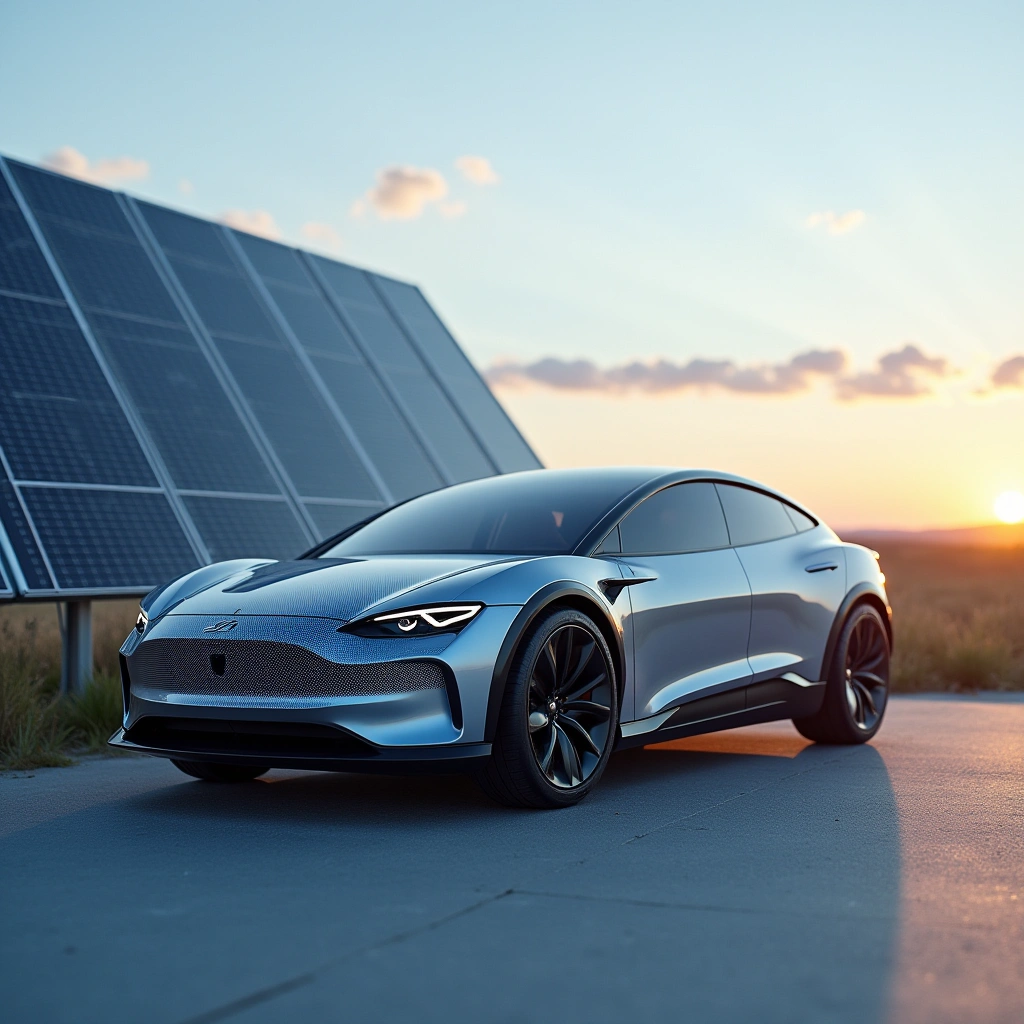
    Solar panel technology has changed significantly since its inception. When they first came onto the consumer scene, they were mostly limited to rooftop installations on buildings. However, their automotive industry application was a natural progression from rooftop solar as we march toward a more sustainable future. As solar technology advanced, solar arrays became smaller, more flexible, and more efficient. With these advancements, integrating them into electric cars gained traction, giving savvy automakers a promising solution to one of EV’s biggest struggles: overcoming driving range anxiet

    Congratulations! You’re officially part of the eco-friendly elite. With solar panels soaking up the sun’s rays and an electric car (EV) quietly gliding you around town, you’re already ahead of the curve in the quest for a greener planet. But as the saying goes, with great power (or in this case, solar power) comes great responsibility. So, what’s next on your journey to sustainability? Let’s dive in!

    1. Battery Storage: The Next Step in Your Energy Evolution

    Now that you’re harnessing the sun’s energy, why not store some of that power for when the sun decides to take a break? Investing in a home battery storage system can help you maximize your solar energy usage. This means you can power your home at night or during cloudy days without relying on the grid. Plus, you can feel like a mad scientist every time you charge your EV with your own stored energy. Just don’t try to build a lightning rod in your backyard; that’s a different kind of energy adventure.

    2. Home Energy Efficiency Upgrades

    You’ve already made fantastic strides, but why stop here? Take a good look at your home and consider energy-efficient upgrades. Think LED lighting, smart thermostats, and energy-efficient appliances. It’s like giving your home a mini makeover, but instead of a reality TV show, you get lower energy bills and a warm, fuzzy feeling knowing you’re saving the planet. Plus, who doesn’t want to brag about their energy-efficient dishwasher at parties?

    3. Electric Vehicle Charging Station

    If you haven’t already, consider installing a Level 2 EV charging station at home. This will allow you to charge your car faster, meaning you spend less time waiting around and more time showing off your electric ride. Bonus points if you can convince your friends that charging your car is just as exhilarating as filling up a gas tank. Spoiler alert: it’s not, but the bragging rights are worth it.

    4. Engage with Your Community

    Why not take your green journey a step further by engaging with your community? Join local environmental groups or initiatives focused on sustainability. You can share your experiences, learn from others, and maybe even inspire a few neighbors to hop on the solar bandwagon. Just remember, if you start wearing tie-dye and chanting about saving the planet, you might need to reassess your approach.

    5. Invest in Carbon Offsets

    You’re already doing great things, but if you want to take it up a notch, consider investing in carbon offsets. This means supporting projects that reduce greenhouse gas emissions, such as reforestation or renewable energy initiatives. It’s like buying a guilt-free dessert after a healthy meal—you get to feel good about your choices while also helping the planet. Plus, you can drop some eco-friendly jargon in conversations to impress your friends.

    6. Educate Yourself and Others

    Knowledge is power, folks! Keep learning about climate change, renewable energy, and sustainable living practices. The more you know, the more effectively you can advocate for change. Plus, you’ll have a wealth of information to share at dinner parties—because who doesn’t want to be that person who talks about the latest in solar technology?

    7. Consider a Sustainable Lifestyle

    Finally, why not consider adopting a more sustainable lifestyle? This might mean reducing waste, composting, or even switching to a plant-based diet. Every little bit helps, and you’ll be amazed at how many small changes can make a big impact. Just be prepared for the occasional eye roll from friends when you suggest they try a meatless Monday.

    In Conclusion

    So, there you have it! You’re already well on your way to being a climate warrior with your solar panels and electric car. By taking these additional steps, you can amplify your impact and maybe even inspire others to join the cause. Remember, it’s not just about being eco-friendly; it’s about making it fun, engaging, and maybe just a little bit competitive. After all, who doesn’t want to be the greenest person on the block? Happy greening!


    Inspired by: “I have solar panels and an electric car. What should I do next?” (r/climatechange)

  • Flu Shots: The Unsung Heroes of Winter

    Flu Shots: The Unsung Heroes of Winter

    One of the unsung heroes in the fight against the flu is herd immunity. When enough people in a community are vaccinated, the virus has fewer opportunities to spread. This helps protect not just those who get the shot, but also babies, elderly folks, and others who can’t be vaccinated or whose immune systems are weaker.

    Ah, flu season. That magical time of year when you can’t tell if it’s the weather getting colder or your co-workers spreading their germs like they’re handing out candy on Halloween. If you’ve been living under a rock (or in a bubble), you might have noticed that the flu is making its rounds again, and it’s not playing nice. But fear not, because the solution to this seasonal misery is as simple as a tiny needle in your arm: the flu shot.

    Let’s take a moment to appreciate the wonders of modern medicine. The flu shot isn’t just a jab; it’s your ticket to a winter with fewer sniffles, less couch time, and maybe even a chance to avoid the dreaded ‘flu face’ – you know, that look you get when you’re too sick to care what you look like.

    A recent post on Reddit from a Melbourne resident, who goes by the charming username Purple_Wombat, shared a little insight into their family’s flu saga. They mentioned that while they and their 3-year-old are managing with just a few sniffles and a fever, their partner and older child, who decided to skip the flu shot this year, are down for the count. Bedridden and miserable, they’re finally starting to feel better after days of suffering. Talk about a cautionary tale!

    Now, I get it. The flu shot isn’t at the top of everyone’s to-do list, especially when there are Netflix series to binge and social media to scroll through. But let’s be honest: how appealing is it to be bedridden, binge-watching your own misery instead of your favorite show? Spoiler alert: it’s not.

    Getting the flu shot is like putting on a raincoat before stepping out into a storm – it may not prevent every raindrop, but it sure does make things a lot less soggy. And let’s face it, no one wants to be that person who has to cancel plans because they’re too busy battling the flu. Plus, think of the guilt you’d feel while watching your friends have fun without you, all because you thought you were invincible (newsflash: you’re not).

    So, what’s the takeaway here? If you haven’t already, get your flu shot. It’s quick, it’s easy, and it might just save you from a week of feeling like a zombie. You might even inspire your friends to do the same, turning you into the health guru of your group. Who knew that a little prick could make you a trendsetter?

    In conclusion, don’t wait until you’re bedridden and miserable to consider the flu shot. Take a page from Purple_Wombat’s book and get ahead of the game. Your future self will thank you, and you’ll be able to enjoy winter without the constant worry of catching the flu. Plus, you’ll have more time to focus on the important things in life, like what to watch next on Netflix. Cheers to staying healthy this flu season!


    Inspired by: “Flu shots! Get your flu shots!!” (r/melbourne)