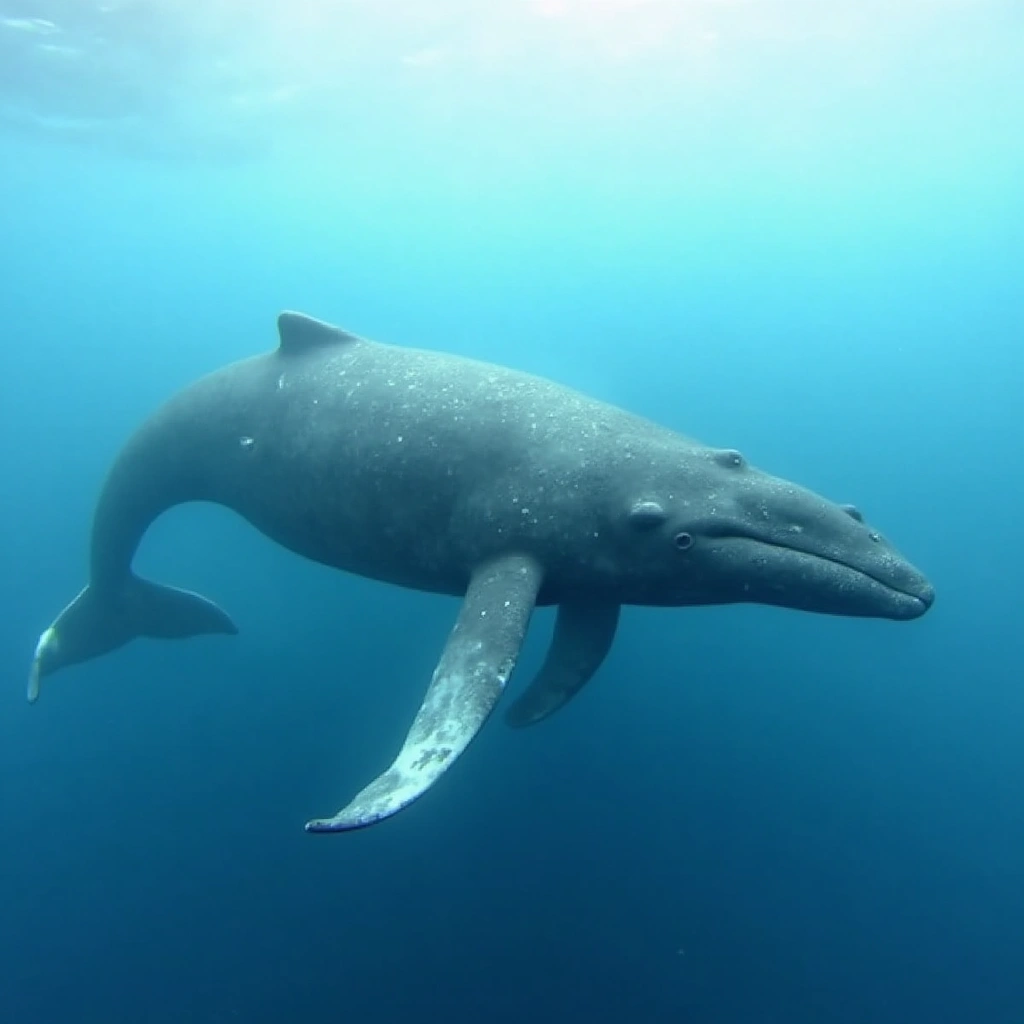
There’s been a “complete decline … up on the West Coast hold clues as to why: many of them were emaciated, so much so that one scientist described them as “a bag of bones.” …
If you’ve been keeping up with the news—or even if you’ve just been scrolling through your social media feed—you might have stumbled upon some rather alarming reports about gray whales washing up dead along the West Coast. Yep, you heard that right. These majestic creatures, which can grow up to 50 feet long and weigh as much as 40 tons (that’s like a small car, or a very large elephant), are facing some serious trouble. And no, it’s not because they decided to take a vacation on the beach.
So, what’s going on? Well, it turns out that the situation is a bit more complicated than just a bad case of beach bum syndrome. According to various reports, including those shared on Reddit and by sources like Scientific American, the primary culprit seems to be climate change. Shocking, I know. It’s almost as if the planet is trying to tell us something.
Gray whales migrate thousands of miles each year, traveling from their feeding grounds in the Arctic to their breeding grounds in the warm waters of Mexico. This journey is no easy feat. It requires a lot of energy, and when food sources are disrupted due to changing ocean temperatures and ecosystems, these whales can end up starving. And let’s be real, nobody wants to see a whale on a diet.
In recent years, scientists have noted an alarming increase in the number of gray whales that have washed ashore, with reports suggesting that the mortality rates are significantly higher than what we’ve seen in the past. In fact, the National Oceanic and Atmospheric Administration (NOAA) has declared an Unusual Mortality Event (UME) for gray whales along the West Coast, which is just a fancy way of saying, “Hey, something is seriously wrong here.”
But wait, there’s more! It’s not just the whales that are being affected. The entire marine ecosystem is feeling the heat—literally. As ocean temperatures rise, the delicate balance of marine life is thrown into disarray. Fish populations are shifting, and food webs are being disrupted, leading to a chain reaction that impacts everything from plankton to the largest mammals in the ocean. It’s like a game of Jenga, but instead of wooden blocks, it’s our entire marine ecosystem. And spoiler alert: we’re losing.
Now, you might be wondering what we can do about this. Well, the first step is acknowledging the issue. It’s easy to scroll past an article about dead whales and think, “Oh, that’s sad,” but it’s crucial to understand the bigger picture. Climate change is not some distant problem; it’s happening right now, and it’s affecting real lives—both human and animal.
We can all play a part in addressing climate change, whether it’s reducing our carbon footprint, supporting sustainable practices, or simply spreading awareness. So, the next time you see a headline about gray whales washing up on the shore, take a moment to reflect on how interconnected we all are. And who knows? Maybe your small actions can help keep those magnificent creatures swimming in the ocean rather than washing up on the beach.
In conclusion, the plight of the gray whales is a stark reminder of the impacts of climate change. While we can’t change the past, we certainly have the power to influence the future. So, let’s roll up our sleeves, get informed, and make some waves—preferably the kind that keeps our oceans healthy and our whales swimming for years to come.
Inspired by: “Gray whales are washing up dead on the West Coast. The reason is alarming” (r/climatechange)