Category: Human Interest

  • Heat Wave Survival: How Our Bodies Adapt and What We Can Do to Help

    Heat Wave Survival: How Our Bodies Adapt and What We Can Do to Help

    Introduction

    As summer approaches and temperatures start to soar, we often find ourselves asking the age-old question: “Why does it feel like I’m melting?” Well, it turns out our bodies are pretty nifty at adapting to extreme heat—kind of like a superhero, but without the cape. Let’s dive into how our bodies cope with the sweltering heat and what new methods might help those who struggle the most.

    The Body’s Built-In Air Conditioning

    First off, let’s talk about sweat. Yes, that lovely, glistening film that makes you feel like you just stepped out of a sauna after a tough workout (even if you were just binge-watching your favorite show). When temperatures rise, your body ramps up sweat production. This is your natural cooling system. As sweat evaporates from your skin, it takes heat with it, helping to cool you down.

    But here’s the kicker: Not everyone’s body can handle the heat equally. People who are older, have underlying health conditions, or are simply not used to high temperatures might find it harder to acclimate. And that’s where the new methods come into play.

    New Methods for Acclimatization

    Researchers are exploring innovative ways to help vulnerable populations adapt to rising temperatures. One method involves gradual exposure to heat, allowing the body to make those necessary adjustments over time. Think of it as training for your body to be a heat ninja.

    There’s also promising research on hydration strategies. Staying hydrated is crucial, but not just with water. Electrolytes play a role in keeping your body functioning optimally. So, when you reach for that sports drink, remember—it’s not just your excuse for drinking something that tastes like candy.

    Beyond Sweat: The Science of Acclimation

    Interestingly, acclimatization isn’t just about sweating more or drinking fluids. It’s a complex process that involves changes in your cardiovascular system, skin blood flow, and even how your body processes heat internally. For example, your heart rate might decrease as your body becomes more efficient at cooling itself.

    If you’ve ever wondered why people from hotter climates seem to handle the heat better, this is why! They’ve likely undergone years of gradual acclimatization. It’s like they have a secret climate club that we’re not part of.

    Why It Matters

    As climate change continues to crank up the thermostat, understanding how to help vulnerable populations acclimate becomes increasingly important. Heat-related illnesses are no joke, and they disproportionately affect the elderly, children, and those with health conditions. So, while we’re out there sipping iced coffee and enjoying the sun, let’s not forget about our neighbors who might be struggling.

    Conclusion: Let’s Get Acclimated

    In conclusion, our bodies are quite remarkable in their ability to adapt to extreme heat, but they can use a little help from science and community support. Whether through gradual exposure, hydration strategies, or simply checking in on those who might be at risk, there’s a lot we can do to ensure everyone can enjoy the summer sun without feeling like they’re about to spontaneously combust.

    So the next time you’re sweating buckets at a barbecue, remember: it’s not just you. Your body is working hard to keep you cool, and with a little help, we might just survive the next heat wave with our sanity—and our sense of humor—intact.


    Inspired by: “How the body adapts to extreme heat: New methods could help vulnerable people acclimate to higher t…” (r/climatechange)

  • Going Green: The World’s Largest Green Ammonia Facility and Its Impact

    Going Green: The World’s Largest Green Ammonia Facility and Its Impact

    According to the analysis, securing long-term, bankable offtake agreements is the most critical factor for de-risking the massive investments required. The partnerships mentioned, such as First Ammonia with Uniper and NEOM with Air Products, demonstrate how guaranteeing a buyer for the produced ammonia is essential for moving projects from the planning stage to financial commitment and operation.

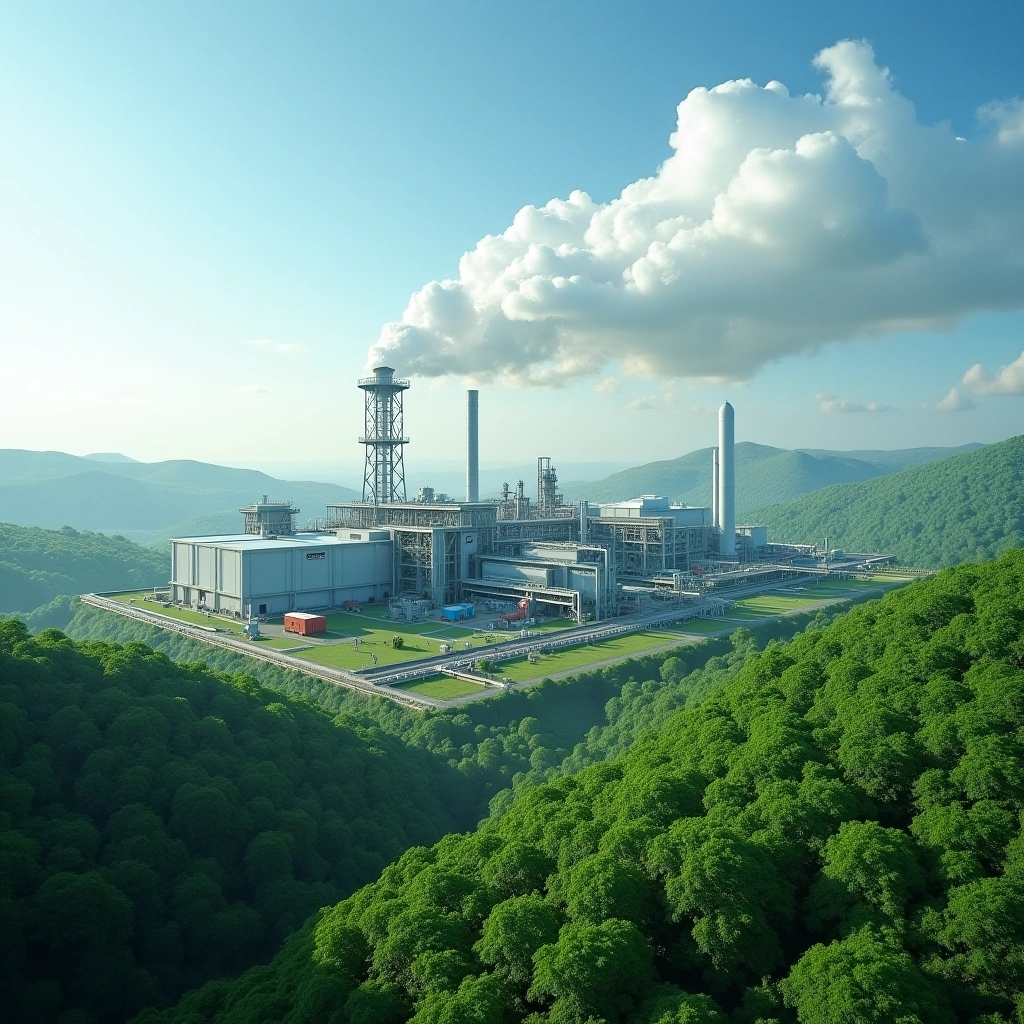
    When you hear the words “green ammonia,” you might picture a new eco-friendly cleaning product or perhaps a trendy drink at your local vegan café. But in reality, green ammonia is much more than that; it’s shaping up to be a key player in the fight against climate change. And guess what? The world’s largest facility dedicated to producing green ammonia is about to expand significantly. Yes, you heard that right! This means even more sustainable practices and less carbon emissions, which is something we can all cheer for.

    So, what exactly is green ammonia? In a nutshell, it’s ammonia produced through renewable energy sources, like wind or solar power, instead of the traditional fossil fuels that have been used for centuries. This isn’t just a minor upgrade; it’s like swapping out your old flip phone for the latest smartphone. The difference is staggering.

    Now, let’s talk numbers. The expansion of this facility is expected to save as much carbon as planting 92.5 million trees. Let that sink in for a moment. That’s not just a few trees in your backyard; that’s an entire forest’s worth of carbon offsetting! If you ever wanted a reason to feel good about industrial projects, this is it. Just imagine: while some people are busy planting their little saplings, this facility is doing the heavy lifting for us.

    But hold your applause for just a second. While it’s great to see such advancements, we should also keep a skeptical eye on how these facilities operate and their overall impact. Is this expansion truly sustainable? Will it lead to more significant environmental benefits, or is it just a shiny new toy for corporate PR? It’s essential to ask these questions because, let’s face it, not every ‘green’ initiative is as green as it claims to be.

    The facility’s expansion is set to bolster the production of green ammonia, which can be utilized in various applications – from fertilizers to energy storage. Yes, that’s right, folks! It’s not just about making the world a greener place; it’s also about feeding the world and powering it sustainably. Talk about a multitasker!

    In a world where climate change feels like a looming monster under the bed, every step towards reducing carbon emissions is a victory. The expansion of the world’s largest green ammonia facility is a testament to innovation and the potential for large-scale solutions to the climate crisis. So, while we might not be able to plant 92.5 million trees ourselves, we can certainly support initiatives that lead to vast reductions in carbon footprints.

    As we watch this facility grow, let’s stay hopeful but vigilant. The climate crisis is complex, and while one facility can’t save the world, it can certainly contribute to a larger movement. And who knows? Maybe one day, we’ll be able to look back and say that this was the moment we started turning the tide. Until then, let’s keep our fingers crossed and our eyes on the horizon. And maybe plant a tree or two while we’re at it – just in case.


    Inspired by: “The world’s largest green ammonia facility is about to expand significantly, will save as much carb…” (r/climatechange)

  • Why Electric Cars and Solar Power are Our Best Friends in the Energy Crisis

    Why Electric Cars and Solar Power are Our Best Friends in the Energy Crisis

    Fuel your car off that solar and your cost per mile drops toward zero . No pipeline, no pump, no rate hike. You now own your own power plant that isn’t dependent on the whims of megalomaniac world leaders.

    Alright folks, let’s talk about the elephant in the room—or should I say, the electric car in the driveway? With the energy crisis becoming more dramatic than a reality TV show plot twist, it’s time we consider how electric vehicles (EVs) and solar power can be our dynamic duo in this mess.

    First off, let’s address the energy crisis. You know, that thing that makes you cringe every time you check your energy bill? Prices are soaring, and it feels like we’re all just waiting for the next big spike that’ll have us questioning our life choices—like why we didn’t invest in a solar panel sooner.

    Now, enter electric cars. These beauties are not just about looking cool while you silently glide past gas stations. They’re also about reducing our dependence on fossil fuels, which is like breaking up with that toxic ex who keeps draining your energy (and wallet). EVs run on electricity, which can be generated from renewable sources like solar power. So, the more people who make the switch to electric, the less we rely on the oil market, which, let’s be honest, is about as stable as a house of cards in a windstorm.

    Speaking of solar power, let’s shine a light on this game-changer. Solar panels are becoming increasingly affordable and efficient. Remember the days when solar was a luxury? Now, you can slap some panels on your roof without having to take out a second mortgage. Plus, with the right setup, you can generate your own electricity and tell your energy company to take a hike. Who doesn’t want to feel like a superhero, saving the planet one solar panel at a time?

    Combining electric cars with solar power is like pairing peanut butter with jelly—just makes sense. Imagine charging your EV with energy generated right from your roof, while basking in the sun. It’s the ultimate win-win scenario. Not only do you save on gas and electricity, but you also get to feel like you’re doing your part for the planet. And let’s be real, that feels pretty good.

    Of course, there are challenges. Not everyone has the luxury of a sunny roof or the ability to buy an electric car (thanks, skyrocketing prices). But with technology advancing faster than you can say “renewable energy,” the future looks bright—pun intended. Governments are slowly waking up and offering incentives for EV purchases and solar installations, which is a step in the right direction.

    In conclusion, while the energy crisis may feel like a never-ending saga, electric cars and solar power are here to help us out. They’re not just a trend; they’re a necessity for a sustainable future. So, if you’re still on the fence about going electric or investing in solar, maybe it’s time to jump off that fence and take the plunge. Who knows, you might just save some cash and the planet in the process.

    And if nothing else, you’ll have a great conversation starter at parties—”Oh, you drive a gas guzzler? How quaint.”


    Inspired by: “Electric cars and solar are the hedge against this out-of-control energy crisis” (r/climatechange)

  • Welcome to the r/Melbourne Daily Discussion Thread: Your Go-To Spot for All Things Melbourne!

    Welcome to the r/Melbourne Daily Discussion Thread: Your Go-To Spot for All Things Melbourne!

    My real estate agent isn't doing it's thing/My rental property has problems/etc – Tenants Union Victoria · I would like to Buy/Swap/Sell something! I got a fine because myki! I need a job. I need to move! Where to find a share house to rent? – try GumTree or FlatMateFinders … If none of these were helpful, please use the Daily Random Discussion Thread to ask.

    Ah, Melbourne! The city that’s basically a love letter to coffee, culture, and unpredictable weather. If you’re a Melburnian or just someone who can’t resist the allure of the world’s most livable city (at least according to some rankings), then you’ve probably stumbled upon the r/Melbourne subreddit. And if you haven’t, well, you’re about to get a crash course on why it’s the place to be for your daily dose of Melbourne chatter!

    So, what’s the deal with the r/Melbourne Daily Discussion Thread? Imagine a cozy café filled with locals, sipping their flat whites, sharing stories, and debating whether pineapple belongs on pizza (spoiler: it doesn’t). That’s essentially what this daily thread is all about—a space for casual conversation, where new users and seasoned Redditors alike can dive into discussions about life in Melbourne.

    What You Can Expect in the Daily Thread

    The daily discussion thread is your one-stop shop for all things Melbourne. It’s like a virtual community board where you can ask questions, share experiences, or just chat about what’s happening in the city. Whether you’re looking for the best brunch spots (because let’s face it, brunch is a lifestyle here), wondering about upcoming events, or even trying to find the nearest blood donation center (thanks, Lifeblood Australia), this is the place to do it.

    And let’s not forget the special touch of acknowledging the Traditional Owners of the land. The r/Melbourne community takes this seriously, recognizing the ongoing connection that Aboriginal and Torres Strait Islander cultures have with the land, waters, and communities. It’s a reminder that while we may be bustling about our daily lives, we’re also part of a rich tapestry of history and culture.

    FAQs: What You’re Dying to Know

    Feeling a bit lost? Don’t worry! The daily thread is designed to help you navigate your way through the Melbourne experience. New users are especially welcome, and the FAQ section is your best friend. Got a burning question about where to find the best street art? Or maybe you want to know which tram to take to get to the MCG? Just drop your queries in the thread, and watch as fellow Melburnians rally to help you out!

    Tourist Tips Galore

    If you’re a tourist, you’re in luck! The daily thread is the recommended spot for all your touristy questions. Want to know if you should spend your time at Federation Square or the Royal Botanic Gardens? Or perhaps you’re curious about the best spots for Instagram-worthy photos? The locals are more than happy to share their insider tips, and who knows, you might even make a friend or two along the way.

    Community Spirit

    What really makes the r/Melbourne daily discussion thread special is the sense of community. It’s a place where you can share your thoughts on local events, discuss the latest news, or just vent about how the weather can’t seem to make up its mind (seriously, one minute it’s sunny, and the next, you’re caught in a downpour). The camaraderie among Melburnians is palpable, and it makes for some entertaining and insightful conversations.

    In conclusion, if you haven’t already, jump into the r/Melbourne daily discussion thread! Whether you’re a long-time local or just passing through, you’ll find a welcoming community ready to chat about everything from coffee shops to cultural events. So grab your laptop, a cup of your favorite brew, and join the conversation—because in Melbourne, there’s always something to discuss!


    Inspired by: “It’s the r/Melbourne daily discussion thread [Sunday 13/09/2026]” (r/melbourne)

  • The CO2 Conundrum: Blessing or Curse for Crops and Pathogens?

    The CO2 Conundrum: Blessing or Curse for Crops and Pathogens?

    Collectively, our results stress the notion that atmospheric CO2 impacts the balance between SA- and JA-dependent defenses and concomitant resistance against foliar (hemi)biotrophic and necrotrophic pathogens .

    Ah, carbon dioxide—the unsung hero of plant life and the arch-nemesis of climate stability. It’s the gas we love to hate, and for good reason. As our planet warms and CO2 levels rise, we’re left wondering: will this lead to a lush, tropical paradise or a breeding ground for pathogens? Let’s unpack this tangled web of science, speculation, and a sprinkle of sarcasm.

    First off, let’s tackle the notion that higher CO2 levels will make Earth more tropical. Historically, yes, there have been periods when CO2 levels skyrocketed and the Earth transformed into a verdant wonderland. We’re talking about lush rainforests, abundant wildlife, and maybe even some dinosaurs throwing a party (okay, maybe not that last part, but you get the idea). The theory suggests that with more CO2, we’ll see higher temperatures and increased rainfall—definitely a recipe for a tropical vibe.

    Now, if we assume that a more tropical Earth is in the cards, we can’t ignore the potential benefits for crops. Higher CO2 can indeed enhance photosynthesis, which in turn could lead to bigger, juicier yields. Imagine walking through fields of corn so tall and proud they practically wave at you. You’d need to invest in a ladder just to get a glimpse of the corn on top!

    But hold on a second! Before you start planning your tropical farm, let’s not forget that with great power comes great responsibility—or in this case, great pathogens. Warmer temperatures and increased humidity can create a perfect storm for pests and diseases to thrive. Think of it like giving your crops a double-edged sword; they might grow like they’re on steroids, but they’ll also attract every bug and fungus in the neighborhood.

    So, what’s the takeaway here? Higher CO2 levels might boost crop yields, but they also set the stage for an unwelcome invasion of pathogens. It’s like inviting a bunch of friends over for a barbecue and then realizing you accidentally invited that one friend who always brings a million mosquitoes.

    Additionally, we can’t overlook the role of oceans in this equation. They’re like nature’s air conditioner, absorbing excess heat and regulating temperatures. But they can only do so much. The balance is delicate, and as CO2 levels rise, we’re pushing that balance to its limits. It’s a bit like trying to balance a spoon on your nose while riding a unicycle—impressive if you can pull it off, but the odds are stacked against you.

    In conclusion, while the prospect of a more tropical Earth sounds enticing, it’s not all sun and surf. Yes, we could see increased crop yields, but those yields come with their own set of challenges, particularly in the form of pests and diseases. So, if you’re dreaming of a lush farm under the sun, just remember: every silver lining has a cloud. And in this case, that cloud might just be filled with spores and bugs ready to crash your tropical crop party.

    So the next time someone tells you that higher CO2 is a win for agriculture, remind them to consider the bigger picture. With climate change, it’s always a mixed bag, and we might just end up with a tropical paradise that’s a little too popular for our own good.


    Inspired by: “CO2 levels effect on pathogens and crop yield” (r/climatechange)

  • The AMOC Collapse: A Recipe for Global Food Shortages

    The AMOC Collapse: A Recipe for Global Food Shortages

    Subsequently, it rises from the … on climate change and agriculture and calls for urgent global action to avoid facing dire consequences like food shortages, displacement of coastal communities, and increased global warming ….

    Ah, the Atlantic Meridional Overturning Circulation, or AMOC for short. It sounds like the name of a fancy new cocktail, doesn’t it? But instead, it’s a crucial ocean current system that plays a significant role in regulating our climate. Now, imagine if this system decided to take an extended vacation—say, it just up and collapsed. Spoiler alert: it wouldn’t be pretty.

    According to some rather alarming research, if the AMOC were to collapse with our current food systems in place, we could be looking at a staggering 5.3% drop in global harvests of wheat, maize, and rice. That’s right, folks—your morning toast, dinner pasta, and the rice you love to pair with everything from sushi to stir-fry could become a rare luxury.

    Now, I know what you’re thinking. “5.3%? That doesn’t sound so bad!” But let’s break it down. Wheat, maize, and rice are staples that feed a good chunk of the world’s population. A little dip in production could lead to significant food shortages, soaring prices, and a lot of hangry people. And trust me, you don’t want to be around when the world’s population goes from mildly annoyed to full-on apocalypse mode over a lack of carbs.

    So, what exactly happens if the AMOC collapses? Well, the AMOC is responsible for transporting warm water from the tropics to the North Atlantic, which keeps our climates relatively stable. If it were to collapse, we’d see changes in weather patterns, which would likely lead to droughts in some areas and floods in others. It’s like Mother Nature’s way of saying, “I’m bored; let’s mix things up a bit!”

    Farmers depend on predictable weather patterns to grow their crops. If those patterns go haywire, you can bet your last piece of bread that crop yields would take a hit. And since wheat, maize, and rice are foundational to food security worldwide, this drop could have catastrophic effects on global food systems.

    Now, before you start stockpiling canned goods and building a bunker in your backyard, let’s talk about adaptation. While it’s easy to throw our hands up and declare doom, the research suggests that with proper adaptation strategies, we might just dodge the bullet. This could involve developing more resilient crop varieties, investing in sustainable farming practices, and improving irrigation systems to withstand the unpredictable weather.

    But here’s the kicker: adaptation takes time, money, and a whole lot of planning. And let’s be honest, we’re not exactly known for our stellar track record in long-term planning. It’s like trying to get a cat to take a bath—good luck with that.

    In conclusion, while the thought of an AMOC collapse is enough to make anyone want to curl up in a ball and binge-watch disaster movies, it’s crucial that we start taking this seriously. The future of our food systems hangs in the balance, and if we want to avoid a global food crisis, it’s time to get proactive rather than reactive. So, let’s raise a glass (of water, because we might be short on food soon) to the AMOC and hope it stays afloat—literally and figuratively.


    Inspired by: “Research projects that if the AMOC collapsed with today’s food system and without adaptation, globa…” (r/climatechange)

  • Florida’s Wastewater Dilemma: The Deep Dive into Injection Wells

    Florida’s Wastewater Dilemma: The Deep Dive into Injection Wells

    And he fears it will set a dangerous … The application for the well says waste from other industries could be injected in the well if the water quality "is acceptable" and there's enough space ….

    Ah, Florida—the land of sunshine, theme parks, and, apparently, a whole lot of wastewater. If you’ve ever wondered where all that lovely, uh, water goes after you flush, you’re in for a treat. Spoiler alert: it’s not going into the nearest alligator-infested swamp (at least, not directly). Instead, local governments are increasingly turning to deep injection wells as a solution. Let’s dive into this murky topic, shall we?

    First off, what exactly is a deep injection well? Think of it as a fancy toilet for wastewater. These wells are drilled deep into the ground, often thousands of feet below the surface, where the wastewater can be safely disposed of. It’s like sending your dirty dishes to a magical dishwasher that lives in the earth—out of sight, out of mind. Except, of course, it’s not quite that simple.

    In Florida, the situation is a bit more complicated. With a burgeoning population and a growing number of tourists (because who wouldn’t want to sweat profusely while enjoying a theme park?), the state generates a staggering amount of wastewater. And while recycling and treatment facilities do their best to manage it, sometimes the sheer volume is overwhelming. Enter deep injection wells, the state’s go-to solution for managing this overflow.

    But wait, isn’t injecting wastewater deep underground a little risky? You bet it is! Critics argue that while these wells can help manage wastewater, they also pose potential environmental hazards. There’s a fear that contaminants might migrate from these wells into underground drinking water supplies. It’s like hiding your dirty laundry in the attic, only to find out later that it’s been infested with mold. Not ideal, right?

    Furthermore, deep injection wells can sometimes lead to seismic activity. Yes, you heard that right. In some areas, the pressure from the injected wastewater can cause small earthquakes. So, if you’re planning a trip to Florida, be prepared for a little shake, rattle, and roll—just not in the way you’d expect.

    But don’t worry, local governments are on it! They’re working hard to monitor these wells and ensure that they’re not causing more harm than good. It’s like a game of whack-a-mole, constantly trying to keep the problems at bay. Plus, Florida has regulations in place to oversee the use of these wells, which is comforting, right? Just remember that regulations are only as good as the enforcement behind them.

    In conclusion, while deep injection wells may seem like a convenient solution to Florida’s wastewater woes, they come with their own set of challenges. As we navigate through climate change and increasing populations, it’s crucial that we consider more sustainable methods of dealing with wastewater. Maybe one day we’ll find a way to turn that dirty water into something useful, like clean drinking water or, I don’t know, a magical fountain of youth? Until then, let’s just hope our deep wells do their job without causing too much trouble.

    So next time you flush, just remember: it’s not gone forever—it’s taking a deep dive underground, hoping to avoid any alligators along the way.


    Inspired by: “Where Does Florida’s Wastewater Go? Local Governments Increasingly Turn to Deep Injection Wells” (r/climatechange)

  • NOAA Pulls the Plug on Arctic Report Card: What Does This Mean for Our Planet?

    NOAA Pulls the Plug on Arctic Report Card: What Does This Mean for Our Planet?

    For two decades, NOAA’s Arctic Report Card has tracked shifts across the land, atmosphere, ocean and ice, providing a comprehensive view of the health and changing conditions of this vital region .

    In a move that could make even the most seasoned climate scientists raise an eyebrow, the National Oceanic and Atmospheric Administration (NOAA) has decided to withdraw its support for the Arctic Report Card. You know, that handy little annual update that keeps us informed about the environmental changes in the Arctic—a region already heating up four times faster than the global average because, surprise, climate change is real and it’s not just a conspiracy theory concocted by your uncle at Thanksgiving.

    Now, you might be wondering, what on earth could possess NOAA to ditch a report that has been tracking crucial changes in the Arctic since 2006? Well, the agency’s communications director, Kim Doster, was rather tight-lipped about the reasons behind this decision. In a statement to the New York Times, she merely mentioned, “Coordination of the 2026 Arctic Report Card will not be facilitated through NOAA…” and emphasized that all data historically contributed by NOAA will still be collected and remain publicly available. So, at least there’s that.

    But let’s not kid ourselves—this is a big deal. The Arctic Report Card has provided invaluable insights into the region’s atmosphere, oceans, cryosphere, and tundra. It’s like the Arctic’s own Instagram account, complete with stunning before-and-after photos of glaciers melting and polar bears looking mildly concerned about their future. Over the last 20 years, the report has documented severe sea ice decline, carbon sink reversals, and ecosystem upheavals. In short, it’s been our canary in the coal mine, and now it’s been handed a pink slip.

    What does this mean for us, the average folks who are just trying to understand the science behind climate change without needing a Ph.D. in meteorology? Well, for starters, it means that without regular updates from NOAA, we might be left in the dark regarding the rapid changes happening in the Arctic. Imagine trying to navigate a ship through a foggy sea without a compass—sounds fun, right?

    The Arctic is particularly important to monitor because it plays a crucial role in regulating the global climate. With permafrost melting at an alarming rate, we’re not just talking about a little thaw here and there. We’re talking about a massive release of carbon dioxide and methane emissions that could turn the Arctic from a carbon sink (a place that absorbs carbon) into a carbon source (a place that releases carbon). And if that happens? Well, let’s just say it could lead to a runaway greenhouse effect that makes our current climate crises look like a mild inconvenience.

    Scientists estimate that the permafrost layer contains about 1,400 gigatons of frozen carbon—four times the amount humans have emitted since the Industrial Revolution. If that carbon escapes into the atmosphere, we could see global temperatures rise above the 1.5 degrees Celsius limit that we’ve been so desperately trying to avoid. Talk about a hot mess.

    Recent studies, including one funded by NASA, have shown that carbon emissions from winter soil are already surpassing carbon uptake in some areas. This raises the question: is this just a localized phenomenon, or are we witnessing a broader trend across the entire Arctic region? If it’s the latter, we might need to rethink our entire approach to the global carbon budget.

    So, what can we do about this? For starters, let’s keep our eyes peeled for any updates regarding the Arctic Report Card and continue to support scientific research that monitors these critical changes. After all, ignoring the problem won’t make it go away, much like that pile of laundry you’ve been avoiding for weeks.

    In conclusion, NOAA’s withdrawal of support for the Arctic Report Card is more than just a bureaucratic decision; it’s a signal that we need to pay even closer attention to the changes happening in the Arctic. If we want to keep our planet habitable for future generations, we need to stay informed, engaged, and maybe even a little bit outraged. Because if we don’t, we might just find ourselves living in a world where the only thing colder than the Arctic is our collective response to climate change.


    Inspired by: “National Oceanic and Atmospheric Administration in latest government rollback of climate science ac…” (r/climatechange)

  • Exploring the Enchantment of Melbourne Nights

    Exploring the Enchantment of Melbourne Nights

    This is the ultimate guide to exploring Melbourne at night. Enjoy a sunset cruise on the river, find hidden bars, see live music, and more!

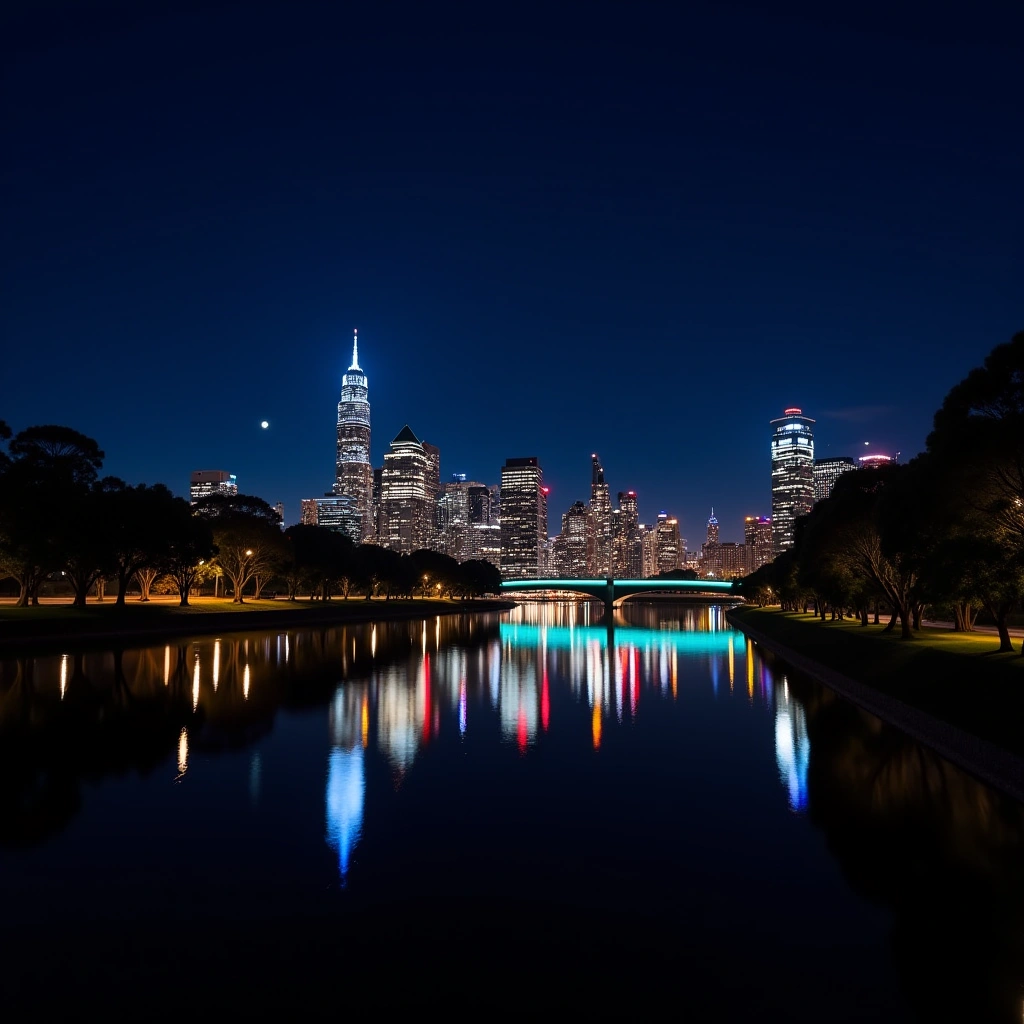
    Ah, Melbourne nights. If you’ve ever strolled through the streets of this vibrant city after the sun dips below the horizon, you know exactly what I’m talking about. The city transforms into a magical tapestry of lights, sounds, and delightful aromas that can only be appreciated when the sun says its goodbyes. Let’s take a virtual journey through the beautiful nights of Melbourne and discover what makes them so captivating.

    First off, let’s talk about the food. Oh, the food! Melbourne is a culinary haven, and when the night falls, the city really shows off its gastronomic prowess. You can find everything from trendy rooftop bars serving artisanal cocktails to cozy laneway cafes dishing out the best late-night snacks. I mean, who doesn’t want to munch on a gourmet pizza while perched on a rooftop, gazing at the glittering skyline? It’s practically a rite of passage.

    Speaking of rooftops, if you haven’t yet experienced the view from one of Melbourne’s many sky bars, what are you even doing with your life? The city lights twinkle like stars, and the horizon stretches out in a way that makes you feel like you’re on top of the world. Just make sure to bring your camera, because you’ll want to capture that perfect Instagram shot to make your friends back home jealous.

    Now, let’s not forget about the nightlife. Melbourne is known for its eclectic mix of bars, clubs, and live music venues. Whether you’re into jazz, rock, or something a bit more niche (like, I don’t know, interpretive dance music?), there’s a place for you. Just be prepared to navigate your way through the city’s labyrinthine streets—don’t worry, getting lost is half the fun! Plus, you might stumble upon a hidden gem that you wouldn’t have found otherwise.

    And then there’s the iconic Yarra River. As the sun sets, the river reflects the city lights, creating a stunning visual symphony. You can take a leisurely walk along the banks, rent a bike, or even hop on a river cruise for a more laid-back experience. Just remember to keep your wits about you—there are some very curious ducks who may try to join your cruise for some late-night bread.

    But it’s not all about food and fun. Melbourne nights also have a softer side. The city is home to many parks and gardens, which take on a serene atmosphere once the sun goes down. The Royal Botanic Gardens, for instance, can be quite enchanting under the moonlight. Just be careful not to trip over a rogue tree root while you’re busy admiring the scenery—trust me, it’s not as romantic as it sounds.

    Now, if you’re feeling a little artsy, Melbourne’s laneways are a treasure trove of street art that comes alive at night. Grab a friend, take a stroll, and marvel at the creativity that adorns the walls. Just don’t forget to take a selfie with your favorite piece—because if it’s not on social media, did it really happen?

    In conclusion, beautiful Melbourne nights are not just about the sights but the experiences that come with them. From the tantalizing food to the lively nightlife, and from serene parks to vibrant street art, there’s something for everyone. So, whether you’re a local or just visiting, make sure to embrace the magic of Melbourne after dark. And who knows? You might just discover your new favorite spot—or at least a good story to tell. Cheers to that!


    Inspired by: “Beautiful Melbourne Nights” (r/melbourne)

  • Melbourne Magic: Flags, Rainbows, and Good Vibes

    Melbourne Magic: Flags, Rainbows, and Good Vibes

    The Melbourne flag has 6 primary colors, which are red, white, gold, black, blue and green . The table below has the common and popular codes of these colors in HEX, RGB and CMYK formats along with Pantone (PMS), RAL and NCS (Natural Color System).

    Ah, Melbourne! A city that could make even the grumpiest of folks crack a smile. Recently, a delightful post popped up on Reddit showcasing a stunning scene: Aussie flags dancing in the foreground of a radiant rainbow waterfall in the sky. I mean, who doesn’t love a good combination of patriotism and nature’s artistry? It’s like Mother Nature decided to throw a party, and everyone was invited!

    The original poster, with all the enthusiasm of a kid on Christmas morning, expressed their hope that all Melburnians got to witness this picturesque moment. And honestly, who wouldn’t want to bask in such beauty? It was a day that felt like the very definition of the ‘most liveable’ vibes. You know, the kind of day where you look around and think, “Wow, I could totally live here forever—unless it rains, then I might reconsider.”

    What’s even more heartwarming about this scene is the backdrop of international sports fans buzzing through the city. Picture this: flags waving, laughter echoing, and the smell of fresh coffee wafting through the air. Sounds like a scene straight out of a feel-good movie, right? It’s almost as if the city decided to throw a massive block party, celebrating unity instead of division. Who knew that a rainbow could symbolize so much happiness?

    And let’s not forget about the food! In a city like Melbourne, you can practically trip over a trendy café or street food vendor every few steps. The original poster mentioned that the coffee and food were top-notch, which is really just code for “I had the best brunch of my life and I’m planning to write a love letter to my barista.” Because let’s be real, if you haven’t had brunch in Melbourne, did you even brunch?

    As the day drew to a close, the sight of that rainbow in the sky felt almost poetic. It was like a sign from the universe saying, “Hey, everything is going to be alright!” Or maybe it was just a reminder that rainbows come after rain—thank you for the life lesson, sky! Either way, it left many with happy faces and warm hearts, which is exactly what we need in this crazy world.

    So here’s hoping that Melbourne stays as is, with its vibrant culture, stunning scenery, and a community that knows how to come together. Let’s keep those flags flying and those rainbows shining, because if there’s one thing we can all agree on, it’s that a little positivity goes a long way. And who knows? Maybe the next time you look up, you’ll see another rainbow waterfall, reminding you that life is full of colorful surprises. Cheers to that!


    Inspired by: “It was an amazing sight to see Aussie flags flapping in the foreground of this rainbow waterfall in…” (r/melbourne)