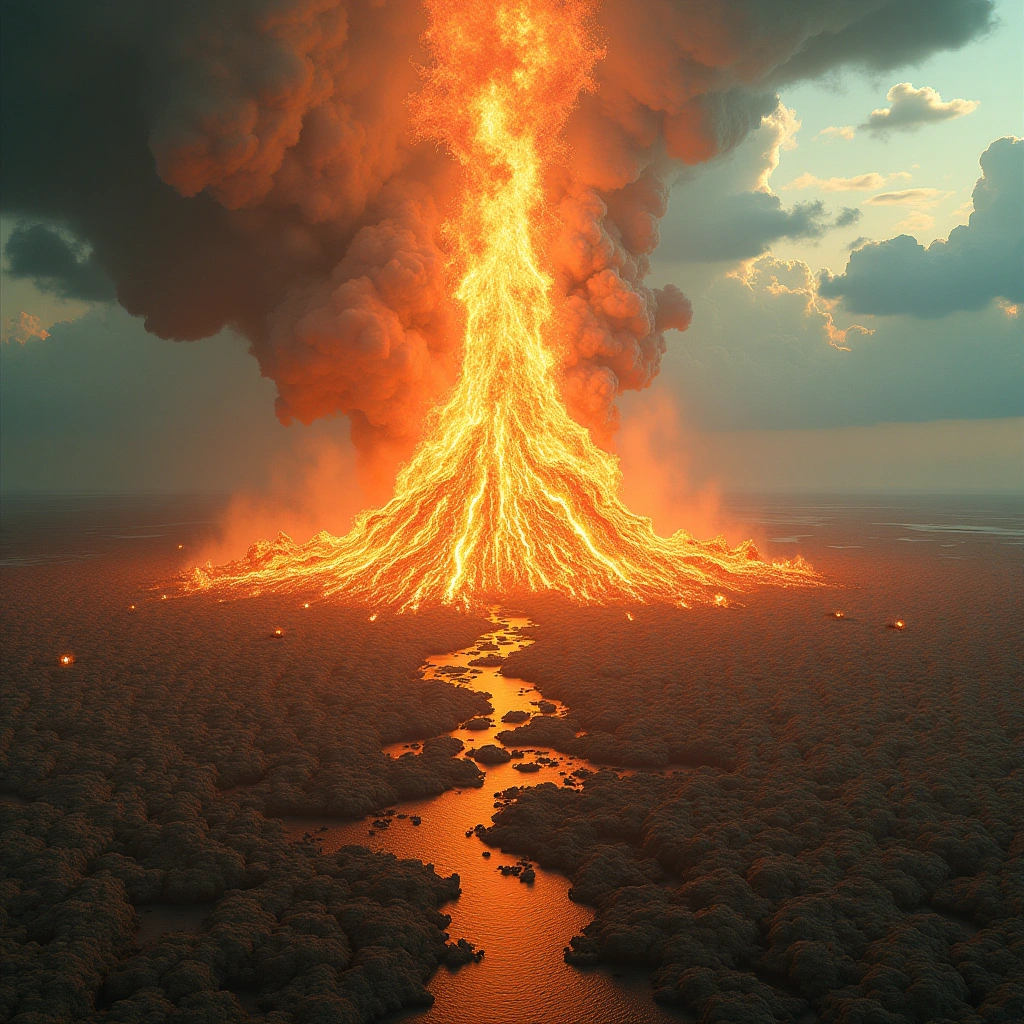
Subsequently, it rises from the … on climate change and agriculture and calls for urgent global action to avoid facing dire consequences like food shortages, displacement of coastal communities, and increased global warming ….
Ah, the Atlantic Meridional Overturning Circulation, or AMOC for short. It sounds like the name of a fancy new cocktail, doesn’t it? But instead, it’s a crucial ocean current system that plays a significant role in regulating our climate. Now, imagine if this system decided to take an extended vacation—say, it just up and collapsed. Spoiler alert: it wouldn’t be pretty.
According to some rather alarming research, if the AMOC were to collapse with our current food systems in place, we could be looking at a staggering 5.3% drop in global harvests of wheat, maize, and rice. That’s right, folks—your morning toast, dinner pasta, and the rice you love to pair with everything from sushi to stir-fry could become a rare luxury.
Now, I know what you’re thinking. “5.3%? That doesn’t sound so bad!” But let’s break it down. Wheat, maize, and rice are staples that feed a good chunk of the world’s population. A little dip in production could lead to significant food shortages, soaring prices, and a lot of hangry people. And trust me, you don’t want to be around when the world’s population goes from mildly annoyed to full-on apocalypse mode over a lack of carbs.
So, what exactly happens if the AMOC collapses? Well, the AMOC is responsible for transporting warm water from the tropics to the North Atlantic, which keeps our climates relatively stable. If it were to collapse, we’d see changes in weather patterns, which would likely lead to droughts in some areas and floods in others. It’s like Mother Nature’s way of saying, “I’m bored; let’s mix things up a bit!”
Farmers depend on predictable weather patterns to grow their crops. If those patterns go haywire, you can bet your last piece of bread that crop yields would take a hit. And since wheat, maize, and rice are foundational to food security worldwide, this drop could have catastrophic effects on global food systems.
Now, before you start stockpiling canned goods and building a bunker in your backyard, let’s talk about adaptation. While it’s easy to throw our hands up and declare doom, the research suggests that with proper adaptation strategies, we might just dodge the bullet. This could involve developing more resilient crop varieties, investing in sustainable farming practices, and improving irrigation systems to withstand the unpredictable weather.
But here’s the kicker: adaptation takes time, money, and a whole lot of planning. And let’s be honest, we’re not exactly known for our stellar track record in long-term planning. It’s like trying to get a cat to take a bath—good luck with that.
In conclusion, while the thought of an AMOC collapse is enough to make anyone want to curl up in a ball and binge-watch disaster movies, it’s crucial that we start taking this seriously. The future of our food systems hangs in the balance, and if we want to avoid a global food crisis, it’s time to get proactive rather than reactive. So, let’s raise a glass (of water, because we might be short on food soon) to the AMOC and hope it stays afloat—literally and figuratively.
Inspired by: “Research projects that if the AMOC collapsed with today’s food system and without adaptation, globa…” (r/climatechange)