Category: Human Interest

  • All Aboard the Steam Train: A Nostalgic Journey from Flinders Street to Ashburton

    All Aboard the Steam Train: A Nostalgic Journey from Flinders Street to Ashburton

    All aboard the Ashy Dasher! Step back in time and enjoy a classic heritage steam train experience, journeying from Ashburton to Flinders Street return .

    Ah, the steam train—those majestic iron beasts that seem to have been plucked straight out of a Victorian-era novel. If you’ve ever found yourself standing at Flinders Street Station, watching the hustle and bustle of modern trains, you might have wondered what it would be like to hop on a steam train and take a trip back in time. Well, this past weekend, the dream became a reality for many as a steam train made its way from Flinders Street to Ashburton.

    For the uninitiated, the journey on this magnificent machine isn’t just about getting from point A to point B; it’s about savoring the experience, inhaling the nostalgia, and perhaps getting a whiff of coal smoke that transports you to a simpler time. The sound of the whistle, the rhythmic chug-chug of the engine, and the sight of billowing steam can make you feel like you’re in an old-timey movie—minus the black-and-white filter, of course.

    As passengers boarded, you could see a mix of excitement and curiosity on their faces. Some were young families, eagerly introducing their children to the wonders of steam engines. Others were die-hard train enthusiasts, wearing hats that would make even the most fashionable Victorian blush. And let’s not forget the Instagram influencers, poised to capture every moment for their followers. Because if you didn’t post it, did it even happen?

    Once the train departed Flinders Street, the scenery began to change. The urban landscape of Melbourne gradually gave way to suburban charm. The trees whizzed by, and the chatter of excited passengers filled the air. Some took the opportunity to reminisce about train rides from their childhood, while others were just trying to figure out how to use the ancient bathroom facilities involved in such a vintage experience. Spoiler alert: it’s not as glamorous as it sounds.

    As we rolled into Ashburton, the excitement was palpable. Passengers disembarked with smiles, some clutching souvenir tickets like they were golden tickets to Willy Wonka’s factory. Ashburton itself is a quaint little suburb, often overlooked by the busy city dwellers. But on this day, it was transformed into a bustling hub of steam train enthusiasts and curious locals. You could almost hear the collective ‘oohs’ and ‘aahs’ as the train puffed its way into the station, leaving behind a cloud of steam and a trail of nostalgia.

    The event not only brought together train lovers but also offered a unique glimpse into Melbourne’s rich history. It’s easy to forget that trains played a pivotal role in the development of our city, connecting communities and making travel more accessible. So, while we may take our modern conveniences for granted, it’s important to appreciate the roots of our transportation system.

    In conclusion, if you ever get the chance to ride a steam train from Flinders Street to Ashburton—or anywhere else for that matter—don’t pass it up. It’s an experience filled with charm, laughter, and a hint of coal dust that you won’t soon forget. So grab your hat, your camera, and maybe a snack (because let’s face it, train food isn’t always gourmet), and prepare for a journey that’s as much about the ride as it is about the destination. Happy travels, fellow Melburnians!


    Inspired by: “The steam train today going from Flinders Street to Ashburton” (r/melbourne)
  • Navigating the Streets of Melbourne: The Rise of Elderly Chinese Immigrants

    Navigating the Streets of Melbourne: The Rise of Elderly Chinese Immigrants

    The Chinese people, or simply Chinese, are people or ethnic groups identified with China. Understandings of who is considered Chinese have shifted across time through social construction. People of Chinese ethnicity or ancestry who live outside Greater China may consider themselves overseas Chinese.

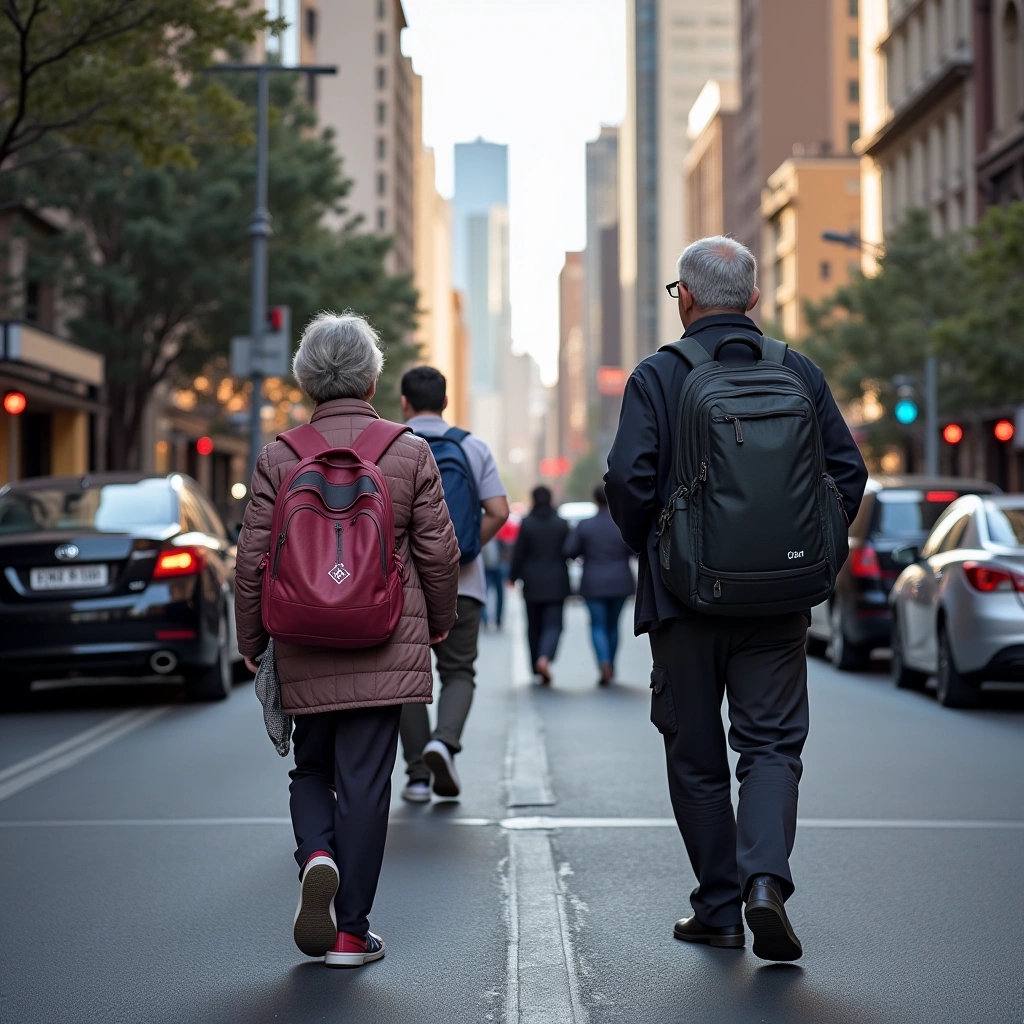
    If you’ve been wandering around Melbourne lately, you might have noticed a curious trend—an influx of elderly Chinese immigrants. It seems like they’ve decided that the Australian sun is the place to be in their golden years. Now, before you start picturing a bunch of retirees sipping cocktails on the beach, let’s take a deeper look at what’s really going on.

    First off, let’s chat about how this phenomenon has been observed by folks like our Reddit friend, VengaBusdriver37. Apparently, in their neighborhood, there’s been a noticeable uptick in elderly mainland Chinese immigrants. They’re often spotted getting assistance from the Salvos (that’s the Salvation Army for those not in the know), which might be a hint that they’re facing some challenges.

    One of the main struggles seems to be the language barrier. Imagine trying to navigate a new country and not being able to ask for directions because the only thing you can say is “hello” and “thank you”—which, let’s be real, only gets you so far. Our Redditor even mentioned that one elderly gentleman was trying to figure out his way using a Melways! For those unfamiliar, that’s a map book that was popular before smartphones took over our lives. It’s like trying to use a flip phone in a world of iPhones—bless his heart!

    Now, why are these elderly immigrants making the leap to Australia? Well, it could be a mix of factors. Perhaps they’re seeking a better quality of life, access to healthcare, or simply a change of scenery. It’s worth noting that Australia has a reputation for being a welcoming place, but that doesn’t mean it’s all sunshine and rainbows for new arrivals. The reality can be tough, especially for those who may not have the resources or support systems to help them settle in.

    It’s also been observed that some of these elderly immigrants are rummaging through bins for recyclables. Now, this might sound a bit alarming, but it’s not uncommon. Many are trying to make ends meet by collecting bottles and cans to take advantage of the container deposit scheme. It’s a resourceful way to earn a bit of money, but it does highlight the financial struggles that some of these immigrants face.

    I can’t help but chuckle at the image of someone wearing a head torch, scavenging through bins at night. It’s not exactly a glamorous retirement plan, but it’s a testament to their determination. They’re not just sitting back and waiting for life to hand them a bingo card; they’re out there making it work.

    So, what can we do about this situation? If you’re in the area and happen to cross paths with these immigrants, maybe try using Google Translate to strike up a conversation. Who knows, you might learn something new or at least share a laugh over the complexities of navigating a foreign country.

    In conclusion, the rise of elderly Chinese immigrants in Melbourne is a multifaceted issue that reflects broader trends in migration, adaptation, and the challenges many face when starting anew. It’s not just about the numbers; it’s about the stories behind them. So next time you see someone out there trying to make their way in this bustling city, maybe give them a nod of recognition. After all, we’re all just trying to find our way, one Melways at a time.


    Inspired by: “Influx of elderly Chinese immigrants?” (r/melbourne)

  • Heat Pumps: The Not-So-Quick Fix for a Cozy Home

    Heat Pumps: The Not-So-Quick Fix for a Cozy Home

    The laundry machine, color TV, the microwave – each generation has their life-changing home appliance. Ours? The humble heat pump. This simple appliance is quietly cleaning up pollution from the air in our homes while delivering next-level coziness. And while there’s no silver bullet climate solution, heat pumps come pretty close.

    So, you’ve heard the buzz about heat pumps and how they’re supposed to be the magic solution to your heating woes while saving the planet, right? Who wouldn’t want a cozy home that doesn’t come with the guilt of burning fossil fuels? But before you start picturing yourself in a warm, snuggly blanket, sipping hot cocoa while your eco-friendly heat pump hums away in the background, let’s dive into the reality of this situation. Spoiler alert: it’s not as easy as it sounds.

    First off, can we talk about the elephant in the room? Installing a heat pump isn’t just a matter of waving a magic wand and poof! You’ve got a brand-new heating system. Nope! It’s more like a long, drawn-out process that involves rewiring your entire house. Because, you know, why would we want something simple when we can have a mini-renovation project instead?

    And then there’s the cost. Ah yes, the sweet sound of your wallet crying in agony. After grants and subsidies, you might still be looking at quotes that make your eyes water—like 9 grand kind of water. I mean, I love my house, but I’m not sure I love it that much. It’s like the contractors are saying, “Sure, we can help you save the planet, but first, can we have your firstborn child?”

    But wait, there’s more! You can’t just slap a heat pump onto your house and call it a day. Oh no, that would be too easy. You’ve got to think about insulation. Because if your walls are about as insulated as a paper towel, all the heat pump magic in the world isn’t going to keep you warm. So, you’ll find yourself in a never-ending cycle of upgrades and renovations just to prepare for this so-called “easy swap.” It’s like preparing for a marathon when you thought you were just going for a jog.

    Now, let’s be real. It’s easy for policymakers and environmental advocates to say, “Stop burning gas, get a heat pump!” from the comfort of their homes, probably equipped with some high-tech heating system that they installed without any hassle. But for the average homeowner, it’s a different story. They’re left feeling like they’re being told to jump through hoops while everyone else is just sitting on the sidelines, sipping their lattes and watching the show.

    So, what’s the takeaway here? Heat pumps are great—eventually. But they aren’t a one-size-fits-all solution, and they certainly aren’t a quick fix. As much as we all want to be eco-warriors, we also need to be realistic about the costs, the disruptions, and the actual feasibility of making such a switch. For now, it seems like the heat pump revolution might just have to wait a little longer for the average homeowner.

    In the meantime, let’s keep the conversation going about affordable and practical alternatives. Because if we’re going to save the planet, we need to make sure everyone can join in the fun, not just those with deep pockets. Here’s to hoping for a future where heat pumps are as easy to install as ordering takeout. Until then, stay warm, and maybe keep that gas heater on standby—just in case.


    Inspired by: “I would like a heat pump, but I am not filthy rich” (r/climatechange)

  • Faith Kuya: The Engineer Making Waves with Solar-Powered Water Solutions

    Faith Kuya: The Engineer Making Waves with Solar-Powered Water Solutions

    DAR ES SALAAM: TANZANIAN engineer Faith Kuya has been shortlisted for the 2026 Africa prize for Engineering Innovation , joining a group of women engineers whose work is redefining how essential services such as water, healthcare, transport and …

    In the quest for clean drinking water, Tanzanian engineer Faith Kuya has stepped up to the plate with a brilliant innovation that’s turning heads and quenching thirsts. Enter the WaterBank: a solar-powered water filtering and desalination system that not only provides safe drinking water but also does so 24/7 for over 1,500 people each month. Yes, you read that right—24/7! That’s more reliable than your favorite coffee shop, and way less likely to run out of your preferred brew.

    Now, let’s talk about the importance of what Faith is doing. In many regions, access to clean water is as elusive as finding a parking spot in a crowded city. Waterborne illnesses are a serious issue, and it’s not just a minor inconvenience like losing your phone charger. According to local surveys from communities using the WaterBank, there has been a staggering 30% reduction in waterborne illnesses and a 43% drop in diarrhea cases. Yes, you heard me—43%! That’s a number that would make any statistician do a double-take.

    What’s the secret sauce behind the WaterBank? It’s all about harnessing the power of the sun. The system uses solar energy to filter and desalinate water, making it safe for consumption. This means it’s not just efficient, but also environmentally friendly. So while you’re sitting in your air-conditioned room, sipping on a bottled water brand that claims to be from the “purest springs,” Faith Kuya is out there saving lives and making the world a better place—talk about a reality check!

    Moreover, the WaterBank is designed to be sustainable and cost-effective. Faith has ensured that the system is easy to maintain, which is crucial for communities that may not have access to advanced technical support. It’s like having a car that runs on sunshine and doesn’t need a monthly trip to the mechanic—now that’s a dream come true!

    But let’s not forget the bigger picture here. Innovations like the WaterBank are not just about providing access to clean water; they’re about empowering communities and improving health outcomes. Clean water leads to healthier individuals, which in turn leads to more productive communities. It’s a beautiful cycle, really. And to think it all started with one engineer’s desire to make a difference.

    So, the next time you’re pouring yourself a glass of water, take a moment to appreciate the sheer brilliance of engineers like Faith Kuya. They’re not just creating machines; they’re creating hope and changing lives, one drop at a time. And who knows? Maybe one day, we’ll all be toasting to clean water in a world where everyone has access to it, thanks to innovations like the WaterBank. Cheers to that!


    Inspired by: “Tanzanian engineer Faith Kuya developed a solar-powered water filtering and desal system providing…” (r/climatechange)

  • The Amazon’s Fiery Surprise: Heat and Water Stress in Central North

    The Amazon’s Fiery Surprise: Heat and Water Stress in Central North

    Extreme temperatures in the Amazon have increased by at least 0.75°C a decade and more than 3.22°C since 1981. Average Amazon temperatures are rising at 0.21°C a decade, which is in line with global averages.

    So, it turns out that the lush, green Amazon rainforest isn’t just a paradise of biodiversity; it’s now also becoming a hotspot for extreme heat and water stress. Who knew that the Amazon could throw us such a curveball? If you thought your last summer was unbearable, just wait until you hear what’s happening in the Central North region of the Amazon.

    According to recent findings, this area is experiencing a startling increase in temperatures and a significant decrease in water availability. It’s like Mother Nature decided to crank up the thermostat and pull the plug on the water supply all at once. Thanks, Nature! We really needed that.

    Now, for those of you who might not be familiar, the Amazon rainforest is often referred to as the “lungs of the Earth” because it produces a substantial portion of our oxygen. But with extreme heat and water stress becoming more prevalent, it begs the question: how long can it keep breathing?

    The Central North region, which includes parts of Brazil, is facing a rapid rise in temperatures that would make even a polar bear sweat. The average temperature in this area has surged, making it one of the fastest-warming regions in the Amazon. Not only does this affect the local flora and fauna, but it also has serious implications for the indigenous communities who rely on the forest for their livelihoods. They’re not just battling the heat; they’re also dealing with the consequences of drought, which can lead to food and water shortages.

    And let’s not forget about the wildlife. Animals in the Amazon are already facing enough challenges, from deforestation to poaching. Now they have to contend with rising temperatures and dwindling water supplies. It’s like they’re in a bad reality show that just keeps getting worse. “Survivor: Amazon Edition” doesn’t sound like a fun time.

    The situation is alarming, and it’s not just a localized problem. The Amazon plays a critical role in regulating the Earth’s climate. As it continues to heat up and dry out, we could see ripple effects that extend far beyond its borders. Scientists are warning that this could lead to a tipping point, where the rainforest might start to emit more carbon dioxide than it absorbs. And if that happens, well, let’s just say it would be a real party pooper for our planet.

    So what can we do about it? First off, it’s essential to stay informed. Understanding the issues at hand is the first step towards making meaningful changes. Support conservation efforts, advocate for policies that address climate change, and maybe even consider reducing your carbon footprint. Every little bit helps, even if it’s just using a reusable water bottle instead of single-use plastics.

    In conclusion, the Central North region of the Amazon is facing unprecedented challenges with heat and water stress. It’s a stark reminder that climate change is not just a distant threat; it’s happening now, and it’s affecting some of the most vital ecosystems on our planet. So, the next time you’re sweating through a heatwave, just remember: it could be worse. You could be in the Amazon, where it’s not just hot, but also dry. Let’s hope we can turn things around before the Amazon decides to take a permanent vacation.


    Inspired by: “Unexpected Amazon hotspot: Central north faces fastest rise in extreme heat and water stress” (r/climatechange)

  • The Dangers Lurking in Our Roads: A Tragic Reminder

    The Dangers Lurking in Our Roads: A Tragic Reminder

    In 2023, the United States saw 40,901 lives lost on our roads, a stark reminder of the need to understand these underlying causes . Nationally, a significant portion of these fatal crashes, about 52%, involved a single vehicle.

    It’s a sad day when the news reads like a cautionary tale, but here we are. A motorcyclist tragically lost their life after hitting a pothole on the Western Highway in Victoria. Yes, you heard that right—potholes have claimed another victim.

    Now, I know what you might be thinking: “Wasn’t this just a bad luck moment?” Sure, we can chalk it up to chance, but let’s dig a little deeper into the real issue here—our roads.

    Potholes are like the ninjas of road hazards. They sneak up on you when you least expect it, and if you’re not careful, they can lead to serious consequences. For motorcyclists, these little craters in the asphalt can be especially dangerous. Unlike cars, which have a bit more metal to absorb the shock (and a whole lot more safety features), motorcyclists are pretty much exposed to the elements and any unforeseen bumps in the road.

    The unfortunate incident on the Western Highway is a stark reminder that we need to pay attention to the state of our infrastructure. It’s not just about dodging potholes; it’s about the ongoing maintenance of our roads. In a perfect world, our roads would be smooth, well-marked, and free of hazards. But in reality? Well, let’s just say our roads are more like a rollercoaster—thrilling for some, but deadly for others.

    Local authorities often scramble to patch these potholes as if they’re playing a never-ending game of whack-a-mole. One gets fixed, and two more pop up. It’s a bit like trying to keep your house clean while having a toddler and a puppy running around. Spoiler alert: it’s not going to happen.

    So, what can we do? First, we can advocate for better infrastructure. Yes, I know, writing a letter to the council may not seem as exciting as binging your favorite series, but it can actually make a difference. Let them know that we’re tired of dodging potholes like they’re some sort of obstacle course.

    Secondly, we can spread awareness. Talking about these issues in our communities can help elevate the discussion. And let’s be honest, if we can rally together to complain about the weather, we can surely muster up some energy to discuss road safety, right?

    In conclusion, the tragic loss of a life serves as a grim reminder that we can’t take our roads for granted. Next time you’re out there, whether you’re on two wheels or four, keep an eye out for those pesky potholes. And let’s work together to make our roads safer for everyone. After all, we can all agree that the only bumps we should be hitting are the ones in our favorite songs, not the ones in our roads.


    Inspired by: “Motorcyclist dies after hitting pothole on Western Highway in Victoria” (r/melbourne)

  • Melbourne Evenings: A Glimpse of Urban Magic

    Melbourne Evenings: A Glimpse of Urban Magic

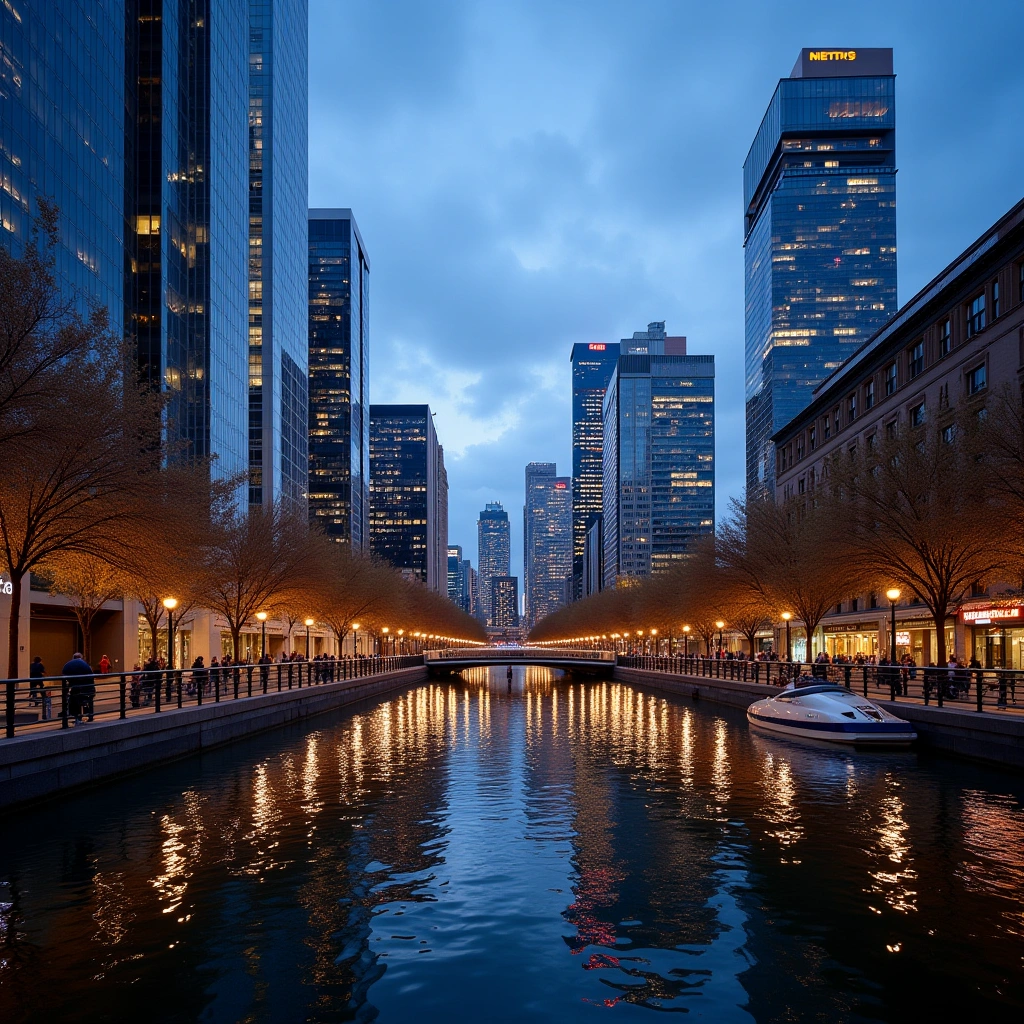
    At 297 meters high, this iconic tower offers a panoramic view of the illuminated city. From the top, you can admire the glittering skyscrapers and glimpses of the Yarra River running through the heart of Melbourne. Another must-see attraction is the National Gallery of Victoria during its evening hours.

    Ah, Melbourne! If there’s one thing that can be said about this vibrant city, it’s that it knows how to put on a show—especially in the evenings. Just the other day, a Redditor by the name of /u/butch97 shared a post that perfectly encapsulated this evening charm, exclaiming, “Looking amazing this evening Melbourne!” And honestly, who can argue with that?

    As the sun dips below the horizon and the sky transforms into a canvas of purples and pinks, Melbourne takes a deep breath and prepares for a night filled with life. Whether you’re a local or just visiting, there’s something undeniably captivating about the way the city lights flicker to life, illuminating the streets and inviting you to explore.

    First off, let’s talk about the iconic skyline. For those who haven’t had the pleasure of witnessing it, it’s like a scene from a movie—if that movie were set in a bustling metropolis filled with coffee shops and street art. From the Eureka Skydeck to the Arts Centre spire, the architecture here is nothing short of awe-inspiring. You could spend hours just staring at the buildings, but let’s be real: you’d probably get a crick in your neck and look a bit silly. So, maybe save that for the tourists.

    Now, if you’re feeling peckish (and let’s face it, who isn’t?), Melbourne’s food scene is a glorious adventure waiting to happen. The evening is the perfect time to hit up one of the many laneways that come alive with food stalls, quirky cafes, and lively restaurants. You could grab a gourmet burger, sample some authentic Italian gelato, or even indulge in some fancy fusion cuisine that you can’t quite pronounce but will definitely Instagram later. Just remember, no one enjoys a food coma, so pace yourself!

    And let’s not forget about the nightlife! Melbourne is known for its eclectic range of bars and clubs. Whether you fancy a quiet drink at a hidden speakeasy or a night of dancing like no one is watching, there’s something for everyone. Just don’t be that person who orders a fancy cocktail and then asks the bartender what’s in it. Trust me, they’ve seen it all and you’ll end up with a drink that looks like it belongs in a chemistry lab.

    As the night rolls on, you might find yourself wandering into a live music venue. Melbourne’s music scene is rich and diverse, ranging from indie bands in cozy corners to larger acts in grand theaters. There’s a certain magic in the air when you hear live music—something that makes you want to sway, sing, or at least bob your head in rhythm. Just be careful not to spill your drink on the person next to you while you’re getting lost in the music.

    So, next time you find yourself in Melbourne during the evening, take a moment to soak it all in. Whether you’re admiring the skyline, indulging in delicious food, or dancing the night away, remember that you’re part of a city that truly knows how to shine. And if you happen to catch a moment that makes you think, “Wow, this is amazing!” don’t forget to share it with the world—just like /u/butch97 did. Because let’s be honest, if you don’t post it on social media, did you really experience it?

    In conclusion, Melbourne evenings are not just amazing; they are a whirlwind of sights, sounds, and tastes that come together to create an unforgettable experience. So grab your friends, your camera, and maybe a snack or two, and dive into the magic that is Melbourne after dark!


    Inspired by: “Looking amazing this evening Melbourne!” (r/melbourne)

  • The Great Melbourne Electricity Bill Debate: How Much Are You Paying?

    The Great Melbourne Electricity Bill Debate: How Much Are You Paying?

    Residents in Melbourne, FL spend about $275 per month on electricity based on utility bills shared with EnergySage—that translates to $0.16 per kWh of electricity, roughly 23% lower than the national average of $0.21/kWh. These costs add up: Over 25 years, you'll pay about $97,500 for electricity.

    Ah, the joys of living in Melbourne! The coffee culture, the vibrant arts scene, and, of course, the ever-increasing electricity bills. If you’re living in a cozy two-bedroom apartment like our friend from Reddit, you might be feeling the sting of those monthly charges, especially during the winter months. Let’s dive into what’s really going on with our electricity bills and whether there’s anything we can do about it.

    So, our Redditor, who we’ll refer to as ‘Official Hunt’ (because why not?), is shelling out a whopping $300 a month during winter. That’s right, $300! It’s like paying for a fancy dinner every month, only this dinner doesn’t come with dessert. Their biggest culprits? Space heaters. Apparently, in a 70s build apartment, air conditioning is a luxury that’s just not on the menu.

    Now, let’s break this down. First off, space heaters are like that friend who always shows up uninvited and eats all your snacks. They’re great in a pinch, but when you look at the damage they can do to your wallet, it’s enough to make you reconsider your life choices. And then there’s the summer and spring months, where they’re still paying around $200 a month. I don’t know about you, but I’d like to think that summer means a break from high bills, not a continuation of the financial drain.

    The question on everyone’s lips is: how much are we all paying? Well, it seems like the electricity bill is a bit of a hidden secret among Melburnians. Some folks might be paying less, while others are probably crying into their pillows every night, wondering how they can afford to keep the lights on. It’s a bit of a lottery, really.

    If you’re living in Melbourne and have a similar setup, it might be worth checking in with your neighbors (and maybe even sharing a bottle of wine) to see what they’re paying. Who knows, you might discover a secret society of electricity bill savers who have cracked the code on reducing their bills.

    And for those looking to switch providers, it’s like dating in the modern world. You swipe left on the high bills and swipe right on a better deal. There are plenty of options out there, and some people have had success switching providers. Just make sure you read the fine print – you don’t want to end up in a worse situation than you started.

    In conclusion, electricity bills in Melbourne are a topic that can spark (pun intended) some heated discussions. Whether you’re paying $300 or $200 a month, it’s always good to share your experiences and tips with one another. After all, in this city, we’re all in it together – battling the elements, the bills, and sometimes, our sanity! So, how much are you paying? Let’s hear it, Melbourne!


    Inspired by: “How much are you blokes paying for electricity?” (r/melbourne)

  • Navigating the World of Dodgy Tradies: A Cautionary Tale

    Navigating the World of Dodgy Tradies: A Cautionary Tale

    Finally, when I did manage to speak to him, in fact, not only was I quoted a different price for a CCTV inspection, I also learnt that Judith was short-changed on the supposed services provided. Sadly, her naivety in this situation made her vulnerable to be taken advantage of by unscrupulous tradies.

    Ah, the age-old tale of the dodgy tradie. You know the type: they promise the world, take your money, and then vanish faster than your willpower at an all-you-can-eat buffet. If you’ve ever found yourself in a situation where you’re staring at a half-finished bathroom or, worse, a tradie who has ghosted you, you’re not alone. Let’s dive into this cautionary tale, as told by a Reddit user who learned the hard way.

    So, here’s the scoop: our Reddit hero, let’s call them “Hann711” (because that’s what they go by), decided to hire a tradie for a job. They forked over a 50% deposit, which, in hindsight, is probably a little like giving someone half of your lunch money before they’ve even promised you a sandwich. The tradie, being a real gem, insisted it was a cash job. No invoice, no contract. Just a couple of texts. Classic move, right?

    Now, before you start throwing judgment like confetti, let’s remember that we’ve all been there. We’ve all made questionable decisions. Maybe you thought that last slice of pizza wouldn’t go straight to your hips, or that wearing white after Labor Day was a good idea. We all have our moments. But here’s where things get dicey: the tradie didn’t deliver. Surprise, surprise!

    Hann711 found themselves in a position where their texts were ignored, the promises were forgotten, and the tradie had apparently won the lottery and decided to retire early. It’s like they went on a permanent holiday—just without telling anyone. And what’s worse? When Hann711 reached out to Consumer Affairs Victoria, it was like sending a message in a bottle. No response, no hope.

    So, what can we learn from this unfortunate saga? First off, always get a contract! I mean, it’s 2023, folks. You wouldn’t buy a car without a receipt, would you? A contract protects you and ensures that both parties are on the same page. It’s like a prenup for your home renovations. You might not think you need it, but trust me, it’s better to have it and not need it than to need it and not have it.

    Secondly, if a tradie starts talking about cash jobs and avoids giving you an invoice like it’s the plague, that’s a red flag bigger than a bull in a china shop. It’s not a good sign. Sure, cash jobs can be convenient, but they often come with a side of dodginess. Remember, if it’s too good to be true, it probably is.

    Now, if you find yourself in the unfortunate situation that Hann711 is in, what are your options? Here’s a quick checklist:

    1. Document Everything: Keep all texts, messages, and any evidence of your transaction. You may feel like a detective, but trust me, your future self will thank you.

    2. Contact Consumer Affairs: If you haven’t done so already, reach out to your local consumer affairs office. They may not be a magic wand, but they can provide guidance on your next steps.

    3. Consider Small Claims Court: If all else fails and you have a solid case, you might have to take it to small claims court. Just remember to bring your A-game and all that documentation you’ve been hoarding.

    4. Spread the Word: Share your experience with friends, family, and even on social media. It might help someone else avoid the same fate.

    In conclusion, dealing with a dodgy tradie is no walk in the park. It’s more like a stroll through a minefield while wearing blindfolds. But with a little caution, some savvy decision-making, and a good dose of humor (because if you don’t laugh, you’ll cry), we can all navigate this tricky terrain. So, the next time you’re tempted to go the cash job route, just remember Hann711’s story. And maybe keep your guard up. You never know when a dodgy tradie might come knocking at your door.


    Inspired by: “Has anyone dealt with a dodgy tradie?” (r/melbourne)

  • Power Poles: The Unsung Heroes of Melbourne’s West

    Power Poles: The Unsung Heroes of Melbourne’s West

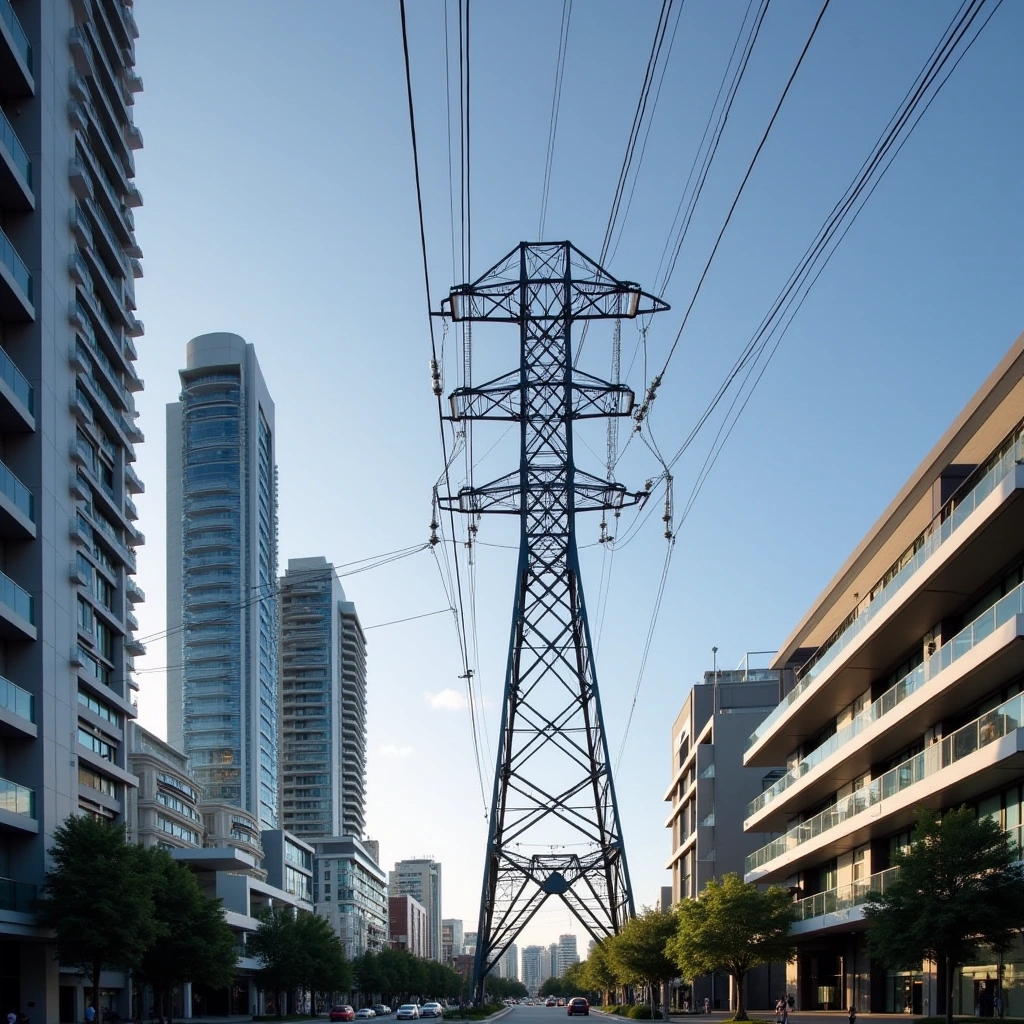
    Dylan McConnell, an energy systems researcher at the University of New South Wales, said typical street power poles were usually far lower voltage than those being installed in Yarraville and West Footscray.

    Ah, the power pole. That towering piece of infrastructure that we often take for granted. You know, the one that stands stoically on the side of the road, silently judging us as we speed by, clutching our coffees, completely oblivious to the fact that it’s actually doing some pretty important work. Recently, a post on Reddit caught the attention of many Melbourne locals, titled “Power pole works in the West.” Intrigued? Let’s dive into why these poles deserve a little more love.

    First off, let’s establish what a power pole actually does. You might think it’s just a glorified stick that holds wires up high enough so they don’t get tangled in our hair as we ride our bikes. But no! These poles are the backbone of our electrical grid, carrying the vital power that keeps our lights on, our fridges cold, and our Netflix binges uninterrupted. So, next time you find yourself staring at one, give it a nod of gratitude. It’s doing more than you know.

    Now, let’s talk about the specific context of Melbourne’s West. This area has seen its share of developments and challenges over the years. With a growing population and increased demand for energy, the power poles in the West have been working overtime. According to the Reddit post, users shared their experiences and observations about how well the power infrastructure has held up, even during peak usage times. I mean, when was the last time you heard someone complain about a power pole? They’re like the unsung heroes of our urban jungle!

    But hold on a second—let’s not get too sentimental. While we’re thanking these poles, we also have to acknowledge the occasional hiccup. Remember that time when half the West was plunged into darkness because of a storm? Yeah, good times. But hey, even the best of us have our off days, right? It’s not like we can blame the power pole for a bit of wind. It’s not a superhero, after all.

    As Melbourne continues to grow, the conversation around infrastructure, including power poles, becomes increasingly important. Are they sufficient for our needs? Are they positioned correctly? And most importantly, are they stylish enough? I mean, have you seen some of the designs they have in other countries? They’ve got these sleek, modern poles that look like they belong in a sci-fi movie. Meanwhile, we’ve got our good old wooden poles that look like they’ve been standing since the gold rush. But hey, maybe that’s part of their charm?

    In conclusion, the Reddit discussion about power poles in Melbourne’s West highlights an often-overlooked aspect of our daily lives. These poles work tirelessly behind the scenes, ensuring we have the energy we need to power our lives. So, the next time you pass one, maybe give it a little wave. It’s not just a pole; it’s a vital part of our community! And who knows, it might just wave back… or not, because, you know, it’s a pole.

    So here’s to the power poles of Melbourne—may they continue to stand tall and serve us well, even if they don’t get the recognition they deserve. Cheers!


    Inspired by: “Power pole works in the West” (r/melbourne)