Category: Health

  • The Ultimate Guide to Training: From Couch Potato to Fitness Guru

    The Ultimate Guide to Training: From Couch Potato to Fitness Guru

    Hey there, fitness enthusiast (or couch potato, no judgment here)! So, you’ve stumbled upon the world of training, and you’re wondering how to transform yourself from a snack-loving sloth into a toned, athletic machine. Spoiler alert: it involves more than just binge-watching workout videos while munching on chips. Let’s dive into the nitty-gritty of training, shall we?

    First things first, let’s talk about what training actually means. It’s not just a fancy term for sweating profusely while trying to lift weights that are clearly too heavy for you. Training is a structured approach to improving physical performance, and it can range from strength training, endurance workouts, flexibility routines, and even sport-specific drills. Remember, it’s all about getting better, not just sweating like a pig at a sauna party!

    Now, before you lace up those sneakers and head to the gym, let’s chat about goals. What do you want to achieve? Are you looking to lose weight, build muscle, or just impress your friends with your newfound ability to do a handstand? Write those goals down! A goal without a plan is just a wish, and we all know how well wishes work—remember that time you wished for a unicorn? Yeah, me neither.

    Once you have your goals in place, it’s time to pick a training program. There are a million and one options out there, which can feel overwhelming. Do you go for that trendy Pilates class, or should you stick to good ol’ strength training? Here’s a tip: try a bit of everything! Variety is the spice of life, and it helps prevent the dreaded workout boredom. Plus, who wouldn’t want to be able to say they’ve tried Zumba, kickboxing, and yoga all in the same week?

    And let’s not forget about the importance of a proper warm-up and cool-down. You wouldn’t jump into a cold pool without checking the temperature first, right? (Unless you’re a thrill-seeker, in which case… you do you!) Warming up prepares your muscles for the workout, while cooling down helps you avoid that delightful post-workout soreness that makes you feel like a rusty robot the next day. No one wants to walk like they just got off a horse after leg day!

    Now, let’s talk about nutrition because, let’s face it, you can’t out-train a bad diet. Sure, you can crush a workout, but if you’re following it up with a gallon of ice cream, you might as well be training for a marathon in eating. Fuel your body with the goodness it deserves. Think lean proteins, colorful veggies, and whole grains. And hey, treat yourself once in a while—because life’s too short to say no to pizza!

    Finally, remember that training is a journey, not a sprint (unless you’re training for a sprint, of course). There will be ups and downs, good days and bad days, and possibly a few moments where you question why you ever thought this was a good idea. Don’t be too hard on yourself! Celebrate the small victories, like finally being able to do a push-up without collapsing into a heap. You got this!

    So, whether you’re a seasoned pro or just starting, training can be an exciting adventure. Embrace the sweat, enjoy the journey, and remember: every expert was once a beginner. Now go out there and make those gains (or at least some hilarious memories along the way)!


    Inspired by: “Training” (r/interestingasfuck)

  • The Curious Case of Chinese High School Students and Amino Acid IV Drips: A Trend or a Health Craze?

    The Curious Case of Chinese High School Students and Amino Acid IV Drips: A Trend or a Health Craze?

    Hey there, curious minds! Today, we’re diving deep into an intriguing phenomenon that’s making waves in China – high school students hooked up to amino acid IV drips. Yes, you read that right! It sounds like something straight out of a sci-fi movie, but it’s happening in real life. So, grab your favorite snack and let’s unravel this mystery together!

    First off, let’s address the elephant in the room: what on Earth are amino acids doing in IV drips for teenagers? Typically, amino acids are the building blocks of proteins, crucial for muscle growth and overall health. But now, they seem to be the secret weapon for these students battling the stress of exams. Think of it as their version of a superhero cape – but instead of saving the world, they’re just trying to save their GPA!

    Now, you might be wondering, “Is this even safe?” Well, safety is a relative term when it comes to academic pressure in China. With a competitive education system that would make even the most seasoned marathon runners break a sweat, students are feeling the heat. And what better way to boost performance than with a quick infusion of nutrients? Sure, why not add a sprinkle of IV therapy into the mix? Because who needs a balanced diet when you have a drip?

    Interestingly, this trend has sparked a heated debate. Some experts argue that while amino acids can be beneficial for recovery and repair, the over-reliance on IV drips might just be a band-aid on a larger issue: the mental and physical toll of the education system. Others, however, have embraced this trend, seeing it as an innovative way to help students cope with the pressures of school. It’s the classic divide between “Why not just eat a chicken breast?” and “I’ll take my nutrients in a more futuristic way, thank you very much!”

    And let’s not forget the social media factor! Pictures of students with IV drips have gone viral faster than you can say “academic pressure.” They’re sharing their experiences online, often with a dose of humor. One student posted, “Forget about coffee, I’m getting my energy straight from the source!” – a sentiment that resonates with many caffeine-fueled teenagers. But, while it makes for a funny post, it does raise questions about normalizing such extreme measures.

    In conclusion, while the trend of high school students getting amino acid IV drips may seem bizarre, it’s a symptom of a much bigger issue: the relentless pursuit of academic excellence. Whether it’s a revolutionary approach to education or a questionable shortcut, one thing’s for sure – it’s certainly a conversation starter!

    So, what do you think? Are we heading into a future where IV drips become the norm for students? Or should we pump the brakes and focus on healthy study habits instead? Let’s chat in the comments, and remember, whether you’re dripped or not, you’re still a superstar in your own right!


    Inspired by: “More Photos of Chinese High School Students Hooked Up to Amino Acid IV Drips (with source)” (r/interestingasfuck)

  • Mr. Cig: The Mascot Who Gave Free Cigarettes to Hospital Patients – A Puzzling Piece of History

    Mr. Cig: The Mascot Who Gave Free Cigarettes to Hospital Patients – A Puzzling Piece of History

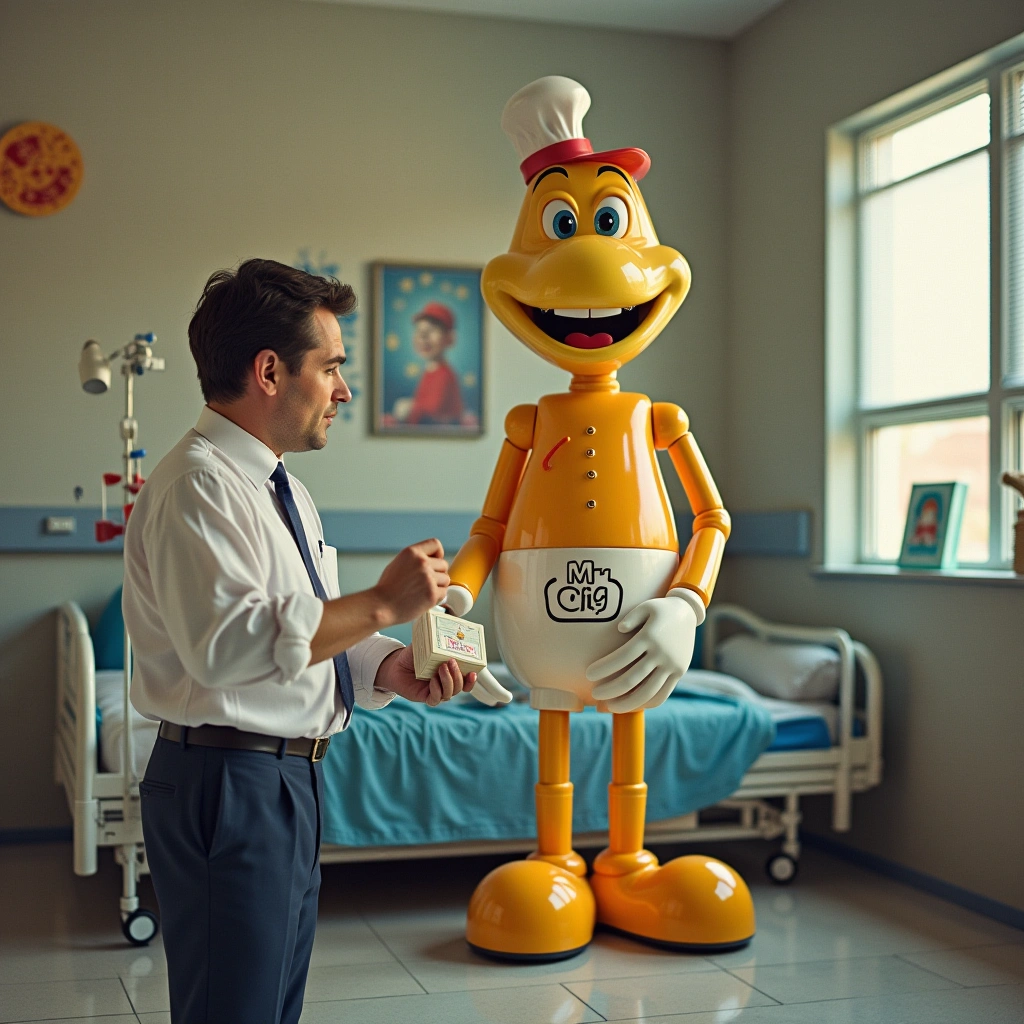
    Ah, the good ol’ days of the late 1940s! When people thought that smoking was a glamorous activity, and mascots were not just for sports teams but also for health facilities. Yes, you read that right! In 1948, Mr. Cig—yes, that’s a real thing, folks—decided it was a good idea to hand out free cigarettes to patients at hospitals in England. Talk about a plot twist! It’s like giving candy to kids but with a side of lung cancer.

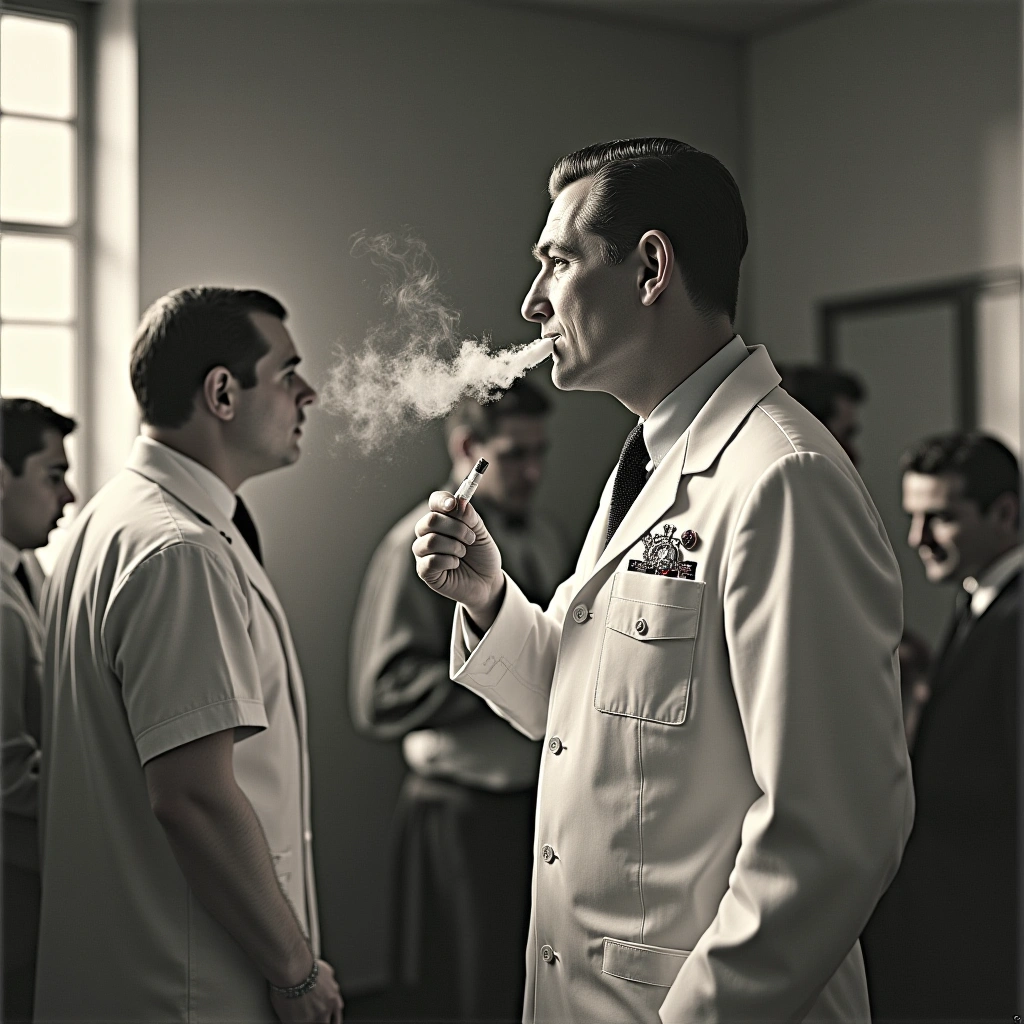
    Now, let’s dive into this bizarre chapter of history. Back in the day, smoking was not just acceptable; it was almost encouraged. Doctors were puffing away like it was a new form of yoga. Imagine a doctor in a white coat, stethoscope dangling, casually blowing smoke rings while discussing your diagnosis. If you think about it, it’s a miracle that anyone survived the 1940s! The irony here is that while hospitals were meant to heal, they were also handing out the very thing that could lead to a lifetime of doctor visits. It’s almost as if they were saying, “Here, take two cigarettes and call us in the morning!”

    Mr. Cig was not just any mascot; he was a marketing gimmick that perfectly encapsulated the era’s misguided perceptions about health and wellness. The logic was simple: if you smoke, you’re cool, and if you’re in a hospital, you need a little bit of that coolness to make your stay a tad more bearable. Who wouldn’t want to be the only one in a hospital gown, puffing away and looking like James Dean? It’s the kind of rebellion that would make your grandma clutch her pearls!

    But before we get all misty-eyed about this quirky piece of history, let’s not forget the darker side. While Mr. Cig was busy promoting his cancer sticks, medical professionals were still grappling with the devastating effects of tobacco. The health risks were becoming clearer, but it was a slow burn (pun intended). Meanwhile, the tobacco industry was raking in profits faster than you can say “secondhand smoke.”

    Fast forward to today, and we’ve come a long way. Hospitals are now more likely to hand out pamphlets on quitting smoking than free packs of cigarettes. Can you imagine the uproar if someone tried to pull a Mr. Cig today? Social media would explode faster than you can say “Nicotine!” People would be outraged, hashtags would trend, and petitions would fly around like confetti at a New Year’s Eve party.

    So, what’s the takeaway from this rather absurd slice of history? Well, it’s a reminder that societal norms evolve, and sometimes what seems completely ludicrous today was once considered normal. If anything, Mr. Cig is a quirky mascot that serves as a humorous reminder of how far we’ve come in understanding health—at least until someone decides that the next big health trend is “vaping in hospitals.”

    In conclusion, let’s raise a glass (of water, please) to the bizarre antics of Mr. Cig and the lessons learned from a time when smoking was the ultimate cool factor—even in hospitals! Who needs healing when you can have a cigarette, right? Cheers to progress, my friends!


    Inspired by: “"In 1948, Mr. Cig, the Mascot, Handed Out Free Cigarettes to Patients at Hospitals in England"” (r/interestingasfuck)

  • The Wild World of Mr. Cig: When Hospitals Gave Out Free Cigarettes in 1948

    The Wild World of Mr. Cig: When Hospitals Gave Out Free Cigarettes in 1948

    Ah, 1948! A time when the world was still recovering from the chaos of World War II, rock ‘n’ roll was just around the corner, and apparently, handing out free cigarettes in hospitals seemed like a great idea. Yes, you heard that right! Enter Mr. Cig, the mascot who decided it was a fantastic time to light up the health scene with a puff of smoke.

    Now, let’s take a moment to wrap our heads around this bizarre historical nugget. Imagine walking into a hospital today and being greeted by a giant cigarette mascot, complete with a smile and a box of free smokes. You’d probably think you stumbled into some sort of weird time warp or a low-budget horror movie. But back in the post-war era, this was just another day in jolly old England.

    The idea behind Mr. Cig was, shall we say, a little misguided? In a world where health education was still in its infancy, the links between smoking and health issues were not as widely known or accepted. So, hospitals thought, “Why not give patients something to take their minds off their ailments?” And what better way to do that than with a couple of cancer sticks? Talk about a literal smoke break!

    Now, let’s pause for a second to appreciate the absurdity. Imagine a patient recovering from surgery, still groggy and disoriented, and here comes Mr. Cig, waving his arms, beckoning them over for a complimentary cigarette. It’s like a scene from a twisted comedy where the punchline is that the hospital is more interested in getting patients hooked than healing them. Who needs healthy snacks when you can have a taste of lung cancer, right?

    Of course, you can’t talk about Mr. Cig without considering the marketing genius (or madness) behind it. In a time when smoking was glorified by Hollywood and seen as the epitome of cool, Mr. Cig was simply riding the wave of pop culture. If you think about it, it’s a little like giving out free energy drinks at a sleep clinic. Or handing out donuts at a gym. The irony is strong with this one!

    But let’s not pretend the idea didn’t have its supporters. Many people at the time saw smoking as a form of relaxation, a cure for stress, and hey, it even made you look sophisticated. So, who could blame hospitals for wanting to keep spirits high? It was all fun and games until someone’s lungs went on strike.

    Fast forward to today, and we can see just how far we’ve come in terms of health awareness. Hospitals are now more about kale smoothies and mindfulness than puffs of smoke. However, the legacy of Mr. Cig serves as a humorous reminder of how far we’ve come—and how little we knew back then. Today, if a hospital tried to pull a stunt like this, they’d probably be met with a collective gasp followed by a Twitter storm of outrage.

    In conclusion, Mr. Cig may have been a product of his time, but he’s also a cautionary tale about the importance of health awareness. So, next time you feel like lighting up, just remember: if Mr. Cig can hand out free cigarettes in a hospital, then the universe is clearly trying to tell you something. And that something is probably to stick to gummy bears instead!


    Inspired by: ““In 1948, Mr. Cig, the Mascot, Handed Out Free Cigarettes to Patients at Hospitals in England”” (r/interestingasfuck)

  • Microsoft’s Copilot: Your New Best Friend for Health Symptoms or Just Creepy Surveillance?

    Microsoft’s Copilot: Your New Best Friend for Health Symptoms or Just Creepy Surveillance?

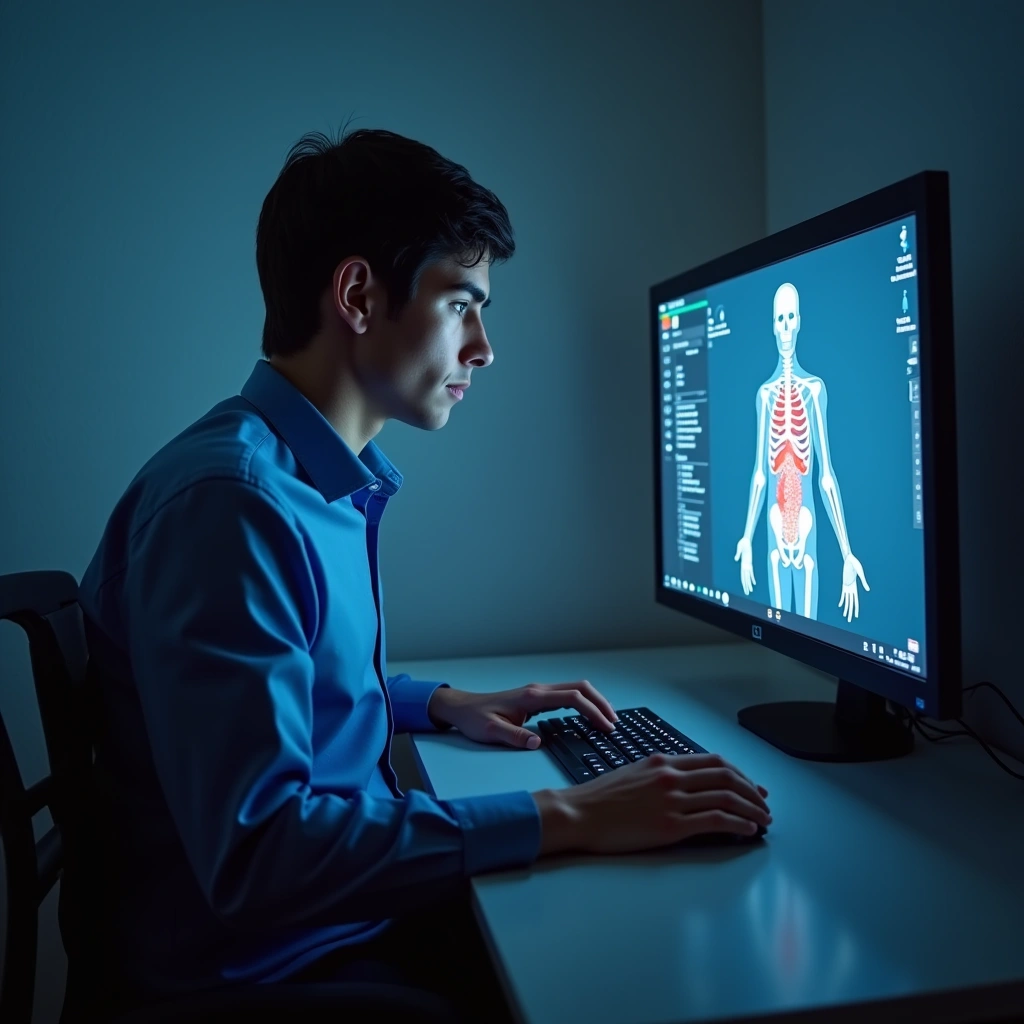
    Hey there, health-conscious techies and digital daredevils! Let’s talk about something that might just make you feel a little queasy—Microsoft’s new Copilot tool. You know, that shiny AI assistant that apparently wants to know every time you sneeze or feel a tickle in your throat. I mean, who doesn’t want a tech giant peering into their health symptoms, right? Sounds like a scene straight out of a sci-fi horror flick!

    Now, let’s break this down. Microsoft is stepping into the health tech arena with the ambition of becoming your personal health assistant. But instead of just reminding you to drink water or take a walk, they want to know about your ailments—like that weird rash you’ve been ignoring for weeks or the mysterious pain in your back that’s definitely not from binge-watching series on the couch. Thanks, Copilot!

    On one hand, the idea of having an AI that can analyze your symptoms and provide suggestions sounds like something out of a futuristic utopia. Imagine being able to type in, ‘Hey Copilot, I’ve got this weird cough and a tingle in my left pinky toe,’ and receiving a wealth of tailored information right back. It’s like having a doctor in your pocket—minus the awkward small talk and the waiting room magazines that are always six months old.

    But let’s be real for a second. Sharing your health data with Microsoft? That’s a bit like inviting a raccoon into your kitchen and hoping it won’t steal your leftovers. Sure, the raccoon might be cute and furry, but it’s also a trash panda that could potentially wreak havoc. With Microsoft’s track record of data breaches and privacy concerns, do we really want to hand over our health info on a silver platter? What’s next? Microsoft Teams for therapy sessions? No thanks!

    And here’s the kicker: while the idea of using AI to help manage our health sounds revolutionary, we have to ask ourselves—who really benefits from this? Is it us poor, symptom-laden souls, or is it Microsoft, looking to cash in on our collective anxiety about health? Because spoiler alert: this is a company that thrives on data. The more they know about our health, the better they can sell us ads for, I don’t know, vitamin supplements or the latest miracle cure that promises to cure everything from baldness to heartbreak.

    So, what’s the verdict? Microsoft’s Copilot could either be the health coach we didn’t know we needed or just another way for a corporation to peek into our lives while we’re busy trying to figure out if we should be worried about that weird tingling sensation. If you do decide to give this tool a spin, just remember to keep your symptoms to yourself—or at least, don’t let it know about your late-night pizza binges. Some things are best left unshared!

    In conclusion, whether you find Microsoft’s Copilot tool to be a blessing or a curse may depend on your level of trust in big tech. Just keep those privacy settings tight, and maybe invest in some good old-fashioned self-diagnosis—you know, like Googling your symptoms and spiraling into a rabbit hole of worst-case scenarios. But hey, that’s just a friendly suggestion!


    Inspired by: “Microsoft wants you to share your health symptoms with its new Copilot tool” (r/technology)

  • The New Face of Therapy: Are You Ready for Facial Scans to Access Your Mental Health Care?

    The New Face of Therapy: Are You Ready for Facial Scans to Access Your Mental Health Care?

    Hey there, fellow mental health warriors! Buckle up because we need to chat about something that’s turning the world of virtual therapy upside down. You heard it right: a popular virtual therapy platform, Headway, is now asking patients to scan their faces in order to continue receiving care. Yes, you heard me correctly. Face scanning! Because apparently, just talking to a therapist isn’t enough anymore.

    Now, let’s set the scene. Imagine you’re in the middle of a therapy session, discussing your deepest fears and insecurities, when suddenly your therapist says, “Hey, before we dive deeper into your childhood trauma, can you please scan your face?” I mean, come on! What’s next? A full-body scan to ensure you’re not harboring any negative energy?

    This new requirement is raising some eyebrows and not just the ones that are furrowed in concern over their mental well-being. It’s forcing patients to make a tough choice: hand over their personal data or risk losing access to their mental health care. Talk about adding stress to an already stressful situation! It’s like saying you can only have dessert if you give up your social security number. Not cool, Headway. Not cool.

    On one hand, you might argue that this data collection could help improve the therapy experience. Perhaps it helps therapists to gauge emotional responses more accurately? But let’s be real for a moment—when did we decide that our facial expressions needed a data analysis? I mean, I regularly express confusion while trying to assemble IKEA furniture, but does that mean I need therapy for my inability to follow instructions? Probably, but not for that reason!

    Moreover, this raises significant privacy concerns. Are we really comfortable with companies having access to our biometric data? What happens when that data gets hacked or sold to the highest bidder? Next thing you know, your facial data is in the hands of some shady tech conglomerate that uses it to sell you anti-anxiety face masks. And let’s be honest, no one wants to be the poster child for weird wellness products.

    Now, don’t get me wrong. I love technology as much as the next person who spends too much time scrolling through TikTok. But blending mental health care with face scanning feels like putting pineapple on pizza—some people love it, while others think it’s a crime against humanity. And just like with pizza, we need to have a conversation about what toppings are acceptable when it comes to our mental health.

    In conclusion, while it’s crucial to innovate and improve mental health care, we need to tread carefully. Let’s not sacrifice our privacy at the altar of technology. So, before you agree to scan your face for your next therapy session, ask yourself: is this really necessary, or is it just another way to make us feel like we’re living in a sci-fi movie? Because if I wanted that level of anxiety, I’d just binge-watch a horror series!

    Stay safe, stay sane, and remember: your mental health is way more important than a facial scan. Cheers!


    Inspired by: “Headway Therapy Patients Forced to Scan Their Faces to Keep Getting Care | A popular virtual therap…” (r/technology)

  • The Oura Ring 5: Tiny Tech Marvel or Just a Fancy Fitness Tracker?

    The Oura Ring 5: Tiny Tech Marvel or Just a Fancy Fitness Tracker?

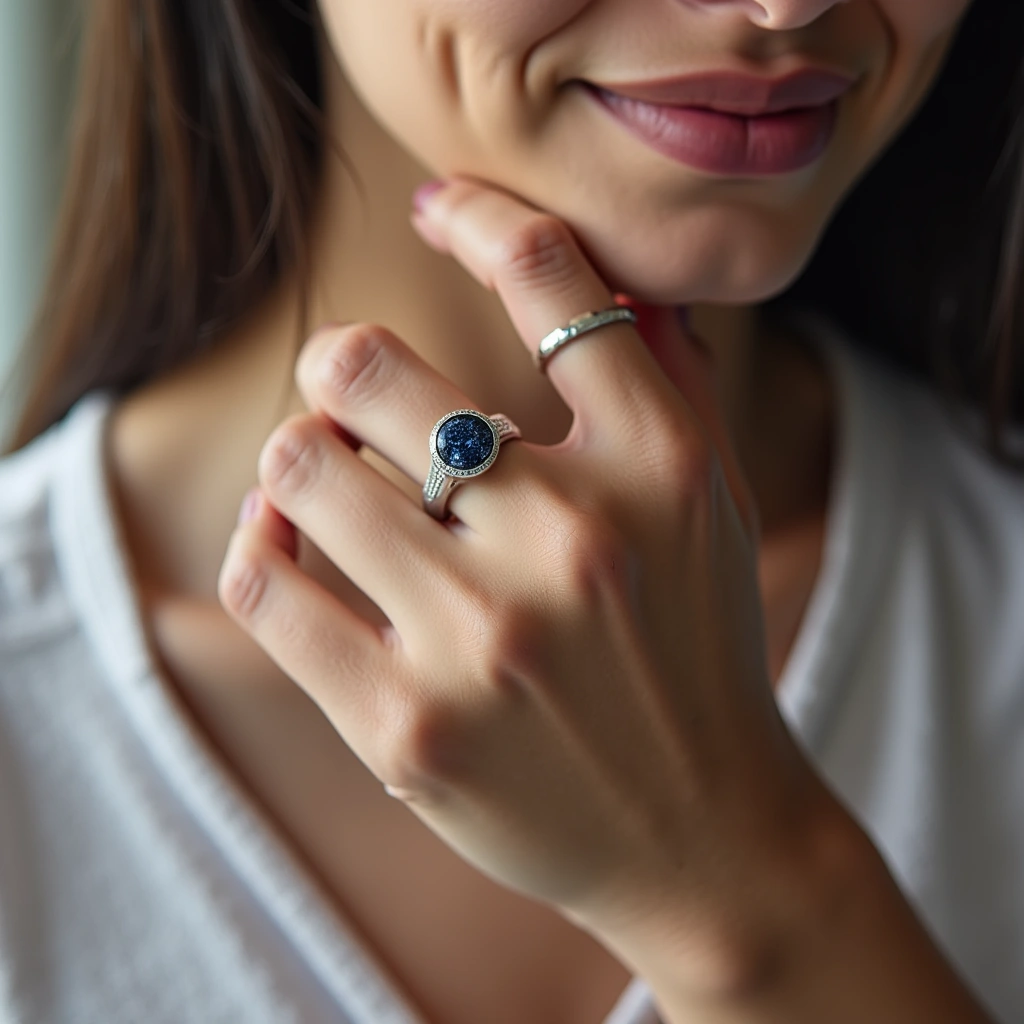
    Hey there, tech aficionados and sleep-deprived night owls! Gather ’round because we need to chat about the latest buzz in the wearable tech world—the Oura Ring 5. Yes, folks, it’s apparently 40% smaller, which is great news if you’ve been dreaming about wearing a piece of tech that doesn’t make your finger look like a Christmas ham.

    The Oura Ring has evolved quite a bit since its inception. Remember the days when it was just a glorified sleep tracker? Now, it’s practically a pocket-sized doctor, except it won’t prescribe you antibiotics for your Netflix binge-watching-induced insomnia. The latest version does something that sounds like it belongs in a sci-fi movie: it detects blood pressure changes. That’s right; this little ring could be monitoring your blood pressure while you’re busy scrolling through memes about cats.

    Now, let’s pause for a second. Blood pressure detection? I can already hear the conspiracy theorists sharpening their pencils! Is this the start of a new era where our jewelry becomes our personal health monitors? Will we soon see rings that remind us to hydrate or warn us when we’re about to eat our third slice of pizza? (Spoiler alert: yes, it should!)

    But that’s not all, folks! The Oura Ring 5 also claims to detect sleep disturbances. Now, I know what you’re thinking: ‘I already know when I’m not sleeping well; it’s when I’m awake at 3 a.m. contemplating the meaning of life and wondering why I can’t stop binge-watching true crime documentaries.’ But hey, this ring might just give you the scientific evidence to back up those late-night existential crises.

    Imagine waking up and seeing a notification that says, ‘Hey buddy, you tossed and turned 16 times last night. Maybe lay off the caffeine before bed?’ It could save us from those awkward morning conversations where we pretend we’re well-rested when in reality, we look like zombies who just crawled out of a horror movie set.

    Now, let’s talk about the size reduction. At 40% smaller, it’s like the Oura Ring decided to go on a diet. It’s like the difference between wearing a regular-sized donut and a mini donut. Sure, they both satisfy your cravings, but one doesn’t make you feel like you just committed to a lifetime of bad decisions. The smaller size means it’s less likely to interfere with your daily activities—like shaking hands, typing, or pretending to be productive at work.

    In conclusion, the Oura Ring 5 is shaping up to be a game-changer in the world of wearables. It’s small, it’s smart, and it’s probably judging you for that extra slice of cake. Just remember, while tech is impressive, it’s still no replacement for good old-fashioned sleep hygiene. So, go ahead, embrace the ring, but don’t forget to turn off Netflix before 3 a.m.!


    Inspired by: “Oura Ring 5 Is 40% Smaller, Detects Blood Pressure Changes and Sleep Disturbances” (r/technology)

  • When Your Boss Becomes Your Doctor: The Awkward Truth About Employers Knowing Your Health Risks

    When Your Boss Becomes Your Doctor: The Awkward Truth About Employers Knowing Your Health Risks

    So, let’s have a heart-to-heart, shall we? Imagine you walk into the office one day, and instead of your usual coffee-fueled greetings and awkward small talk, your boss greets you with, “Hey, I just read about your family history of diabetes and thought we should discuss your snack options!” Yikes! Welcome to the world where your employer knows a bit too much about your health risks. Sounds like the plot twist of a bad sitcom, but it’s happening, folks!

    First off, let’s talk about why employers might have this information in the first place. Some companies are getting all high-tech with health data and analytics. They’re diving into wellness programs that require you to divulge your medical history in exchange for lower insurance premiums or a shiny new gym membership. Who knew your boss would turn into your personal trainer, nutritionist, and therapist all in one?

    Now, should we be thrilled about this? Well, it’s a mixed bag. On one hand, knowing your health risks could lead to better support from your employer. Imagine them saying, “Hey, let’s switch out the donuts for kale chips at the next office party!” Who wouldn’t love a boss who cares about your waistline? But let’s be real, sometimes it feels like they’re just one step away from sending you a personalized health pamphlet during your lunch break.

    Then, there’s the whole issue of privacy. Suddenly, your boss has access to your potential future ailments. It’s like they’re peering into a crystal ball and deciding whether or not you can handle that promotion. “Hmm, let’s see… she’s prone to migraines, better keep her out of high-pressure projects!” Talk about being stuck in the dreaded “sick employee” box! Who wants to be the person whose career trajectory is determined by their risk of catching the flu?

    And let’s not forget the potential for discrimination. What if your employer decides they don’t want to invest in your development because they’re worried you’ll go out on long-term sick leave? It’s like being held hostage by your own genetics! You might as well add “genetic roulette” to your résumé.

    But hey, let’s not end on a sour note. There’s also a silver lining! Some progressive companies are using this health data to create a more supportive work environment. They might implement flexible hours for those prone to chronic conditions or set up wellness initiatives that actually help employees lead healthier lives. Picture this: a workplace where yoga classes and smoothie bars are the norm instead of the occasional awkward water cooler chat. Sounds dreamy, right?

    In conclusion, while having your employer know the diseases you might get can lead to some pretty uncomfortable conversations (like, do I really need to explain why my coffee intake is directly proportional to my productivity?), it also opens the door to a more health-conscious work culture. Just remember, the next time your boss suggests a “healthy workplace initiative,” it might be time to start hiding those Oreos!

    So, what do you think? Are you ready to let your employer in on your medical future, or are you more of a “keep it private” kind of employee? Drop your thoughts in the comments below!


    Inspired by: “What Happens When Your Employer Knows the Diseases You Might Get?” (r/technology)

  • The Handwashing Hero: How Ignaz Semmelweis Challenged the Medical Status Quo and Died for It

    The Handwashing Hero: How Ignaz Semmelweis Challenged the Medical Status Quo and Died for It

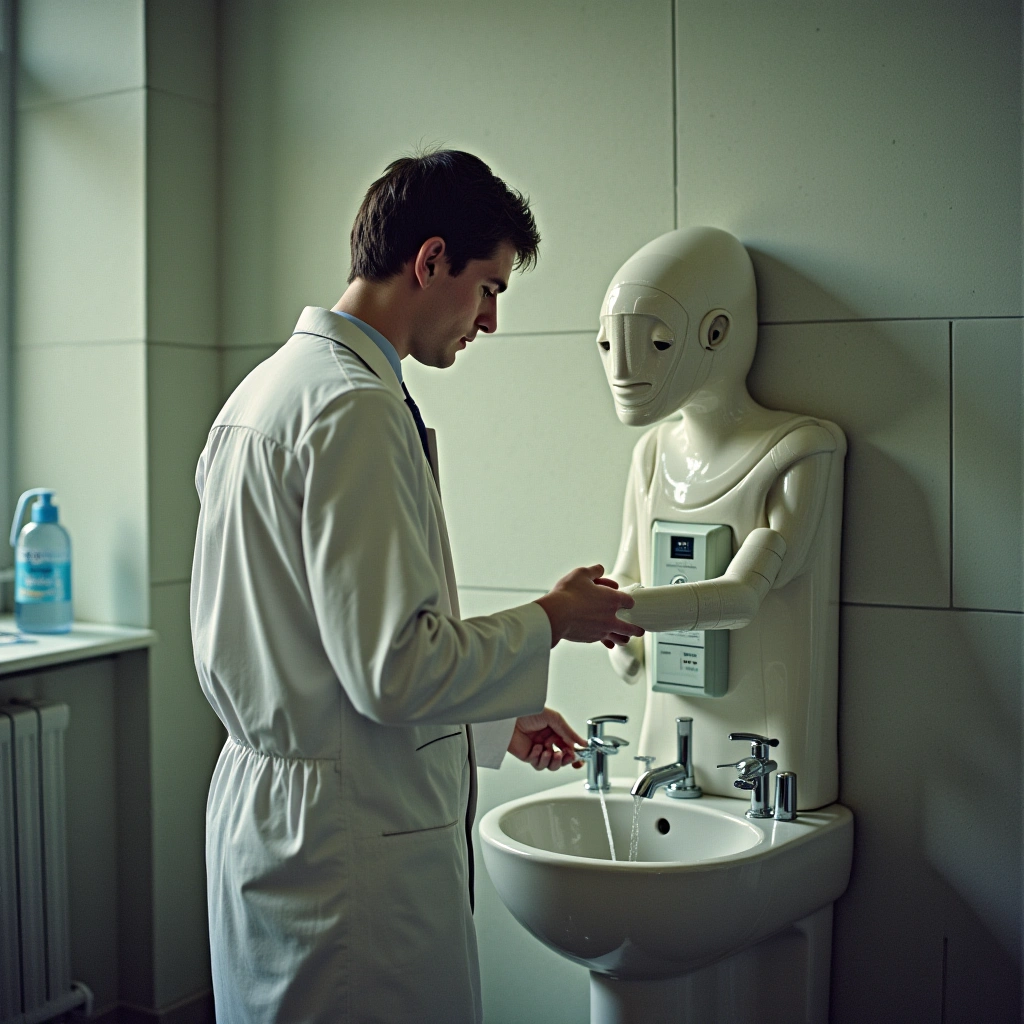
    Let’s take a moment to travel back in time to the oh-so-glamorous year of 1847, when the streets were filled with horse-drawn carriages, and the concept of hygiene was as popular as a root canal. Enter one of the unsung heroes of modern medicine: Ignaz Semmelweis. This guy suggested something radical: doctors should wash their hands before delivering babies, especially after handling corpses. Sounds like a no-brainer, right? But apparently, the medical community back then had other ideas.

    Imagine this: you’re in a hospital, and the doctor just finished examining a cadaver, and then without any thought, he strolls over to help bring a new life into the world. This is the kind of plot twist that you’d find in a horror movie, but in reality, it was just another day in the 19th century. Semmelweis, a Hungarian physician, observed that women giving birth were significantly more likely to die from childbed fever (also known as puerperal fever) when they were attended by doctors who had just come from the autopsy room. Shocking, I know!

    So what did Semmelweis do? He proposed the revolutionary idea that doctors should wash their hands with a chlorine solution before delivering babies. And what did the esteemed medical professionals do? They branded him insane. Yes, folks, he was essentially the first person to suggest that maybe, just maybe, filth could lead to death. Spoiler alert: he was right.

    Now, you’d think that the medical community would have rallied around this genius and celebrated him like a rock star. But nope! Instead, they treated him like he was trying to sell snake oil at the county fair. His ideas were met with ridicule, and he faced staunch opposition from the very people who should have been thanking him. Semmelweis was eventually committed to a mental asylum, where he died under suspicious circumstances, a tragic end for a man whose only crime was caring too much about hygiene.

    Fast forward to today, and we can’t stop talking about handwashing, especially since the pandemic made us all hyper-aware of germs. The irony is rich, isn’t it? Semmelweis was a man ahead of his time, advocating for public health before it was cool. He should have been celebrated, not shunned.

    His story serves as a reminder that sometimes, the truth is so radical that it seems crazy. It’s a classic case of being too ahead of the curve; you know, like that one friend who insists on using organic kale in everything. While today we laud handwashing as a fundamental practice, back in Semmelweis’ day, it was seen as more of a whimsical suggestion.

    So, the next time you wash your hands before a meal (or after using the restroom, let’s be honest), take a moment to think about Ignaz Semmelweis. He might have died thinking he was a madman, but now he’s a legend—a legend who taught us that sometimes, a little soap and water can save lives. Here’s to you, Ignaz! May your fight for cleanliness never be forgotten.


    Inspired by: “In 1847, Ignaz Semmelweis suggested that Doctors wash their hands between Handling dead bodies and…” (r/interestingasfuck)

  • The 1.3 kg Bladder Stone: A Heavyweight Champion in the World of Medical Oddities

    The 1.3 kg Bladder Stone: A Heavyweight Champion in the World of Medical Oddities

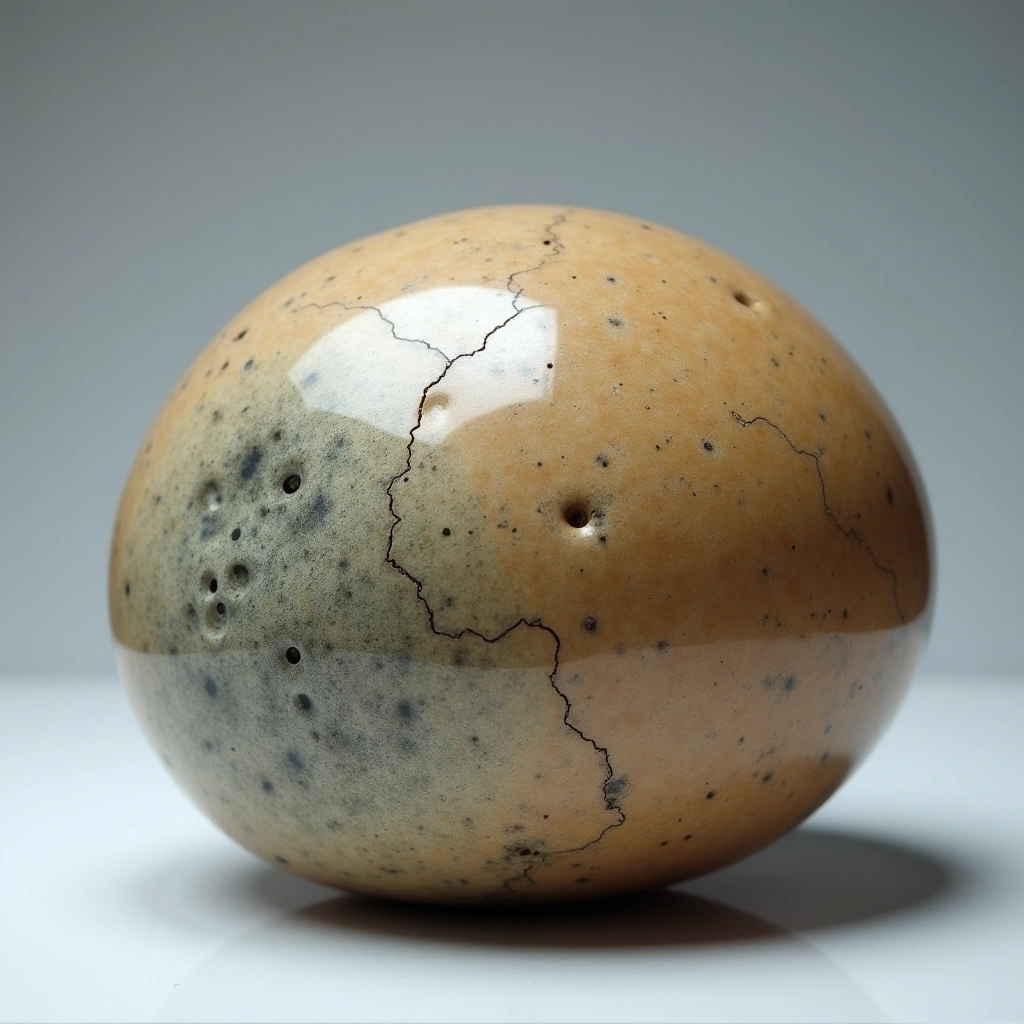
    Well, folks, grab your popcorn because we’ve got a real-life medical drama straight from the land of the Great Wall! A Chinese man recently became the unlikely star of the show when doctors removed a whopping 1.3 kg (that’s about 2.9 pounds for the non-metric folks among us) bladder stone. And no, this isn’t some bizarre plot twist from a medical thriller; it’s a genuine case that leaves us both baffled and slightly amused.

    First things first, let’s talk about the stone itself. At this size, you could almost name it and put it on a leash. “Hey, look at my pet bladder stone, Rocky!” But in all seriousness, bladder stones are a serious health issue that can cause major discomfort, and in this case, were discovered after the poor guy experienced some serious pain. Imagine waking up one day and realizing that you’ve got a rock concert going on in your bladder. Yikes!

    Now, how does one even get to the point where they are hosting a boulder in their bladder? Well, bladder stones typically form when urine becomes concentrated, allowing minerals to crystallize and merge into larger formations. It’s like Mother Nature’s way of reminding us that hydration is key, and perhaps, we should have been drinking more water instead of that third cup of coffee. Sorry, caffeine lovers!

    Medical experts say that bladder stones are more common in individuals who have difficulty emptying their bladders fully, which can be due to various reasons, from enlarged prostates to nerve problems. So, this man wasn’t just a victim of poor hydration choices; he might have had some underlying medical issues that led to this rock-solid development.

    And let’s not forget the sheer spectacle of the surgical procedure. You can picture the doctors in the operating room, all geared up, ready to tackle what could very well be a new world record for the largest bladder stone removed. “Scalpel, please!” “Uh, do we have a jackhammer?” Talk about a surgical team needing some serious muscle!

    But here’s where it gets interesting: while this story is undoubtedly amusing, it also serves as a crucial reminder about health and wellness. Bladder stones can lead to complications, including infections or urinary blockages, so if you’re feeling any discomfort down there, it’s best to see a doctor rather than waiting for a rock concert to happen.

    In conclusion, while we can chuckle at the thought of a man carrying around a stone that could rival a small pet, let’s also take this opportunity to remind ourselves to stay hydrated and be aware of our health. Because no one wants to find themselves in a situation where they have to explain to a room full of doctors why they’re an unwilling participant in the world of heavy stones. So drink up, folks, and let’s keep those bladder stones at bay!


    Inspired by: “1.3 kg stone found in the bladder of a Chinese Man” (r/interestingasfuck)