Category: Health

  • Revolutionary Blood Test Could Spot Head and Neck Cancer a Decade Early

    Revolutionary Blood Test Could Spot Head and Neck Cancer a Decade Early

    Hey there, cancer warriors and health enthusiasts! Grab your favorite beverage and settle in because we’ve got some groundbreaking news that might just make your day—or at least improve your health outlook. Imagine a world where a tiny vial of your blood could give you a heads-up about head and neck cancer a whole decade before symptoms even decide to crash the party. Sounds like something out of a sci-fi movie, right? Well, buckle up, because that future is looking a little less distant!

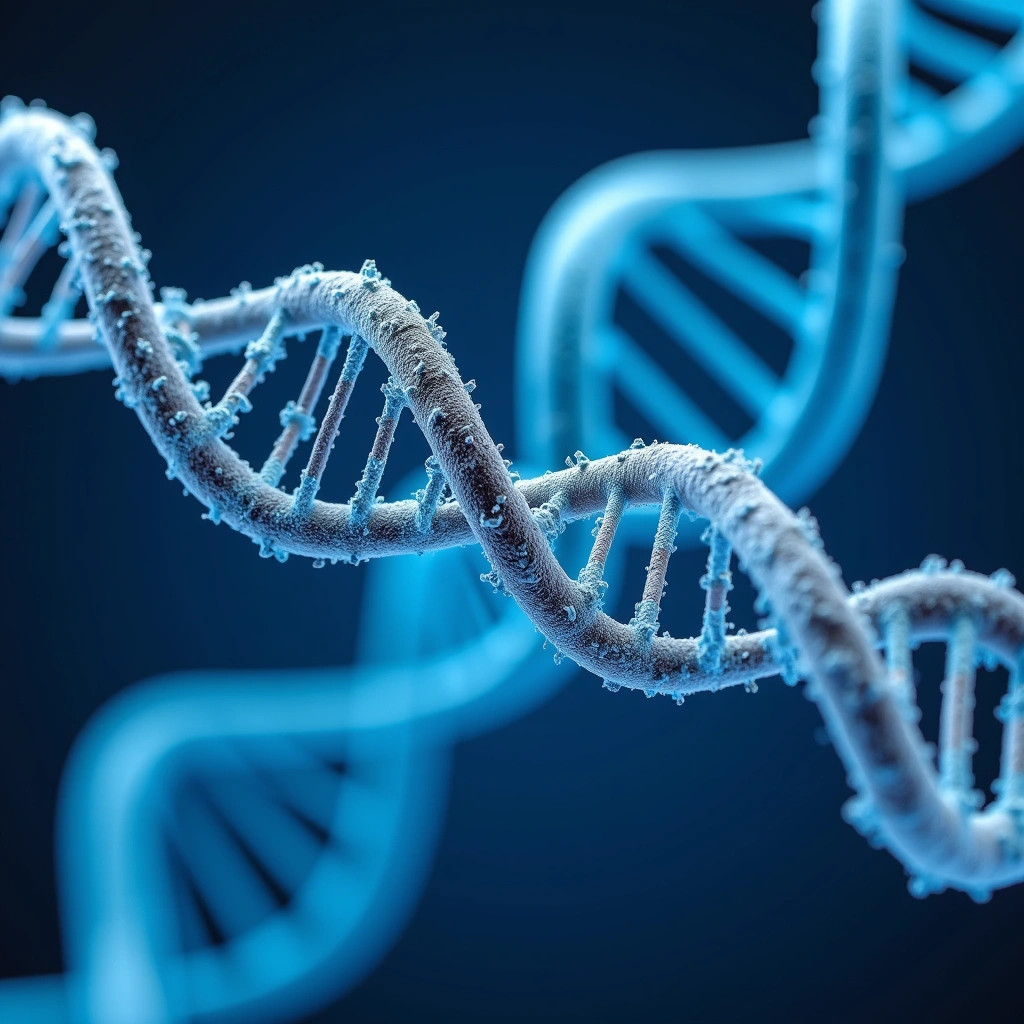
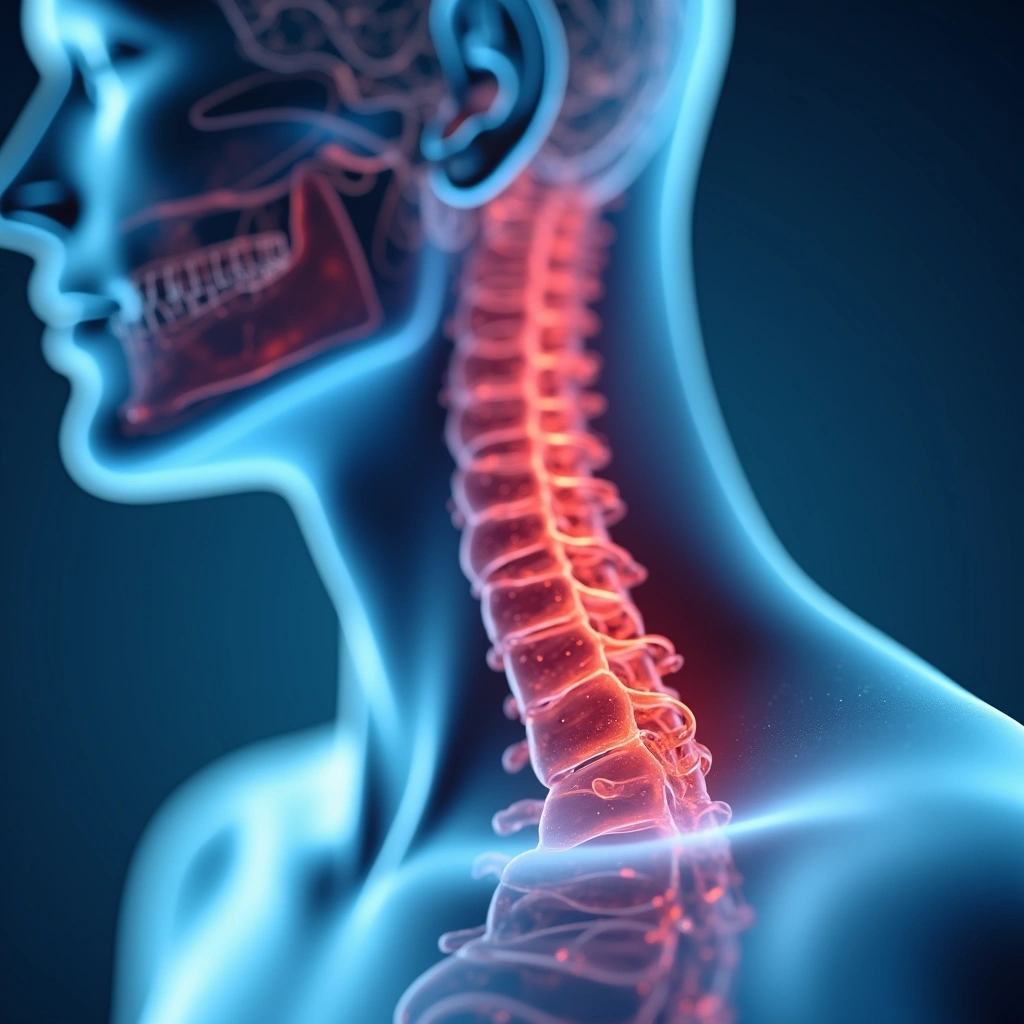
    So, what’s the scoop? Researchers have developed a breakthrough blood test that can detect head and neck cancer up to 10 years prior to the onset of symptoms. Yes, you heard me right! This isn’t just a magic trick pulled from a hat; it’s the real deal backed by science. The test works by identifying specific biomarkers in your blood that are linked to the development of this sneaky type of cancer.

    Now, before we delve into the nitty-gritty of how this works, let’s take a moment to appreciate the sheer brilliance of modern medicine. It’s like upgrading from a flip phone to the latest smartphone—why settle for just making calls when you can have an entire world of health insights right at your fingertips?

    How Does It Work?

    The test is designed to analyze your blood for certain proteins and genetic markers that could indicate that cancer cells are getting cozy in your head or neck area. The researchers have been hard at work, and their efforts have led to some promising results. They’ve discovered that detecting cancer early can significantly improve treatment outcomes. In fact, early detection is like finding a needle in a haystack—if that needle were a tiny, malevolent cancer cell trying to ruin your day.

    Why Does It Matter?

    Let’s be real: head and neck cancer isn’t exactly the life of the party. It can be a silent thief, creeping in without warning and wreaking havoc on your life. Symptoms often don’t show up until the cancer is already in advanced stages, which is just rude if you ask me. This new blood test could change the game entirely by allowing doctors to intervene before the cancer has a chance to make itself at home.

    The Controversial Bit

    Now, as with any breakthrough, there are bound to be skeptics. Some folks might raise an eyebrow and ask, “Is this just another gimmick?” or “What’s the catch?” Well, it’s healthy to question things, but let’s not throw the baby out with the bathwater! Sure, further research and clinical trials are needed to validate these findings, but the potential here is massive. If we can detect cancer earlier, we might just save lives. So, let’s give it a chance before we start waving our pitchforks!

    What’s Next?

    As this research progresses, we can expect more studies and trials to refine the test further. It’s an exciting time in the medical field, and who knows? This could be the first step toward a future where we can detect all sorts of cancers at their inception, giving us a fighting chance against them.

    Conclusion

    So, dear friends, let’s keep our fingers crossed and our blood tests at the ready! Early detection might just be the superhero cape we need to fight against head and neck cancer. If this test becomes widely available, it could change the narrative of cancer treatment entirely. Remember, laughter may be the best medicine, but a little foresight and a good blood test can’t hurt either!

    And there you have it! Keep your eyes peeled for more updates on this exciting development. Who knows, the next time you’re at the doctor’s office, you might just ask for a blood test with a side of early cancer detection, and that’s a conversation worth having!

  • Stroke Damage Reversed: The Amazing Potential of Stem Cells to Regrow the Brain

    Stroke Damage Reversed: The Amazing Potential of Stem Cells to Regrow the Brain

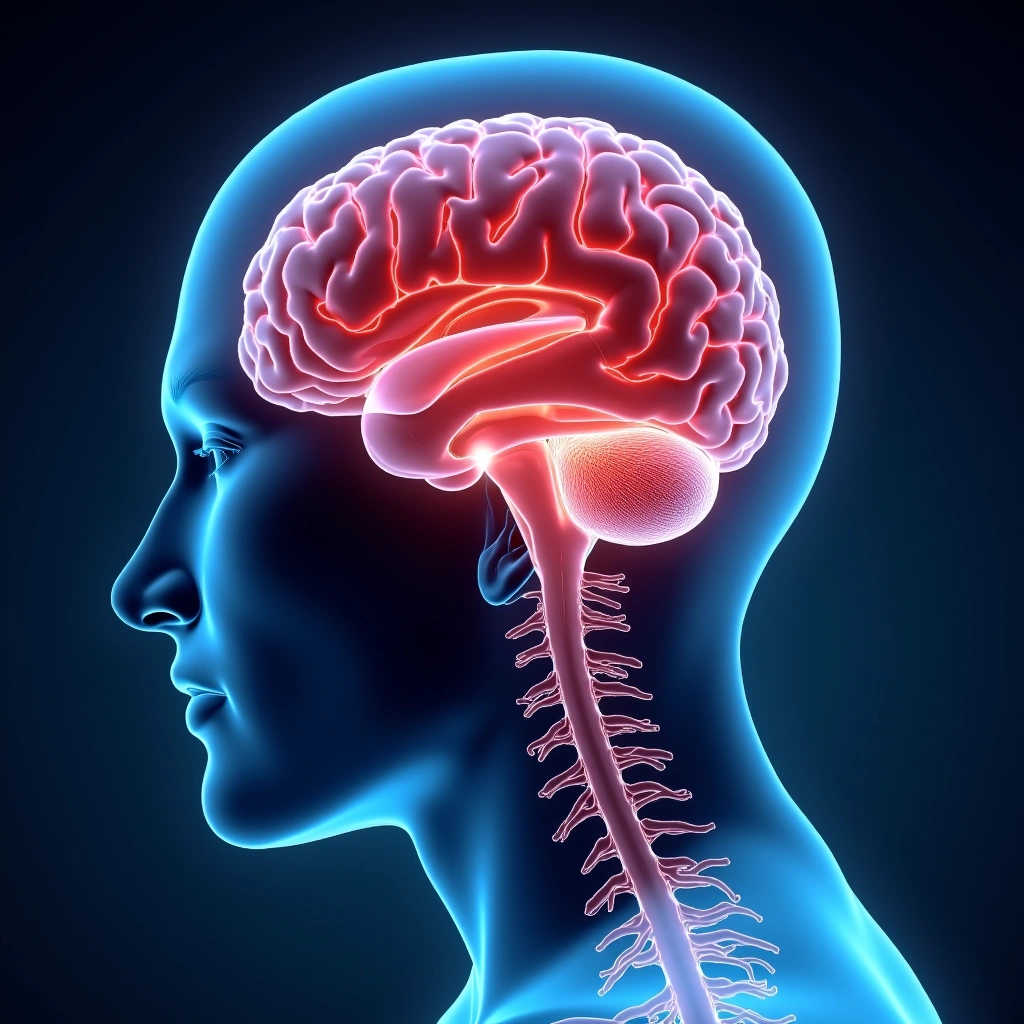
    Hey there, brainiacs! So, have you ever had one of those moments where you thought, ‘Gee, I wish my brain could grow back after a stroke’? Well, buckle up, because we’ve got some mind-blowing (pun absolutely intended) news that might just make that possible! Recent research is showing that stem cells could be the superhero we didn’t know we needed when it comes to reversing stroke damage.

    Now, let’s set the stage! Imagine your brain is like a bustling city, filled with neurons, connections, and a whole lot of electrical traffic. Then, BAM! A stroke hits and it’s like a massive traffic jam caused by an unexpected parade of squirrels. Very chaotic, and frankly, a bit scary. This is where stem cells come in like the city planners of your brain, ready to clear the roads and help regrow the areas affected.

    In case you’re wondering, stem cells are basically the magic beans of the medical world. They have this incredible ability to transform into any kind of cell your body needs. Think of them as the Swiss Army knife of cells. Need a neuron? Boom! Done! Need a skin cell? You got it! So, when it comes to dealing with stroke damage, these little guys can potentially regenerate the brain tissue that’s been lost.

    But how does this work? Well, researchers are diving deep into the science soup and finding out that when stem cells are introduced into the brain, they can help repair the damaged areas, promote healing, and even improve cognitive functions. It’s like having a personal trainer for your brain – and who doesn’t want that?

    Imagine regrowing your brain like a chia pet! It’s a bit messy but oh-so-rewarding. This research is still in its early stages, but the potential is staggering. We could be on the brink of a revolution in stroke recovery, and that’s something to get excited about.

    But hold your horses, because here comes the controversial bit. While the idea of stem cell therapy is thrilling, it also raises a few eyebrows (and probably a few blood pressures) in the medical community. Some folks are like, “Wait, are we really ready for this?” And others are waving red flags about the ethical concerns surrounding stem cell use, particularly when it comes to embryonic stem cells. It’s like being at a family dinner where everyone has a different opinion on the best way to cook turkey.

    So, where does that leave us? For now, we keep our fingers crossed and our hopes high while scientists continue to tinker away in their labs. If everything goes according to plan, we might just see a future where stroke survivors can say, “My brain’s better than ever!”

    In conclusion, while we may not be able to give our brains a makeover just yet, the promise of stem cell therapy is a glimmering light at the end of a very dark tunnel. So, let’s keep our eyes peeled and our spirits up! Who knows? We might just have a brain-boosting breakthrough that could change lives. Until then, let’s take care of those noggins and maybe lay off the alcohol for a bit. Just a thought!

    And if you’re interested in the research, feel free to check out some of the latest studies. You’re bound to find a lot more fascinating info – and who doesn’t love a good nerdy read? Just remember, stay curious, my friends!

  • RFK Jr.’s Vaccine Delays: A Wrench in the Shot for Kids Machine

    RFK Jr.’s Vaccine Delays: A Wrench in the Shot for Kids Machine

    So here’s the scoop, folks! Robert F. Kennedy Jr. is doing a little two-step when it comes to recommending COVID-19 vaccines for kids. Instead of stepping boldly onto the approval dance floor, he’s dragging his feet like a kid who just found out it’s time to clean their room. And this, my friends, is no small potatoes because it’s affecting low-income kids who desperately need access to these shots.

    Now, let’s break this down like a science experiment gone wrong. RFK Jr., who has taken on the role of the controversial vaccine skeptic with all the enthusiasm of a cat in a bathtub, has been vocal about his hesitations regarding the COVID-19 vaccine. While we can all appreciate a good debate—hey, who doesn’t love an argument over pizza toppings?—what’s really at stake here is the health of our children.

    Picture this: kids are lined up, ready to get their vaccines, but due to delays in recommendations, many are left hanging like a piñata at a birthday party that never started. These delays mean that low-income families, who often rely on public health initiatives for vaccinations, are left in the lurch. It’s as if someone said, “Hey, we’re throwing a party, but you can’t come yet—just hang out in the parking lot for a bit,” while they sip on punch inside.

    But wait, there’s more! The repercussions of these delays could stretch far beyond the immediate inconvenience. With the rise of new variants and the ongoing concerns about COVID-19, every day that passes without a green light for vaccinating kids is another day we risk the health of our younger population. It’s like watching a slow-motion train wreck, but instead of a train, it’s a bunch of kids who could really use that extra layer of protection.

    Let’s not forget the economic impact either. When kids can’t get vaccinated, it affects schools, families, and, let’s face it, parents’ sanity levels. Imagine trying to manage a household with kids who can’t go to school because they’re unvaccinated. It’s like trying to do a jigsaw puzzle with half the pieces missing—frustrating and just a tad chaotic.

    Now, I know some of you might be saying, “But what about personal choice?” Oh, I hear you! Personal choice is important, just like personal space (and we all know how valuable that is after a long day). But when it comes to public health, sometimes choices need to take a collective turn. It’s about protecting the vulnerable, and that includes those adorable little munchkins who might not quite understand why they can’t go on the swings at the park.

    So, what’s the bottom line? RFK Jr. needs to put on his big-boy pants and make a decision. We need clarity, and we need it fast. Because while he’s busy contemplating the cosmic implications of vaccines, kids are out there waiting for a chance to get their shots and get back to being kids—playing tag, jumping in puddles, and avoiding their vegetables like it’s a life-or-death situation.

    In conclusion, let’s hope that the powers that be can cut through the bureaucratic red tape and get those vaccines rolling out to the kids who need them most. Because, let’s face it, nobody wants a world where children are left unprotected due to indecisiveness. Let’s get those shots in arms and make sure our kids can enjoy life without worrying about a virus lurking around every corner. And hey, who knows? Maybe they’ll even thank us for it someday—right after they finish their broccoli, of course!

  • The Curious Case of Ed Gein: A Journey Through Darkness and Mental Health

    The Curious Case of Ed Gein: A Journey Through Darkness and Mental Health

    Ah, Ed Gein. The name alone conjures up images of Halloween masks, horror film villains, and a whole lot of psychological intrigue. Fast forward to today, and we’ve got a 67-year-old Gein strutting into yet another courtroom, a decade after his conviction and ten years of ‘quality time’ in the Mendota Mental Health Institute. If you’ve ever wondered how one man could inspire both fear and fascination, you’re not alone! Grab a snack, because this story is a wild ride. First off, let’s set the scene. Picture it: a courtroom where the air is thick with tension, lawyers are shuffling papers like it’s a game of poker, and the judge is probably trying to decide if he should order a double espresso or just go straight for a stiff drink. Enter Ed Gein, the man who made ‘Mommy Issues’ a household term. For those who might not be familiar, Gein was convicted of some pretty ghastly crimes that would make even the most hardened horror fan’s stomach churn. His life was the stuff of nightmares, intertwined with the tragic loss of his mother and a series of strange events that led him down the darkest path imaginable. It’s like a twisted fairy tale, except the only happily ever after is the one you tell yourself while hiding under the covers. Now, let’s not sugarcoat it: Gein’s legacy is a hefty one. He’s been the inspiration for a slew of characters from Norman Bates in ‘Psycho’ to Leatherface in ‘The Texas Chainsaw Massacre.’ And yet, here we are, a decade post-conviction, and he’s back in the limelight. It’s like a bad sequel that nobody asked for but somehow, here we are, popcorn in hand, waiting for the next plot twist. What’s interesting about this courtroom drama is not just the man himself, but what it reveals about our society’s obsession with crime and punishment. There’s this weird blend of horror and morbid curiosity that keeps us coming back for more. We want to understand the ‘why’ behind the monster, as if peeling back the layers will somehow redeem the darkness within. Spoiler alert: it won’t. But let’s talk about Gein’s time at Mendota. A decade in a mental health facility is no walk in the park. It’s like going to summer camp but instead of s’mores and ghost stories, you’re facing therapy sessions and medication adjustments. Can you imagine? “Hey, Ed, how was your weekend?” “Oh, you know, just working through my emotional baggage while trying not to think about my life choices.” Fun times! As he approaches this new chapter—whatever that may look like—it sparks a conversation about mental health, accountability, and rehabilitation. Should he be given a chance to reintegrate into society? Or is he too far gone, a case study in what happens when one’s psyche unravels like a poorly knitted sweater? The debate rages on, with some arguing for compassion and others demanding justice. So, what do you think? Is Ed Gein a tragic figure deserving of sympathy or a monster that humanity should keep locked away forever? While we sip our coffee and ponder this, let’s remember that every story has multiple sides. Maybe we can learn a thing or two about empathy, even in the most bizarre circumstances. And there you have it! Ed Gein, the unlikely poster boy for mental health awareness and horror film lore, still managing to keep us on the edge of our seats. Now, if only he could manage to stay out of the courtroom for good. But then again, where’s the fun in that? For a visual treat, here’s a classic image of the courtroom drama we all love to hate: . Just remember, folks—stay curious, but maybe don’t try this at home!

  • Unlocking the Secrets of Sleep: How Oura Health’s CEO is Revolutionizing Rest

    Unlocking the Secrets of Sleep: How Oura Health’s CEO is Revolutionizing Rest

    Ah, sleep – the magical realm where we all want to be, yet it seems so elusive. If you’re anything like me, you’ve probably spent more time counting sheep than actually sleeping. Enter Oura Health’s CEO, who not only spends his days pondering the mysteries of sleep but is also raking in the big bucks with a fancy smart ring that’s turning the sleep game upside down. With a projected $1 billion in sales this year, it seems the CEO has cracked the code to a good night’s rest, and folks, we’re here to spill the tea.

    The Sleep Tracking Revolution

    Let’s talk about Oura Health’s smart ring – it’s like having your very own personal sleep coach wrapped around your finger (literally!). This little gadget doesn’t just look sleek; it tracks your sleep patterns, heart rate, body temperature, and even your readiness to tackle the day. It’s like having a tiny, judgmental fitness guru that fits in your pocket, which is honestly much better than having someone shout at you to get off the couch.

    Who’s Wearing the Ring?

    The clientele? Oh, just your everyday busy executives, a sprinkle of celebrities, and anyone else who’s tired of feeling like a zombie. You know, the kind of people who can afford avocado toast at $12 a slice. But fear not! If you’re not a Hollywood A-lister or a Fortune 500 CEO, you can still get in on the action. Just think of it as investing in your future sleep – because who doesn’t want to wake up ready to conquer the world?

    The Science Behind the Sleep

    Now, let’s dive into the juicy stuff: the science! Oura’s ring uses sensors to monitor your sleep stages, which means it can tell if you’re tossing and turning or sleeping like a log. It’s like having a mini scientist on your hand, measuring your REM cycles and deep sleep with all the precision of a NASA mission. But here’s where it gets a bit controversial: some folks claim that relying on wearables could lead to anxiety about sleep. You know, the classic “I can’t sleep because I’m stressed about not sleeping” conundrum. But hey, if it helps you understand your sleep patterns better and maybe even improve them, is that really such a bad thing?

    Sleep: The New Status Symbol

    In today’s fast-paced world, sleep is the new black. Forget about those flashy cars or designer handbags; nothing says ‘I’ve got my life together’ quite like a good night’s sleep. And Oura is banking on this trend – literally! With sleep-related wellness becoming a billion-dollar industry, it’s clear that people are willing to shell out serious cash for a better snooze.

    The Bottom Line

    So, what’s the takeaway here? If you want to join the ranks of the well-rested elite, the Oura ring might just be your golden ticket. Sure, it’s a bit pricey, and you might feel like a walking advertisement for sleep tech, but if it helps you wake up feeling like a rockstar instead of a grumpy troll, then why not? In the end, whether you’re a sleep enthusiast or just someone who dreams of dreaming, Oura Health’s CEO is here to remind us all that sleep is no longer just a necessity; it’s an investment in our well-being. So go ahead, embrace the sleep revolution, and maybe snag yourself a smart ring while you’re at it. Your future self will thank you – and who knows? You might even start counting sheep in style! // Replace with actual image URL as needed

  • Breakthrough Gene Therapy Cuts Huntington’s Disease Progression by 75% – A Game Changer in Neurology

    Breakthrough Gene Therapy Cuts Huntington’s Disease Progression by 75% – A Game Changer in Neurology

    Hey there, fellow science enthusiasts! Gather around because we’ve got some groundbreaking news that could make a real difference in the lives of those battling Huntington’s Disease. I mean, if you’ve ever wanted to hear about something that sounds like it jumped right out of a sci-fi novel, this is it! So, let’s dive into this juicy tidbit about gene therapy that’s got everyone buzzing like a beehive in summer.

    First things first, what in the world is Huntington’s Disease? Well, it’s a hereditary condition that affects the brain, leading to a variety of symptoms including uncontrollable movements, cognitive decline, and emotional problems. Basically, it’s a party crasher that shows up uninvited and wrecks the whole shindig. But scientists have been working tirelessly to kick this unwelcome guest to the curb, and it seems like they’ve finally found a bouncer who knows how to handle business!

    Recent research has revealed a breakthrough gene therapy that has been shown to slow the progression of Huntington’s Disease by a whopping 75%! Let that sink in for a moment. That’s like taking a wild roller coaster ride and suddenly finding out the ride operator has decided to hit the brakes just when things were about to get crazy.

    So, how does this miracle therapy work? Well, it’s all about targeting the problematic gene responsible for the disease. Researchers have turned into gene ninjas, deploying a technique that silences the mutant version of the gene while leaving the healthy version alone. It’s like a precise sniper that takes out the bad guy without harming any innocent bystanders! Impressive, right?

    Now, before you get too excited and start thinking this is a one-size-fits-all solution, let’s keep our feet on the ground. While the results are promising, this therapy is still in the experimental stages. But the fact that it has been able to slow the disease’s progression significantly is like finding a gold nugget in a river of mud. The potential for future applications is enormous, and it could pave the way for more treatments in the future.

    Of course, there are always a few skeptics in the crowd, and that’s perfectly healthy. After all, science isn’t about blind faith; it’s about rigorous testing and a dash of skepticism. Some folks are raising eyebrows about the long-term effects of such therapies, and they have a point. We don’t want to trade one problem for another, right? But the sheer potential of this research is enough to at least make us raise our coffee mugs in hope.

    And let’s not forget the emotional rollercoaster this news brings to families affected by Huntington’s Disease. For many, hearing about a therapy that can slow disease progression is like finally finding the Wi-Fi password at a coffee shop—pure bliss! It opens up new doors to a better quality of life and gives hope to those who thought they were out of options.

    In conclusion, while we’re not ready to throw a parade just yet, it’s safe to say that this breakthrough gene therapy is a giant step forward in the fight against Huntington’s Disease. So, keep your eyes peeled for more updates on this fascinating journey, and who knows? We might just be on the brink of something that could change the world. Until then, let’s keep the conversation going and support those who are bravely battling this condition.

    And hey, if you ever find yourself around a research lab, maybe bring them some coffee or donuts. Scientists love snacks, and who knows? You might just inspire the next great medical breakthrough!

  • Understanding VAD Pumps: The Unsung Heroes of Heart Health

    Understanding VAD Pumps: The Unsung Heroes of Heart Health

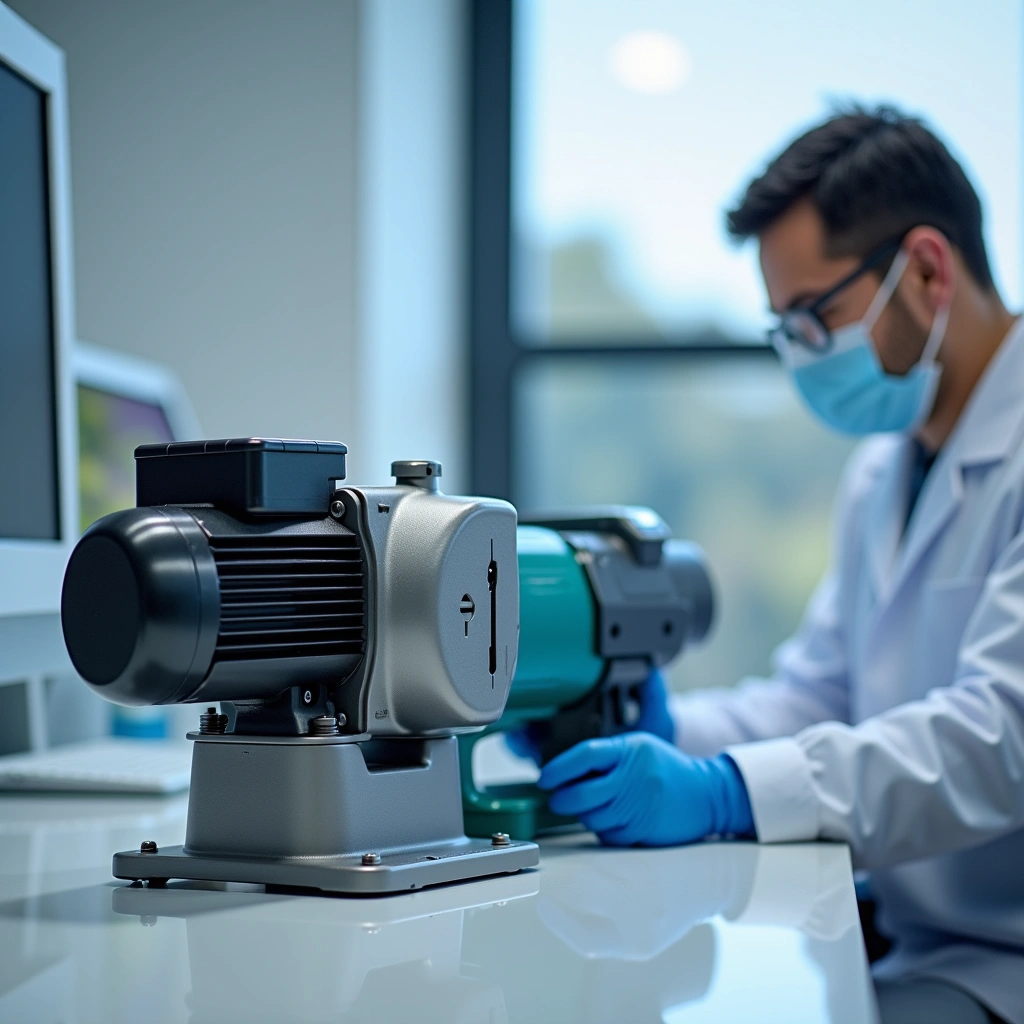
    So, let’s talk about VAD pumps, shall we? Ah, the Ventricular Assist Device—sounds fancy, right? If you ever find yourself in a situation where your heart is having a bit of a meltdown, these gadgets are like that reliable friend who always has your back, ready to lend a hand (or a pump, in this case) until you can snag a shiny new heart transplant. But let’s face it, the thought of having one of these bad boys in your chest could send anyone into a mini panic attack.

    Imagine it: you’re chilling, minding your own business, and suddenly you realize you have a mechanical device keeping your heart alive. It’s like having a remote-controlled heart! But let’s not kid ourselves; the idea of displacing that thing is enough to make anyone break out in a cold sweat. What if you move the wrong way and—BAM!—there goes your VAD pump, and you’re left with a situation that could only be rivaled by a scene from a horror movie.

    What Exactly is a VAD Pump?

    For the uninitiated, a VAD pump is a mechanical device that helps pump blood from the lower chambers of the heart to the rest of the body. It’s like a little engine that could, helping your heart do its job when it’s too weak to keep up with the demands of your life. Think of it as the friend who takes on your chores when you’re too lazy to do them yourself—except this friend is literally inside your chest and keeping you alive.

    The Process of Getting a VAD Pump

    Now, before you can start your life with a VAD, there’s a whole process involved. You don’t just walk into a hospital, say, “Hey, I’d like a VAD, please,” and expect to get one. No, no, my friend. You have to go through tests, evaluations, and probably sign enough paperwork to fill a small library. It sounds daunting, but trust me, it’s worth it if it means you can keep enjoying life’s little pleasures—like pizza or binge-watching your favorite series.

    Living with a VAD Pump

    Once the VAD pump is in place, life can get a bit interesting. Picture this: you’re at a party, and someone asks you about your pump. Do you explain the intricacies of your heart’s new best friend, or do you just nod and say, “Yeah, it’s just a little something keeping me alive?” Spoiler alert: the second option is much easier.

    Now, here’s the kicker—displacing that pump is like trying to unseat a cat from your lap while it’s in full-on cuddle mode. It’s not just a matter of moving; you have to be cautious. You might feel like you’re in a spy movie, trying to navigate through a crowd without bumping into anyone. One wrong move, and you could find yourself in a precarious situation that no one wants to deal with.

    Embracing the Journey

    While the idea of having a VAD pump can be terrifying, it’s essential to remember that it can also be a lifesaver. It’s not just a mechanical device; it’s a bridge to a better future. For many, it means more time with loved ones, more adventures, and more memories to make.

    So, if you ever find yourself in a discussion about VAD pumps, embrace the humor in it. Sure, it’s a bit scary, but you can also joke about being part cyborg. After all, if we can’t laugh about our situation, what’s the point? And hey, at least you have a great story to tell at parties—just maybe avoid any dance-offs.

    And if you ever do have to deal with a VAD pump, remember: treat it gently, like you would a newborn kitten or a hot pizza fresh out of the oven. Because nobody wants to have a heart failure—or a heart-to-heart with a doctor about what happens when a VAD pump goes rogue. Stay safe, friends!