Category: Health

  • Unlocking the Secrets of Cannabis Leaves: Medical Marvels You Didn’t Know About

    Unlocking the Secrets of Cannabis Leaves: Medical Marvels You Didn’t Know About

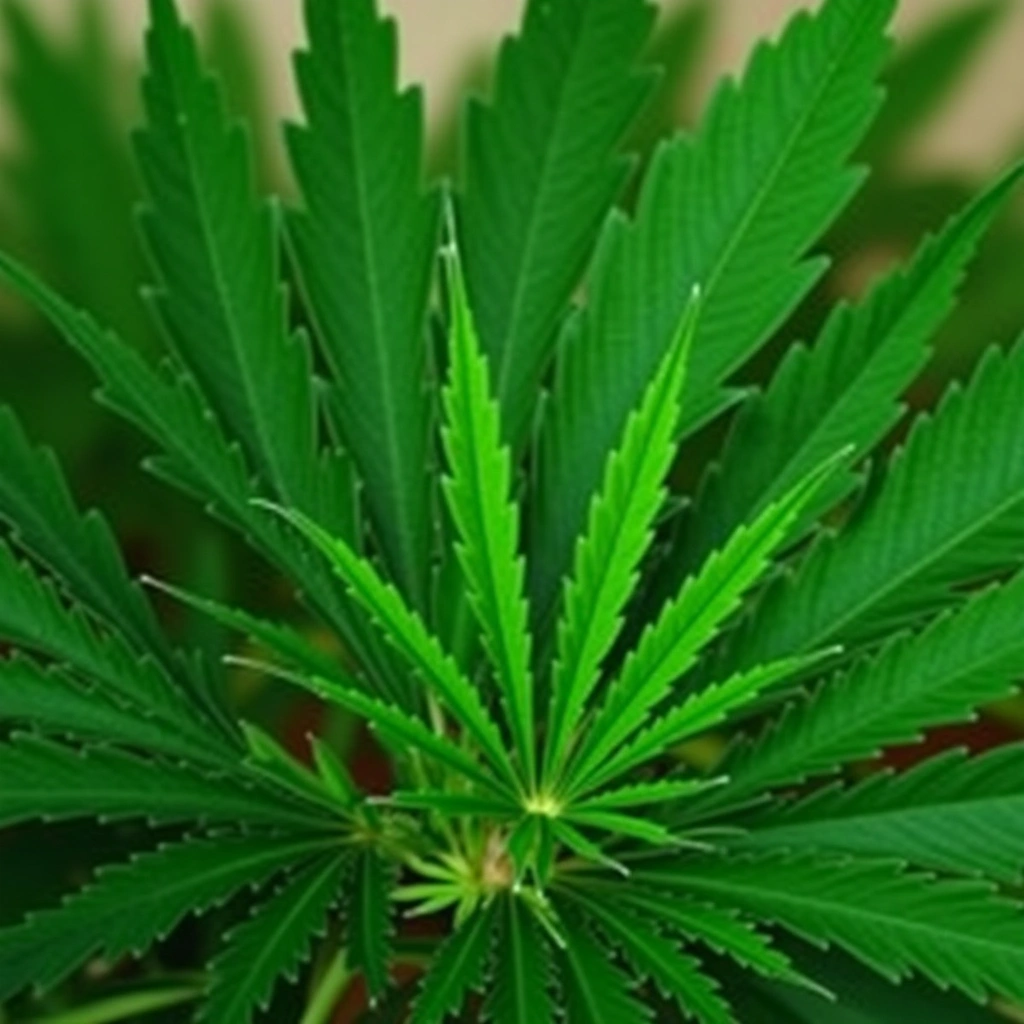
    Hey there, cannabis connoisseurs and curious minds! Grab your favorite snack (preferably something crunchy, because we all know that’s the best munchie) because we’re about to dive into a topic that’s sparking some serious conversation in the scientific community: cannabis leaves and their hidden medical potential.

    That’s right! While most of us have been tossing those green leaves like they’re yesterday’s news (or yesterday’s pizza crust), scientists are saying, “Wait a minute! Don’t throw those away just yet!” Turns out, those leaves are packed with more surprises than a magician at a kid’s birthday party.

    First off, let’s get into the nitty-gritty. Recent research has unveiled that cannabis leaves contain rare compounds that could have significant medical applications. I mean, who knew that the part of the plant we’ve been neglecting might be the unsung hero of the cannabis world? It’s like finding out that the sidekick in a superhero movie has been secretly training to save the day all along!

    But what exactly are these compounds? Well, my friends, they belong to a category known as cannabinoids. While most of us are familiar with the heavy hitters like THC and CBD, cannabis leaves host a variety of lesser-known cannabinoids that could potentially offer therapeutic benefits. Think of them as the quirky relatives that show up to family gatherings: they might not be the main attraction, but they definitely add some flavor to the mix.

    Now, before you rush out to start your leaf-collecting business, let’s talk about the science. Researchers have found that these compounds might aid in treating various ailments, from pain relief to anxiety management. Imagine being able to brew a nice cup of cannabis leaf tea that could help soothe your nerves after a long day of dealing with… well, life. It’s like a spa day in a cup!

    Of course, there’s still a lot of work to be done. Scientists need to conduct more studies to fully understand the benefits and how to harness these compounds effectively. It’s like they’re on a treasure hunt, and we’re all cheering them on from the sidelines, munching on our cannabis-infused snacks.

    Now, some skeptics might roll their eyes and say, “Why bother with the leaves when we have all these fancy oils and edibles?” Well, my friend, that’s the beauty of science! It’s all about exploration and innovation. Who knows what other hidden gems are lurking in the cannabis plant? This could very well be the start of a new trend that leaves the cannabis industry buzzing with excitement.

    So, the next time you’re trimming your plants or enjoying a fresh batch of edibles, remember those neglected leaves. Instead of tossing them in the compost, why not experiment a little? Dry them out, brew them, or even toss them into a smoothie (if you’re feeling adventurous). Who knows? You might just be on the cutting edge of the next big health trend.

    In conclusion, let’s give a round of applause to those humble cannabis leaves. They may not be the stars of the show, but as scientists dig deeper, we might just find that they have a lot more to offer than we ever imagined. So, keep your mind open and your leaves close – you never know what medical magic could be hiding in those green gems!
  • Don’t Toss Those Cannabis Leaves: The Hidden Medical Treasures You Didn’t Know About

    Don’t Toss Those Cannabis Leaves: The Hidden Medical Treasures You Didn’t Know About

    Hey there, plant enthusiasts and wannabe botanists! Today, we’re diving deep into the leafy world of cannabis — and no, I’m not talking about the kind you roll up and smoke while binge-watching your favorite series. I’m talking about the leaves themselves! You know, those green things you usually toss aside like yesterday’s takeout? Well, hold onto your bongs, folks, because it turns out they might be more valuable than we thought.

    Recently, scientists have discovered that cannabis leaves are packed with rare compounds that could potentially transform the medical landscape. Yeah, you heard that right! Those leaves you casually discard might have superhero-like qualities just waiting to be discovered. It’s like finding out that your grandma’s secret cookie recipe is actually a potion for eternal youth. Who knew?

    Let’s face it: when we think of cannabis, our minds often drift to THC and CBD — the dynamic duo of the cannabis world. But what about the leaves? Well, it turns out they contain a treasure trove of compounds that could aid in everything from pain relief to anxiety reduction. So, what gives? Are we really just going to ignore the leafy underdogs? It’s time to give them their moment in the spotlight!

    Now, before you start hoarding those leaves like they’re gold, let’s talk about what scientists have actually found. According to recent studies, these leaves contain unique cannabinoids and terpenes that have shown potential in treating various ailments. From reducing inflammation to possibly fighting cancer cells, these compounds are not just sitting around waiting for someone to roll them. They’re like the wallflowers at a dance party, just waiting for the right moment to shine!

    And here’s where it gets a little controversial: some folks in the cannabis community are all about using the whole plant. While many stick to the buds for their medicinal properties, the leaves are often overlooked. It’s like going to an all-you-can-eat buffet and only loading up on the breadsticks. Sure, they’re delicious, but you’re missing out on the main course! So why not get a little adventurous and explore the full spectrum of what cannabis has to offer?

    But before you start brewing up a cannabis leaf tea or tossing them into your smoothie (which, let’s be real, could end up tasting like a bad science experiment), it’s important to note that research is still ongoing. We’re in the early stages of uncovering all the potential benefits, and not every leaf is created equal. Remember, just because it’s green doesn’t mean it’s good for you. Always do your homework and consult with professionals if you’re considering going down this herbal rabbit hole.

    So, what’s the takeaway here? Next time you’re trimming your plants or cleaning up after a session, think twice before tossing those leaves into the compost. They might just hold the key to your next health breakthrough or a quirky conversation starter at your next dinner party. “Oh, these? Just some cannabis leaves I’m experimenting with. You know, the usual dinner talk!” Who knows, you might just be the next cannabis connoisseur on the block!

    In conclusion, let’s raise a glass (or a joint) to the unassuming cannabis leaves. They may not be the stars of the show, but they are certainly deserving of our attention. So, the next time you find yourself with a handful of those green beauties, remember: don’t toss them, explore them! Who knows what hidden gems you might discover?

  • Why Low-Income Countries Are Winning the Digital Health Literacy Game

    Why Low-Income Countries Are Winning the Digital Health Literacy Game

    So, here’s a juicy little tidbit that might just shake up your preconceived notions about health literacy: a recent survey of 31,000 adults across 30 countries has found that low- and middle-income countries are kicking high-income countries’ butts when it comes to digital health literacy. Yep, you heard that right! Talk about a plot twist worthy of a Netflix original series!

    Now, you might be sitting there, sipping on your overpriced artisanal coffee and thinking, ‘How can this be? Aren’t we the ones with all the fancy gadgets and high-speed internet?’ Well, grab your popcorn because we’re diving deep into this digital rabbit hole.

    First off, let’s address the elephant in the room: access to healthcare. In many low- and middle-income countries, the healthcare system might not be as robust as it is in places like the USA or Germany, but that doesn’t mean people aren’t trying to take charge of their health. In fact, many individuals in these regions are leveraging digital tools to navigate their healthcare challenges, often out of sheer necessity. It’s like they’ve turned adversity into an Olympic sport!

    On the other hand, high-income countries, with their shiny health apps and extensive medical resources, often have a populace that’s, shall we say, a bit spoiled. With so many options available, it’s easy to get lost in the digital jungle. You know, the type of jungle where you can spend hours comparing 30 different types of vitamin C supplements instead of just picking one and moving on with your life.

    Moreover, in wealthier nations, there’s a growing trend of relying on healthcare professionals for everything. It’s like we’ve collectively decided that Googling our symptoms is basically like reading the back of a cereal box. Little do we know, sometimes the best doctor is the one who actually watches Dr. House reruns at 2 AM!

    But let’s not forget about the role of education! In many low- and middle-income countries, communities often emphasize the importance of understanding health information digitally. They’re turning to social media and online resources to educate themselves, whether it’s about the latest vaccines, healthy eating, or how to get rid of that pesky cough without breaking the bank. They’re practically health detectives, using every tool at their disposal!

    So, what can we learn from this surprising finding? Well, it’s a classic case of necessity being the mother of invention. While high-income countries are busy drowning in data, low- and middle-income countries are out there mastering the art of digital health literacy like it’s an extreme sport. It’s time to put down the avocado toast for a moment and take notes!

    In conclusion, let’s not underestimate the power of digital health literacy in places where it’s truly needed. Maybe it’s time for high-income countries to step back, learn a few lessons, and remember that sometimes, the underdog can teach us a thing or two. And who knows? Maybe we’ll find a way to bridge that gap and come together in our quest for better health, one meme at a time. Cheers to that!

  • FDA Approves Revolutionary Non-Medication Treatment for Depression: Is This the Future of Mental Health?

    FDA Approves Revolutionary Non-Medication Treatment for Depression: Is This the Future of Mental Health?

    Hey there, mental health warriors! Grab your favorite snack, make sure you’re sitting comfortably, and let’s dive into some groundbreaking news that might just make you do a happy dance in your living room. Yes, you heard it right: the FDA has approved a new treatment for depression that doesn’t involve the usual suspects—medications! So, put down that prescription pad and let’s explore this brave new world of mental health care.

    Now, before you start picturing a bunch of scientists in lab coats throwing confetti because they finally figured out how to treat depression without pills, let’s talk about what this actually means. You see, the FDA has given the thumbs up to a treatment that focuses on holistic approaches—think therapy, lifestyle changes, and maybe even some good old-fashioned self-care. It’s like they finally realized that mental health isn’t just about balancing brain chemicals!

    But wait! Don’t go running off to sign up for yoga classes just yet. This new treatment isn’t just about chanting “om” and sipping herbal tea (though, let’s be honest, that does sound nice). It encompasses a range of techniques, including cognitive behavioral therapy (CBT), mindfulness practices, and possibly even some cutting-edge technology that can help with brain stimulation. And no, I’m not talking about sticking your head in a microwave!

    Now, you might be asking, “Why is this important?” Well, my friend, it’s because many people struggle with depression and don’t always respond to traditional medications. It’s like that awkward moment when your friend insists that pineapple belongs on pizza, and you just can’t understand why. Everyone’s brain is wired differently, and some folks simply don’t vibe with antidepressants. So, having alternative options is like having a buffet of mental health treatments rather than a single sad slice of pizza.

    But, let’s not ignore the skeptics in the room. Some might say, “Are we really ready to ditch the meds?” And to that, I say: let’s not throw the baby out with the bathwater! Medications can be lifesavers for many. They’re like the trusty sidekick in a superhero movie—necessary and often underappreciated. However, this new approval opens the door for a more tailored approach to mental health, which is something we can all get behind.

    Of course, as with any new treatment, there are questions. Will insurance cover this? Can you really find a therapist who won’t tell you to just breathe through your problems? And what about the people who are just looking for a quick fix? Spoiler alert: there’s no magic pill for mental wellness. It’s a journey, folks, and sometimes it can feel like you’re hiking up a mountain while wearing roller skates. But hey, if you can laugh at the absurdity of it all, you’re already halfway there!

    In conclusion, the FDA’s approval of this new non-medication treatment for depression is a monumental step in the right direction. It’s not just about throwing more options into the mix; it’s about recognizing that mental health care should be as diverse as the people it serves. So, whether you’re a fan of therapy, tech, or just a good old-fashioned chat with your bestie, remember that you’re not alone in this journey.

    Let’s raise a glass (of kombucha or whatever floats your boat) to a future where mental health treatment is as varied and colorful as a box of crayons. Cheers to that!

  • Why Aren’t More Parents Getting Their Kids the Flu Vaccine? Let’s Break It Down!

    Why Aren’t More Parents Getting Their Kids the Flu Vaccine? Let’s Break It Down!

    Hey there, fellow health enthusiasts and worried parents! Let’s dive into a topic that’s been floating around like a rogue balloon at a kid’s birthday party: the flu vaccine, particularly when it comes to our little ones. Buckle up, because we’re about to unpack why the flu vaccine is a superhero in disguise, reducing severe illness in kids, while simultaneously being as popular as a dentist appointment.

    First off, let’s talk numbers. Studies have shown that the flu vaccine can significantly reduce the risk of severe illness in children. Think of it as a shield that protects your tiny humans from the nasty flu virus that’s lurking out there, waiting to invade playdates and snack time like an uninvited guest. But here’s the kicker—despite this, vaccination rates among kids are still lower than a limbo stick at a family reunion. Why?

    One reason could be the infamous misinformation monster lurking in the shadows. You know, the one that tells you vaccines are made from unicorn tears and fairy dust? Yeah, that guy. Many parents are bombarded with conflicting information, leading to confusion and hesitation about vaccinating their kids. It’s like trying to choose a Netflix movie with too many options—eventually, you just end up watching reruns of Friends instead.

    Another culprit could be the good ol’ “it’s just the flu” mentality. Some folks believe that the flu is merely a bad cold, and their kids can tough it out. Spoiler alert: that’s not the case! The flu can lead to some serious complications, like pneumonia or hospitalization. Do you really want to roll the dice on your kid’s health just because they might have a runny nose? I didn’t think so.

    Let’s not forget the accessibility issue. For some families, getting to a vaccination site can feel like planning a cross-country road trip. Long lines, unpredictable schedules, and the sheer chaos of managing kids can make the process more daunting than a horror movie marathon. If only vaccines were as easy to get as a slice of pizza—no one would say no to that!

    So, what can we do about it? First, let’s start a conversation! Parents, caregivers, and healthcare providers should discuss the benefits of the flu vaccine openly. Share personal stories, and let’s bust those myths wide open. Also, let’s advocate for better access to vaccines—imagine a world where you could get your flu shot while picking up groceries! Who wouldn’t love that?

    In conclusion, while the flu vaccine is a proven hero in protecting our children from severe illness, we still have some hurdles to jump over. It’s time we put on our capes and work together to ensure every kid gets the protection they need. So, next time you’re at the pediatrician, give that vaccine a chance—it might just save your kid from a season of sniffles and missed playdates. And let’s face it, no one wants to be stuck at home with a sick kid and their favorite Peppa Pig episode on repeat!

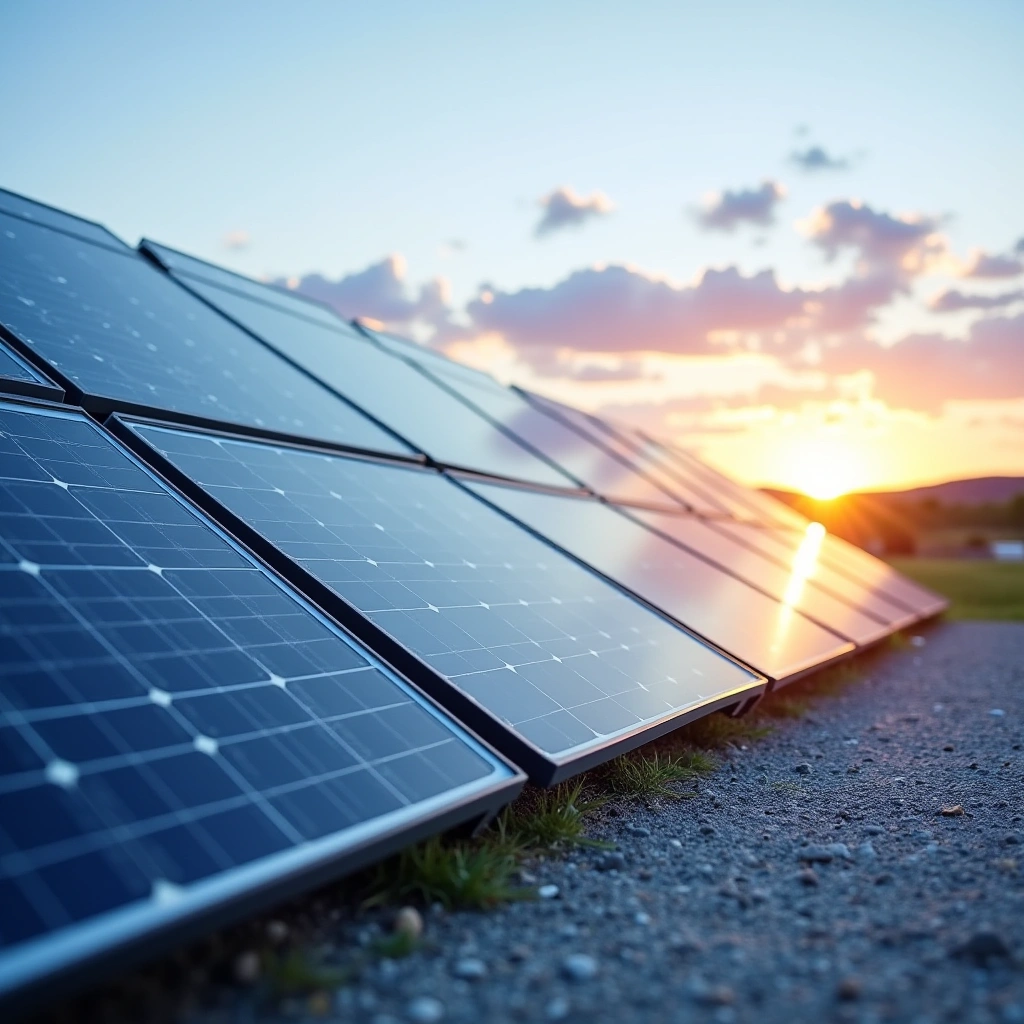
  • Unraveling the Solar Backlash: Why Unfounded Health Concerns Are Casting Shadows on Clean Energy

    Unraveling the Solar Backlash: Why Unfounded Health Concerns Are Casting Shadows on Clean Energy

    Hey there, fellow eco-warriors and skeptics alike! It seems like every time we turn around, there’s a new health scare lurking in the shadows, ready to pounce on our beloved clean energy solutions. And guess what? Solar power is the latest victim in this game of blame. Buckle up, because we’re about to dive into why some folks are waving their arms in panic over solar panels like they just spotted a bear in the woods.

    First things first, let’s talk about the elephant in the room—or should I say, the solar panel on the roof? Many people are convinced that solar panels are secretly plotting to steal our health right out from under us. You know, the usual suspects: electromagnetic fields (EMFs), radiation, and all that jazz. But wait! Before you throw your hands up in despair and start searching for an underground bunker, let’s dig a little deeper.

    EMFs? Sure, they exist! But let’s be honest, they’re everywhere. Your toaster, your microwave, even that Wi-Fi router that you swear is out to get you—yes, they all emit EMFs. Yet, we don’t see people protesting their toasters, right? Maybe it’s time to take a breath and realize that solar panels are not equipped with a ‘sneaky radiation mode.’ In fact, studies show that the levels of EMFs emitted by solar panels are far below the safety limits set by health authorities. So, unless you plan to hug a solar panel for an extended period, you should be just fine.

    Now, let’s chat about the big bad wolf of the health scare world: radiation. People often confuse solar panels with nuclear power, and that’s where the confusion begins. Spoiler alert: solar panels don’t emit harmful radiation. They convert sunlight into electricity, not into mysterious rays that will turn you into the Incredible Hulk. So, if you’re worried about becoming a superhero due to your rooftop solar setup, you can relax—unless you want to start wearing spandex.

    But let’s not forget the psychological aspect of it all. Fear is a powerful motivator. When people hear the word ‘radiation,’ their imaginations can run wild. It’s like when you hear the word ‘spider’ and suddenly envision a tarantula on your face. The truth is, misinformation spreads faster than a viral cat video, and before you know it, you’ve got a full-blown solar backlash on your hands.

    So, what’s fueling this solar skepticism? Could it be a case of FOMO (Fear of Missing Out) on fossil fuels? Perhaps! People are often resistant to change, especially when it feels like their old-school lifestyle is being threatened by renewable energy. The reality is, transitioning to solar doesn’t mean you have to give up your morning coffee or your love for fast food—unless you’re trying to power your espresso machine with solar energy, in which case, good luck!

    Moreover, the fossil fuel industry isn’t sitting back and letting this solar revolution happen without a fight. They’ve got a vested interest in keeping us hooked on their products, and misinformation is a potent weapon in their arsenal. It’s like watching a bad movie where the villain is desperately trying to keep the hero from saving the day. Spoiler alert: the hero usually wins, and in this case, the hero is solar energy.

    In conclusion, while it’s perfectly normal to have questions and concerns about new technologies, let’s make sure we’re not letting unfounded fears dictate our energy choices. Solar power has the potential to light up our lives—literally! So, the next time you hear someone spreading wild tales about solar panels and their supposed health risks, just smile, nod, and remind them that their toaster is probably more dangerous. After all, it’s all about balance, right? Now, who’s ready to embrace the sun?

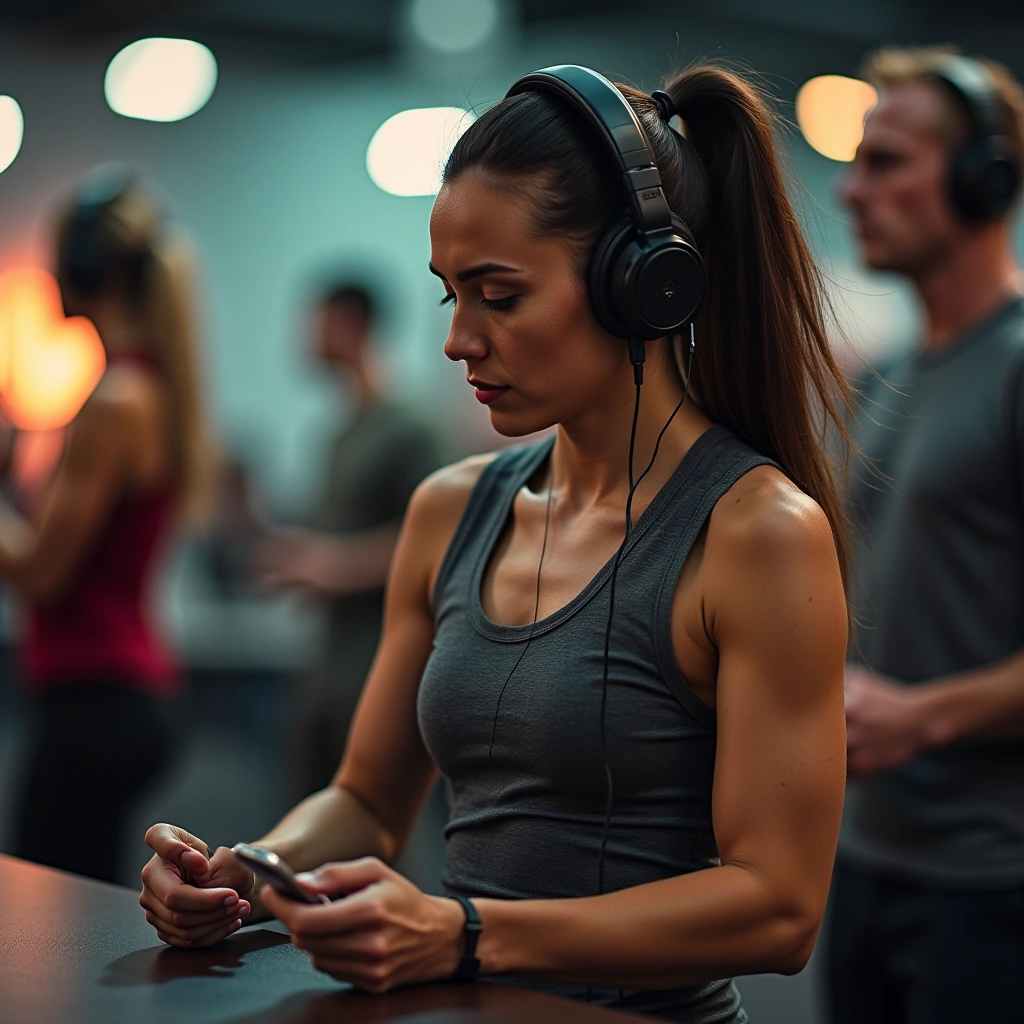
  • Spotify’s Next Frontier: Why Fitness Content is the New Frontier for Your Playlist

    Spotify’s Next Frontier: Why Fitness Content is the New Frontier for Your Playlist

    Hey there, fellow fitness enthusiasts (or couch potatoes, we don’t discriminate)! So, Spotify is diving headfirst into the world of fitness content, and honestly, it’s about time. I mean, we’ve all been there—trying to get pumped up for a workout while scrolling through the same old playlists of sad breakup songs. But now, Spotify is looking to change the game, and I’m here for it!

    First off, let’s talk about the elephant in the gym: who actually enjoys working out? If you raised your hand, you’re either a mutant or a liar. For the rest of us, we need all the motivation we can get, and what better way than through the magic of music and podcasts? Spotify has realized that our ears can be just as beneficial as our muscles, and they’re bringing in the big guns.

    Picture this: you’re halfway through a grueling set of squats, and instead of hearing your own wheezing, you’re grooving to a killer playlist designed specifically for leg day. Or maybe you’re jogging through your neighborhood, and instead of your usual “I should really stop for a donut” thoughts, you’ve got a motivational podcast blasting in your ears, telling you how amazing you are. Yes, please!

    Spotify’s move into fitness content isn’t just about music, though. They’re looking to create a full-on experience. Think guided runs, yoga sessions, and even meditation tracks for when you inevitably collapse on the floor post-workout, gasping for air. This means you can finally stop pretending you know how to breathe deeply when you’re really just trying to catch your breath.

    Now, let’s address the elephant in the room again—what about those of us who are still sitting on our couches, binge-watching the latest season of Your Favorite Show? Fear not! Spotify’s fitness content will also cater to the lazy folks. They could roll out workout plans that involve minimal effort—like “30-minute couch stretches” or “how to flex your thumbs while scrolling.” It’s a win-win!

    And let’s not forget the social aspect. Spotify could easily integrate fitness challenges, where you can compete with your friends to see who can run the most miles while still managing to eat an entire pizza in one sitting. Imagine the bragging rights! “I ran 5 miles today, and I still have room for dessert!” Now that’s the kind of motivation we can get behind.

    In the end, Spotify entering the fitness realm is like when your favorite restaurant suddenly starts serving breakfast—unexpected but incredibly welcome. If they can take away the dread of workouts and replace them with fun, engaging content, then who knows? We might all end up with six-pack abs, or at least, the ability to lift our grocery bags without calling for backup.

    So, here’s to Spotify’s fitness content. May it inspire us, motivate us, and hopefully, keep us from succumbing to the siren call of our comfy couches. Now, if only they could create a playlist that makes kale taste like pizza, we’d be golden!

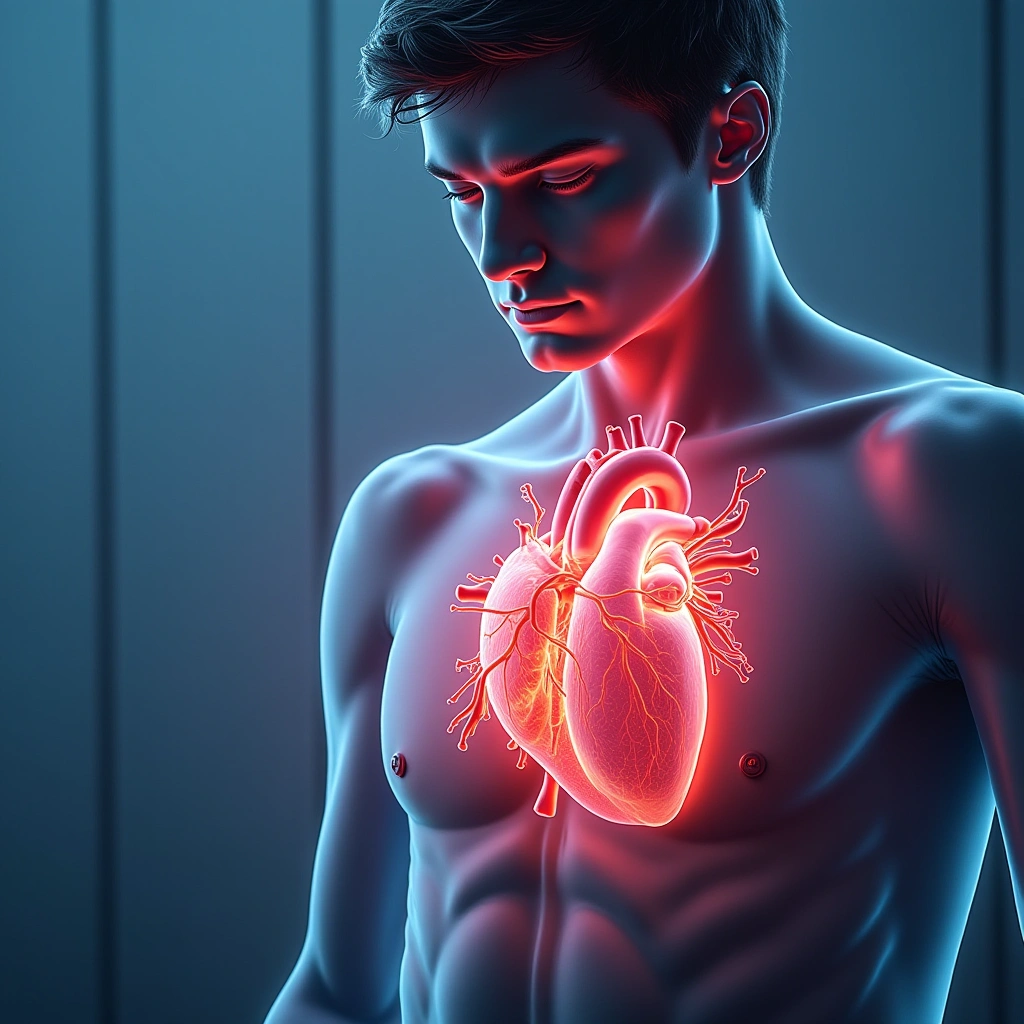
  • The 20-Second Heart: Why Medical Students Might Just Be the Next Picassos

    The 20-Second Heart: Why Medical Students Might Just Be the Next Picassos

    Have you ever seen a medical student draw a heart in just 20 seconds? It’s like witnessing a miracle, except instead of divine intervention, it’s a caffeinated brain on the verge of a breakdown. You might be wondering, what’s the big deal? Well, let me tell you, in the world of medical school where time is a luxury and sleep is a distant memory, those 20 seconds are worth their weight in gold!

    First off, let’s talk about the anatomy of the heart. No, I don’t mean the biological intricacies of the left ventricle or the right atrium. I’m talking about the real deal—the universal symbol of love, passion, and the occasional heartbreak. It’s the one thing that can speak volumes even when you’re just trying to say “I love pizza.” So, when a medical student draws a heart in under half a minute, they’re not just flexing their artistic muscles; they’re also showcasing their deep-rooted appreciation for the organ that keeps us alive and, more importantly, the one that keeps the pizza delivery guy in business.

    Now, imagine the scene: a group of med students, bleary-eyed and clutching their third cup of coffee, gathered around a whiteboard. The instructor calls for a demonstration, and suddenly, they channel their inner Van Gogh. In 20 seconds flat, a heart appears, and it’s not just any heart—it’s a heart that could probably pass a basic anatomy quiz! Who knew that amidst studying for exams, learning about pharmacology, and dissecting cadavers, there was time to nurture their artistic flair?

    But wait, it gets better. This isn’t just about drawing; it’s about the sheer absurdity of medical school life. Picture this: a student juggling textbooks, coffee cups, and the misguided notion that they can have a social life while mastering a gazillion medical terms. It’s a circus act, and somehow, they still find time to be creative. If that’s not impressive, I don’t know what is!

    So, what’s the takeaway here? Drawing a heart in 20 seconds is more than just a fun fact; it’s a testament to the resilience and creativity of future doctors. It proves that even in the face of daunting lectures and endless exams, there’s room for a little humor and artistry. Plus, it gives us hope that when they become actual doctors, they’ll have the dexterity to sketch a heart on a prescription pad in case of emergencies. Okay, maybe that’s pushing it a bit, but you get the idea!

    Next time you come across a medical student, take a moment to appreciate their talents beyond the textbooks. They might just surprise you with a heartwarming doodle—and if you’re lucky, a few funny stories from their sleep-deprived adventures in med school. After all, who says you can’t mix a little art with medicine? In a world full of chaos, we all need a little heart, even if it’s drawn in 20 seconds!

  • Let My Dude Sleep: The Importance of Sleep for Mental Health and Productivity

    Let My Dude Sleep: The Importance of Sleep for Mental Health and Productivity

    Hey there, sleep enthusiasts and night owls! Today, we’re diving into a topic that’s as crucial as your morning coffee: sleep. You know, that magical state where you dream about being a superhero or having a casual chat with your pet goldfish? Yes, that’s the one! So, let’s talk about why we should all be shouting, “Let my dude sleep!” from the rooftops.

    First off, let’s address the elephant in the room—or should I say, the snoozing sloth? Sleep isn’t just a luxury; it’s an absolute necessity! Our brains need it like your best friend needs that last slice of pizza at a party. It’s during these precious hours of slumber that our brains detox, sort through memories, and prepare for the chaos of the next day. Think of it as your mind’s version of a spa day, complete with cucumber slices and soothing music!

    Now, let’s sprinkle some science on this snooze-fest. Studies have shown that lack of sleep can lead to a buffet of issues including decreased cognitive function, mood swings, and even a higher risk of chronic illnesses. So, if your buddy has been pulling all-nighters like a college student cramming for finals, it’s time to intervene. Seriously, nobody wants to see their friend transform into a grumpy troll who scares away the local wildlife!

    And let’s not forget the productivity aspect. Have you ever tried to work on a project when you’re running on empty? It’s like trying to drive a car with no fuel; you might get a few miles in, but soon enough, you’ll be stranded in the middle of nowhere, wondering why you didn’t just stop for gas, or in this case, a good night’s sleep. When we’re well-rested, we’re sharper, more creative, and able to tackle life’s challenges like a pro.

    So, how can we ensure our dudes (and dudettes) are getting the sleep they need? First, let’s institute a “no screens after 8 PM” policy. Yes, that means no more scrolling through Reddit in bed until your eyes feel like they’re about to fall out. Instead, swap that phone for a good book—preferably one that doesn’t involve dragons or complex time travel theories unless that’s your thing. A calming bedtime routine can work wonders!

    Another tip? Create a sleep sanctuary! That means comfy pillows, blackout curtains, and maybe even a white noise machine if you’re fancy. The goal is to create an environment that’s so cozy, even a bear would think twice before hibernating. Trust me, your sleep will thank you.

    In conclusion, let’s rally together and advocate for sleep like it’s the latest TikTok dance trend. Because, really, who doesn’t want to see their friends thriving instead of resembling zombies from a B-rated horror flick? So next time you see your dude struggling to keep their eyes open, just remember: Let my dude sleep! It’s not just a plea; it’s a rallying cry for better mental health, productivity, and a happier life. Now, excuse me while I go take a nap, because even the best bloggers need their beauty sleep!

  • UK Biobank Health Data Scandal: Are Our Secrets Up for Grabs?

    UK Biobank Health Data Scandal: Are Our Secrets Up for Grabs?

    Hey there, health enthusiasts and data skeptics! Grab your favorite snack (preferably something healthy, because, you know, UK Biobank and all that) and let’s dive into the juicy drama of data privacy that just dropped like a hot potato. Yes, you heard it right: UK Biobank health data has been listed for sale in China. And no, this isn’t the plot of a new sci-fi movie; it’s happening in real life!

    First off, let’s break down what UK Biobank is. Picture a giant treasure chest filled with health data collected from half a million people – everything from genetic information to lifestyle factors. This is basically the Holy Grail for researchers looking to understand diseases and improve public health. However, if treasure chests get stolen, we might have a problem on our hands.

    Now, the UK government has confirmed this shocking news. It’s like finding out your favorite band is actually a hologram. The revelation has sent shockwaves through the scientific community, not to mention the average Joe who signed up for the biobank thinking their data was safe, secure, and only accessible for good. Surprise! It’s now a hot commodity on the black market!

    Let’s talk implications, shall we? First, there’s the obvious concern about privacy. If your health data ends up in the hands of someone selling miracle cures for that mysterious ailment you’ve been too embarrassed to admit you have (looking at you, toe fungus), your life could take a turn for the worse. Imagine your data being used to tailor ads for questionable health supplements or, worse, being exploited in ways you never imagined. “Lose weight fast with our new pill! Side effects include… well, you might not want to know!”

    And then there’s the ethical dilemma. Researchers and institutions have a duty to protect the data provided by individuals who trusted them. By allowing this data to be sold, it raises a plethora of questions about consent and responsibility. Was this data meant to be a treasure to be shared, or a Pandora’s box that should have remained tightly sealed? Talk about a moral conundrum!

    Now, some might argue that data is just data, and we should all be more open about sharing information for the greater good. “Hey, I’m fine with my health data being used. The more, the merrier!” they say, while sipping on their kale smoothie. But let’s be real – not everyone wants their private health information turned into a new trending dataset on a Chinese marketplace. It’s like throwing a surprise party and inviting everyone except the guest of honor!

    Moreover, this situation highlights the need for stronger regulations surrounding data privacy. We need a superhero – or at least a very competent data protection officer – to come to the rescue. Is it too much to ask for a world where our health data is treated like a precious artifact rather than a cheap trinket?

    In conclusion, the UK Biobank health data scandal is a wake-up call for all of us. It serves as a reminder that, while we love sharing our lives on social media, some things should remain private. So, let’s keep our data close and our health secrets even closer. And who knows, maybe one day we’ll live in a world where our data is treated with the respect it deserves. Until then, stay safe and keep your health data under wraps!