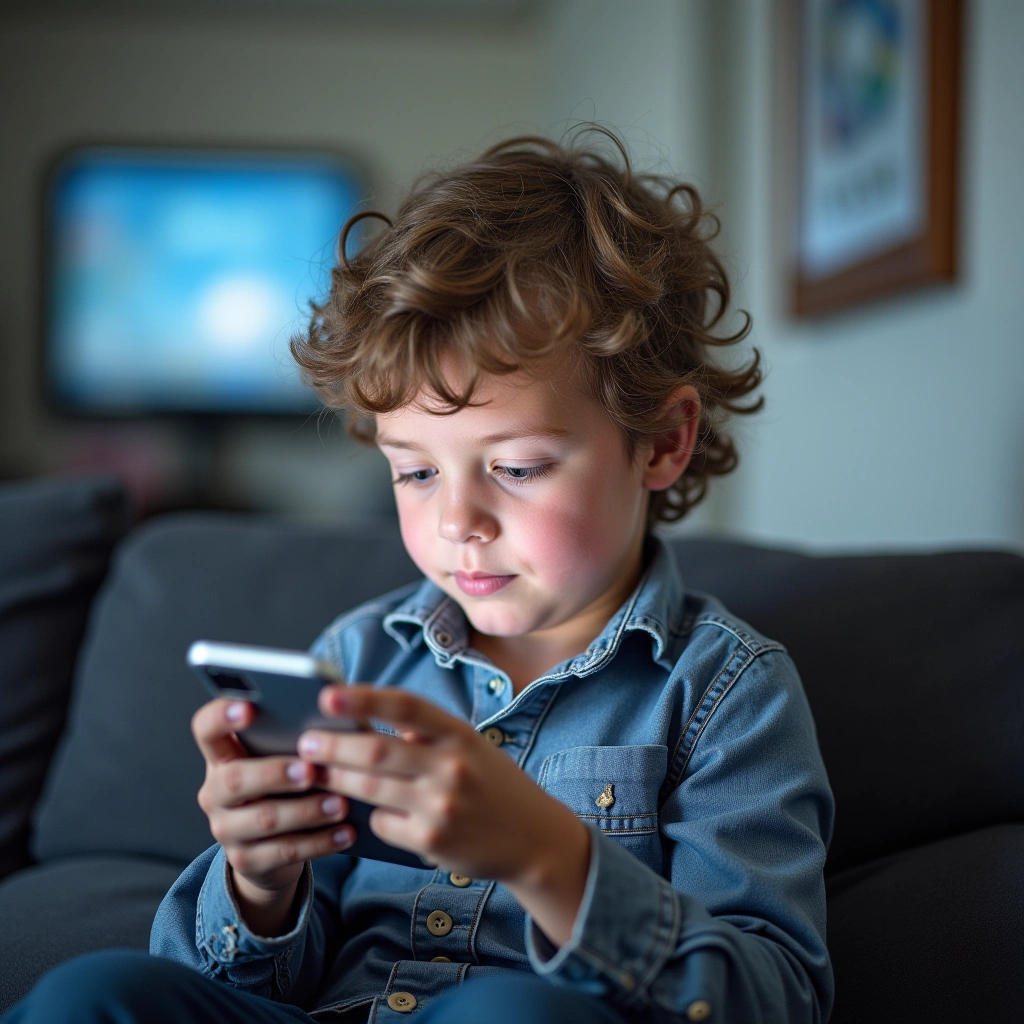
Ah, social media—the double-edged sword of our generation. On one side, you have the ability to connect with anyone, anywhere, and on the other, a never-ending scroll of curated perfection that can make even the most self-assured teenager question their existence. Recently, there has been a growing movement advocating for bans on social media for kids, with the belief that it’ll protect their mental health. But is this really the answer, or are we just throwing the baby out with the bathwater?
It concluded: “Contrary to the current cultural narrative that social media is universally harmful to adolescents, the reality is more complicated.” She is not alone in her scepticism about some of the claims being made for the link between …
Let’s take a closer look at the situation. The argument for banning social media usually revolves around the idea that it can lead to anxiety, depression, and a whole host of other mental health issues. And sure, there’s research that supports this. Studies have shown that excessive social media use can correlate with feelings of inadequacy and loneliness. But here’s where things get a bit murky—correlation does not equal causation. Just because kids are scrolling through Instagram doesn’t mean that’s the sole reason they’re feeling down in the dumps.
Let’s face it, kids have been experiencing social pressures long before the advent of the smartphone. Remember those days of passing notes in class? Yeah, that was basically the 90s version of social media, and it wasn’t exactly a walk in the park either. So, while it’s easy to point fingers at social media as the villain, it might be more beneficial to look at the bigger picture.
What if we shifted the focus from outright banning social media to educating kids on how to use it responsibly? After all, the internet isn’t going anywhere, and neither are those cute cat videos that we all secretly love. Empowering young people to navigate social media with the same skills they learn in sex ed or driver’s ed could be a game-changer. Imagine a world where kids learn how to identify misinformation, recognize toxic online behaviors, and understand the importance of digital boundaries. Sounds much healthier than just saying, “Nope, you can’t use it at all!”
Of course, there’s also the argument about parental control. It’s no secret that kids are digital natives, and they often know more about technology than their parents. This can lead to a situation where parents feel completely out of their depth. But instead of resorting to bans, how about a little family tech time? Sit down together, explore social media, and keep the lines of communication open. Who knows, you might even discover that your teenager has a TikTok account where they post the most cringe-worthy dance moves. Bonus points for bonding over shared embarrassment!
Now, let’s address the elephant in the room: not all social media is created equal. While platforms like Facebook and Instagram can contribute to feelings of inadequacy, others, like forums or niche communities, can provide support and connection. For some kids, social media is a lifeline, a place where they can find others who understand their struggles. Banning social media outright could inadvertently cut them off from valuable support networks.
So, what’s the verdict? Should we ban social media for kids? My take is a resounding maybe. It’s not as simple as a black-and-white answer, and it’s crucial to consider the individual needs and circumstances of each child. Instead of a blanket ban, let’s focus on education, communication, and moderation. After all, a little bit of digital interaction can go a long way when it’s balanced with real-life experiences.
At the end of the day, let’s not forget that technology is a tool. And like any tool, it can be used effectively or ineffectively. Instead of painting social media as a villain, let’s teach our kids to be the superheroes of their own digital worlds. Because who wouldn’t want to have a superpower like that?
Inspired by: “The social media ban sceptic: are we getting it wrong on kids, tech and mental health?” (r/technology)