Category: Business

  • The Linux Market Share Myth: Blame it on the Bots!

    The Linux Market Share Myth: Blame it on the Bots!

    Ah, the age-old debate of Linux vs. the world. If you’ve ever wandered into a tech forum or a Reddit thread, you’ve probably come across claims that Linux has finally broken the 10% market share barrier. Exciting, right? I mean, who wouldn’t want to celebrate a victory for the underdog? But hold your horses, because it turns out this exciting news might just be a case of mistaken identity—or rather, mistaken metrics.

    PCWorld reports that recent claims of Linux desktop market share exceeding 10% in North America are likely inflated by AI bots masquerading as legitimate traffic.

    So, what’s the deal? Recent reports have suggested that Linux has reached a double-digit market share. Cue the confetti and celebratory Linux penguins! But, as it turns out, a closer look reveals that this figure is less about Linux’s actual usage and more about the bots wreaking havoc on data collection. Yes, you heard that right—bots.

    You see, when we talk about market share, we’re usually referencing the operating systems that people are actually using to browse the web. Companies like StatCounter and NetMarketShare gather data based on user activity. Unfortunately, these numbers can be skewed by automated traffic from bots that are far more common than we’d like to admit. And guess what? Many of those bots are running on Linux.

    So, the next time you see that shiny 10% figure, remember that it might be more about bots checking in on their favorite websites rather than actual humans enjoying the wonders of Ubuntu while sipping artisanal coffee. It’s like counting the number of imaginary friends at a party to prove you have a great social life. Spoiler alert: it doesn’t work.

    But let’s not be too harsh on Linux. It’s a fantastic operating system with a dedicated community and a plethora of benefits, including customization, security, and, of course, being open-source. However, the reality is that it still trails behind Windows and macOS in terms of desktop usage. And while Linux is thriving in server environments, data centers, and among developers, the desktop market is still a tough nut to crack.

    So, what can we learn from this little episode? First, let’s embrace the fact that Linux is a powerful player in the tech world, but let’s also be realistic about what those market share numbers actually mean. It’s easy to get swept up in the excitement of growth, but we need to keep our feet on the ground and our heads out of the clouds—especially when those clouds are filled with bot traffic.

    In conclusion, while it’s tempting to celebrate Linux’s alleged rise to 10% market share, let’s do so with a grain of salt. Or maybe a whole salt shaker. Remember, it’s not the bots we should be thanking for this supposed victory, but rather the passionate community and developers behind the scenes who keep the Linux dream alive. Now, if only we could get those bots to take a break and let the real users shine, we might just see a more accurate picture of Linux’s true market presence. Until then, keep those celebratory penguins on standby and let’s hope for a future where the numbers reflect reality a little more accurately!


    Inspired by: “No, Linux didn’t actually hit 10% market share. Blame bots” (r/technology)

  • Reddit Stock Takes a Dive: What Happened and Why You Should Care

    Reddit Stock Takes a Dive: What Happened and Why You Should Care

    Well, folks, it looks like Reddit’s stock has decided to take a nosedive, and not the graceful kind you see in Olympic diving competitions. Nope, this is more of a belly flop that leaves everyone in the audience cringing.

    Reddit shares plummeted over 23% in late July 2026, despite reporting a strong Q2 with $805 million in revenue and beating earnings estimates, because investors are prioritizing long-term traffic risks over short-term financial beats. The primary catalyst was CEO Steve Huffman’s warning that Google search referrals have become "choppy" due to the integration of AI-generated summaries, which threatens Reddit’s traditional user acquisition funnel. This divergence highlights a critical market shift where AI infrastructure giants like Alphabet are benefiting from the same AI trends that are simultaneously disintermediating content platforms like Reddit by reducing click-through traffic.

    Recently, Reddit’s stock tumbled the most on record, and it seems that investors are not exactly thrilled with the latest updates—or lack thereof—regarding new AI deals and daily user metrics in the U.S. You know, the things that keep investors awake at night, tossing and turning, wondering if their money is safe. Spoiler alert: it’s not.

    So what exactly happened? Well, it turns out that Reddit has been struggling to secure new AI partnerships. In a world where AI is the shiny toy everyone wants to play with, Reddit seems to be sitting in the corner, clutching its old action figures. While other tech companies are busy forming alliances that make them look like the Avengers of the digital world, Reddit is left trying to explain why it’s still using dial-up internet.

    And if that wasn’t enough to send investors into a panic, the reported daily user metrics in the U.S. were less than stellar. Imagine throwing a party and only your mom shows up—awkward, right? That’s basically what happened to Reddit. The platform that once boasted a vibrant community and a constant influx of memes now seems to be struggling to keep its numbers up.

    Now, before you start feeling sorry for Reddit, let’s remember that this is a platform that has managed to thrive on the whims of its users—who, let’s face it, can be as unpredictable as a cat on catnip. One day, a post about a squirrel wearing a tiny hat goes viral, and the next, it’s all about bread-making tips. Who knows what the next trend will be?

    But here’s the kicker: Reddit’s stock is not just a reflection of its daily users or the latest AI deal (or lack thereof). It’s also about perception, and right now, the perception isn’t great. Investors are looking for growth, innovation, and the ability to adapt to a rapidly changing tech landscape. And right now, Reddit looks like that one friend who still uses a flip phone.

    So, what does this mean for the future of Reddit? Well, it’s hard to say. Maybe they’ll pull a rabbit out of a hat and come up with an amazing new feature that will have users flocking back in droves. Or maybe they’ll continue to flounder in the digital sea, hoping for a lifeboat.

    In the end, we’ll have to wait and see how this all plays out. But for now, if you’re an investor, it might be time to hold onto your wallets a little tighter. And if you’re a Reddit user, well, maybe it’s time to start posting more about your cat. After all, everyone loves a good cat meme, and who knows? It might just save Reddit from sinking even further.


    Inspired by: “Reddit stock tumbles the most on record as lack of new AI deals, US daily users metric disappoints” (r/technology)

  • Why VC-Backed Startups Might Be More Susceptible to Fraud: A Deep Dive

    Why VC-Backed Startups Might Be More Susceptible to Fraud: A Deep Dive

    Ah, venture capital! The glittering gold rush of our time where dreams are funded, and sometimes, let’s be honest, where reality takes a backseat. It’s a wild world out there in the startup ecosystem, and recent research suggests that VC-backed startups might just be more prone to committing fraud than their bootstrapped counterparts. So, grab your favorite beverage, and let’s unpack this intriguing phenomenon.

    VC-backed firms are 54% more likely to face fraud charges than comparable non-VC-backed firms, a trend linked to eroding investor governance and founder-friendly contracts that prioritize rapid growth over oversight. Research indicates that fraud is driven more by structural incentives—such as complex cap tables and hot market conditions—than by individual founder characteristics, creating an environment where dishonesty is easier to commit and harder to detect. Additionally, the lack of market discipline allows fraudulent entrepreneurs to launch new startups unharmed, perpetuating a cycle of risk within the venture capital ecosystem.

    First, let’s talk about what’s happening in the VC world. Venture capitalists are like the fairy godparents of the business world. They sprinkle their magic (a.k.a. cash) on promising startups in hopes of turning them into the next unicorn. But here’s the catch: the pressure to deliver results can be absolutely intense. Imagine being in a race where everyone else is a cheetah, and you’re a tortoise trying to keep up. Not exactly a recipe for calm decision-making, right?

    Researchers have found that the high stakes of securing funding can lead some startups down a slippery slope. When the clock is ticking and investors are breathing down their necks, some entrepreneurs might think, “Hey, what’s a little embellishment here and there?” This can lead to a culture where stretching the truth becomes the norm. After all, who doesn’t want to show off some impressive growth metrics, even if they’re just a tad… shall we say, creatively interpreted?

    But why do VC-backed startups seem to engage in this behavior more than others? One theory suggests that the very nature of VC funding creates an environment ripe for fraud. When startups are backed by large investments, there’s often an expectation for rapid growth. Investors want to see returns, and they want to see them now! This can lead to a kind of performance pressure that might make even the most honest entrepreneur consider a little creative accounting.

    Let’s not forget the role of competition in this scenario. In the startup world, it’s not just about being good; it’s about being the best. With so many companies vying for the same pool of investment, some founders might feel that the ends justify the means. It’s a bit like a high-stakes game of poker, where bluffing is part of the strategy, and the stakes are your company’s future.

    Of course, it’s not all doom and gloom. Many VC-backed startups operate with integrity and transparency. But the pressure cooker environment can sometimes lead to poor decisions by a few bad apples. It’s like that one friend who insists on trying to take the last slice of pizza, even though everyone else is clearly eyeing it.

    So, what’s the takeaway here? For investors, it’s crucial to dig deeper than the shiny surface of a startup’s pitch. Look beyond the numbers and ask the tough questions. And for entrepreneurs, remember that while the allure of quick funding is tempting, maintaining ethical standards is not only the right thing to do but also essential for long-term success.

    In conclusion, while VC-backed startups might have a higher tendency toward fraudulent behavior, it’s often a product of the pressures of the ecosystem rather than a reflection of the character of the founders themselves. It’s a complex issue, but ultimately, it’s one that can hopefully be addressed with a focus on transparency, accountability, and a little less pressure to perform miracles overnight. Now, if you’ll excuse me, I have some funding pitches to prepare—just kidding! I’ll stick to my day job. Cheers to honesty in all our entrepreneurial endeavors!


    Inspired by: “VC-backed startups commit more fraud, and researchers think they know why” (r/technology)

  • Investors Love AI: The Cloud Hosting Edition

    Investors Love AI: The Cloud Hosting Edition

    If there’s one thing that gets investors buzzing like a bee on a caffeine high, it’s Artificial Intelligence (AI). But before you start imagining robots taking over the world or your job, let’s talk about the real darling of the AI investment scene: cloud hosting. It seems that investors are all about that cloud life—especially if you’re a company that can host AI solutions. Who knew the sky could be so lucrative?

    Creandum, FEBE Ventures, Golden Sparrow, Hersir Ventures, and Nivesha Ventures are 5 of 10 investors who have invested in Hosted . ai .

    Now, let’s break it down. We all know that AI relies heavily on data, and where does all that data hang out? In the cloud! So, it makes sense that companies providing cloud hosting services are getting a lot of attention from investors. They’re like the popular kids in school who always seem to be in the right place at the right time.

    But what’s the deal with cloud hosting and AI? Well, think about it. Companies need massive amounts of computing power to run AI algorithms, and that’s not something you can fit in your grandma’s attic. Enter cloud hosts, who provide scalable resources that allow companies to ramp up their AI operations without needing to buy a ton of expensive hardware. Imagine trying to fit a data center in your living room. Spoiler alert: It won’t work, and your living room will never be the same again.

    Investors are smart enough to see this trend. They recognize that cloud hosting is like the backbone of AI development. Without it, those fancy AI models and algorithms would be stuck in the digital dark ages. It’s kind of like trying to make a gourmet meal without a kitchen—sure, you can chop vegetables on the living room floor, but good luck with that soufflé!

    Now, let’s not forget about the competition. With every tech giant and their dog jumping into the AI space, cloud hosting companies are racing to stay ahead. They’re not just providing a roof over AI’s head; they’re also innovating like there’s no tomorrow. From improving data security to enhancing processing speeds, these companies are pulling out all the stops. It’s like watching a high-stakes race, but instead of cars, it’s cloud servers zooming around the track.

    But of course, with great power comes great responsibility. As more companies flock to the cloud for their AI needs, concerns about data privacy and security are popping up like weeds in a garden. Investors are paying close attention to how these cloud hosting companies are addressing these issues. After all, no one wants to invest in a company that might accidentally leak sensitive information. That’s just bad for business and even worse for your reputation.

    In conclusion, if you’re an investor with an eye for the future, it’s time to embrace the cloud. AI is here to stay, and the cloud hosting companies are the ones making it all possible. So grab your popcorn and watch as these companies continue to grow and innovate, all while keeping investors happy and hopeful. Just remember, in the world of AI and cloud hosting, the sky isn’t the limit; it’s just the beginning.

    And who knows? Maybe one day, you’ll be sitting on your cloud-hosted throne, sipping coffee while AI does all the heavy lifting for you. Now that’s a future worth investing in!


    Inspired by: “Investors love AI, as long as you’re a cloud host” (r/technology)

  • Tattoos for Tech Interviews: A Bold Move in a Tough Job Market

    Tattoos for Tech Interviews: A Bold Move in a Tough Job Market

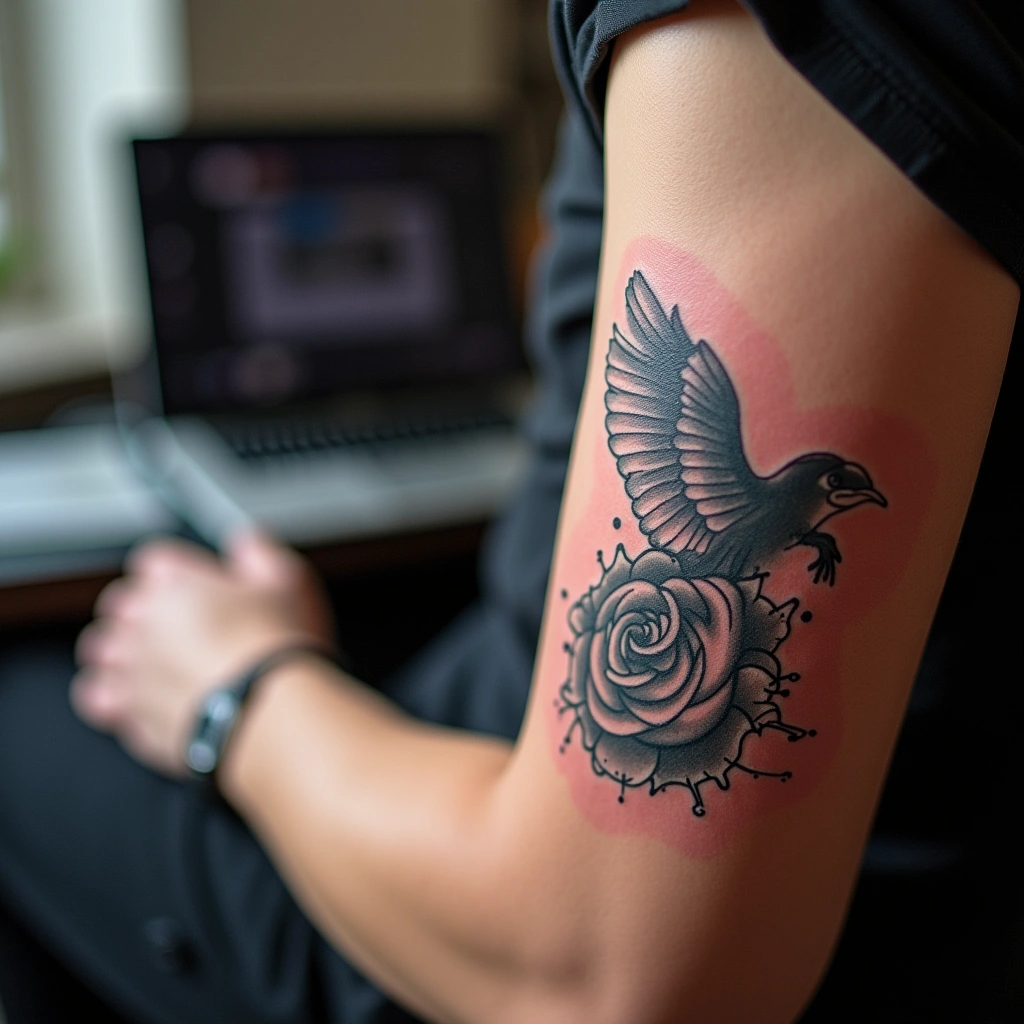
    In a job market that feels more competitive than a high-stakes game of musical chairs, one tech founder decided to shake things up a bit—by offering tattoos as part of the interview process. Yes, you heard that right. Forget about polishing your resume or rehearsing your elevator pitch; all you need is a willingness to get inked.

    Seven people left a San Francisco startup party with permanent LemonLime tattoos after co-founder Jordan Zietz offered an instant job interview to anyone willing to get inked. LemonLime says every participant has either completed an interview …

    Now, you might be wondering, “What on earth could possess someone to offer tattoos for job interviews?” Well, let’s break it down. The tech industry is notorious for its cutthroat environment, and with the recent economic downturn, it seems like every job listing is met with a flood of overqualified candidates. So, in an attempt to stand out (and possibly attract a few adventurous souls), this founder decided to turn the traditional interview process on its head.

    Imagine walking into an interview, and instead of the usual awkward small talk and technical questions, you’re greeted with a tattoo artist ready to ink your skin. It’s like a reality show you didn’t know you needed! “Welcome! Please take a seat on our plush couch, and let’s discuss your qualifications while I give you a sweet dragon tattoo on your bicep.” Talk about a unique icebreaker!

    But let’s not get too carried away here. While it’s certainly an innovative approach, it raises a few eyebrows—and questions. For starters, how does one even justify this as a legitimate hiring practice? Is there a hidden clause in the job offer that states, “By accepting this position, you also agree to a lifelong commitment to this tattoo”? And what happens if you regret that decision two weeks into the job? “Sorry, boss, I can’t attend the meeting; I’m busy hiding my new tattoo of a taco that I thought was a great idea at the time.”

    Moreover, what about those who aren’t fans of body art? Are they automatically disqualified from consideration? It could lead to a rather exclusive club of employees, all sporting the same trendy tattoos while the non-tattooed sit at home, twiddling their thumbs and wondering if they should have just gone for a more traditional interview outfit.

    Of course, there’s the potential for some serious branding here. Imagine a company where every employee has a matching tattoo. It’s like a cult, but instead of chanting around a bonfire, they’re all just sitting at their desks, trying to figure out why they chose to get a unicorn tattoo when they actually wanted a professional career.

    In all seriousness, this bold move is a reflection of the lengths some companies will go to in order to stand out in a crowded job market. While it might not be everyone’s cup of tea, it certainly gets people talking. And in a world where attention spans are shorter than a TikTok video, creating buzz is half the battle.

    So, if you find yourself in a tough job market, just remember: sometimes, you have to think outside the box—or in this case, outside the tattoo parlor. Whether or not this trend catches on remains to be seen, but for now, it’s a wild ride in the world of tech hiring. Just make sure to research your tattoo artist before you commit to that job offer; you don’t want to end up with a poorly drawn dragon that looks more like a lizard on a bad day!


    Inspired by: “‘I messed up’: In rough job market, tech founder offered tattoos for interviews” (r/technology)

  • Windows 11’s Sneaky OneDrive Photos: Your Face, Their Business

    Windows 11’s Sneaky OneDrive Photos: Your Face, Their Business

    So, you’ve finally made the leap to Windows 11, and you’re feeling pretty good about it. New interface, snazzy features, and a sense of accomplishment that you’ve survived the upgrade without turning your computer into a paperweight. But wait! What’s this? A little friend called OneDrive Photos has decided to join your party without so much as a polite RSVP.

    The company says only you can see the grouped faces, but wants you to believe the data isn’t shared with third parties, and you can delete it by disabling the feature. Overall, OneDrive Photos appears to be more of a full photo viewer than a simple extension of the OneDrive sync client.

    Yes, folks, Windows 11 is quietly installing OneDrive Photos, and if you’re not careful, it may want to go through your pictures faster than your nosy aunt at a family reunion. That’s right; it’s not just about storing your pictures anymore. It’s scanning your photos for faces. Because who doesn’t want their computer to know exactly who’s in every awkward selfie?

    Now, let’s unpack this. OneDrive, Microsoft’s cloud storage solution, has been around for a while, lurking in the shadows like that one friend who always shows up uninvited but brings good snacks. With Windows 11, it seems to be taking a more prominent role, like a friend who’s suddenly become a life coach and wants to analyze your life choices.

    The face-scanning feature is intended to help you organize your photos by recognizing faces, which sounds useful until you realize that your computer is now in the business of judging your social life. “Oh look, it’s Steve again! Are you sure you want to keep all these pictures of him?” Thanks, Windows, but I’ll handle my own choices, even if they are questionable.

    Let’s be honest: the idea of facial recognition can be a double-edged sword. On one hand, it’s nifty technology that can help you find that one picture from last summer’s barbecue where you accidentally set the hot dogs on fire. On the other hand, it raises a few eyebrows about privacy. You might find yourself wondering if your computer is going to start sending you unsolicited advice about your friends. “Maybe it’s time to unfollow Greg. He’s in 100 of your photos, and you haven’t spoken in three years.”

    For those who are less than thrilled about this new feature, fret not! Windows 11 gives you the option to opt-out. Yes, you can say “thanks, but no thanks” to the face-scanning feature and maintain a semblance of privacy—at least until the next update rolls around, and you have to do it all over again.

    In conclusion, while OneDrive Photos can be a handy tool, it’s also a reminder that sometimes, technology can feel a little too invasive. So, if you find yourself with more pictures of your cat than your friends, just remember: your computer might be silently judging you, but at least it’s not posting those pictures online… yet.

    Stay vigilant, folks! And keep those awkward selfies to yourself—unless you want Windows 11 to have a field day with them!


    Inspired by: “Windows 11 is quietly installing OneDrive Photos, and it wants to scan your photos for faces if you…” (r/technology)

  • The Great Prediction Markets Ban: A Judge’s Ruling in Minnesota

    The Great Prediction Markets Ban: A Judge’s Ruling in Minnesota

    In a surprising twist that could only come from the legal world, a judge has put the brakes on Minnesota’s plans to implement a ban on prediction markets. Yes, you heard that right. Prediction markets—those quirky little platforms where people bet on the outcome of future events—are not going anywhere in Minnesota just yet. If you thought the only thing Minnesotans enjoyed more than hotdish was a good ol’ wager on whether the Vikings will make the playoffs, you were mistaken.

    A federal judge on Thursday heard arguments in a case dealing with Minnesota’s law making it a crime to host or advertise a prediction market. Several entities are suing to prevent it from taking effect next month.

    For those scratching their heads, wondering what on earth prediction markets are, let me break it down. Imagine a stock market, but instead of trading stocks, you’re trading on the outcomes of various events. Think elections, sports, or even the weather. It’s a betting paradise where your knowledge and intuition can lead to some serious cash. Or, you know, a really awkward conversation at family gatherings where you have to explain why you bet against your cousin’s kid in the high school football championship.

    So what prompted Minnesota to even think about banning these markets? Well, the state’s concerns were primarily about the potential for gambling-related issues and the moral implications of allowing people to bet on practically anything. Because nothing screams “responsibility” like a state trying to legislate how we spend our money, right? It seems some lawmakers believe that if you can bet on whether the next Game of Thrones book will ever be published, perhaps that’s a slippery slope to betting on whether your neighbor’s cat will finally catch that elusive mouse.

    But here’s where things get interesting. A judge, in all their wisdom, decided to step in and halt the ban, arguing that prediction markets have legitimate uses and can foster informed discussions about future events. Take that, lawmakers! It seems the judge is a fan of a little friendly competition and critical thinking. Who knew the courtroom could be a place for such profound insights?

    Now, this ruling is a big deal because it highlights the ongoing debate about gambling and prediction markets in America. While some states are rolling out the red carpet for all forms of betting, others are applying the brakes, trying to keep their citizens from taking a financial nosedive. It’s like watching a game of tug-of-war where one side is holding a giant bag of money and the other is waving a ‘responsibility’ banner. Spoiler alert: the money usually wins.

    The judge’s decision is not just a victory for prediction market enthusiasts but also for those who believe in the power of informed speculation. After all, if you can predict the outcome of a football game based on player stats and weather conditions, why not allow people to profit from it? While some may argue that this leads to a slippery slope of betting on everything from celebrity breakups to whether pineapple belongs on pizza (it doesn’t, by the way), others see it as a way to engage with current events and trends.

    So, what does this mean for Minnesota? For now, it means that prediction markets can continue to thrive, at least until the lawmakers dust off their legislation and try again. It’s a win for the betting enthusiasts and a reminder that sometimes, the law can be a little behind the times. Just think of all the fun you can have predicting the outcomes of the next big events without the fear of a legal smackdown.

    In conclusion, kudos to the judge for recognizing that a little bit of betting can lead to a lot of fun and maybe even some interesting conversations. Let’s just hope the next time lawmakers decide to intervene, they at least come with a better understanding of what prediction markets are—and maybe a side of hotdish to sweeten the deal. Because if we’re betting on the future, we might as well do it with a smile and a plate of comfort food, right?


    Inspired by: “Judge blocks Minnesota from implementing novel prediction markets ban” (r/technology)

  • The Romance Factory: Unpacking the Global Dating App Scam Business

    The Romance Factory: Unpacking the Global Dating App Scam Business

    Ah, dating apps. The modern-day equivalent of a digital meat market, where swipes determine your romantic fate. But what happens when you peel back the layers of these seemingly innocent apps? Buckle up, because we’re diving into the murky waters of the global dating app scam business—where love is just a click away, and not in the way you’d hope.

    In Ukraine and the Philippines … scale is enormous. In the United States alone, the Federal Trade Commission reported $1.3 billion in romance-scam losses in 2022, and around $1.14 billion in 2023….

    First off, let’s talk numbers. The dating app industry has exploded in recent years. With millions of users worldwide, it’s a treasure trove for entrepreneurs—both honest and not-so-honest. The allure of finding love (or at least a decent hook-up) has made these platforms irresistible. But as with any booming industry, there are those who see an opportunity to cash in on the unsuspecting hearts (and wallets) of users.

    So, how does this scam business work? Well, it’s not as straightforward as you might think. Picture this: you sign up for a dating app, excited to meet your future soulmate. You create a profile, complete with your best pictures and a bio that cleverly hints at your love for pizza and Netflix. But what you might not realize is that the app you’re using could be a front for a scam operation.

    Let’s break it down. Many of these apps lure users in with the promise of finding true love but are actually designed to keep you engaged long enough to extract money from you. This can happen in a few different ways. For starters, there are fake profiles created by scammers who are just in it for the cash. These profiles often look legitimate—complete with enticing photos and charming bios—but they’re all smoke and mirrors. The goal? To engage you in conversation and eventually ask for money, often under the guise of some sob story that would make even the toughest heart shed a tear.

    Then you have the subscription models. Some dating apps offer premium memberships that unlock “exclusive” features. Sounds great, right? But here’s the catch: many users report that these features are often useless or don’t deliver on their promises. It’s like buying a ticket to a concert and finding out the band is just a couple of guys with a kazoo and a dream.

    And let’s not forget about the data harvesting aspect. A lot of these apps collect personal information, which can be sold to third parties. So, while you think you’re just chatting with a potential partner, your data is being tossed around like confetti at a parade. Romantic, isn’t it?

    But wait, there’s more! Some apps go a step further by creating a false sense of urgency. You might receive notifications that someone is interested in you or that your profile is getting a lot of attention. This is all designed to keep you hooked and coming back for more, even if the only thing you’re gaining is a deeper sense of frustration.

    So, what can you do to protect yourself in this wild west of digital romance? First, do your research. Before diving headfirst into a dating app, check reviews and see what other users have to say. If it sounds too good to be true, it probably is. Also, be cautious about sharing personal information, especially financial details. Remember, if someone truly cares about you, they won’t ask for money in the first few weeks of chatting.

    In conclusion, while dating apps can be a fun way to meet new people (just remember to keep your guard up), they can also be a breeding ground for scams. With a little awareness and a healthy dose of skepticism, you can navigate this digital dating landscape without falling prey to the romance factory. So go ahead, swipe away—but maybe don’t swipe your wallet while you’re at it.


    Inspired by: “The Romance Factory: Inside the Global Dating App Scam Business” (r/technology)

  • Tesla Stock Takes a Nosedive: What Went Wrong?

    Tesla Stock Takes a Nosedive: What Went Wrong?

    Well, folks, it seems like the electric chariot of the future, Tesla, has hit a rather bumpy road. If you’ve been keeping an eye on the stock market (or even if you haven’t, because let’s be real, social media alerts are everywhere), you’ve probably seen the headlines screaming about Tesla’s stock in freefall after a less-than-stellar earnings report. So, grab your popcorn, because we’re about to dive into this rollercoaster of a financial saga.

    Tesla stock tumbled early Thursday after the EV maker reported mixed second quarter results that missed Wall Street expectations. However, its cash burn rate was less than expected. Investors may be looking for more on its physical AI build-outs.

    First off, let’s talk about the earnings report that sent Tesla’s stock price plummeting faster than a lead balloon. While every company dreams of announcing record profits, it seems Tesla woke up on the wrong side of the bed. Reports indicated that their earnings missed expectations by quite a margin. Investors were expecting a dazzling display of profits, but instead, they got a mediocre performance that left them scratching their heads and wondering if they should have invested in something more stable—like, I don’t know, a rock?

    Now, you might be thinking, ‘What happened? Did they forget to sell cars or something?’ Well, not exactly. Tesla still sold a fair number of electric vehicles, but they faced some serious challenges. Supply chain issues? Check. Increased competition? Double check. And let’s not ignore the fact that the world is still recovering from a pandemic that threw a wrench in just about everyone’s plans. It’s like trying to assemble IKEA furniture without the instructions—frustrating and likely to end in tears.

    But wait, there’s more! The company also made headlines for its somewhat questionable decisions regarding pricing. In a bold move that could only be described as ‘let’s see what sticks,’ Tesla slashed prices on some of its models in an attempt to boost sales. While this may sound like a great idea on paper, it left investors feeling a little queasy. After all, if you’re selling your product for less, what does that say about its value? It’s like going to a fancy restaurant and finding out that the chef is now offering a discount on the gourmet lobster because, well, it’s Tuesday.

    And speaking of value, let’s not overlook the fact that Tesla’s stock has been riding a wild wave of hype for years. Investors have been betting on the company’s future potential, but when the earnings report came out, it felt like that wave crashed down, leaving many wondering if the company was all sizzle and no steak. In the world of stocks, this can lead to panic selling, which is exactly what we saw. It’s like a game of musical chairs, except when the music stops, everyone is frantically trying to find a seat, and there are no chairs left.

    So, what’s next for Tesla? Are we witnessing the beginning of the end for Elon Musk’s electric empire? Well, probably not. Tesla still has a loyal fanbase and a strong brand. It’s not like they’re going to disappear overnight. They’ve got plans to ramp up production, introduce new models, and who knows, maybe even unveil a flying car (okay, that’s a stretch, but we can dream).

    In conclusion, while Tesla’s recent earnings report may have sent their stock into a tailspin, it’s essential to keep things in perspective. The company is still a major player in the EV market, and like any good rollercoaster ride, it’s bound to have its ups and downs. So, if you’re investing, remember to keep your arms and legs inside the vehicle at all times. And who knows? This might just be a temporary blip on Tesla’s journey to becoming the ultimate electric vehicle powerhouse. Or, you know, it could be the start of a reality show titled ‘The Real Stockholders of Silicon Valley.’ Only time will tell.


    Inspired by: “Tesla Stock in Freefall After Disastrous Earnings Report” (r/technology)

  • AI Job Losses: A Closer Look at Women in Tech and Finance

    AI Job Losses: A Closer Look at Women in Tech and Finance

    In recent news, a report has surfaced indicating that women in tech and finance are at a higher risk of job losses due to the rise of artificial intelligence. Yes, you heard that right. Just when we thought we were making strides in gender equality in these fields, along comes AI to remind us that progress can sometimes take a detour through the land of job insecurity.

    Women working in tech and financial services are at greater risk of losing their jobs to increased use of AI and automation than their male peers, according to a report that found experienced females were also being sidelined as a result of …

    Now, before we dive into the nitty-gritty, let’s take a moment to appreciate the irony here. Women have fought tooth and nail to break into these industries, only to be met with the possibility of being replaced by a robot. I mean, who knew that our biggest competition would eventually be a piece of code?

    So, what’s the scoop? The report highlights that sectors like tech and finance, which have been male-dominated for years, are seeing an increase in female representation. But as we welcome more women into these spaces, AI is lurking in the background, ready to automate tasks and disrupt job security. Sounds like a plot twist from a bad sci-fi movie, doesn’t it?

    But let’s break it down further. The rise of AI is not just about robots taking over the world; it’s about changing the nature of work itself. Many roles in tech and finance involve repetitive tasks that can be easily automated. You know, the kind of tasks that make you question your life choices while staring at a spreadsheet for eight hours straight? Yeah, those are prime candidates for automation.

    Women, who have made significant inroads in these sectors, often find themselves in roles that could be more susceptible to AI takeover. Think about it: customer service chatbots, data analysis algorithms, and even financial advising tools are all on the rise. If you’re a woman in a tech or finance role that involves a lot of number crunching or data entry, you might want to start brushing up on your coding skills or, at the very least, learn to charm the pants off the AI overlords.

    The report doesn’t just stop at highlighting the risks. It also emphasizes the need for proactive measures to support women in these fields. Companies need to prioritize upskilling and reskilling programs that empower their female employees to adapt to the changing landscape. After all, if we’re going to be replaced by machines, we might as well be the ones programming them, right?

    Moreover, it’s crucial for organizations to foster a culture of innovation and inclusivity, where women are not only present but are also leading the charge in AI development. Let’s face it, if we’re going to have machines making decisions, we want those decisions to be made with a little bit of empathy and understanding—something we all know is in short supply when it comes to cold, hard algorithms.

    In conclusion, while the report sheds light on the challenges women in tech and finance face due to AI advancements, it also presents an opportunity for growth and change. It’s a wake-up call for organizations to invest in their talent, ensuring that women are not just surviving but thriving in an AI-driven world. So, let’s rally together and show those robots that they can’t take our jobs without a fight. After all, we’ve been battling the odds for too long to let a handful of lines of code steal our thunder now!


    Inspired by: “Women in tech and finance at higher risk from AI job losses, report says” (r/technology)