Category: Business

  • France’s Latest Move: Doubling Down on Polymarket Restrictions

    France’s Latest Move: Doubling Down on Polymarket Restrictions

    Ah, France! Known for its fine wine, exquisite cheese, and now, apparently, a penchant for restricting access to online prediction markets. Yes, you heard that right. The French gambling authority has decided to take a hard stance on Polymarket, the prediction market platform that allows people to wager on the outcomes of various events. The latest development? They’ve ordered Internet Service Providers (ISPs) to block access to the site. Because, you know, who needs a little fun and prediction-based betting in their lives?

    France is doubling down on preventative measures for its citizens trying to access Polymarket.

    So, what exactly is Polymarket? Well, it’s a platform where users can buy and sell shares in the outcomes of future events, ranging from political elections to pop culture happenings. Think of it as a stock market for your favorite reality TV shows or the next big political scandal. It’s a place where you can put your money where your mouth is—literally—and wager on how things will play out. But it seems that France doesn’t quite share the same enthusiasm for this digital crystal ball.

    The French gambling authority, in its infinite wisdom, has deemed that Polymarket is a bit too risky for the average French citizen. They believe that allowing access to such platforms could lead to some sort of gambling apocalypse, where people are losing their life savings on whether or not a certain celebrity will get a divorce. (Spoiler alert: they probably will.)

    Now, let’s talk about the implications of this decision. First off, it’s a classic case of the government stepping in to protect the public from itself. You know, like how parents sometimes tell their kids not to eat that third slice of cake. Sure, it’s probably not the best idea, but isn’t it also kind of fun to live on the edge of dessert? In the same way, isn’t it a bit thrilling to predict the unpredictable?

    Blocking Polymarket is also a rather interesting move in the context of the global conversation around online gambling and cryptocurrency. While countries like the U.S. are trying to figure out how to regulate these platforms, France has taken the approach of simply saying, “Nope! Not in our backyard!” This could be seen as a way to safeguard traditional gambling establishments, which are heavily taxed and regulated in France. After all, can you imagine the chaos if everyone started betting on everything from the weather to who will be the next president? Oh wait, that’s already happening.

    Now, let’s not forget the irony of it all. The French are notoriously known for their love of freedom—liberté, égalité, fraternité, and all that jazz. But when it comes to their citizens engaging in a little online betting, it seems that freedom is being tossed out the window faster than you can say “surrender.”

    In conclusion, while the French government may believe they are doing their citizens a favor by blocking Polymarket, they might just be stifling a bit of fun and innovation in the process. After all, who wouldn’t want to place a cheeky bet on whether their neighbor’s cat will finally catch that elusive mouse? And who knows, maybe this will only fuel a greater underground betting culture. Because let’s face it, when you tell people they can’t have something, it only makes them want it more. So, here’s to hoping that one day, France will embrace the wild world of prediction markets instead of trying to block them. Cheers!


    Inspired by: “France doubles down on restricting access to Polymarket | The country’s gambling authority ordered…” (r/technology)


  • Kalshi Scores Big: 3 Million New Users Join the Prediction Market Frenzy Thanks to the World Cup

    Kalshi Scores Big: 3 Million New Users Join the Prediction Market Frenzy Thanks to the World Cup

    If you’ve been living under a rock—or perhaps just avoiding the internet to escape the chaos of the world—you might not have noticed that the World Cup is in full swing. And while the athletes on the field are busy scoring goals, Kalshi, the prediction market platform, is busy racking up users faster than a soccer player can dive for a penalty. That’s right, folks! Kalshi has added a whopping 3 million new users, and I can’t help but wonder if they’re all just trying to cash in on their opinions about who will win it all.

    Prediction market platform Kalshi has brought in 3 million new users over the course of the FIFA World Cup.

    Now, you might be asking yourself, what exactly is a prediction market? Well, think of it as a stock market but for events that haven’t happened yet. You can bet on outcomes like who will win a match, how many goals will be scored, or even if a certain player will score a hat trick. It’s like playing fantasy sports, but with real stakes and a sprinkle of gambling. And let’s be honest, who doesn’t love a little risk mixed with their sports viewing?

    So, what’s driving this sudden surge in users? It seems that the excitement surrounding the World Cup has turned even the most casual fans into wannabe fortune tellers. Everyone wants to be the next Nostradamus of the soccer field, and Kalshi provides them with the perfect platform to put their predictions to the test. Plus, it’s a great way to feel like you’re part of the action, even if you’re just sitting on your couch in sweatpants.

    But wait, there’s more! The ease of use that Kalshi offers is also a significant factor in this influx of users. With just a few clicks, anyone can jump into the prediction market and start placing bets. It’s almost too easy. I mean, if my grandma can figure it out, then I’m pretty sure anyone can. And let’s be real, if you’re going to gamble on something, it might as well be something as thrilling as the World Cup.

    Of course, with great power comes great responsibility—or at least that’s what they say in superhero movies. While Kalshi is giving users the chance to make some serious cash, it’s essential to remember that betting can be a slippery slope. You might think you’re just a casual observer, but before you know it, you could be wearing a jersey, painting your face, and arguing with strangers online about why your prediction is the only right one. Trust me, I’ve seen it happen.

    In conclusion, the World Cup has undoubtedly set the stage for Kalshi to shine, and the addition of 3 million new users is proof that people are eager to engage with the prediction market. Whether you’re a die-hard soccer fan or just someone who enjoys the thrill of a good bet, Kalshi offers a platform that caters to all. Just remember to keep your wits about you and don’t let your excitement lead you down the path of poor financial decisions. And who knows? Maybe your prediction will come true, and you’ll be celebrating your victory with a nice little payout while your favorite team lifts the trophy. Now, that’s a win-win situation!


    Inspired by: “Kalshi adds 3 million new users as prediction market capitalizes on the World Cup” (r/technology)

  • Betting on Disasters: The Wildfire Prediction Market Trend

    Betting on Disasters: The Wildfire Prediction Market Trend

    In a world where we can bet on just about anything—from the outcome of a football game to which celebrity will have the most dramatic meltdown this week—it’s no surprise that some folks have turned their attention to a more, shall we say, incendiary topic: wildfires. Yes, you heard that right. People are placing bets on prediction markets concerning wildfires, and experts are raising alarms about the potential consequences. Let’s dive into this curious phenomenon, shall we?

    As the catastrophic Los Angeles wildfires raged last year, people placed bets on how how many acres the fires would consume, which locations they would reach and when they would be contained.

    First off, what exactly are prediction markets? Think of them as stock markets for events. Participants buy and sell shares in the outcomes of future events, with the prices reflecting the perceived probability of those events happening. A wildfire prediction market allows people to wager on things like the likelihood of a fire occurring in a specific area, how extensive it will be, or when it will happen. Sounds like a thrilling Saturday night activity, doesn’t it?

    Now, I can hear you thinking, “What could possibly go wrong with this?” Well, let’s just say that experts aren’t exactly throwing confetti at this idea. They argue that turning wildfires into a betting game could lead to some pretty dangerous consequences. For starters, it might incentivize bad behavior. Imagine someone betting on a wildfire in a particular area and then, oh I don’t know, deciding to light a match to increase their odds. It’s like the worst version of a poker game where the stakes are people’s lives and homes.

    Furthermore, there’s the issue of misinformation. In a society already bombarded with conspiracy theories and questionable news sources, adding in a layer of financial incentive could lead to people spreading false information just to sway the market in their favor. “Did you hear that the forest down the road is looking a bit dry? Better place your bets, folks!” The last thing we need is more panic over a potential fire that’s really just a bunch of dry leaves and a squirrel having a bad day.

    But let’s not forget about the emotional toll this could take. Wildfires are serious business, affecting communities, wildlife, and the environment. Reducing such a catastrophic event to a mere game of chance seems, well, a bit heartless. It’s one thing to joke about the Super Bowl halftime show; it’s another to bet on the destruction of someone’s home.

    So why are people getting into this wild betting game? Part of it might be the thrill of the gamble. Humans have a natural inclination toward risk-taking, especially when there’s a chance to make a quick buck. But let’s be real: betting on wildfires is like playing roulette with a grenade. It sounds exciting until it blows up in your face.

    In conclusion, while the concept of wildfire prediction markets might seem innovative or even entertaining to some, the potential ramifications are anything but. As we navigate through the complexities of climate change and increasing wildfire activity, let’s leave the betting to the casino and focus on more constructive ways to address these issues. After all, nobody wins when the house burns down.


    Inspired by: “People are making wildfire bets on prediction markets. Experts say it could lead to disaster” (r/technology)

  • The Enigma of Polymarket: A Corporate Structure Shrouded in Mystery

    The Enigma of Polymarket: A Corporate Structure Shrouded in Mystery

    If you’ve ever wandered into the wild world of online prediction markets, you might have come across Polymarket. It’s like a betting platform where you can wager on the outcomes of various events—think of it as a more sophisticated version of your friend’s Super Bowl party betting pool, but with a wider range of topics and, let’s be honest, a lot more intrigue. However, it seems that one of the biggest mysteries surrounding Polymarket isn’t about what will happen next in the world, but rather about how the company itself is structured.

    Polymarket is an American cryptocurrency-based prediction market which offers a platform where individuals can place bets on future outcomes, including sports matches, economic indicators, weather patterns, awards, political and legislative outcomes, and military conflicts.

    Yes, you heard that right. Even some of its former employees are scratching their heads, trying to figure out the corporate hierarchy. Imagine working at a place where you have no idea who’s in charge or how things really work. It’s like being a contestant on a reality show but without the prize money, and more importantly, without the drama (unless you count the corporate kind, which is a different flavor of chaos altogether).

    So, what’s the deal? How can a company that’s all about predictions and betting leave its own employees in the dark about its internal workings? It’s not like they’re trying to keep it a secret just for fun—though that would be a hilarious plot twist. The reality is that Polymarket operates in a gray area of legality, which might explain why they’re a bit tight-lipped about the details of their corporate structure. After all, when you’re playing in a space that could lead to regulatory scrutiny, discretion might be the better part of valor.

    But let’s not just point fingers at Polymarket. The tech industry, especially in the startup realm, can often feel like a secret society where everyone knows the handshake but no one knows what the actual organization chart looks like. Employees come and go, roles shift faster than a toddler’s mood, and the next big idea may or may not be lurking in the break room fridge. So, is Polymarket just another player in this chaotic game, or is there something more sinister afoot?

    Interestingly, this lack of transparency doesn’t seem to have hurt Polymarket’s popularity. People still flock to the platform to put their money where their mouth is, betting on everything from political elections to celebrity gossip. It’s as if the allure of winning big is enough to overshadow any concerns about who’s pulling the strings behind the scenes.

    However, one has to wonder if this corporate mystery will eventually catch up to them. In a world where consumers increasingly demand transparency, can a company that keeps its structure under wraps really thrive in the long run? Or will they end up like that one friend who always talks big game but never seems to win any bets?

    For now, Polymarket remains an enigma, a corporate puzzle that even its own employees can’t quite piece together. But hey, at least they’re giving us something to talk about, right? Until they decide to lift the veil on their corporate structure, we’ll just have to keep predicting the unpredictable—much like we do with the weather. Spoiler alert: it’s always a gamble.


    Inspired by: “Polymarket’s Corporate Structure Is a Mystery—Even to Some of Its Former Employees” (r/technology)

  • AI Investor Mania: China’s DeepSeek Aims for a $70 Billion Valuation

    AI Investor Mania: China’s DeepSeek Aims for a $70 Billion Valuation

    So, it seems like everyone and their grandmother are jumping on the AI bandwagon these days. If you haven’t been living under a rock (or perhaps just avoiding the internet), you might have heard about China’s DeepSeek, which is currently eyeing a jaw-dropping $70 billion valuation in its latest funding round. Yes, you read that right – billion with a ‘b’. And no, that’s not a typo, though it does sound like something you’d expect to see in a sci-fi movie where robots take over the world.

    Chinese frontier artificial intelligence start-up DeepSeek is in talks with investors to raise a new financing round at around US$70 billion pre-investment valuation, shortly after closing a landmark first round, reflecting unquenched investor …

    DeepSeek is a Chinese tech company that specializes in artificial intelligence, and their ambitions are as lofty as a cat on a windowsill. The company is making waves in the AI space, and investors seem to be falling over themselves to get a piece of the action. It’s like a scene from a high-stakes poker game, but instead of cards, they’re betting on algorithms and machine learning capabilities. Who knew that the future of tech would look so much like a game of chance?

    The $70 billion valuation is not just a random number plucked from thin air. It seems to reflect the growing excitement and, let’s be honest, mania surrounding AI investments right now. From self-driving cars to chatbots that can write poetry (or at least try to), the potential applications of AI are practically endless. And investors are eager to ride this wave of innovation, hoping to strike gold before the bubble bursts – because we all know that bubbles have a knack for bursting at the most inconvenient times.

    But what’s behind this fascination with DeepSeek? Well, the company is reportedly working on some cutting-edge technology that could revolutionize various industries. Their focus on deep learning and data analytics is drawing attention from major players in the tech world, and it’s easy to see why. After all, who wouldn’t want to invest in the next big thing that could potentially change how we live and work?

    Of course, with great hype comes great skepticism. Not everyone is convinced that DeepSeek is worth its weight in gold (or in this case, billions of dollars). Critics argue that the AI market is becoming saturated, and we might be heading towards a reality check sooner rather than later. It’s like the tech version of a rollercoaster – thrilling, but you know there’s a drop coming, and you’re not quite sure how steep it will be.

    In the grand scheme of things, DeepSeek is just one player in a rapidly evolving landscape. However, the frenzy surrounding its potential valuation is a reflection of the broader trends in the tech industry. Investors are eager to capitalize on the AI revolution, and they’re willing to shell out big bucks to do it. Whether DeepSeek will live up to the hype or become just another cautionary tale in the world of tech investments remains to be seen.

    So, as we watch the drama unfold, one thing is for sure: the AI investor mania is far from over. Whether you’re an investor, a tech enthusiast, or just someone who enjoys watching the world of finance play out like a reality show, keep your eyes peeled. After all, you never know when the next billion-dollar idea might come knocking at your door – or, you know, just pop up on your news feed.


    Inspired by: “AI investor mania: China’s DeepSeek chases US$70 billion valuation in fresh round” (r/technology)

  • China’s Chip Export Boom: A Memory Market Surge or Just Hot Air?

    China’s Chip Export Boom: A Memory Market Surge or Just Hot Air?

    So, picture this: China just announced that its chip exports nearly doubled to a jaw-dropping $177 billion in the first half of 2026. Sounds impressive, right? Well, before we start rolling out the red carpet for the chip industry, let’s dive into what’s really going on here.

    Nvidia wants China's market share … hardware, but the underlying numbers point more towards a worldwide memory price boom that has inflated the value of the commodity-grade chips that China exports in volume….

    First off, let’s talk about that staggering figure. A 96% year-on-year increase? That’s like saying your favorite pizza joint suddenly decided to charge you double for a slice but also promised you that it tastes twice as good. Spoiler alert: sometimes it doesn’t.

    This surge in chip exports is primarily attributed to skyrocketing memory prices. Yes, memory prices have surged, but it’s important to note that price hikes can often lead to inflated export figures. In other words, while it sounds great to say exports have doubled, we might just be seeing a case of ‘inflated numbers’—a bit like your cousin claiming they ran a marathon when they actually just jogged the last mile.

    So, what’s causing these memory prices to shoot up? Well, there are a few factors at play. For starters, the ongoing global chip shortage has made everything from smartphones to cars a hot commodity. When supply is low and demand is high, prices tend to do that thing where they go up—like your blood pressure when you realize your favorite snack is sold out at the store.

    Additionally, geopolitical tensions and trade restrictions have made it a bit more challenging for countries to source chips from places like Taiwan and South Korea. So, naturally, China is stepping up to fill the gap. But let’s not forget, this is the same China that has been working on its semiconductor self-sufficiency for years now. So, are they really doubling their exports, or just cleverly maneuvering in a chaotic landscape?

    And then there’s the whole memory market itself. Memory chips are like the trendy fashion item of the tech world—one minute they’re in, and the next, they’re out of style. As more devices integrate advanced technology, the demand for high-performance memory chips is likely to keep climbing. But let’s be real, if history has taught us anything, it’s that trends can change faster than you can say ‘blockchain.’

    Now, while the numbers look fantastic on paper, it’s essential to take them with a grain of salt. Analysts and industry experts often caution against getting too excited about these figures without understanding the context. After all, it’s easy to throw around big numbers, but what do they really mean for the average consumer?

    Ultimately, the 96% increase in chip exports may be a reflection of a broader trend in the tech industry, but it also serves as a reminder to keep our expectations in check. Don’t start planning a parade just yet—this chip boom may be more of a temporary spike than a sustainable trend. So, let’s keep our eyes peeled and our wallets ready, because in the world of tech, things can change faster than a viral TikTok dance.

    In conclusion, while China’s chip export figures are certainly eye-catching, it’s essential to look beyond the numbers to understand the bigger picture. Are we witnessing a genuine boom in the memory market, or just a clever play on inflated prices? Only time will tell, but for now, let’s just enjoy the ride and maybe keep our fingers crossed that we don’t end up with a shortage of our beloved gadgets anytime soon.


    Inspired by: “China claims chip exports nearly doubled to $177 billion in the first half of 2026 as memory prices…” (r/technology)

  • IBM’s Miss: A Wake-Up Call for Software Stocks

    IBM’s Miss: A Wake-Up Call for Software Stocks

    Ah, the stock market—where fortunes are made, lost, and made again, all while we sit back and pretend to understand what’s really going on. Recently, the software sector took a bit of a nosedive, all thanks to IBM’s latest earnings report, which some are calling a ‘devastating blow’ to the industry. Let’s unpack this drama, shall we?

    IBM ‘ s Q2 revenue warning triggered sharp declines across software and consulting stocks as investor sentiment became more cautious.

    First off, let’s talk about IBM. Once upon a time, this tech giant was the shining knight in the realm of computing. They were the go-to company for everything from mainframes to cloud computing. But in recent years, it seems like they’ve been more like a knight who’s lost his sword and is trying to figure out how to make a salad instead. Their latest earnings report didn’t just miss expectations; it pretty much threw a pie in the face of investors who were hoping for a different outcome.

    The numbers were grim. Revenue was down, guidance was disappointing, and you could almost hear the collective gasp from Wall Street as analysts scrambled to adjust their forecasts. It’s almost like IBM decided to play a game of ‘how low can you go’ with their stock price, and spoiler alert: they went pretty low.

    Now, if you’re wondering why this matters, it’s because IBM isn’t just a lone wolf in the software world. Their performance often sets the tone for the entire sector. Think of it as the canary in the coal mine—if the canary drops dead, it’s probably time to get out of the mine. Investors started to panic, and in true stock market fashion, they began selling off shares in other software companies like they were hot potatoes.

    The ripples from IBM’s earnings report were felt across the board. Major players like Microsoft, Salesforce, and Adobe saw their stocks dip, too. It’s like a game of dominoes—one falls, and suddenly they’re all tumbling down. And let’s be real, this isn’t the first time we’ve seen a tech giant’s misstep lead to a broader market reaction. It’s almost like a rite of passage in the tech industry.

    But what does this mean for the average investor? Well, if you’re in the software sector, it might be time to hold your breath and brace for impact. The market tends to overreact, so while it’s easy to panic, it’s also worth remembering that not every company is IBM. Some software stocks are still thriving, and their fundamentals remain strong. So, you might want to do a little digging before you make any rash decisions—unless you enjoy watching your money disappear, in which case, carry on.

    In the end, IBM’s disappointing performance serves as a reminder that the tech industry is not immune to setbacks. It’s a tough world out there, and sometimes even the giants stumble. So, whether you’re a seasoned investor or just someone who likes to dabble in stocks, keep your eyes peeled and your wits about you. And remember, in the world of investing, it’s not about timing the market; it’s about time in the market—unless you’re trading IBM, in which case, good luck with that.


    Inspired by: “Software Stocks Sink as IBM Miss Delivers ‘Devastating Blow’” (r/technology)

  • IBM’s Earnings Miss: A Dive into the Stock Market’s Latest Drama

    IBM’s Earnings Miss: A Dive into the Stock Market’s Latest Drama

    Well, folks, grab your popcorn because the stock market just served up a juicy slice of drama. IBM, that tech titan we all know and love (or at least recognize), has decided to throw a surprise party, and guess what? It’s not the kind of party anyone wanted to attend.

    IBM cited a late-quarter shift in customer spending to servers, storage, and memory due to supply constraints and anticipated price hikes, leading to weaker than expected performance especially in infrastructure and transaction processing software.

    In a move that can only be described as a plot twist worthy of a soap opera, IBM released preliminary earnings results a week ahead of schedule, and let’s just say, the news wasn’t good. The company reported revenue and profit misses that sent its stock price diving faster than your hopes of a good hair day on a rainy morning. In fact, this is shaping up to be one of IBM’s worst days in nearly 40 years. Yes, you heard that right—40 years! That’s longer than some of us have been alive!

    Now, you might be wondering what led to this unexpected plunge. It turns out that even tech bellwethers can have off days. IBM’s preliminary results revealed that the revenue fell short of expectations, and profits were, well, less than stellar. It’s like when you think you’re getting a gourmet meal and end up with a sad plate of lukewarm spaghetti. Not exactly the culinary delight you were hoping for.

    Analysts had their calculators out, eagerly anticipating a strong performance from IBM, especially given the company’s efforts to pivot towards cloud computing and artificial intelligence. But alas, it seems that the tech giant tripped over its own shoelaces. Investors, understandably, are not amused. You can almost hear their collective sigh of disappointment echoing through the stock market.

    Now, let’s take a moment to appreciate the sheer audacity of the timing. Releasing these results a week early? It’s almost as if IBM wanted to give everyone a chance to brace themselves for the fallout. I mean, who needs suspense when you can just drop a bombshell and watch the chaos unfold?

    The stock market, in its infinite wisdom, reacted like a toddler who just had their favorite toy taken away. The shares plummeted, and analysts are left scrambling to reassess their predictions. It’s a wild ride, and if you’re holding IBM stock, you might want to buckle up because it looks like things could get bumpy.

    So, what’s next for IBM? Well, they’ll likely spend the next few weeks trying to pick up the pieces and reassure investors that they’re still on the right track. Maybe they’ll host a conference call where they promise that everything is fine, just like a parent trying to convince their child that the scary noises at night are just the house settling.

    In the grand scheme of things, this could be a temporary setback for IBM. After all, even the best of us have our off days. But for now, it’s a stark reminder that the tech industry, while often seen as a safe bet, can be just as unpredictable as your uncle’s karaoke performance at family gatherings.

    To wrap it up, IBM’s earnings miss is a classic case of ‘expect the unexpected.’ If you’re investing in tech, always remember to keep your helmet on and prepare for the occasional rollercoaster ride. And who knows? Maybe IBM will bounce back stronger than ever. Or maybe they’ll just keep diving. Either way, it’s bound to be an interesting show to watch!


    Inspired by: “IBM’s stock dives toward worst day in nearly 40 years after the surprise release of an earnings mis…” (r/technology)

  • SK Hynix: Making Waves with the Largest U.S. Listing by a Foreign Company

    SK Hynix: Making Waves with the Largest U.S. Listing by a Foreign Company

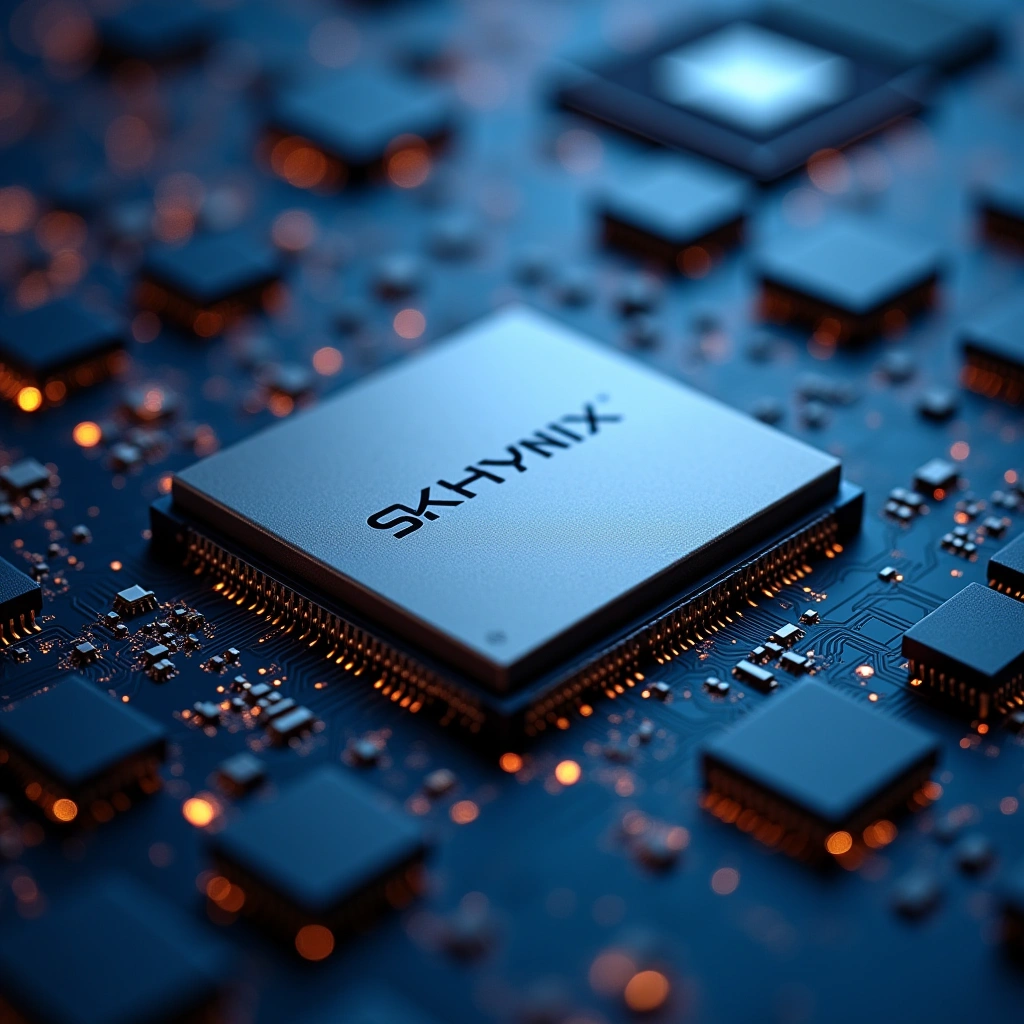
    So, let’s talk about SK Hynix. You might not know it by name, but if you’ve ever used a smartphone, computer, or any gadget that requires memory chips, chances are you’ve interacted with their products. Now, they’ve just pulled off a major move by debuting on NASDAQ, and spoiler alert: it’s the largest U.S. listing by a foreign company. Yes, you heard that right!

    … A company many people might never have heard of a year ago has landed the largest ever US listing by a foreign corporation, granting American investors direct access to one of the hottest trades of the year.

    First, let’s break down what this means. SK Hynix, a South Korean semiconductor giant, decided to throw its hat in the ring with a stock listing in the U.S. market. Why? Because the U.S. stock market is like the cool kids’ table at school—everyone wants a seat. Listing here not only elevates their global profile but also opens the doors to a much larger pool of investors. And let’s be honest, who doesn’t want to be the popular kid?

    Now, you might be thinking, “Wait a second, isn’t the semiconductor industry a bit of a rollercoaster right now?” And you’d be right. The chip shortage has made headlines for what feels like forever. From affecting car production to making your gaming console feel like a rare collector’s item, the demand for semiconductors is through the roof. SK Hynix, with their fancy memory chips, is right at the epicenter of this chaos.

    But let’s get back to the NASDAQ debut. The listing is a big deal, not just for SK Hynix but for foreign companies eyeing the U.S. market. It’s like they just set a new record for foreign firms—like they just knocked the previous record-holder off their pedestal saying, “Step aside, we’re here to take over!” The last thing we need is another foreign company setting records while we sit here with our popcorn, watching the stock market drama unfold.

    Now, what does this mean for investors? Well, if you’re considering investing in SK Hynix, you might want to keep a close eye on the semiconductor market trends. It’s a bit like trying to predict the weather during a storm—sometimes you just have to hold on tight and hope for the best. Given the current demand for chips, SK Hynix has the potential to be a solid player in the market, but like any investment, it comes with its risks.

    In conclusion, SK Hynix’s NASDAQ debut is a significant milestone, not just for the company but for foreign listings in general. It opens up a new avenue for growth and investment opportunities while highlighting the importance of the semiconductor industry. So, whether you’re an investor or just someone who likes to keep tabs on the latest business news, keep an eye on SK Hynix. They’re making moves, and who knows? They might just become the star of the show in the semiconductor world.

    And there you have it, folks! The semiconductor saga continues, and SK Hynix is now a main character in this high-stakes drama. Grab your popcorn, because it’s going to be an interesting ride!


    Inspired by: “SK Hynix’s Nasdaq Debut Just Became the Largest U.S. Listing by a Foreign Company” (r/technology)

  • SK Hynix’s $26.5 Billion IPO: A Game Changer for Tech Investors

    SK Hynix’s $26.5 Billion IPO: A Game Changer for Tech Investors

    Well, well, well! It looks like SK Hynix has decided to make a grand entrance into the U.S. stock market with a whopping $26.5 billion IPO. Yes, you heard that right! That’s not just pocket change; that’s enough to buy a few small countries—or at least a lot of really, really nice tech gadgets.

    SK Hynix sold 177.9 million American depositary shares (ADRs) at $149 each, structured so U.S. investors can buy in at roughly a tenth of what a full share costs in Seoul. This deal, the largest-ever U.S. debut by a non-American company, topped …

    For those not in the know, SK Hynix is a major player in the semiconductor industry, specializing in memory chips. If you’ve got a smartphone, tablet, or even a fancy toaster that connects to Wi-Fi, there’s a good chance it has a piece of SK Hynix technology inside. So, why the sudden decision to take the plunge into the U.S. IPO waters?

    Well, the semiconductor market has been on a rollercoaster ride lately. With the increasing demand for chips due to the rise of AI, cloud computing, and the never-ending quest for faster gaming consoles, SK Hynix is looking to capitalize on this trend. Think of it as them saying, “Hey, we know you need chips, and we’re ready to serve!”

    Raising $26.5 billion is no small feat. It’s like trying to lift a small elephant, but, you know, with a lot of financial paperwork involved. This IPO is expected to help SK Hynix expand its production capabilities and invest in new technologies—because who doesn’t want to be the best in the business?

    Now, let’s talk about the implications for investors. If you’re a tech enthusiast or just someone who enjoys a good financial story, this IPO could be a goldmine. With the semiconductor market projected to grow even further, investing in SK Hynix might just be like finding a pot of gold at the end of a very high-tech rainbow. However, as with all investments, there’s a risk. So, if you decide to dive into this, just remember to do your homework and maybe don’t put all your chips (pun intended) on one company.

    Of course, the market can be unpredictable, and it’s not all sunshine and rainbows. The semiconductor industry has seen its fair share of ups and downs, including supply chain issues and trade tensions. So, while SK Hynix is strutting its stuff on the IPO stage, it’s important to keep an eye on the broader market trends.

    So, what’s next for SK Hynix? Well, we can expect to see them making some big moves in the coming months as they use this newfound cash to push the boundaries of technology. Whether it’s developing faster chips or exploring new markets, one thing is for sure: they’re not going to sit still.

    In conclusion, SK Hynix’s $26.5 billion IPO is a big deal in the tech world, and it signals a strong push towards innovation and growth in the semiconductor industry. For investors, this could be an exciting opportunity, but just like any great story, it comes with its twists and turns. So, buckle up and get ready for the ride! Who knows? This might just be the start of something spectacular—or at least a really interesting chapter in your investment portfolio.


    Inspired by: “SK Hynix raises $26.5bn in blockbuster US IPO” (r/technology)