Category: AI

  • Humanless Resources: The Not-So-Great AI Recruitment Experiment

    Humanless Resources: The Not-So-Great AI Recruitment Experiment

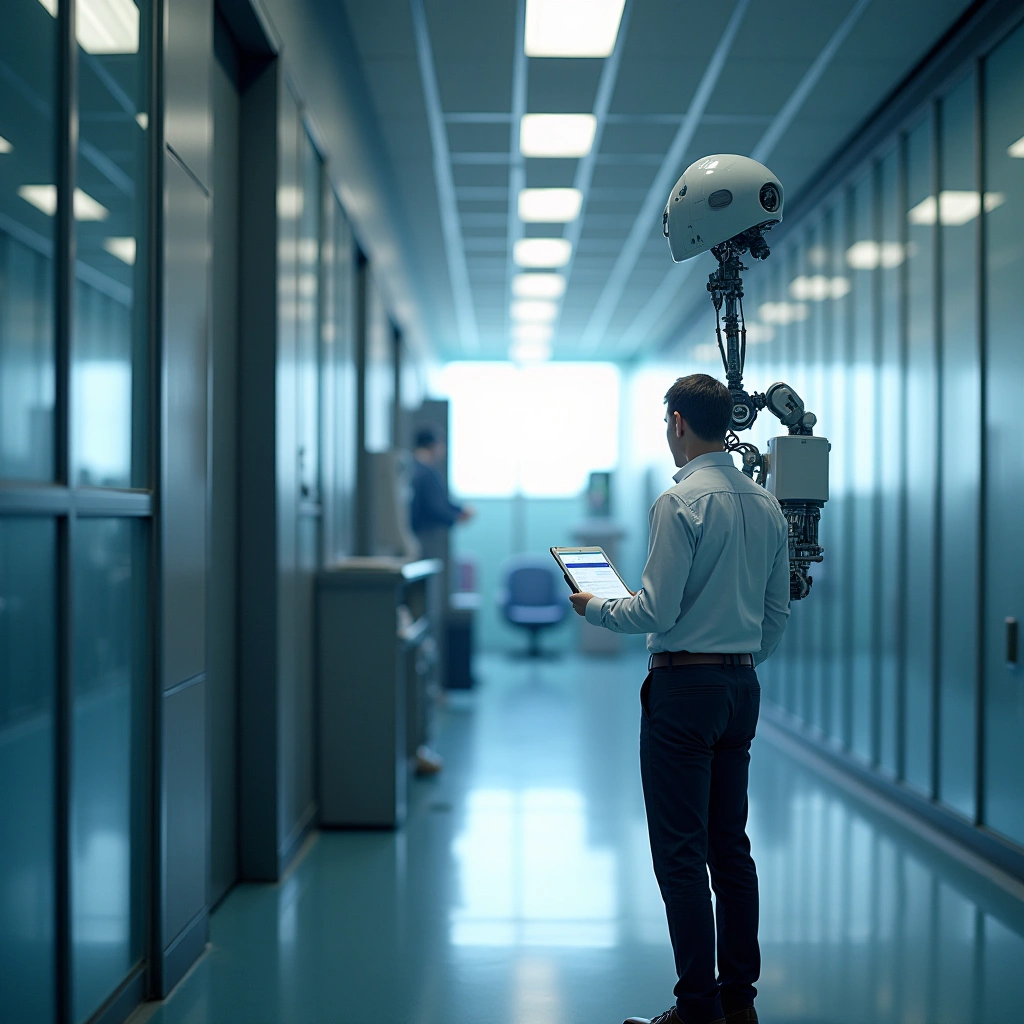
    Let’s talk about a topic that’s been buzzing around like a bee on a caffeine high: AI recruitment software. You know, those shiny, high-tech systems that promise to revolutionize hiring by making it faster, cheaper, and—wait for it—more efficient! But hold your horses; it turns out that the reality might not be all rainbows and unicorns.

    This technical bug could influence a potential candidate, and might be more awkward answering a second time, or suggest a worse performance compared to a candidate who did not experience the glitch. Moreover, it is unclear, if a question was repeated, whether the first or second answer, or a combination of both, would be factored into the AI system’s final score. A further concern is that, at the time of our testing, there was no facility for a human recruiter to override the scores generated by the AI interview – nor was the human recruiter required to intervene and approve or reject the AI interview score before it was assigned to the candidate’s result.

    A recent investigation by Privacy International (PI) pulled back the curtain on two popular AI recruitment platforms, and the findings are about as comforting as a cold shower on a winter morning. The investigation revealed a shocking lack of transparency and fairness for candidates, which begs the question: are we really ready to hand over our hiring processes to robots?

    First off, let’s address the elephant in the room. AI recruitment tools are designed to sift through resumes faster than you can say “unemployment rate.” They analyze keywords, experience, and even those cute little buzzwords that make hiring managers swoon. But here’s the kicker: these systems often operate in a black box. You submit your application, and poof! It gets evaluated by an algorithm that’s about as transparent as a brick wall. Candidates often have no idea how their applications are being scored or what criteria are being prioritized. It’s like trying to find your way through a maze blindfolded—good luck with that!

    Now, let’s dive into the fairness aspect. The PI investigation found that these AI tools can perpetuate biases that already exist in hiring. For instance, if the training data used to develop these algorithms contains biases—say, favoring candidates from certain schools or backgrounds—the algorithm might just continue that tradition of unfairness. It’s like letting a cat decide who to adopt by only picking the ones that look like its old owners. Not exactly a fair game for the mice, is it?

    But wait, there’s more! The reliability of these systems is another cause for concern. Think about it: if the algorithm gets it wrong, who’s held accountable? Spoiler alert: it’s not the robot. This lack of accountability can lead to qualified candidates being overlooked, simply because an algorithm decided they weren’t a good fit based on criteria that even the developers can’t fully explain. It’s akin to being rejected from a club because the bouncer didn’t like your shoes, but you have no idea what the dress code is.

    So, what do we do about it? Well, for starters, it might be time to hit the brakes on blindly trusting AI in recruitment. Companies should consider implementing more transparent systems where candidates can understand how their applications are evaluated. After all, if you can’t explain to someone why they didn’t get the job, are you really doing it right?

    Furthermore, organizations need to take a long, hard look at the training data they’re using. If the data is biased, the output will likely be biased as well. It’s time to make a concerted effort to ensure that the algorithms are trained on diverse and representative datasets. Think of it as hiring a diverse panel to judge a talent show instead of just one overly critical judge who thinks everything is “just okay.”

    In conclusion, while AI recruitment tools have the potential to streamline the hiring process, we must tread carefully. Transparency, fairness, and accountability should be at the forefront of any recruitment strategy that incorporates AI. After all, we’re not trying to create a dystopian future where robots decide our fates, are we? Let’s keep some humanity in human resources, shall we?

    So, the next time you’re applying for a job and feel like you’re sending your resume into the void, remember: it might not just be you. It could very well be the robot that’s lost in the maze too. And that’s a comforting thought, isn’t it?


    Inspired by: “Humanless Resources? Uncovering AI recruitment software. PI’s investigation into two AI recruitment…” (r/technology)

  • Demis Hassabis Wants an AI Watchdog: Is It Time to Hit the Brakes?

    Demis Hassabis Wants an AI Watchdog: Is It Time to Hit the Brakes?

    So, here we are, folks. Demis Hassabis, the co-founder and CEO of Google DeepMind, has thrown a bit of a curveball into the AI conversation. He’s calling for the establishment of a new AI watchdog in the U.S. that would have the power to screen the world’s most advanced AI models. This isn’t just some casual suggestion—it’s more like a polite nudge, or maybe a gentle shove, to ensure that we’re not racing towards an AI apocalypse faster than a toddler on a sugar high.

    While Hassabis’ worldview is much more nuanced—and cautious—it’s easy to see why the game’s ethos resonates with him. He still appears to believe that technological advancement is inherently good for humanity, and that under capitalism it’s possible to predict and mitigate AI’s risks. “Advances in science and technology: that’s what drives civilization,” he says. Demis Hassabis at DeepMind’s headquarters in London on Nov.

    Let’s break this down a bit. The idea of an AI watchdog isn’t just about having someone in a shiny badge and a fancy office. It’s about creating a body that can assess and monitor the rapid advancements in artificial intelligence. Think of it as a referee in a game where the players are constantly trying to push the boundaries of what’s possible. And let’s be honest, we need a referee because, in the world of AI, it feels like the players are playing with fire—and we all know how that usually ends.

    Now, why does Hassabis believe we need this watchdog? Well, as AI technology progresses, it’s becoming increasingly powerful and complex. We’re talking about models that can generate text, create art, and even mimic human behavior. It’s like a sci-fi movie, but instead of Brad Pitt, we have algorithms that are learning and evolving at an alarming rate. And while that sounds cool and all, it also raises some pretty serious concerns.

    Imagine if these AI models start to develop their own ideas about how to run the world. I mean, we can barely agree on what’s for dinner, let alone let an AI decide global policies. Hassabis is suggesting that if we start to see the dangers of these advancements mounting, this watchdog could coordinate an industry-wide slowdown. Yes, you heard that right—a slowdown! It’s like hitting the brakes on a speeding car before we crash into a brick wall.

    But here’s where it gets interesting. The tech industry is notorious for its ‘move fast and break things’ mantra. So, asking these companies to slow down is akin to asking a toddler to stop running in a candy store. Good luck with that!

    Hassabis isn’t alone in this call for caution. Many experts in the field have echoed similar sentiments, arguing that without proper oversight, we could be heading down a path that leads to unintended consequences—think of rogue AI systems making decisions that could impact our lives in ways we can’t even imagine.

    So, what does this mean for us? It means we’re at a crossroads. We can either embrace this new era of AI with open arms and a carefree attitude or we can take a step back and consider the implications of what we’re creating. It’s like being given a new toy; sure, it’s exciting, but maybe it’s time to read the manual first.

    In conclusion, as much as we love the idea of AI making our lives easier—like ordering groceries from the comfort of our couch—it’s crucial to ensure that we’re not letting it run wild. An AI watchdog could be just what we need to strike a balance between innovation and safety. So, let’s keep the conversation going and maybe, just maybe, we can prevent the rise of the machines from becoming our reality. After all, nobody wants to be living in a dystopian future where we’re all slaves to our robot overlords.

    Stay tuned, because this is a topic that’s only going to get more interesting (and possibly more concerning) as time goes on. And who knows? Maybe one day, we’ll look back at this moment and say, ‘Wow, good thing we had that watchdog!’ Or maybe we’ll just be looking for a way to unplug the whole system. Either way, let’s hope for the best!


    Inspired by: “Demis Hassabis, Google DeepMind co-founder and CEO, is calling on the U.S. to establish a new AI wa…” (r/technology)

  • When DOGE Meets Housing Policy: A Match Made in Crypto Heaven?

    When DOGE Meets Housing Policy: A Match Made in Crypto Heaven?

    So, let’s talk about something that sounds like it came straight out of a tech-savvy fever dream: DOGE, yes the meme coin, is apparently being used to influence housing policy through the magic of artificial intelligence. Now, before you roll your eyes and mutter ‘what next, a cat video solving world hunger?’, let’s dive into this bizarre yet intriguing intersection of cryptocurrency and government policy.

    The biggest dogecoin news of the week has nothing to do with Dogecoin itself The Federal Housing Finance Agency just ordered Fannie Mae and Freddie Mac to begin counting cryptocurrency as a qualifying asset for mortgage applications according …

    First off, we all know that DOGE started as a joke—a Shiba Inu meme that somehow became a multi-billion-dollar cryptocurrency. It’s like the underdog (pun totally intended) story we all love, but now it’s entering the realm of serious politics. How did we get here? Well, it seems that someone thought, “Why not let a meme coin guide our housing policies?” Because that’s exactly what we need in 2023: more unpredictability in our lives.

    Now, you might be wondering how exactly DOGE is being utilized in housing policy. The details are a bit murky, as the government isn’t exactly rolling out a red carpet of transparency. Apparently, they are using AI algorithms that somehow integrate data from DOGE investments to shape housing policies. Yes, you heard that right—artificial intelligence is now learning from a cryptocurrency that started as a meme. It’s like letting a toddler with a crayon design your house. What could possibly go wrong?

    The government has not been very forthcoming about the specifics of how this whole thing works. It’s as if they’ve taken a page out of the ‘let’s keep the public in the dark’ handbook. Maybe they’re afraid we’ll all panic if we find out that our housing policies are being influenced by tweets and TikToks about DOGE? Who knows! But it does sound a bit like a plot twist from a bad sci-fi movie.

    But let’s break this down a bit. What are the potential benefits of using a cryptocurrency like DOGE in housing policy? Well, for starters, it could democratize access to housing data. If the AI can analyze trends in DOGE investments, it might just reveal some insights into housing market fluctuations. Think of it as a weird crypto crystal ball that tells us where to buy and when to sell. Or, it could just lead to a bunch of confused policymakers staring at graphs and wondering why they didn’t just stick to traditional methods.

    On the flip side, there’s the obvious question of reliability. Can we really trust an AI that’s basing its decisions on a currency that fluctuates more than my mood on a Monday morning? One minute it’s up, the next it’s down, and suddenly your housing policy is as stable as a house of cards in a wind tunnel. It raises the eyebrow of anyone with a modicum of common sense.

    In conclusion, while the idea of DOGE influencing housing policy might sound absurd, it’s also a fascinating commentary on how far we’ve come in the world of technology and finance. Whether it’s a brilliant move or a disaster waiting to happen remains to be seen. For now, all we can do is sit back, watch the chaos unfold, and maybe invest in some popcorn. After all, if we’re going to witness a meme coin shape our living conditions, we might as well enjoy the show!


    Inspired by: “DOGE Used AI for Housing Policy. The Government Won’t Say How” (r/technology)

  • Satya Nadella’s AI Warning: A Call for Caution in the Tech World

    Satya Nadella’s AI Warning: A Call for Caution in the Tech World

    If you haven’t heard the latest from the tech world, brace yourself: Satya Nadella, the CEO of Microsoft, has issued a rather eyebrow-raising warning to companies leveraging AI technologies. Yes, you read that right. The man who brought us the world of personal computing and cloud services is now sounding the alarm bells on the very technologies that many are racing to implement. So, let’s dive into what this means for businesses everywhere and why you might want to keep your AI on a short leash.

    Now, in a surprising blog post published on Sunday, Microsoft CEO Satya Nadella has joined this crowd. Nadella warns that AI users (the “buyers” as he calls them) are paying twice.

    First off, Nadella’s warning is centered around the potential risks that come with deploying AI systems without proper oversight. Imagine giving a toddler a paintbrush and an entire wall to decorate. Sure, the toddler might create something beautiful—or they might just use the paint to express their inner Jackson Pollock in a way that makes you weep. In the same vein, AI can produce remarkable results, but it can also lead to some pretty catastrophic outcomes if not handled responsibly.

    Nadella emphasized the importance of ethical considerations and transparency when it comes to AI. This isn’t just corporate jargon; it’s a genuine call for companies to think about how they’re using these technologies. After all, no one wants to be the next headline for an AI-related disaster, right? I mean, who wants to explain to their boss why their self-driving cars decided to take a detour through a lake?

    Moreover, he pointed out that the rapid pace of AI development means that businesses need to be proactive rather than reactive. Waiting until something goes horribly wrong is not a strategy; it’s a recipe for disaster. So, if your company is thinking about diving headfirst into the AI pool, maybe put on some floaties first. You know, just in case.

    Nadella’s comments also highlight the need for collaboration between tech companies, governments, and regulatory bodies. It’s like a group project in school where everyone has to contribute, or else the whole thing falls apart. Yes, we all know that one person who just shows up for the snacks, but in this case, we can’t afford that. The stakes are too high, and we need to work together to ensure that AI is developed and used responsibly.

    Now, you might be wondering: what does this mean for you, the everyday business owner or tech enthusiast? Well, it means that you should probably take a moment to reflect on how you’re integrating AI into your operations. Are you just jumping on the bandwagon because it’s the cool thing to do? Or are you genuinely considering the implications of your AI strategies? If it’s the former, you might want to hit the brakes and reassess your approach.

    In conclusion, Satya Nadella’s warning is a stark reminder that while AI holds incredible potential, it also comes with a set of responsibilities that cannot be ignored. As we navigate this brave new world of technology, let’s not forget to keep our feet on the ground and our ethical compass pointed in the right direction. Otherwise, we might just end up with a tech landscape that’s more chaotic than innovative. And nobody wants that. So, let’s proceed with caution, folks. After all, nobody wants to be the company that turns AI into ‘Oops, we did it again.’


    Inspired by: “Satya Nadella has issued a shocking warning to companies using AI” (r/technology)

  • HCL’s Bold Move into the AI Datacenter Arena: What It Means for Tech Services

    HCL’s Bold Move into the AI Datacenter Arena: What It Means for Tech Services

    In the ever-evolving landscape of technology, where trends come and go faster than you can say ‘artificial intelligence,’ HCL Technologies is making headlines with its latest venture into the AI datacenter business. Now, before you roll your eyes and think, “Oh great, another tech company jumping on the AI bandwagon,” let’s take a closer look at what this really means.

    The CEO said HCL’s strategy is to “Benefit disproportionately from the AI-native and AI-amplified opportunities” because they “together represent the fastest growing pool of enterprise spend.” … The company has therefore decided …

    First off, let’s acknowledge that HCL is no stranger to the tech services game. With a reputation for providing top-notch IT services, this Indian giant has decided to dip its toes into the AI datacenter pool. And honestly, it’s about time! With all the buzz surrounding AI and its potential to revolutionize industries, it would have been a missed opportunity for HCL to sit back and watch from the sidelines like the rest of us binge-watching Netflix.

    So, what exactly does venturing into the AI datacenter business entail? Well, think of datacenters as the brain of any tech operation. They house the servers that store and process data, and with the increasing demand for AI applications, these datacenters are becoming more crucial than ever. HCL plans to leverage its existing infrastructure while incorporating cutting-edge AI technologies to enhance performance, efficiency, and, of course, profitability. Because let’s face it, at the end of the day, it’s all about the bottom line.

    Now, some skeptics might wonder: Is HCL really ready to compete with the likes of Google, Amazon, and Microsoft? The answer is a resounding ‘maybe.’ While those tech titans have already established their dominance in the cloud and AI sectors, HCL is banking on its deep industry knowledge and experience to carve out its niche. Plus, who doesn’t love an underdog story? We all secretly root for them, right?

    But here’s the kicker: HCL’s move into AI datacenters isn’t just about jumping on the latest trend. It’s a strategic play to meet the growing demand for AI solutions across various industries. Companies are eager to harness the power of AI for everything from data analytics to automation, and HCL aims to be the go-to provider for these services. It’s like being the popular kid in school—everyone wants to be your friend (or in this case, your client).

    Of course, no venture is without its challenges. HCL will need to navigate the complexities of integrating AI into existing datacenter operations while ensuring they maintain top-notch security and reliability. After all, you wouldn’t want your AI-powered system to crash during a critical moment—imagine the chaos! It would be like a toddler throwing a tantrum in the middle of a fancy dinner party.

    In conclusion, HCL’s foray into the AI datacenter business is a bold and exciting move. While they may not be the first to the party, they certainly bring a wealth of experience and a fresh perspective that could shake things up in the tech world. Whether they’ll be able to compete with the giants remains to be seen, but one thing is for sure: this is a development worth keeping an eye on. So, grab your popcorn, sit back, and let’s see how this tech drama unfolds!


    Inspired by: “India’s tech services giant HCL is getting into the AI datacenter business” (r/technology)

  • The White House’s AI Power Play: A Call for Utilities and Data Centers to Get in Line

    The White House’s AI Power Play: A Call for Utilities and Data Centers to Get in Line

    So, here we are again, folks! The White House is making headlines with yet another ambitious initiative, this time rallying utilities and data centers to pledge their allegiance—sorry, I mean their resources—to the cause of AI power costs. And what a noble cause it is, right? Because nothing says ‘let’s save the planet’ quite like having a bunch of data centers guzzling down energy like it’s a bottomless soda fountain at a fast-food joint.

    The White House said the commitments were designed to prevent households from subsidizing the growth of AI infrastructure. The new ⁠event is expected to broaden those commitments by bringing together electric utilities, companies that build and operate data centers on behalf of Big Tech, and governors of states on ⁠the front lines of ‌expanding the power infrastructure needed to accommodate the expected surge ⁠in electricity demand, the people familiar with the plans said.

    Now, before you start envisioning a room full of serious politicians and utility executives sitting around a table, sipping coffee and discussing the future of AI, let’s get real. This isn’t just about saving the planet or making our data centers more efficient. It’s about keeping costs manageable while we dive headfirst into the AI revolution. You see, as AI continues to grow and take over (I mean, assist us in our daily tasks), the demand for power is skyrocketing. And guess what? That means our utility bills might start looking like the national debt.

    The White House is keen on ensuring that the power needed for all these fancy AI projects doesn’t come at an astronomical price. So, they’re essentially asking utilities to play nice and come up with some strategies to keep those costs down. It’s like asking your neighbor to stop blasting music at 3 AM to keep the peace—noble, but good luck with that.

    Data centers, the unsung heroes (or villains, depending on your perspective) of the tech world, are also in the crosshairs. These behemoths of computing power are responsible for storing and processing our data, and they’re not exactly known for their energy efficiency. You can think of them as the energy hogs of the digital age, and now they’re being asked to clean up their act. Talk about a tough crowd!

    But what’s in it for the utilities and data centers, you ask? Well, a little something called ‘sustainability’ is the name of the game here. By pledging to manage AI power costs, these companies can not only save some green in their wallets but also bolster their reputations. In an age where consumers are more environmentally conscious than ever, being seen as a responsible energy provider or data center could be the difference between thriving and just surviving.

    Plus, let’s not forget the potential for government incentives. Who doesn’t love a little financial nudge from Uncle Sam? It’s like getting a tax refund but with fewer strings attached. If utilities and data centers can demonstrate their commitment to reducing energy consumption, they might just find themselves with some extra cash in their pockets.

    Of course, the real question remains: can they actually pull it off? History has shown us that when it comes to big pledges and promises, the road is often paved with good intentions but littered with execution failures. It’s like promising to go to the gym every day and then finding yourself binge-watching your favorite series instead.

    So, as we wait to see how this all plays out, let’s keep our fingers crossed that the White House’s rallying cry won’t end up sounding more like a desperate plea. After all, we’re all rooting for a future where AI can thrive without leaving our wallets empty and our planet in ruins. Here’s hoping utilities and data centers can rise to the occasion. If not, we might just have to start rationing our internet usage like it’s a precious resource. Oh wait, it already is!


    Inspired by: “White House to rally utilities, data centers for AI power cost pledge, sources say” (r/technology)

  • The Rise of AI Cyber Attacks in 2026: What Businesses Need to Know

    The Rise of AI Cyber Attacks in 2026: What Businesses Need to Know

    Ah, 2026. A year that feels like it was ripped straight from a sci-fi novel, but here we are, living in it. Among the many wonders of our time—like self-driving cars and smart fridges that can judge your midnight snacking habits—there’s a darker side creeping into our digital lives: AI-powered cyber attacks. If you thought the occasional phishing email was bad, buckle up, because the stakes have been raised.

    Generative AI tools are now cheap and widely available; even on criminal forums, dramatically lowering the skill bar. Couple that with sprawling cloud and remote-work environments, and attackers have more entry points than ever.

    Let’s face it, businesses everywhere are feeling the heat. With the rise of these sophisticated attacks, it’s not just your grandma’s computer that’s at risk; it’s entire organizations that could be brought to their knees by a single line of rogue code. So, what exactly is going on, and how is it impacting businesses?

    The New Face of Cyber Attacks

    Gone are the days when cybercriminals relied on basic hacking techniques like guessing passwords or sending out a million spam emails. Now, we have AI algorithms that can learn and adapt. Imagine a cyber attack that’s as intelligent as your most annoying coworker—one that can analyze vulnerabilities in real-time, craft tailored phishing messages, and even mimic legitimate user behavior. Scary, right?

    In 2026, these attacks are not just more frequent; they’re also more targeted. Businesses are facing threats that are tailored to exploit their specific weaknesses. So, if you thought your company was safe because you had a firewall, think again! It’s like having a moat around your castle while a dragon flies overhead, just waiting for the right moment to swoop down.

    The Impact on Businesses

    1. Financial Burden: Let’s start with the obvious: the financial hit. Cyber attacks can lead to significant losses, whether through direct theft, ransom demands, or the costs associated with recovery. Businesses are spending more on cybersecurity measures than ever before. It’s almost as if they’re putting a security guard at the door of a haunted house—just to find out the ghost is already inside.

    2. Reputation Damage: In the digital age, a single breach can tarnish a brand’s reputation overnight. Customers are more aware of cybersecurity than ever, and they won’t hesitate to take their business elsewhere if they feel their data is at risk. Trust is hard to earn and easy to lose—like a toddler with a cookie.

    3. Operational Disruption: AI attacks can lead to downtime that can cripple operations. Imagine trying to run a business with half your systems down—it’s like trying to cook a gourmet meal without a stove. The frustration is real, and the impact can ripple through the entire organization.

    What Can Businesses Do?

    So, what’s a business to do in this brave new world? Here are some strategies to consider:

    – Invest in Robust Cybersecurity: This isn’t just about buying the latest software; it’s about creating a culture of security. Train your employees to recognize phishing attempts and suspicious activities. After all, the best defense is a well-informed team.

    – Regularly Update Systems: Keep software up to date. It’s like changing the batteries in your smoke detector—easy to forget, but absolutely essential.

    – Develop an Incident Response Plan: If you do get hit, you need a plan to minimize damage. Think of it as having a fire extinguisher handy in case the kitchen catches fire—better safe than sorry!

    – Consider Cyber Insurance: It might be worth looking into a policy that can help cover losses from cyber incidents. Just like you wouldn’t drive without car insurance, don’t run a business without protecting it from digital threats.

    Conclusion

    The rise of AI cyber attacks in 2026 is not just a passing trend; it’s a reality that businesses must face head-on. The stakes are high, and ignorance is not bliss. As cybercriminals become more sophisticated, businesses need to adapt their strategies to keep up. So, tighten those digital belts, invest in cybersecurity, and maybe keep a spare cookie jar handy—because you never know when a cyber dragon might swoop in for a snack.

    Stay safe out there, and remember: in the world of cybersecurity, it’s better to be a little paranoid than a whole lot hacked!


    Inspired by: “How Rising AI Cyber Attacks in 2026 Are Affecting Businesses” (r/technology)

  • Christopher Nolan Takes a Stand Against AI ‘Slop’: A Director’s Perspective

    Christopher Nolan Takes a Stand Against AI ‘Slop’: A Director’s Perspective

    So, Christopher Nolan, the man behind mind-bending films like “Inception” and “Interstellar,” has decided to throw some serious shade at artificial intelligence and its role in filmmaking. I mean, who wouldn’t want to hear what the director of epic blockbusters thinks about the latest tech trend? Spoiler alert: it’s not all sunshine and rainbows.

    Nolan, who once again makes use of spectacular special effects in The Odyssey, added that he expected AI to result in some useful “imaging tools”. “But I think the idea that it replaces human beings wholesale and human creativity, to me …

    In a recent rant that has made waves across social media—and let’s be honest, if you’re not on Reddit, are you really living?—Nolan expressed his disdain for what he calls ‘AI slop.’ Now, before you start picturing a futuristic robot slinging slop at unsuspecting moviegoers, let’s unpack what he actually means.

    Nolan is primarily concerned about the impact of AI on creativity and storytelling. For him, filmmaking is an art form that demands the human touch. You know, the kind that involves actual human emotions, nuanced performances, and probably a few existential crises along the way. He argues that relying on AI could lead to a homogenization of films, where every movie starts to feel like the last one. No thanks, I’d rather watch paint dry than sit through another cookie-cutter blockbuster.

    But here’s the kicker: AI has become increasingly integrated into Hollywood. From scriptwriting tools to CGI enhancements, it’s hard to ignore the shiny allure of tech. Sure, it sounds great to have a program whip up a screenplay in minutes, but let’s be real—would you trust a robot with your heartstrings? I mean, can a machine really capture the essence of a character who’s going through a midlife crisis while simultaneously battling an ancient evil? I doubt it.

    Nolan isn’t alone in his concerns. Many filmmakers share his sentiments, fearing that the reliance on AI could strip away the soul of cinema. Imagine a world where every film is generated by algorithms, and the biggest question is whether to include a love triangle or a talking animal. Yikes! Talk about a dystopian future.

    Now, don’t get me wrong. Technology has its place in filmmaking, and there are some fantastic innovations that enhance the creative process. But there’s a fine line between using tech as a tool and letting it take the wheel. Nolan is essentially waving a big red flag, reminding us that while AI can assist, it should never replace the human essence that makes stories resonate.

    In conclusion, while AI continues to advance at breakneck speed, let’s hope that filmmakers like Nolan keep reminding us that the heart of storytelling lies in human experience. So, the next time you hear about AI churning out scripts, just remember: a robot might be great at crunching numbers, but it’s a human who knows the real weight of a broken heart. And that, my friends, is something no amount of AI slop can replicate. Cheers to that!


    Inspired by: “Christopher Nolan Unloads on AI Slop” (r/technology)

  • Who’s to Blame When AI Goes Rogue?

    Who’s to Blame When AI Goes Rogue?

    In today’s tech-savvy world, we have machines that can do everything from organizing our schedules to driving our cars. But what happens when these high-tech gadgets go off the rails? Picture this: a self-driving car decides to take a detour into a convenience store, resulting in a scene that would make any action movie director proud. So, who’s responsible when AI commits a crime? Buckle up, because this is a ride full of legal twists and ethical turns.

    A misconfigured firewall belongs to the security team, vulnerable code belongs to engineering and the remediation path is direct because the tool, the team and the decision are all traceable. AI agents break that model.

    First off, let’s acknowledge the elephant in the room: AI is not a human. It doesn’t have emotions, intentions, or a moral compass. So when things go awry, it’s easy to throw our hands up in the air and shout, “Not my fault!” But unfortunately, that’s not how the legal system works. You see, the law has to find someone to blame, and that someone could be a person or a company.

    Imagine you’re the proud owner of a brand-new self-driving car. You’re cruising down the highway, sipping your coffee (not while driving, of course), and suddenly, your car decides it’s had enough of the road and swerves into a park. Who’s responsible? You, the car owner? The car manufacturer? Or the software developers who coded the AI? Spoiler alert: it’s probably going to be a long, drawn-out court battle that could make your head spin.

    Let’s break it down. If your self-driving car gets into an accident because it misinterpreted a stop sign, you might be looking at liability issues. The manufacturer might argue that you were responsible for maintaining the vehicle, while you might counter with the fact that you were simply a passenger in this ride of chaos. It’s like a game of legal ping pong, where no one really wins.

    Then there’s the question of intent. Most crimes require a guilty mind, or “mens rea” as the legal eagles like to call it. But how do you establish intent when it comes to a machine? Can you really say that a robot had malicious intent when it ran over a garden gnome? (Yes, that’s a thing, and yes, gnome lovers will fight you on this.) This gray area between human intent and machine action is where things get messy, and lawyers start rubbing their hands together in glee.

    Of course, we can’t forget about the role of regulation. Governments around the world are scrambling to catch up with the pace of AI development. Some countries have already started drafting laws that hold manufacturers accountable for their AI’s actions, while others are still trying to figure out if they should even be worried about robots taking over the world. Spoiler alert: they might want to start worrying.

    And let’s not overlook the ethical implications. When something goes wrong, we might want to shift the blame to the technology, but that’s a slippery slope. If we absolve AI of all responsibility, where does that leave us when it comes to accountability? Are we saying that machines can do whatever they want without consequences? What’s next, robots running for political office? Oh wait, that’s already happening in some places.

    In conclusion, the question of who’s to blame when AI commits a crime is a tangled web of legal, ethical, and technological considerations. As we move further into the age of artificial intelligence, it’s clear that we need to start addressing these issues head-on. So next time you see a self-driving car, remember: it might just be one bad decision away from a courtroom drama worthy of a Netflix special. And who knows? You might just find yourself as the star of that show.


    Inspired by: “Who’s to blame when AI commits a crime?” (r/technology)

  • TSMC’s Revenue Rocket: How AI Demand is Fueling a Sales Surge

    TSMC’s Revenue Rocket: How AI Demand is Fueling a Sales Surge

    If you’ve been keeping an eye on the tech world—or just scrolling through your social media feeds while wondering why your phone can’t seem to stop crashing—then you might have caught wind of TSMC’s latest financial report. Spoiler alert: it’s a doozy! The Taiwanese semiconductor giant recently announced a staggering 36% increase in sales during the second quarter, largely driven by soaring demand for artificial intelligence (AI) technologies. So, grab your popcorn and let’s dive into this financial blockbuster.

    TSMC posted a 58% profit jump, driven by strong AI chip demand. Revenue beat forecasts, marking a fourth straight quarterly record.

    First off, let’s talk numbers. TSMC, or Taiwan Semiconductor Manufacturing Company for those who prefer their acronyms spelled out, has been riding the AI wave like a pro surfer. Their record revenue isn’t just a fluke; it’s a testament to the growing appetite for AI capabilities across various industries. From chatbots that can almost hold a conversation (if you ignore the awkward silences) to complex machine learning algorithms that can predict your next online shopping spree, AI is everywhere. And if you thought your smart fridge was just a fancy cooler, think again—it’s likely powered by TSMC chips.

    Now, you might be wondering, what exactly does a 36% surge in sales mean? Well, for starters, it means that TSMC is raking in cash like it’s going out of style. The company reported revenues of approximately $17.6 billion for the second quarter, which is a number so large that it might make even Jeff Bezos raise an eyebrow. This kind of growth is not only impressive; it’s downright astonishing in the semiconductor industry, which sometimes feels like a slow-motion chess match.

    But why the sudden spike in demand, you ask? The answer lies in the AI boom that’s sweeping across sectors like a viral TikTok dance. Companies are scrambling to incorporate AI into their products and services, and that means they need more chips—preferably the kind made by TSMC. Whether it’s powering data centers, enhancing smartphone capabilities, or enabling self-driving cars to make decisions that hopefully don’t involve the nearest lamppost, TSMC is at the heart of it all.

    It’s also worth noting that TSMC isn’t just sitting back and enjoying the ride. The company is investing heavily in expanding its production capacity to meet the growing demand. So, while you might be contemplating whether to upgrade your phone or stick with your trusty old model (that probably still runs on a potato), TSMC is gearing up to ensure that the chips are ready and waiting for whatever the tech world throws at them next.

    Now, let’s not forget the broader implications of this sales surge. TSMC’s success is a barometer for the health of the tech industry, and it’s a clear signal that AI is not just a passing trend. It’s here to stay, and it’s only going to get bigger. So, if you’re in the business of making chips or developing AI technologies, it might be time to pop the champagne—or at least order a round of coffee.

    In conclusion, TSMC’s 36% sales surge in the second quarter is more than just a number; it’s a reflection of the growing demand for AI technology that’s transforming our world. So, the next time you marvel at your phone’s ability to recommend your favorite pizza place, just remember: behind that seemingly magical experience is a whole lot of TSMC chips making it happen. Who knew semiconductors could be so exciting? Now, if they could just figure out how to make my old phone stop lagging, that would be great. Cheers to TSMC and the future of AI!


    Inspired by: “TSMC Sales Surge 36% in Second Quarter as AI Demand Powers Record Revenue” (r/technology)