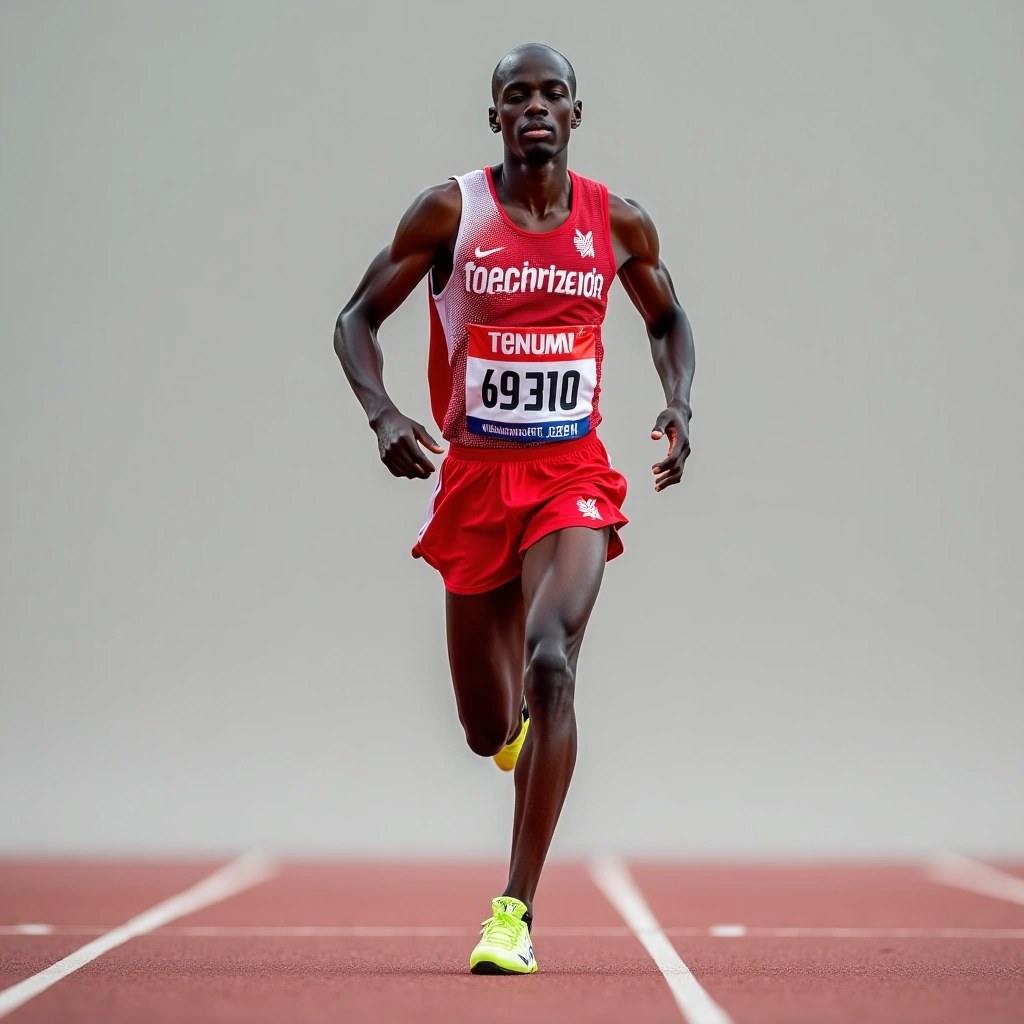
Kenya's world marathon champion Peres Jepchirchir has been banned for three years for the use of blood booster EPO , the Athletics Integrity Unit (AIU) said on Thursday, adding that she had admitted to breaching anti-doping rules.
Well, that’s a gut punch for anyone who was enjoying the marathon season. Peres Jepchirchir, a world marathon champion and one of the most decorated runners in the sport, has been banned for three years after committing anti-doping rule violations involving EPO, the blood booster that athletes have been trying to sneak past testers for decades.
The Athletics Integrity Unit announced the ban on Thursday. According to the announcement, Jepchirchir admitted to breaching the rules. That matters, because it means this isn’t a case of a long, drawn-out fight in which the athlete insists on their innocence right up until a panel ruled otherwise. She accepted responsibility, and the sanction followed.
For anyone who doesn’t follow athletics closely, it’s worth understanding why this news hits so hard. Jepchirchir isn’t a minor name on a results sheet. She won gold at the Tokyo 2021 Olympics, which is the kind of achievement that defines a career. She has also collected major marathon victories in New York, Boston, London, and Sydney. Those are four of the most prestigious races on the calendar, and winning any one of them takes years of training, discipline, and a fair bit of luck with injuries. Winning several of them puts you in a different category altogether.
That’s exactly what makes the story so frustrating. Elite marathoners are often held up as examples of what the human body can do when it’s trained to the limit. Every time someone with that résumé is caught doping, it casts a shadow over everyone else who is simply out there trying to run fast the honest way. Fans start wondering about the next big performance they watch, and that’s a heavy price to pay for a few extra red blood cells.
So what is EPO, and why does it keep showing up in cycling, athletics, and beyond? Erythropoietin is a naturally occurring hormone that tells the body to produce more red blood cells. Those cells carry oxygen, and more oxygen can mean better endurance. In endurance sports, where the gap between first place and fifth can be a few seconds over a couple of hours, that kind of advantage is enormous. It is also why EPO has been banned for so long and why testing for it has become more sophisticated over the years. Cheating has always had a way of being one step ahead, and anti-doping officials have spent a long time trying to catch up.
The three-year ban is a significant chunk of an athlete’s competitive life, especially at a stage where many distance runners are still in their prime. It also raises questions about what happens to the legacy. Medals and race wins can be stripped, and records can be reviewed. For a runner whose reputation was built on those results, the damage goes well beyond a suspension. It becomes a permanent footnote, the kind that gets mentioned every time her name comes up.
It’s also worth noting how this story was covered. Multiple outlets, including CNA, The Straits Times, and The Independent, reported the ban with broadly the same core facts: three years, EPO, and an admission of rule violations. That consistency helps readers trust the basic details, even as the wider conversation about doping in sport keeps going.
In the end, this is a reminder that talent alone doesn’t win marathons, and neither does a great training block. It also takes a willingness to play by the rules, even when the temptation to cut corners is strong. For Jepchirchir, the results that made her famous now come with an asterisk of a different kind. For the sport, it’s another sobering chapter in a long-running struggle to keep competition fair. Lace up your shoes, sure, but maybe keep an eye on the people sharing the start line with you.
Inspired by: “World marathon champion Jepchirchir banned for three years over EPO use” (r/News)