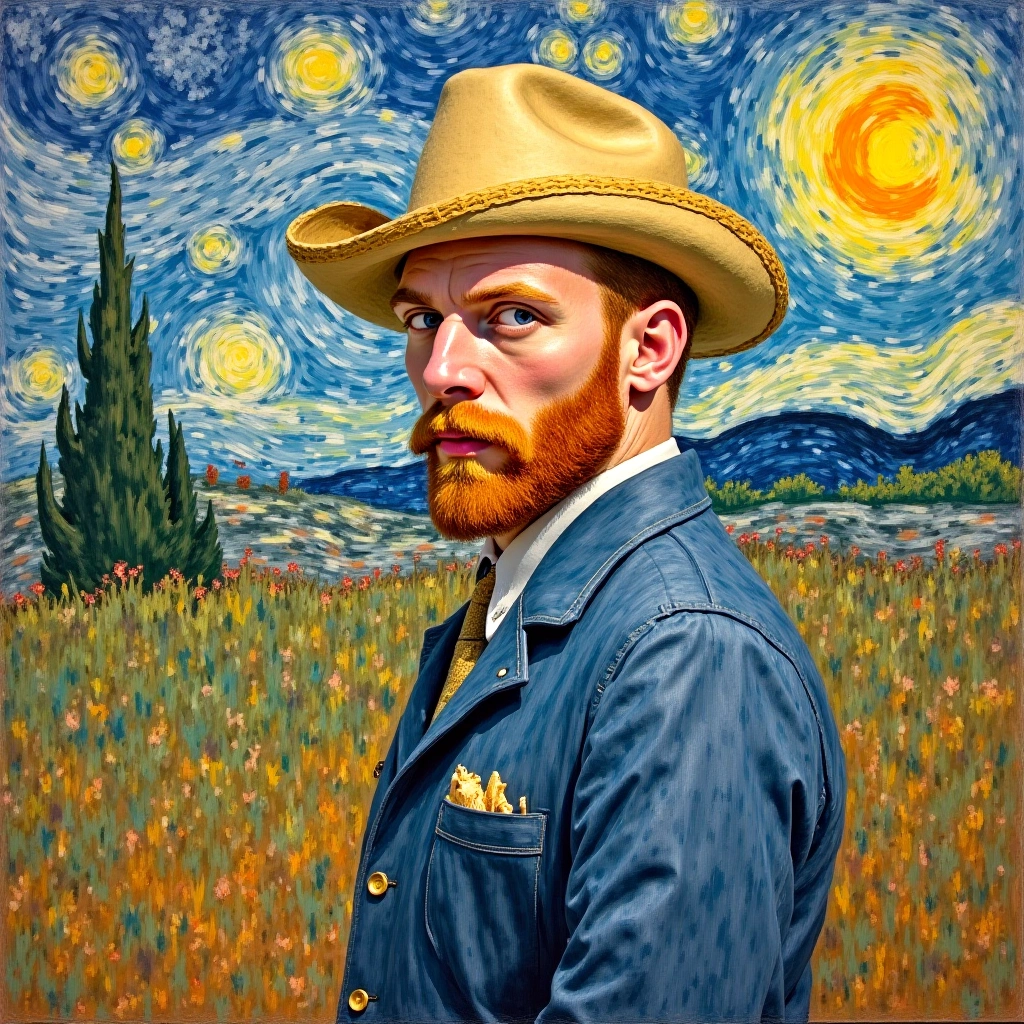
Just days ago, the sale of a vibrant Vincent van Gogh masterwork painted at the end of the artist’s life was thrown into chaos after heirs of a previous owner claimed it was sold “under duress” amid Nazi persecution .
Every so often, the art world produces a number so big it makes your bank account feel like a rounding error. This week, that number was $190.4 million.
A Vincent van Gogh painting called “Châtaigniers en fleurs” sold for that record-breaking amount at a Sotheby’s auction in New York on Wednesday. For context, that’s the kind of money most of us would need several lifetimes of careful budgeting to approach. Van Gogh, who sold very few paintings while he was alive, would probably have needed a moment to sit down.
The painting itself was completed in 1890, the year Van Gogh died. It’s a piece from the last stretch of a career that was short, turbulent, and largely unappreciated at the time. Today, his work commands prices that would have seemed absurd to him, which is a special kind of irony that art history seems to enjoy.
The sale also shattered the previous auction record for the artist. Van Gogh’s old high mark was $117.2 million, so this new result beat it by a comfortable margin. Auction records are always fun to watch, mostly because they make people with no interest in painting suddenly have strong opinions about brushwork.
But the most interesting part of this sale isn’t the price. It’s the history attached to the painting.
The work previously belonged to Samuel Fischer, a Jewish publisher. His heirs argued that he was forced to sell the painting under duress during the Nazi era, when many Jewish families were pressured or outright robbed of valuable possessions. That dispute reportedly preceded the sale, and it turned what could have been a routine auction into a story about justice, property, and a dark chapter of the twentieth century.
This is where the art market gets uncomfortable. A painting can be a masterpiece, a financial asset, and a piece of evidence all at once. Collectors often talk about art in terms of beauty and genius, but provenance, the documented history of who owned a work and how they acquired it, can be the difference between a clean sale and a legal headache. When the history includes forced sales during Nazi persecution, the stakes go far beyond auction house applause.
So while buyers and bidders focus on the glamour of a nine-figure sale, the Fischer family’s claim reminds everyone that behind many famous artworks are real people who lost a great deal. It’s a sobering counterpoint to the champagne-and-paddle atmosphere of a high-end auction.
It’s also worth noting that stories like this have become more common as researchers and families continue to pursue restitution claims for works taken or sold under coercion. The art world has had to face the reality that some of its most celebrated pieces carry complicated histories, and that a good painting does not erase a bad past.
As for Van Gogh, his legacy keeps proving itself in ways he never got to see. He struggled to make a living, and now his canvases can change hands for amounts that would have covered an entire lifetime of his own expenses several times over. There’s a bittersweet humor in that, and a reminder that the market is rarely fair to artists while they’re alive.
So yes, $190 million is a headline-grabbing number. But the more important takeaway is that behind every record-breaking price tag, there’s often a long, messy story of ownership, loss, and legal battles. The painting may be filled with blossoming chestnut trees, but its history is anything but pretty.
Inspired by: “Vincent van Gogh painting sells for $190 million, smashing auction record” (r/World)