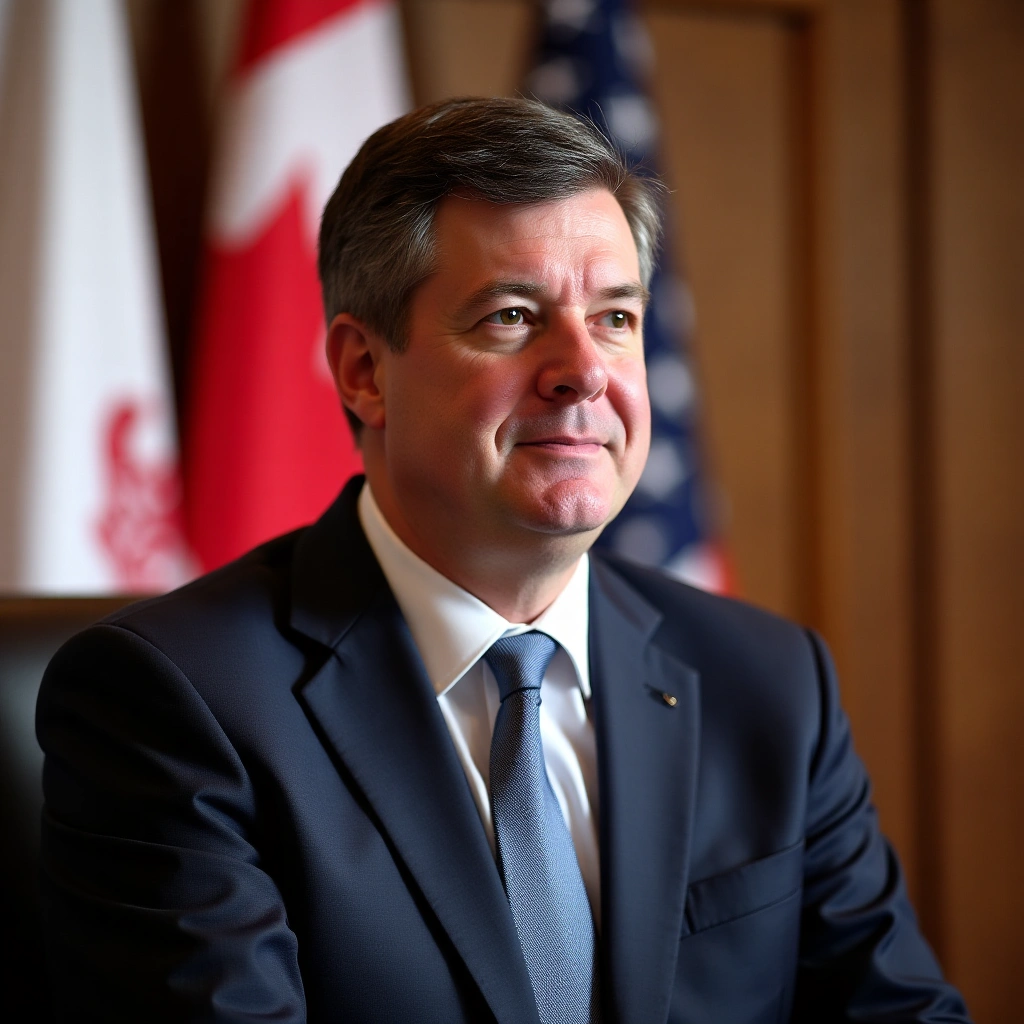
When asked today in China why the deal has been sitting unsigned for a year, Carney said he's "hopeful" it "will be signed soon," while his office said the government wants to wrap the deal "in the near term."
If you’ve ever watched a trade agreement crawl through the bureaucratic process, you’ll understand why Prime Minister Mark Carney’s latest comments got a few eyebrows up. He says he hopes Canada can sign a trade arrangement with Taiwan soon. Soon, in government-speak, can mean anything from next week to whenever the paperwork finally stops multiplying. Still, the message is clear enough: Ottawa wants this one done.
So what exactly is on the table? The agreement is a trade cooperation framework between Canada and Taiwan. It was finalized in March 2025, and it is now expected to be signed. That already puts it in the category of things that have been slowly moving for a while. Nobody writes a framework agreement overnight, and this one has had a few stops along the way.
For starters, the text has been translated into both French and Chinese. In a country with two official languages, translation isn’t optional, and it’s a useful reminder that a document like this has to be readable by the people who will live with it. The agreement was also presented to Parliament in September, which is where Canadians’ elected representatives get a look at what the government is committing to. It had earlier gone through provincial consultations too, so the provinces had their say before it reached the national stage. If you’ve ever tried to get three people to agree on where to eat dinner, you can imagine how much fun it is to get multiple provincial governments on the same page.
Carney raised the topic during a visit to China, where he expressed hope for a swift signing. That detail alone is worth a second look. Taiwan and China have a famously complicated relationship, and any Canadian move involving Taiwan tends to draw attention from Beijing. Carney’s trip made the subject hard to avoid, and his remarks put the government’s intentions on the record. His office has said the government is working toward finalizing the arrangement, which is the polite way of saying the work is still underway.
This is where I should be honest about the limits of what’s been reported. The public details so far center on the timeline, the consultations, the translations, and the hope for a signing. Specifics about what the framework will actually change for businesses, exporters, or consumers are not the headline here, so anyone expecting a detailed breakdown of tariffs and quotas will need to dig into the official text once it is available.
Still, the story is a good example of how trade policy works in practice. A deal can be finalized on paper and still wait months before anyone signs it. It has to clear domestic consultations, parliamentary review, translation requirements, and diplomatic timing. Each step is slow, and each one exists for a reason, even when it makes the rest of us want to shout at our screens.
So keep an eye on this one. If the signing happens, it will be a notable step in Canada’s trade relationship with Taiwan. If it drags on, well, you can always say you saw the prime minister say he hoped it would be soon. Politicians have said worse things about timelines, and at least this one came with a hopeful tone.
Inspired by: “Carney says he hopes to sign trade arrangement deal with Taiwan soon” (r/News)