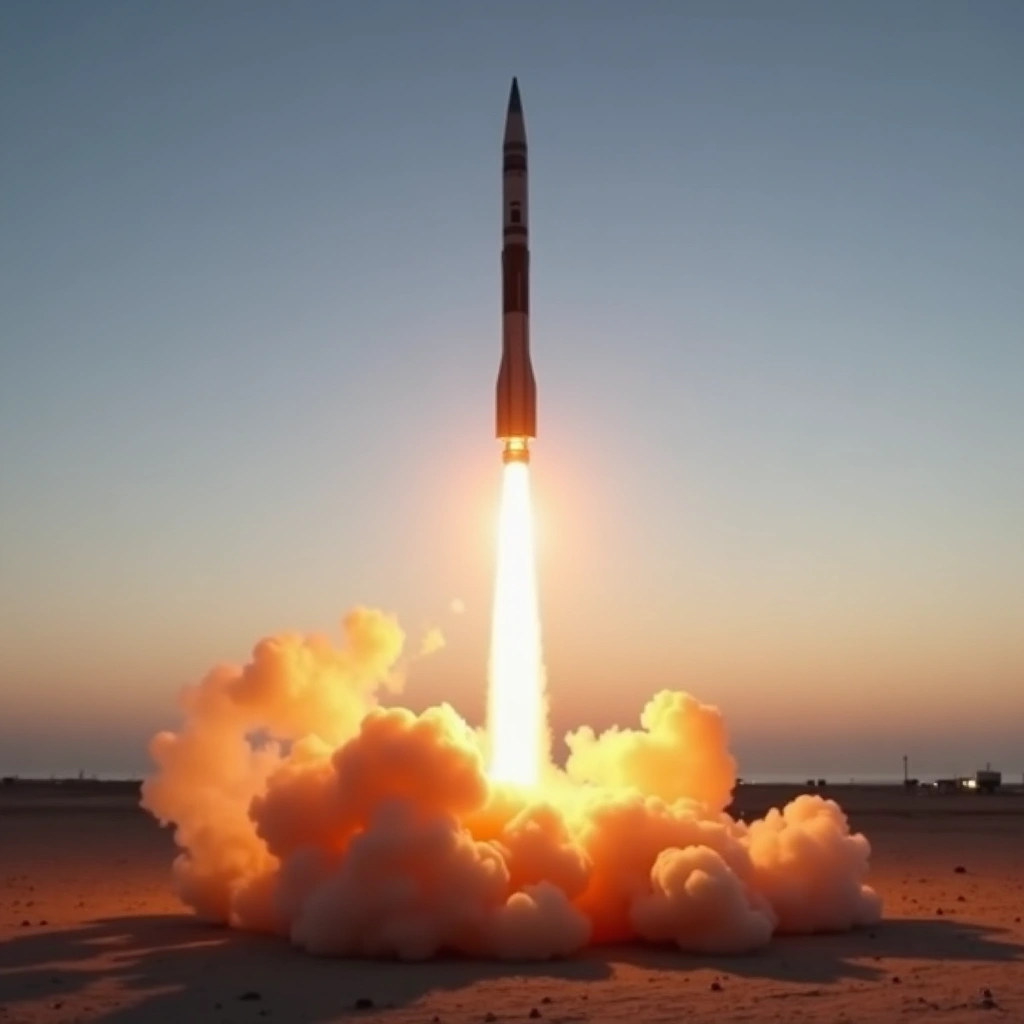
The Saudi-led coalition said Wednesday that it had intercepted and destroyed a cruise missile launched by Yemen's Houthi group toward the Riyadh area .
Every so often a headline lands that makes you put down your coffee and reread it twice. This week’s was one of those: a Houthi cruise missile, reportedly aimed at the Riyadh region of Saudi Arabia, was intercepted by a Saudi-led coalition before it could do damage. Coverage of the event appeared across several outlets, including Dawn and a few economic news sites, and the basic facts line up across them.
Let’s start with the essentials. A cruise missile is a guided weapon that flies low and steers itself toward a target, which makes it harder to spot and stop than a ballistic missile. The fact that one was headed for Riyadh, the Saudi capital and home to government offices, major businesses, and a large population, is what turned a routine air defense story into a major one. The interception meant the missile never reached its intended target, but the attempt itself is the part that matters for what comes next.
For anyone who hasn’t followed Yemen closely, here’s the background. The Houthis, an armed movement that controls much of northern Yemen including the capital Sanaa, have been fighting the Yemeni government for years. Saudi Arabia led a military coalition into the conflict in 2015 to support the government, and the war has been one of the more grinding and costly conflicts in the region ever since. There have been truces and stretches of quiet, but the fighting never fully went away, and cross-border attacks have come and gone.
That history is why the editor’s note describes this incident as an escalation. A missile aimed deep into Saudi territory, rather than at border areas, signals that the conflict’s reach has grown or that one side is willing to push further. Whether that reflects a deliberate change in strategy or a single flare-up is not something the available reporting settles. Anyone claiming to know the Houthis’ intentions from one missile is either very confident or selling something.
So what happens next? The editor’s note points to two likely consequences. The first is tighter regional security measures. Countries that host critical infrastructure, government buildings, and large cities tend to respond to incidents like this with more air defense deployments, alert protocols, and coordination with partners. None of that is dramatic, but it adds up, and it costs money.
The second is changes to aviation advisories. Airspace near a conflict zone can get complicated fast. Airlines and aviation authorities watch these events closely, and a missile heading toward a major airport city can prompt route changes, temporary restrictions, or updated warnings to pilots and travelers. If you have a trip planned through the Gulf anytime soon, it’s worth checking the latest guidance from your airline and government travel advisories rather than relying on yesterday’s news.
There’s also a broader economic angle. The Gulf is a hub for energy, shipping, and aviation, so any sign of instability tends to ripple into markets, insurance costs, and business planning. Analysts will be watching whether this incident stays a one-off or becomes part of a pattern.
The honest takeaway is that the reporting so far gives us a clear core story but not a lot of detail. We know a cruise missile was launched toward the Riyadh region, that a Saudi-led coalition intercepted it, and that the incident is being read as a sign of rising tension. Beyond that, a lot is still unclear, and it’s wise to be skeptical of anyone who says otherwise. Keep an eye on official statements and reputable outlets over the coming days, because this is the kind of story that can shift quickly.
For now, the good news is simple: the missile was stopped. The less comfortable news is that the fact it was launched at all is what everyone will be talking about.
Inspired by: “Saudi-led coalition intercepts Houthi missile targeting Riyadh region” (r/Crypto)