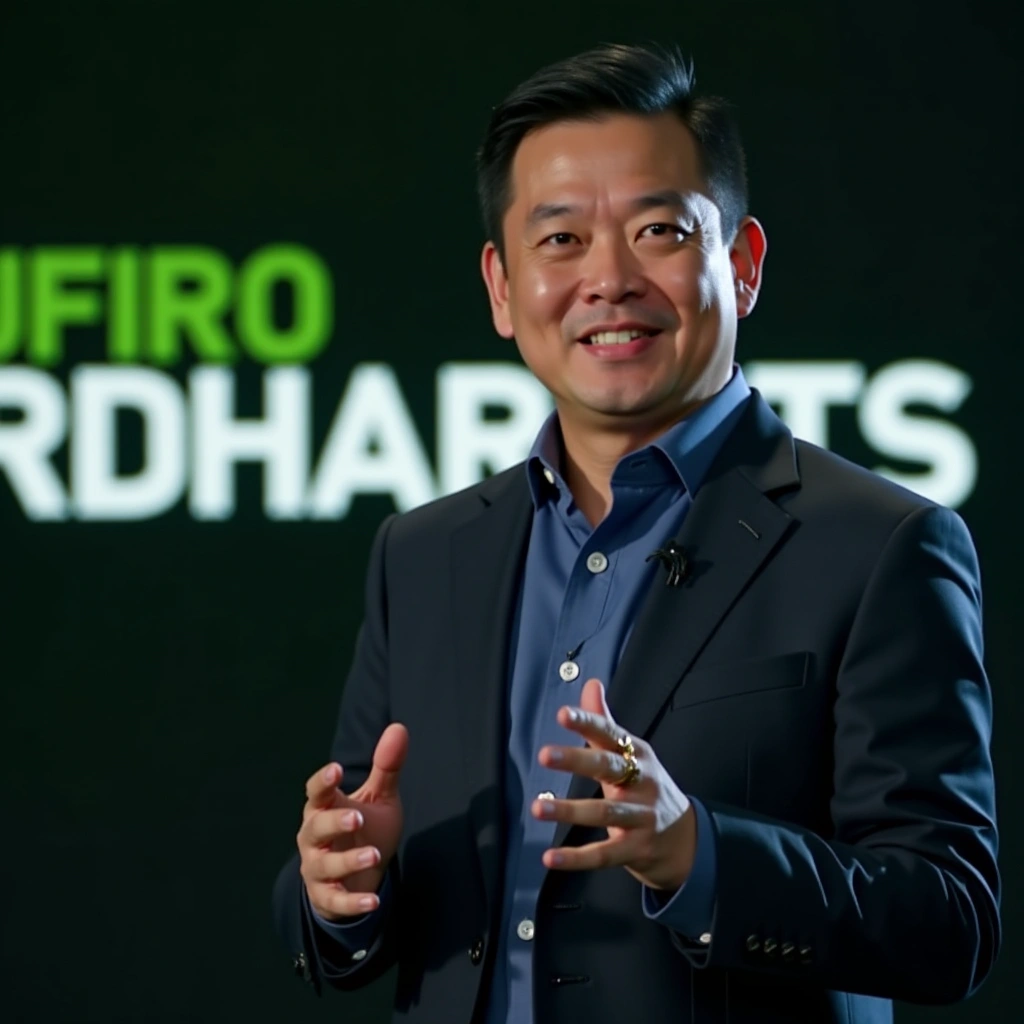
Jensen Huang is reportedly weighing a return as Nvidia CEO as allies lobby the board and a petition draws more than 150,000 signatures .
Corporate leadership changes usually follow a predictable routine. A CEO steps down, the board issues a statement about ‘gratitude for years of service,’ an interim chief arrives, and everyone pretends the press release was not drafted by a crisis communications firm at 2 a.m.
That is not what is reportedly happening at Nvidia.
According to coverage from Ars Technica, Breitbart, Conservative Daily News, Townhall, and Mother Jones, former CEO Jensen Huang resigned last week amid reports of extramarital affairs and scrutiny of Nvidia’s compliance measures around AI chip sales. Instead of the usual quiet transition, there is now an organized effort to put him back in charge. It apparently comes with a ‘war room,’ because apparently a group chat is no longer enough.
A quick note before we go further: this post is based on what those outlets have reported. The details of the allegations, the board’s deliberations, and the lobbying effort have not been independently verified here, so treat everything below as reported, not proven.
What Reportedly Happened
The basic outline, as described in the sources:
– Huang resigned last week.
– The context included reports of extramarital affairs and scrutiny of how Nvidia handled compliance for its AI chip sales.
– Allies are campaigning for his return, and some coverage describes Huang himself as weighing a comeback.
– Prominent tech figures, reportedly including Elon Musk and Epic Games CEO Tim Sweeney, have joined the push.
– Supporters are seeking White House backing, assembling a group to make their case.
– Treasury Secretary Scott Bessent has publicly said the board should consider an external successor, or in the words highlighted in one headline, ‘go outside the company.’ He has also questioned whether Nvidia ignored warning signs related to chip exports.
So on one side you have tech leaders arguing the company needs its founder back. On the other you have a senior federal official suggesting the board look elsewhere and asking pointed questions about what the company knew. Nobody involved seems to be relaxing.
Why This Is Bigger Than a Normal CEO Exit
Nvidia is not some mid-sized company that makes printer cartridges. It sits at the center of the AI boom, and its chips power much of the industry’s model training. When leadership there gets shaky, a lot of people get nervous, including investors, customers, and governments.
Huang is also not a typical executive. He co-founded the company and led it for decades, and his leather jacket is about as recognizable as the corporate logo. Founder-CEOs often become so tied to a company’s identity that boards struggle to picture the business without them. That helps explain why a campaign to reinstate him would form so quickly: plenty of people simply cannot imagine Nvidia under anyone else.
That is also exactly the situation corporate governance is meant to handle. A board’s job is to act in the company’s interest even when that means making unpopular choices about a beloved founder. Whether this board ends up agreeing with the war room or with the Treasury Secretary will reveal a lot about how much independence it really has.
The Celebrity Endorsement Phase
The reported involvement of Elon Musk and Tim Sweeney turns a boardroom question into a public spectacle. Both have large platforms and are not known for keeping their opinions to themselves.
There is something slightly funny about corporate leadership now getting the same treatment as a cancelled TV show, with famous fans rallying to bring it back for another season. Unfortunately, CEO appointments are not decided by online petitions, at least not officially. The board makes the call. Public pressure can still shape the conversation, though, and that is clearly the strategy here.
Why the White House Is Involved
The most striking detail is that supporters are reportedly trying to win over the White House. Normally, who runs a public company is a matter for its board and shareholders. Nvidia, however, operates in an area where government policy matters a great deal.
The United States has spent years tightening rules on which advanced AI chips can be sold to which countries, largely over national security concerns. A chipmaker at the center of AI hardware is going to draw attention from Washington whatever happens. That is why Bessent’s comments about export warning signs matter. They imply the government’s interest is not limited to who holds the title. It extends to whether the company’s compliance practices were adequate.
That creates an awkward dynamic. Huang’s allies want government support for his return, while at least one senior official is publicly urging the board to bring in someone from outside. Those positions are hard to reconcile, and the board is stuck between them.
The Case for Bringing Him Back
Huang’s supporters would likely argue the following:
– He built the company and understands it better than anyone.
– Continuity matters, especially during a period of rapid AI growth.
– Customers, partners, and investors trust his leadership.
– Bringing in an outsider during intense competition could be risky.
Those are reasonable points. Founder-led companies have sometimes done very well after bringing back a former leader.
The Case Against
The other side has arguments too:
– The circumstances of his departure, including compliance scrutiny, may need a clean break to resolve.
– An outside successor could signal to regulators and investors that the company is taking governance seriously.
– Reinstating a CEO who resigned under scrutiny, after a public pressure campaign, could make the board look like it bends to whoever is loudest.
– If there are real questions about export compliance, as Bessent suggests, those may need answers before anyone talks about a comeback.
This is essentially the reasoning behind ‘go outside the company.’ Sometimes the safest way forward for an organization is to show it can function without the person it was built around.
What Comes Next
The sources do not describe a final outcome, so the honest answer is that nobody knows yet. The board could appoint an outside CEO, promote someone internally, or, if the war room gets its way, bring Huang back. Each option has risks, and each will be read as a statement about how Nvidia sees its own future.
What seems certain is that this will not be a quiet transition. When tech billionaires are lobbying, the Treasury Secretary is weighing in, and one of the world’s most important chipmakers is between leaders, the boardroom is going to be very crowded with outside opinions.
For now, the war room is reportedly at work, the board is under pressure from several directions, and everyone else is watching to see whether the leather jacket comes back.
Inspired by: “Inside the Fight to Bring Jensen Huang Back to Nvidia” (r/Tech)