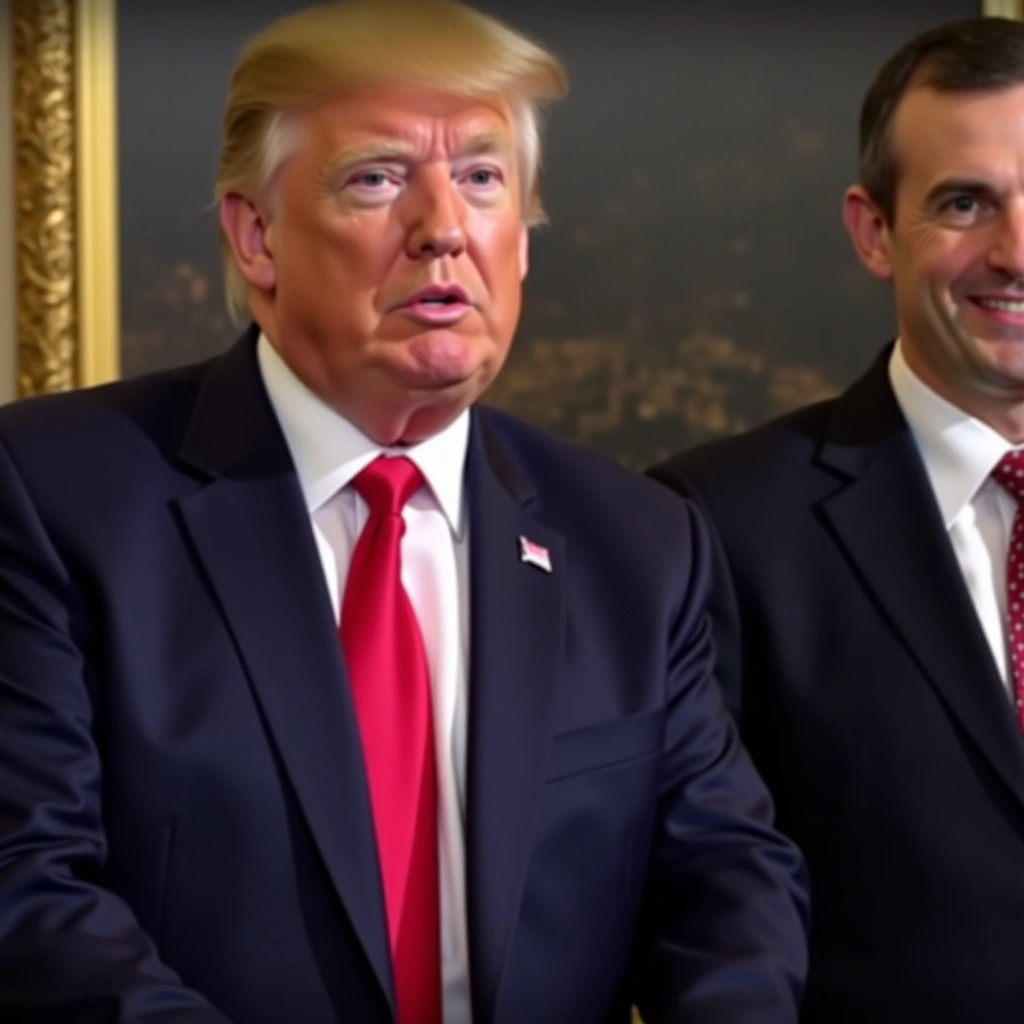
Trump blasts CBS News' “60 Minutes” over its Iran war investigation, criticizing the program's new leadership and its portrayal of U.S. defenses.
Some rivalries are timeless. Tom and Jerry. Cats and the vacuum cleaner. And, apparently, Donald Trump and “60 Minutes.” The newsmagazine has changed leadership, but if anyone hoped that would cool things down, Trump has cleared that up. According to him, the new people running the show are “even worse than their predecessors.” Quite the welcome gift.
Let’s walk through what happened, what’s being argued, and why this fight is about more than one TV segment and one very energetic reaction.
What the Report Said
The “60 Minutes” segment examined the U.S. response to Iranian attacks on American military sites. Based on the coverage, it made a few pointed claims:
– Iranian strikes hit U.S. military sites.
– The Pentagon allegedly had not fully disclosed how much damage those strikes caused.
– U.S. troops allegedly were not adequately protected, especially against Iran’s drone counterattacks.
Several outlets, including Variety and Mediaite, described the segment as built around a whistleblower. That matters. A whistleblower report is not a reporter guessing from the parking lot. It is someone on the inside saying the official story leaves things out. Deadline framed the story around the lack of U.S. preparedness for Iran’s drone counterattacks, and Raw Story focused on the idea that losses were being hidden by the Pentagon.
You can see why this would land badly with the people in charge. “We are winning” is a nice message. “We may not have told you everything about the damage” is less nice.
Trump’s Response: The Short Version
Trump disputed the report and accused “60 Minutes” of inaccurate reporting. His main counterargument is that a high percentage of Iranian missiles and drones have been intercepted. According to Variety’s summary, he also argued that the whistleblower report lacked context.
Then came the part that made the headlines: an attack on the show’s leadership. Per Mediaite, he went after “the new people running 60 Minutes,” calling them “worse than their predecessors.” TheWrap’s headline put it as “even worse.” Either way, it’s not exactly a fruit basket for the new team.
Interceptions vs. Damage: Both Things Can Be True
Here’s where it helps to slow down, because the two sides may be talking past each other.
Trump’s point is about interception rates: most incoming missiles and drones were stopped. The report’s point, as described in the coverage, is about what happened with the ones that weren’t stopped, and whether the public and the troops got the full story.
Those claims don’t automatically cancel each other out. A high interception rate is good news. But “most” is not “all,” and if some strikes got through and caused damage, it’s fair to ask how much, where, and whether it was fully reported. If you lock most of the doors in your house, that’s great, but it doesn’t help much if the burglar uses the one you left open.
So when Trump says the report “lacked context,” he may be saying the segment focused on the failures without giving enough credit to the successes. When the report says the Pentagon didn’t fully disclose damage, it’s raising a separate question about transparency. Viewers can reasonably care about both.
The Headlines Tell Their Own Story
One of the more entertaining parts of this saga is how differently outlets framed it. Seven sources covered it, and the verbs alone are a mood ring:
– The Daily Beast: Trump “rages” over “devastating” revelations.
– Raw Story: Trump “melts down.”
– Mediaite: Trump “erupts.”
– Deadline and Variety: Trump “rages.”
– Newsmax and TheWrap: Trump “blasts.”
So depending on where you read about it, Trump either issued a firm critique or turned into a small active volcano. Same event, very different vibes. It’s a useful reminder to read past the headline. The underlying facts reported across these outlets are fairly consistent: there was a “60 Minutes” report, it raised questions about damage and preparedness, and Trump disputed it, cited interception rates, and criticized the show’s leadership. The adjectives are where the editorial personality shows up.
Why Going After Leadership Matters
Criticizing a specific report is one thing. Criticizing the people running the newsroom is a different move. It shifts the conversation from “Is this story accurate?” to “Can these people be trusted at all?”
That’s a familiar playbook in media fights, and it’s not unique to Trump. If the messenger can be framed as biased or incompetent, the message gets easier to dismiss. The catch is that it doesn’t answer the actual questions the report raised. Calling the new leadership “even worse” is a strong opinion, but it isn’t a damage assessment.
There’s also a bit of irony here. A change in leadership often prompts speculation that coverage might soften. Trump’s reaction suggests that, at least from his perspective, that has not happened. Whatever else you think, the show apparently isn’t pulling punches to make new friends.
The Whistleblower Factor
Whistleblower stories are tricky for everyone. For journalists, they offer insight that official channels won’t provide, but they require careful verification. For governments, they’re uncomfortable because they suggest internal disagreement about what the public should know. For the public, they raise the obvious question: who do you believe?
The honest answer is that a single segment and a single rebuttal aren’t the end of the story. If the Pentagon didn’t fully disclose damage, that’s something other reporters, lawmakers, and officials will likely keep pressing on. If the report overstated things or left out key context, that should also become clearer with time and more information. Spoiler: angry posts and dramatic headlines tend not to settle these things on their own.
Troops in the Middle
It’s worth remembering who is actually at the center of this. Not network executives, not politicians, not headline writers. The report’s core concern, as described, is whether U.S. troops were adequately protected. That’s not a ratings question or a branding question. It’s a safety question.
If protections were lacking, people deserve to know so it can be fixed. If protections were strong and interception rates were high, that’s worth knowing too. Either way, the troops are the ones with the most at stake, and they’re the ones least likely to be invited onto a panel to discuss it.
The Takeaway
Here’s where things stand based on the reporting:
– “60 Minutes” aired a report, reportedly built around a whistleblower, saying Iranian strikes hit U.S. military sites and that the Pentagon may not have fully disclosed the damage or adequately protected troops.
– Trump called the reporting inaccurate, said a high percentage of Iranian missiles and drones were intercepted, and argued the report lacked context.
– He also took aim at the show’s new leadership, calling them worse than their predecessors.
– Media coverage ranged from “blasts” to “melts down,” which tells you as much about the outlets as it does about the event.
The bigger questions, about transparency, preparedness, and how much damage actually occurred, are still worth asking. Those answers won’t come from a war of adjectives. They’ll come from more reporting, more oversight, and hopefully a little less volume.
In the meantime, “60 Minutes” and Trump remain locked in one of the longest-running feuds on television. New leadership, same show, same critic. Some traditions just refuse to die.
Inspired by: “Trump Blasts New ‘60 Minutes’ Leadership as ‘Even Worse’ Over Iran War Report” (r/News)